
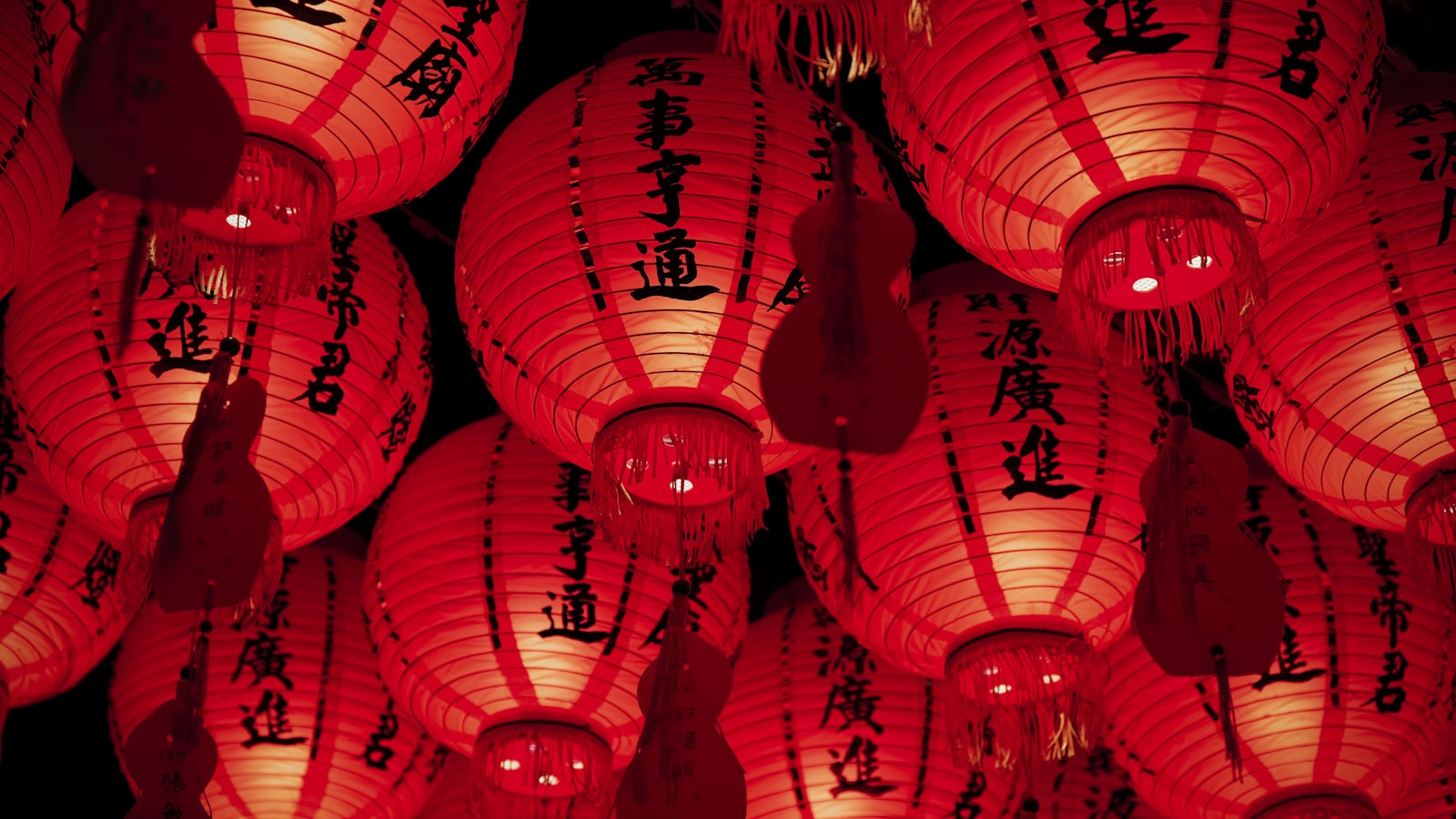
Festivals in China Dates: Plan Around the Crowds
The main Chinese festivals and how they affect travel — Spring Festival and Golden Week crowds, Dragon Boat and Mid-Autumn timing, and booking windows.
China’s festivals are spectacular — and they move the country. Knowing when they fall and how they affect trains, hotels and crowds is the difference between a magical trip and a logistical nightmare.
China’s festivals follow the lunar calendar, so their dates shift every year, and they trigger the largest mass travel movements on earth. For a traveler, that cuts two ways: the festivals themselves are among the most vivid cultural experiences you can have, and the travel windows around them are best avoided. Here’s what to know.
The festival calendar at a glance
- Spring Festival / Chinese New Year: typically late January to mid-February. The biggest holiday of the year; the entire country travels home.
- Lantern Festival: 15 days after Chinese New Year, marking the end of the Spring Festival season.
- Qingming (Tomb-Sweeping) Festival: usually early April. A short holiday for honoring ancestors; a modest travel spike.
- Dragon Boat Festival: usually May or June. Dragon boat races and zongzi (sticky rice dumplings); a three-day holiday.
- Mid-Autumn (Moon) Festival: usually September, occasionally early October. Mooncakes, lanterns and the full moon; a family holiday.
- National Day Golden Week: October 1–7, every year, without exception.
Chinese New Year: the big one
Spring Festival is China’s equivalent of Christmas and Thanksgiving compressed into one — families travel home, cities empty out, and then everyone moves back. The “spring rush” (chunyun) around it is the largest annual human migration on earth, with hundreds of millions of rail journeys in a few weeks.
The traveler’s take: if you want to see fireworks, red lanterns and family celebration on a massive scale, it’s unforgettable. But book trains and hotels months ahead, expect closed or skeleton-service restaurants in the first days, and don’t plan on moving between cities in the peak rush days. Many small shops and eateries shut for the week; big cities partly shut too.
National Day Golden Week: the one to plan around
Golden Week (October 1–7) is the single period most China travel planners avoid. Everyone travels at once — the Great Wall, the Forbidden City and West Lake become seas of people, ticket queues stretch for hours, and prices spike. If your dates are flexible, travel in the weeks either side of Golden Week instead: weather is still lovely and crowds drop dramatically.
Mid-Autumn and Dragon Boat: smaller, still busy
- Mid-Autumn (Moon Festival) is the more atmospheric of the two — mooncakes, lanterns and family dinners under a full moon. In years when it lands close to October 1, it merges into the Golden Week crunch.
- Dragon Boat Festival brings colorful races and zongzi to riverside cities. It’s a three-day holiday, so expect a weekend-sized spike in bookings but nothing like Golden Week.
How festivals affect your trip
- Trains and flights: high-speed rail sells out days to weeks in advance during Spring Festival and Golden Week. Book the moment tickets open.
- Hotels: prices rise and top locations book out; book early or travel off-peak.
- Sights: the famous ones are packed. Go at opening time, book timed tickets ahead, and accept the crowd — or visit a smaller, local celebration instead.
- Restaurants: during Chinese New Year, many close for family dinners, especially on New Year’s Eve. Stock snacks and book dining ahead.
If you do travel during a festival
- Book everything as early as possible — rail, hotels, timed tickets, and any internal flights.
- Lock down your main transfers first. Getting stuck without a seat on a peak day is the scenario to avoid.
- Start sights at 8am. It’s the only way to get ahead of the wave.
- Embrace the spectacle. A Chinese festival is a once-in-a-lifetime cultural experience — the crowds are the price of admission.
- Pick less obvious sights. During Golden Week the famous gates are packed, but many lesser-known parks, gardens and local temples stay manageable — ask your hotel for a quieter alternative nearby.
- If you arrive just after the holiday week ends, you get lingering lanterns, red decorations and mooncake stalls with a fraction of the crowds.
The better plan for most travelers
Unless a specific festival is your goal, the smartest windows are the weeks after Spring Festival and Golden Week end — when transport is cheap, sights are quiet, and the weather in spring and autumn is at its best. Check the visa requirements for your dates (most eligible travelers get up to 30 days visa-free), then build your 10-day itinerary around festival-free travel. And for food travelers, the festivals themselves are a highlight worth planning around: mooncakes at Mid-Autumn and zongzi at Dragon Boat both make memorable souvenirs if you fly home with room in your bag.
Last updated: August 2026. Festival dates follow the lunar calendar and shift yearly — confirm the current year’s dates before you go.
Frequently Asked Questions
When exactly is Chinese New Year?
Chinese New Year (Spring Festival) follows the lunar calendar, so the date moves every year — typically falling between late January and mid-February. In 2027 it falls in February. The exact date and the week-long public holiday around it change annually, so confirm the current year's dates before planning.
What is Golden Week?
Golden Week is China's National Day holiday, always October 1–7. It's one of the country's two biggest travel crunches, with hundreds of millions of people moving at once. Trains, flights and hotels are heavily booked and pricey, and major sights are extremely crowded. It's the period most travel planners avoid.
Should I avoid traveling during festivals?
It depends what you want. The festivals themselves — lantern displays at Chinese New Year, dragon boat races, mooncakes at Mid-Autumn — are wonderful to witness. But the travel windows around them (the days before and after) are logistical nightmares. Many travelers go to China specifically to see a festival and accept the crowds; just book far ahead and pad your schedule.
What is the Mid-Autumn Festival?
The Mid-Autumn Festival (also called the Moon Festival) falls on the 15th day of the 8th lunar month — usually September, occasionally early October. It's a family holiday centered on the full moon, mooncakes and lanterns. In some years it merges with National Day Golden Week, which massively increases travel pressure.
How do festivals affect train tickets?
Severely. During Spring Festival and Golden Week, high-speed rail and flight tickets sell out weeks in advance, and prices can rise. The 'spring rush' around Chinese New Year is the largest annual human migration on earth. Book long-distance rail as early as tickets go on sale, and avoid moving between cities on the peak departure days.
Are festivals worth attending?
Absolutely, if you're prepared. Spring Festival's fireworks and red lanterns, the National Day flag and light displays, dragon boat races and mooncake lanterns are unforgettable. The trade-off is crowds, price and planning. If you value calm over spectacle, visit during the weeks just after each holiday ends, when travel is cheap and quiet.