
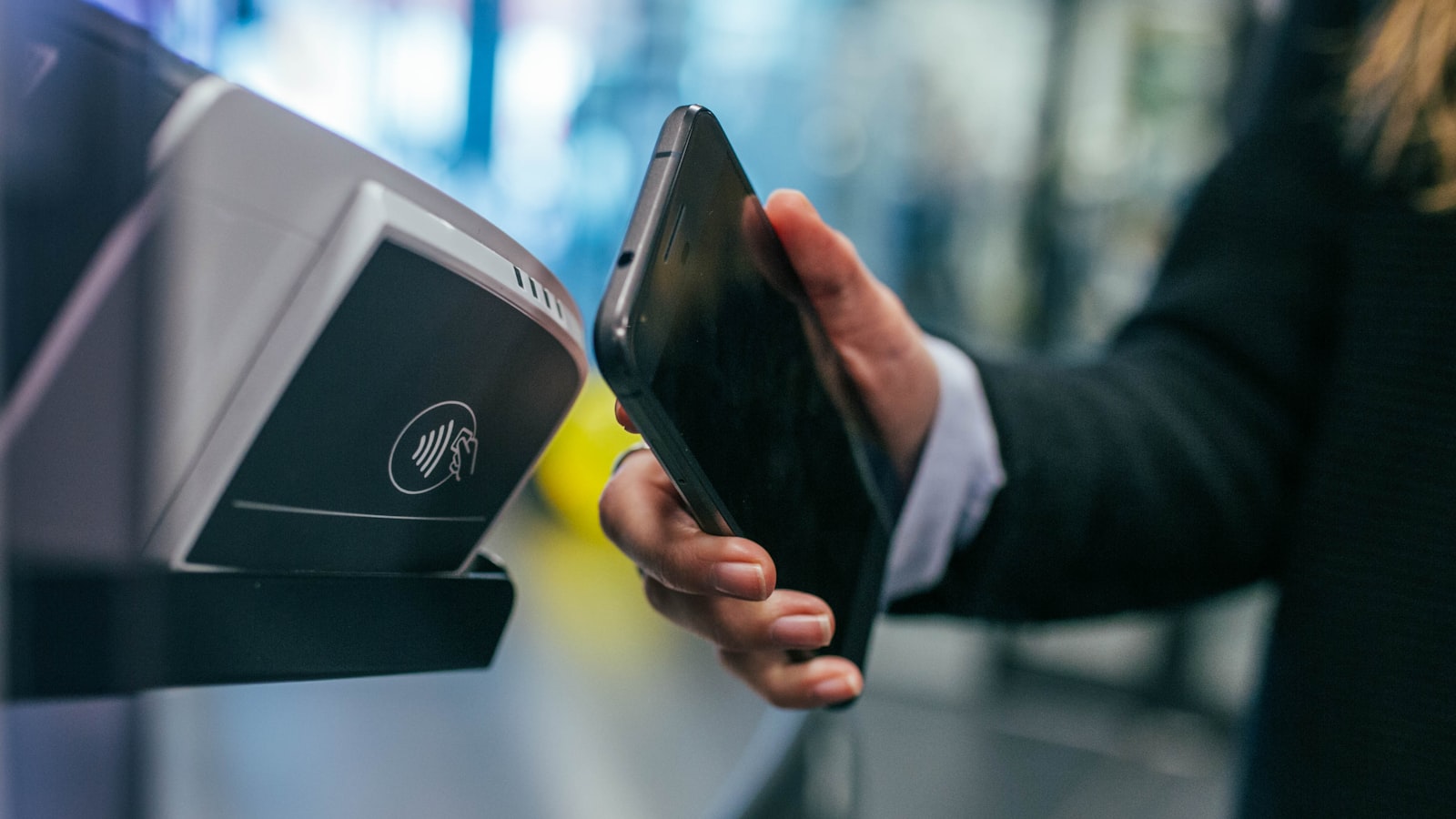
How to Pay in China as a Tourist (2026)
How tourists can pay in China in 2026 — Alipay and WeChat Pay with a foreign card, when cash still works, and claiming your tax refund.
China runs on mobile payments — and tourists can now use them too.
The good news: you don’t need a Chinese bank account, and you don’t need to carry a fat stack of cash. With about ten minutes of setup before you fly, you can pay for almost everything with your phone, exactly the way locals do.
The short answer
- Download Alipay (and optionally WeChat Pay) and bind your foreign card before you travel.
- Carry a little cash as a backup — merchants are required to accept it.
- Keep your international card for hotels and big purchases.
Option 1: Alipay (recommended for tourists)
Alipay has gone all-in on foreign visitors and it’s the smoothest option:
- Register with your foreign phone number and passport.
- Bind a foreign Visa, Mastercard, JCB or Amex card directly in the app — no Chinese bank account required.
- Scan QR codes to pay at restaurants, shops, taxis, attractions and even some street stalls.
- It also handles transport: booking high-speed rail tickets, hailing rides, and using some city transit.
In 2025 alone, more than 10 million international visitors paid with Alipay, and inbound spending through the app roughly doubled year on year. It works.
Set it up before you fly — verification is quickest while you have Wi-Fi and your passport handy.
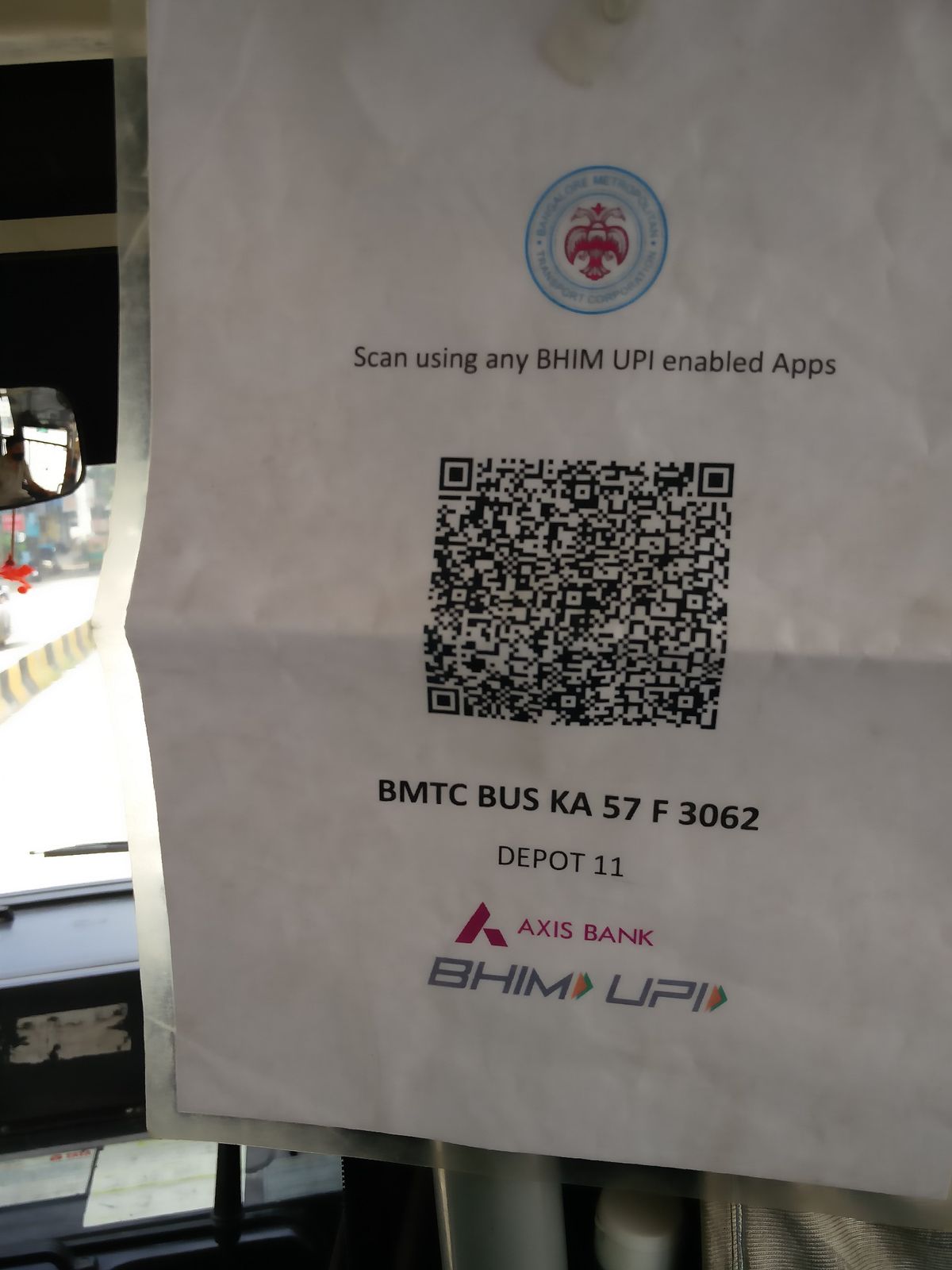
QR payment is how China actually works — you scan the merchant’s code or show yours, and the charge routes through Alipay or WeChat Pay to your foreign card.
Option 2: WeChat Pay
WeChat Pay is the other giant, and the QR codes work similarly. For tourists it’s worth setting up if you’re planning to use WeChat heavily (it’s the main app for messaging and, increasingly, for businesses to contact customers).
- WeChat has partnered with 16 overseas payment systems so visitors from several countries can link their home wallets.
- The setup flow is a little more involved than Alipay’s, so many travelers use Alipay as their primary and WeChat as a backup.
Option 3: Cash
- Still legal tender everywhere — and since February 2026, merchants in China are required to accept cash.
- Carry ¥200–500 in small notes for markets, tips (rarely expected) and as a fallback if your phone dies or a network hiccups.
- Exchanging money: use an airport exchange counter, a major bank, or withdraw from an ATM with your card. Some travelers use a no-fee international card for ATM withdrawals.
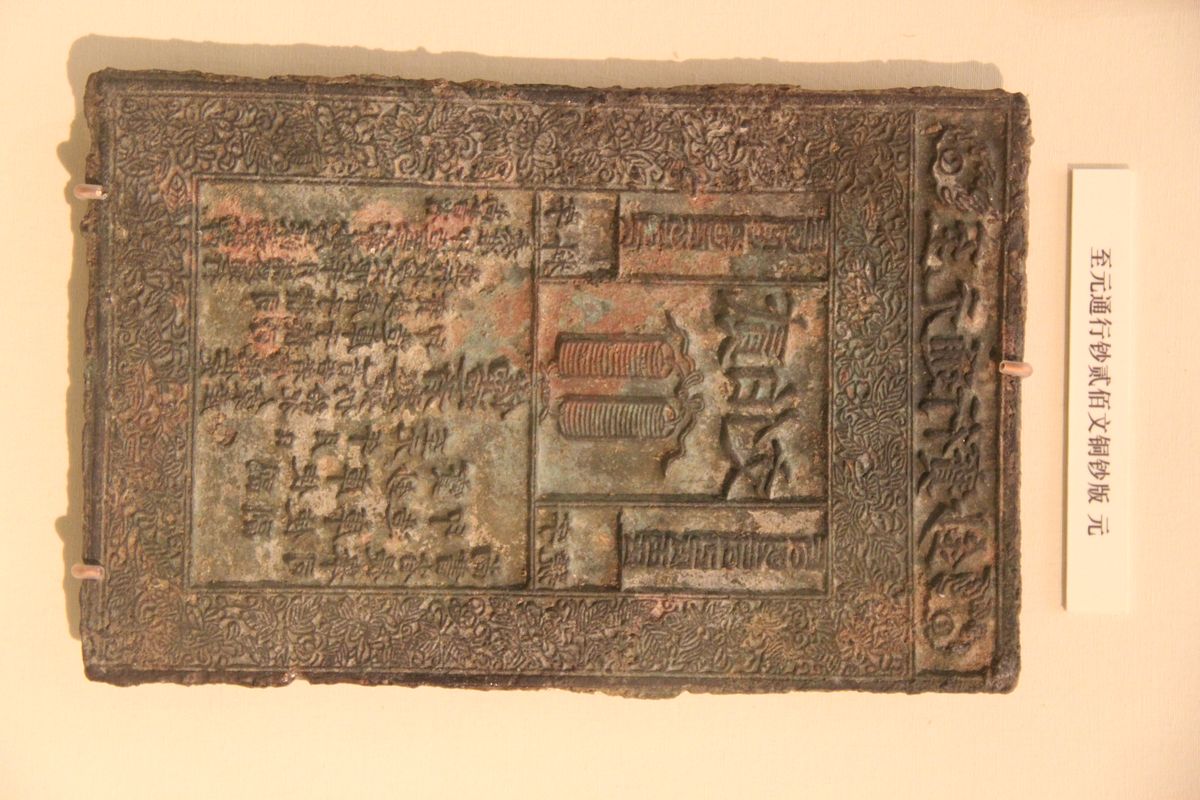
Cash is still legal tender everywhere and merchants must accept it — but carry just ¥200–500 in small notes as a backup, since the country runs on QR payment.
Option 4: International cards directly
- Hotels and big chain stores usually accept Visa/Mastercard directly.
- Small vendors, taxis and local restaurants generally don’t — that’s the gap mobile payment fills.
Practical tips
- Bind your card before you arrive — you’ll need a stable connection and your passport.
- Watch your limits: foreign-card binding has transaction and annual caps; check the latest numbers in-app before a big purchase.
- Backup plan: phone + a bit of cash + an international card covers virtually every situation.
- Ask for a tax-refund invoice on big shopping purchases, and claim your refund at departure (see below).
Tax refund on departure (离境退税)
- If you buy goods to take home, ask the store whether it participates in the tax-refund scheme and ask for the refund invoice.
- Claim at the departure airport’s tax-refund counter (present passport + invoice + goods).
- The instant refund service is now available nationwide at many participating stores — you get the tax refunded on the spot, before you even reach the airport.
A day of spending, end to end
Walk through a normal day and the picture is simple. Breakfast at a noodle shop: scan the QR on the counter, pay ~¥15–25. Metro: Alipay’s transit code taps you through the gate, a few yuan per ride. A museum ticket: book and pay in-app, no cash window needed. Lunch with friends: whoever’s app is open splits the bill by scanning each other — no bank transfer needed. A Didi ride: paid automatically at drop-off. A market snack: the stall’s QR, another few yuan. Dinner: scan and pay, then show the receipt if you need a tax invoice for expenses. By the end of the day, cash has barely been touched — exactly how locals live.
When cash is genuinely better
Cash still wins in a few situations, and it’s worth keeping some for them: very small vendors (a newspaper stand, a street fruit seller) who may not want to fuss with a card-backed payment; emergency situations when your phone dies or the network drops; and when a card is declined at an odd terminal. Carry ¥200–500 in small notes. On the flip side, don’t over-carry — big wads are unnecessary and ATMs are everywhere.
Cards, ATMs and withdrawing cash
For cash, the practical path is an ATM withdrawal with your debit card — most Chinese ATMs (especially the big four banks) accept Visa/Mastercard, and some accept UnionPay/others. Withdraw larger amounts to minimise per-withdrawal fees, and use an ATM inside a bank branch or a busy area. Prepaid travel cards work too but add a step. Exchange counters at airports and banks give you cash but at worse rates than an ATM. If your bank charges foreign-transaction fees, that’s your cue to lean more on Alipay, which often nets out cheaper for small spends.
Large purchases and the tax refund
For big-ticket items — electronics, silk, tea, jewellery — the tax refund becomes worth the paperwork. Before you pay, ask if the store participates in the tax-refund scheme and request the tax-refund invoice (离境退税单). Keep the goods, invoice and receipts together. At departure, use the airport’s tax-refund counter, or check whether the store offered an instant refund (available at many big tourist stores), which puts the tax back on your card or Alipay on the spot. Rules change and thresholds exist, so confirm the current minimum purchase amount before relying on it.
A note on splitting bills
China’s QR-payment culture makes splitting easy, but in a different way than Western apps. The payer scans or is scanned once; anyone who owes them money can transfer from their own app — Alipay and WeChat both allow person-to-person transfers between foreign and local users, and two foreign users can settle the same way. So when a group meal ends, one person pays the restaurant and everyone else sends them their share in-app. It’s quick, and it’s how locals do it — no card swipes, no asking the waiter to split the bill.
What tourists actually carry
A realistic wallet for a China trip is phone (Alipay + WeChat set up), a little cash (¥200–500 in small notes), and one international card as backup. That covers every situation: QR payment for the 95% of transactions, cash for the rare vendor or dead battery, and the card for hotels and big purchases. Skip the travellers’ cheques (largely obsolete in China) and don’t over-carry cash (ATMs are everywhere). This three-part setup is what most locals now effectively use, minus the card — and it’s what makes a China trip feel frictionless.
As a rule of thumb, set up Alipay first and treat cash and your card as the backup — that single decision covers almost every payment scenario on the ground.
How China became a QR-payment country
Understanding why China runs on QR codes makes using them feel natural. In the 2010s, Alipay and WeChat Pay raced to sign up street vendors by making payment dead simple — a printed code, a scan, no terminal to rent. The result is that today nearly every shop, stall and taxi in China uses the same national QR standard, and cash has become unusual for everyday transactions. This is why a tourist with a foreign card can now pay almost everywhere without a Chinese bank account: the QR standard doesn’t care where your card is from, it just routes the charge. It also explains why carrying cash feels so old-fashioned here — the system locals built for convenience happens to be the same system that opened the country to foreign visitors.
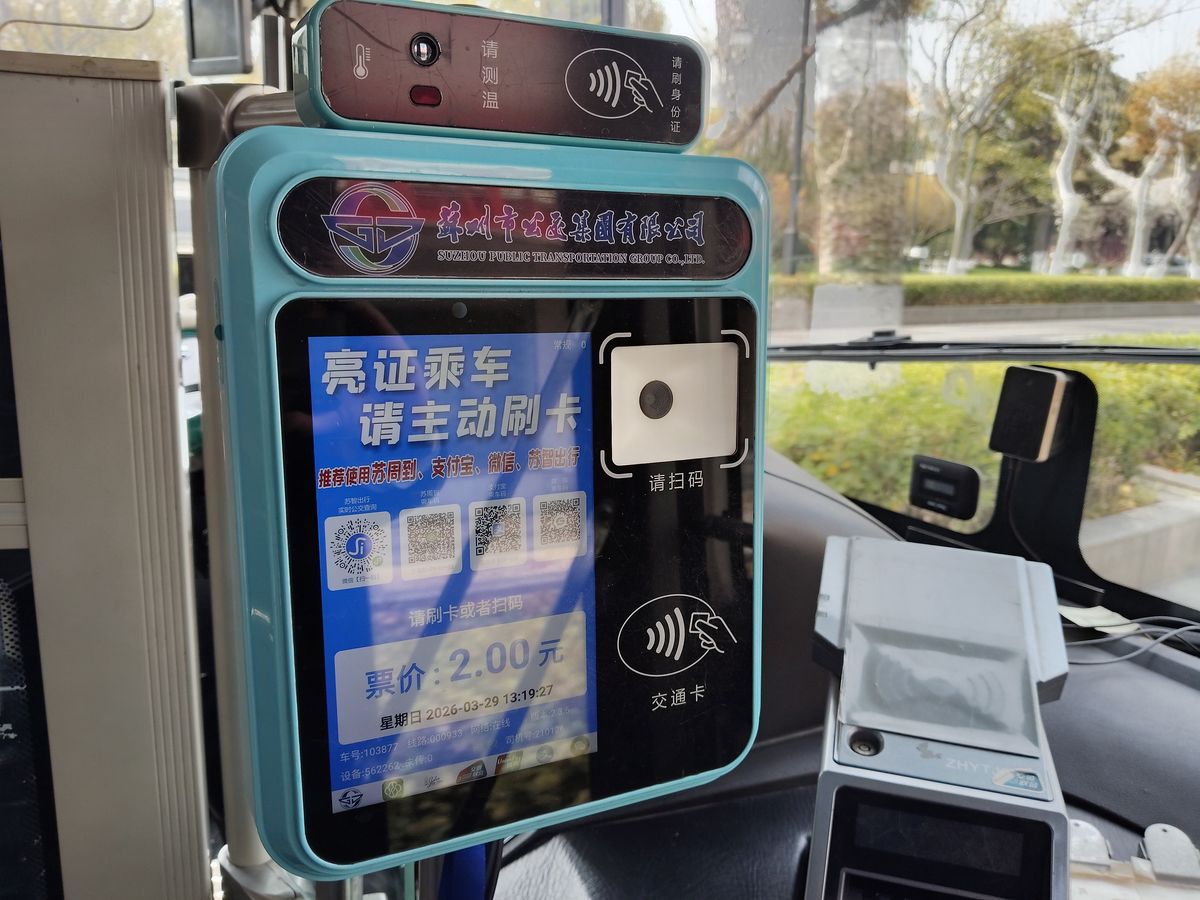
Nearly every shop, stall and taxi in China uses the same national QR standard — the merchant scans your payment code, or you scan theirs, and the charge clears in seconds.
Common mistakes to avoid
- Not setting up before you fly — doing it at home with Wi-Fi and your passport is dramatically faster than at the airport.
- Relying on your card alone — most small vendors, taxis and street stalls won’t accept an international card directly; mobile payment fills that gap.
- Carrying no cash — merchants are required to accept it, and ¥200–500 in small notes covers a dead phone or a network hiccup.
- Ignoring the limits — foreign-card binding has transaction and annual caps that change; check in-app before a large purchase.
- Skipping the tax refund — if you’re buying big items, ask for the refund invoice at the store; the paperwork is worth it on expensive goods.
- Expecting to split bills by card swipe — in China one person pays and the rest transfer in-app; that’s how it works.
Paying on the ground: a quick troubleshooting guide
Most payment problems have a fast fix. The QR won’t scan: raise your screen brightness, make sure you’re showing the payment code (not your profile), and get closer — scanners are less forgiving than you’d expect. Payment declined: recheck the active card, confirm you’re within the daily limit, and try once more; sometimes the terminal just needs a retry. The merchant says no foreign cards: increasingly rare, but if it happens, offer cash or try the other app — a shop that takes Alipay usually takes WeChat too. Your phone dies: that’s what the cash is for. Out of data: hotel Wi-Fi works for payments, or top up your eSIM from the provider’s app. For the setup itself, see our Alipay and WeChat Pay guides.
Last updated: August 2026. Payment limits and tax-refund rules change — confirm the latest in-app or with the tax authority before relying on specific figures.
Frequently Asked Questions
Can I use my Visa or Mastercard directly in China?
Sometimes. Hotels, big chain stores and some restaurants accept international cards directly. But most everyday places — small restaurants, markets, taxis — don't. That's why setting up Alipay or WeChat Pay with your foreign card is the practical solution.
Is cash still accepted in China?
Yes. Since February 2026, businesses are required to accept cash (banknotes and coins). It's not worth relying on cash alone — mobile payment is still far more convenient — but it's your safety net.
Do I need a Chinese bank account or phone number to use Alipay?
No. Foreign travelers can register with just a foreign phone number and bind a foreign Visa, Mastercard or JCB card directly in the app. No Chinese bank account needed.
Are there limits on how much I can pay with a foreign card in Alipay?
Yes, transaction and annual limits apply to foreign-card binding. Exact caps change, so check the latest figures in the app before your trip. For large purchases or longer stays, carrying some cash and a card as backup is wise.
How do I get a tax refund on things I buy?
Ask the store for a tax-refund invoice when you buy (most big tourist stores and malls participate), then claim at the departure airport's tax-refund counter. The 'instant refund' service is now available nationwide at many stores, refunding the tax on the spot.