Is Tap Water in China Safe? Drinking Guide (2026)
Tap water in China isn't for drinking straight from the tap. How to stay hydrated safely — bottled water, boiled water, hotel kettles, and ice.
The rule for water in China is simple: don’t drink untreated tap water. Everything else — bottled, boiled, or filtered — is easy to arrange.
China’s tap water is generally safe for washing and showering, but it is not recommended for drinking straight from the tap. Locals boil water for tea and drinking, and the same habit will keep you comfortable and hydrated.
The tap water situation
- Tap water in most of China is not potable without treatment. It may carry minerals, or treatment byproducts, that your stomach isn’t used to — even in cities.
- Washing, showering and washing dishes are all fine.
- Brushing teeth: usually fine for most travelers, though visitors with sensitive stomachs often use bottled or boiled water to be safe.
- The key rule: drink bottled, boiled, or filtered water — never straight from the tap.
Bottled water — cheap and everywhere
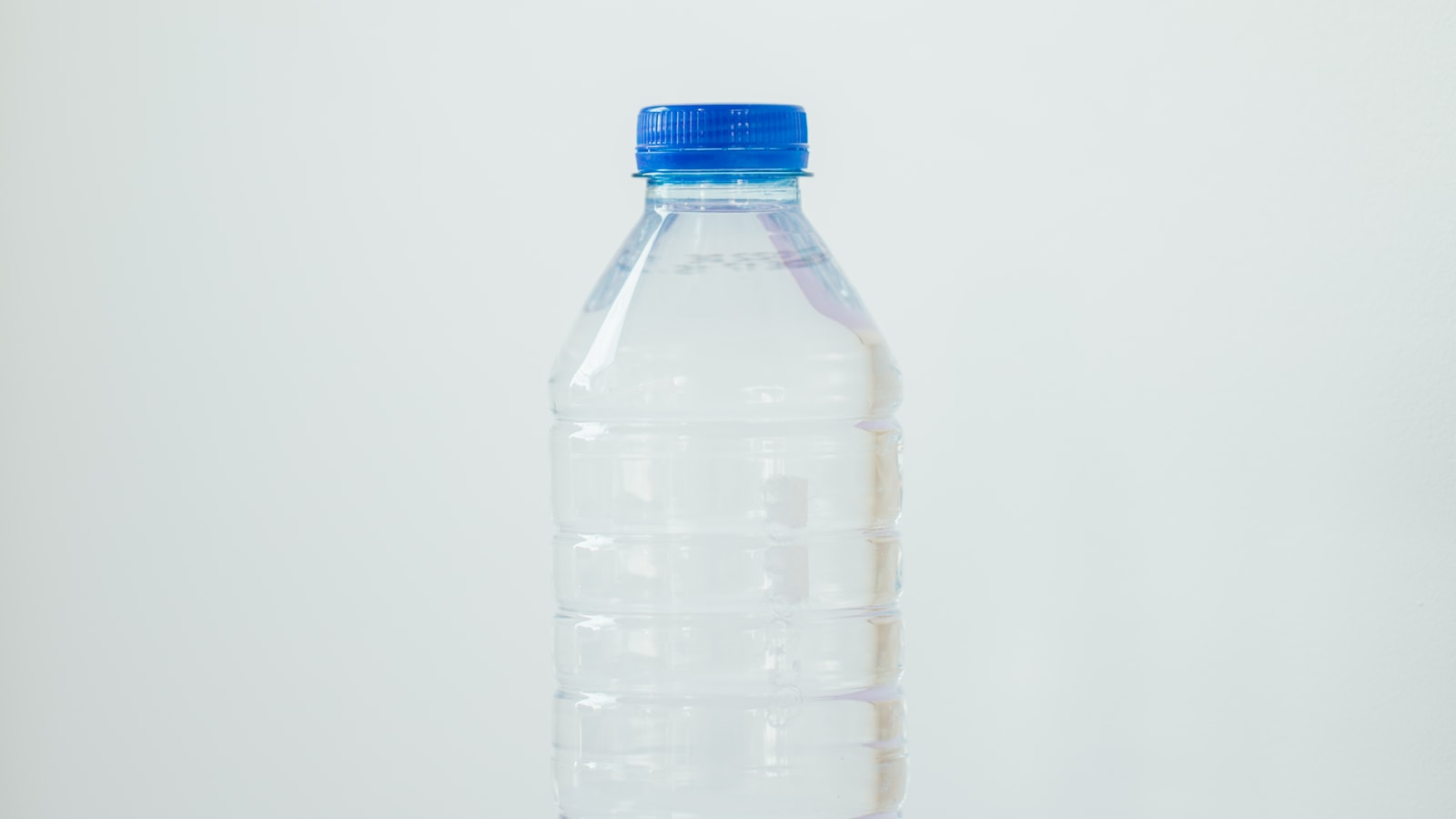
- Bottled water is ubiquitous and inexpensive — a large bottle at a convenience store typically costs around a couple of yuan.
- Buy from reputable stores: convenience chains (7-Eleven, FamilyMart, Lawson), supermarkets, and hotels. Most shops accept Alipay or WeChat Pay even for a single bottle.
- Look for familiar national brands such as Nongfu Spring (农夫山泉) or C’estbon (怡宝); any sealed, labeled bottle from a proper shop is fine.
- Avoid street stalls selling unlabeled or repoured bottles — a sealed, branded bottle from a store is the safe bet.
Boiled water — the local habit
- Locals almost always drink boiled water (凉白开). You’ll find free hot water dispensers at hotels, offices, airports, and — useful on long trips — on trains and at railway stations.
- Bring a reusable bottle or thermos, and top up with hot water wherever you see a dispenser.
- Hot water is a normal, free service — just ask “热水在哪里?” (where’s the hot water?) or look for the dispenser.
- At airports and stations, hot water dispensers are usually free and clearly marked — just find the tap with steam rising.
Hotel kettles and filtered water
- Most hotel rooms have an electric kettle. Rinse it once before use (they’ve hosted many guests), then boil water to fill your bottle or make tea.
- Many mid-range and higher hotels also have a water dispenser in the room or on the floor with filtered hot and cold water — more convenient than the kettle.
- Some travelers bring their own collapsible kettle or filter bottle for longer stays; it’s a personal preference, not a necessity.
Ice in drinks
- At chain restaurants, cafes and hotels, ice is generally made from treated or filtered water and is safe.
- At small street stalls and markets, quality is less consistent — many travelers order drinks without ice or stick to bottled drinks there.
- If your stomach is sensitive, go ice-free outside chain venues.
Coffee, tea, and cooking
- Hot drinks (coffee, tea, soups) are made with boiled water — totally safe, and this is how locals stay safe too.
- Cooking in restaurants uses boiled or treated water; food safety is about the restaurant’s standards, not the tap.
- Fresh produce served raw (salads, fruit) should be washed; hotels and good restaurants handle this properly.
Practical tips for staying hydrated
- Carry a reusable bottle and fill it from trusted sources — bottled water, hotel kettles, or filtered dispensers.
- Buy a big bottle of water at a convenience store and refill your smaller bottle from it during the day.
- Use the free hot water dispensers on trains and at stations — and bring a tea bag or instant coffee if you like.
- Keep a couple of small notes of cash in case a tiny stall has no QR code — but in practice, mobile payment covers even bottle purchases.
- Use your phone’s maps (via an eSIM) to find the nearest 7-Eleven or FamilyMart for a reliable bottle.
- On hot days, carry more water than you think you need — southern summers are humid, and you’ll drink far more than usual.
Sensitive stomachs
- If you’re prone to traveler’s diarrhea, be stricter: bottled or boiled water for everything, including brushing teeth, and skip ice outside chain restaurants.
- For babies and young children, use boiled or bottled water exclusively for formula and drinking.
Last updated: August 2026. Water quality varies by city and season — when in doubt, buy bottled or boil before drinking.
Frequently Asked Questions
Can I drink tap water in China?
Generally no. Tap water in most of China is not recommended for drinking straight from the tap — it may not meet the standards your stomach is used to, and locals boil water before drinking it. It's perfectly fine for washing, and brushing teeth is usually okay, but if you have a sensitive stomach, use bottled water for that too.
Is it safe to brush my teeth with tap water in China?
For most travelers, yes — brushing with tap water is common and rarely causes problems. If you have a sensitive stomach or a longer stay, many visitors use bottled or boiled water for brushing out of caution. The main rule to remember is: don't drink untreated tap water.
Where can I get drinking water in China?
Bottled water is sold at every convenience store (7-Eleven, FamilyMart, Lawson) and supermarket for a couple of yuan, and is safe from reputable stores. Free hot water dispensers are common at hotels, offices, and on trains. Carry a reusable bottle and fill it with bottled or boiled water.
Is ice in drinks safe in China?
At chain restaurants, cafes and hotels, ice is made from filtered or treated water and is generally safe. At small street stalls, quality varies — many travelers stick to bottled or hot drinks there, especially if their stomach is sensitive. Trust your judgment and how the place looks.
Should I bring a water bottle to China?
Yes — a reusable bottle is handy because you'll fill it with bottled water (buy a big bottle and refill) or boiled water from hotel kettles and train dispensers. Just remember the tap water itself isn't for drinking, so fill from sources you trust.