

Accessible Travel in China: What to Know (2026)
Traveling China with a wheelchair or mobility needs — honest guidance on metro and rail access, hotels, taxis, and which sights are easiest to manage.
OpenStreetMap Google Maps (opens externally)
China is an accessible-in-places destination — the modern transport network is genuinely good, while the old towns are genuinely hard. This guide tells you honestly where it works and where to plan around.
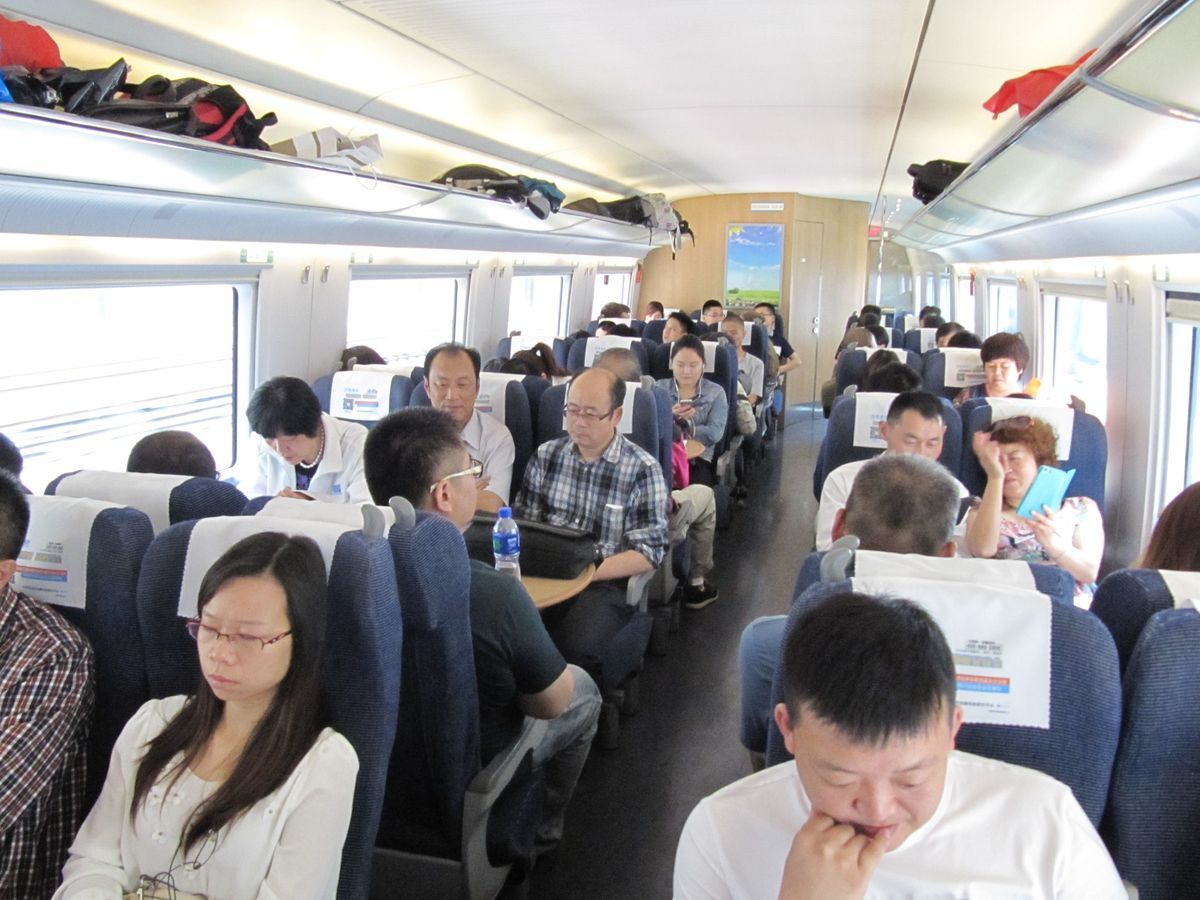
China’s high-speed rail is genuinely accessible — wide carriages, accessible toilets and staff who assist with boarding on request.
Where China works well
- Metros in Beijing, Shanghai, Chengdu and other big cities: elevators, accessible gates and staff help at most stations. See our metro guide.
- High-speed rail: smooth, wide, with accessible toilets; staff assist with boarding if you ask at the ticket window. How to book trains.
- New attractions: museums, observation towers (Shanghai Tower, Canton Tower), the Bund promenade and modern parks are flat and accessible.
- International hotels: reliable accessible rooms at the major chains — book directly and note your needs.
Where to plan around
- Old towns (Beijing’s hutongs, Lijiang, Pingyao) and historical sites (the Forbidden City, Great Wall sections) have uneven stone, steps and no ramps.
- Mountain sights (Guilin, Zhangjiajie, Huangshan) rely on trails and stairs — not accessible by wheelchair.
- Taxis are hard with a wheelchair; use Didi ride-hailing via Alipay, requesting a larger car.
A realistic accessible itinerary
- Shanghai — the most accessible: metro, the Bund, museums, and an easy day trip to Suzhou’s gardens (mostly flat).
- Beijing — doable with planning: metro to the Forbidden City (flat courtyards, though many steps at thresholds), the Temple of Heaven park, and museums.
- Chengdu — new metro, flat city, the Panda Base is walkable with assistance.
Airport and rail assistance
- Airports in major cities have wheelchair service at check-in and arrivals — request it from your airline when booking, and again at the airport. The route from plane to arrivals is long at big hubs like Beijing Daxing or Shanghai Pudong, so take the offered help.
- High-speed rail: ask for assistance at the station’s service window with your booking reference — staff will meet you at the entrance, help through the gate and to the platform, and can arrange help with boarding. This is a routine request; don’t hesitate to make it.
- Booking: when buying train tickets, note any accessibility need and call the station service line if your route is complex. Book through Trip.com or 12306 and mention assistance at the window.
A language card worth preparing
Before you go, prepare a short card in Chinese stating your needs: ‘I use a wheelchair / I have limited mobility. Please help me find the accessible entrance or lift.’ Keep it on your phone (screenshot it) and show it at stations, airports and sight entrances. Most staff are genuinely willing to help; the barrier is language, not attitude. A few phrases like ‘电梯’ (lift), ‘无障碍’ (accessible) and ‘求助’ (help) go a long way when you’re showing a card.
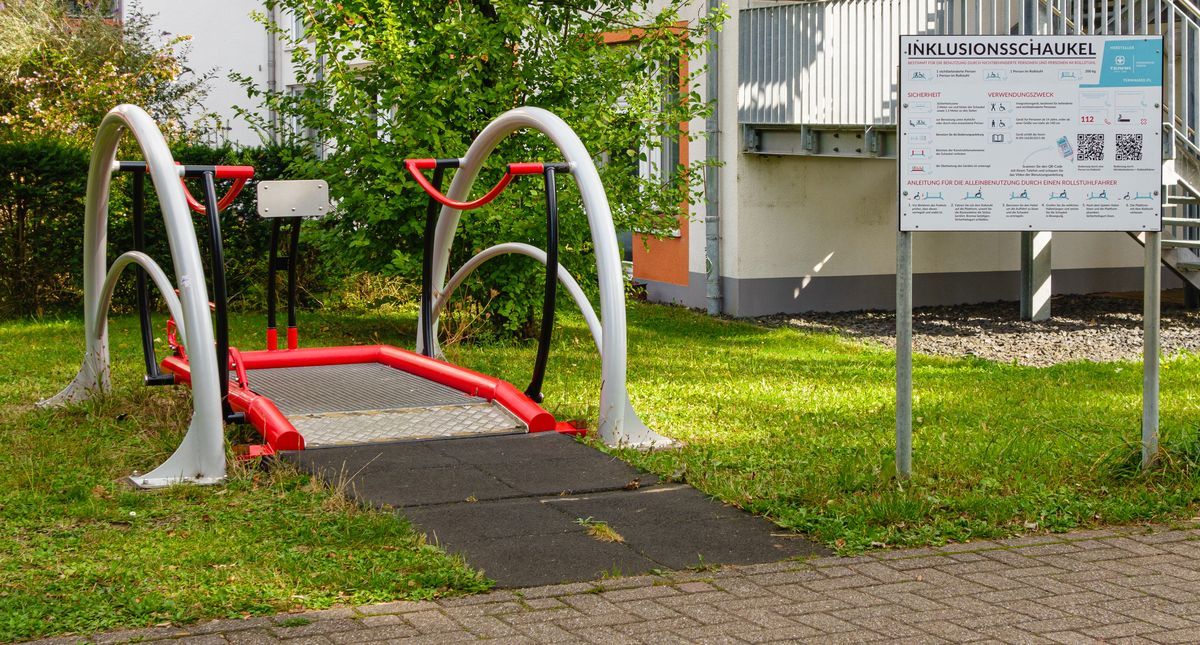
A short Chinese-language card stating your needs gets help at stations, airports and sight entrances — the barrier is language, not attitude.
Budget and booking notes
- Accessible rooms at international chains are limited in number — book as early as you can, directly with the hotel, and confirm the roll-in shower and grab bars in writing if it matters.
- Didi ride-hailing for a larger car costs a little more than a standard ride but is the most reliable door-to-door option with a wheelchair — see our Didi guide.
- Allow a slower pace: plan one main sight per day plus a rest hour, and build in the option to skip a step-heavy attraction without guilt — the accessible version of a city is often the better one anyway.
The metro in detail
The metro is the backbone of an accessible China trip, and it pays to know exactly how it works. Most stations on the newer lines in Shanghai, Beijing, Chengdu and other big cities have elevators from street to platform, marked with the international wheelchair symbol, and accessible gates (wider, staff-operated) near the staffed ticket booth. When you approach a gate that won’t open on your ticket, find the booth — staff open it for you, and will guide you to the elevator.
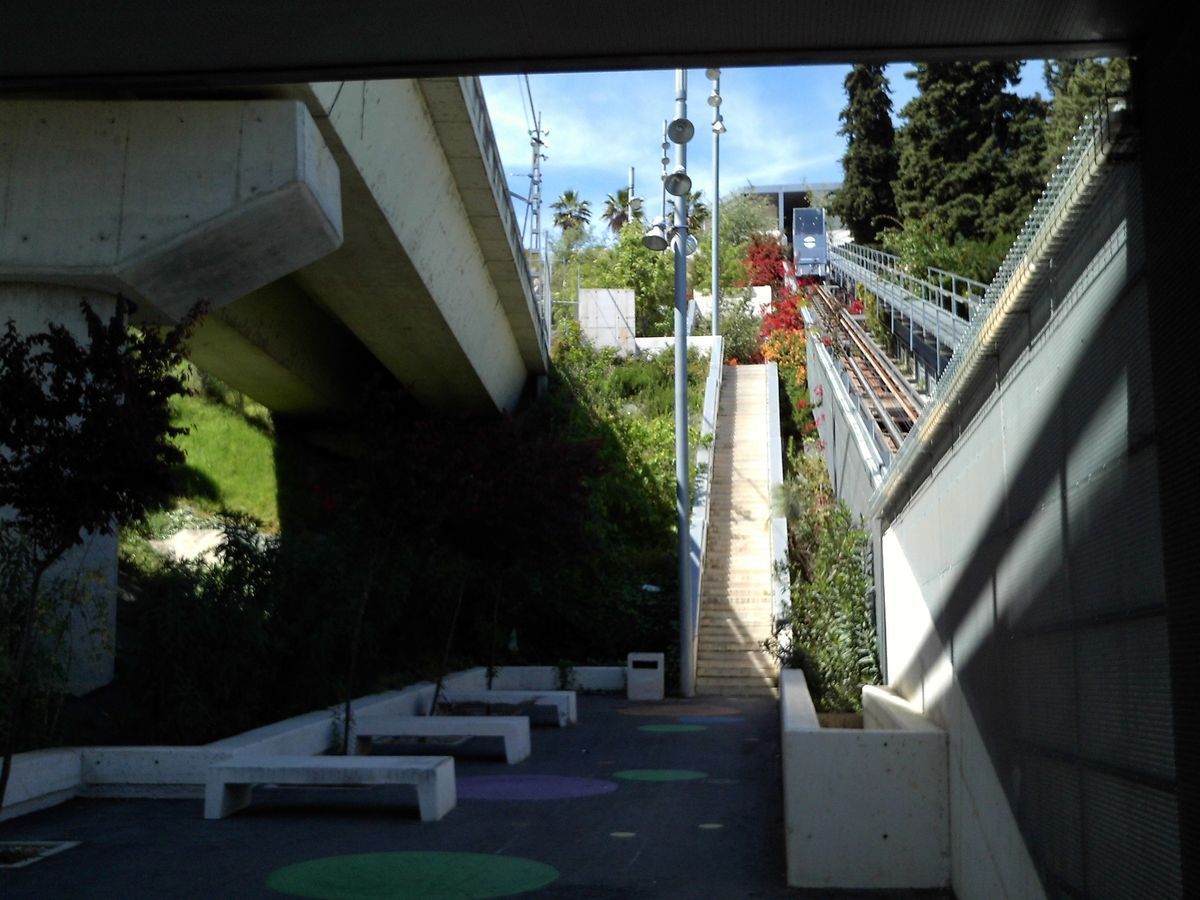
Elevators and accessible gates at newer metro stations make the subway the backbone of an accessible China trip.
Two things to plan around. First, not every exit has an elevator: a station may have lifts at some entrances but not others, so the exit you pick matters. Check your map app (many show elevator and step-free status) and, when in doubt, exit via the entrance the elevator icon marks. Second, transfer stations are long: changing lines at big hubs can mean a 200–400 meter walk through tunnels. It’s doable, but budget time and don’t schedule a tight connection.
Tickets are the easy part — buy through Alipay’s transit code, a transport card, or the ticket machines (which have an English mode). Staff at every station will help with the gate if you show them the language card described below. The system genuinely wants to work; the friction is language and exit choice, both manageable.
Hotels: what to ask for
The international chains are the reliable bet for accessible rooms, but the details matter. When booking, ask for all of: a roll-in shower (not a step-in tub), grab bars in the bathroom, a room on a floor near the elevator, and level access from the street or a staffed ramp. “Accessible room” means different things to different properties — the only way to know is to ask in writing (email or the booking platform’s message feature) and get a confirmation.
Book direct where you can, and book early: accessible rooms are few per property and go first. Small hotels and guesthouses vary wildly — a charming hutong courtyard hotel may have steps at every door, while a newer budget chain might have a perfectly usable accessible room. When in doubt, message the property before paying. The hotel guides cover the big cities and their accessible options.
What to expect at the sights
Accessibility at the sights is very uneven, and a little reconnaissance goes a long way.
- Excellent: modern museums (the Shanghai Museum, National Museum in Beijing), observation towers (Shanghai Tower, Canton Tower), the Bund promenade, city parks and modern plazas — flat, wide and often with accessible toilets.
- Mixed: the Forbidden City has flat stone courtyards but many high door thresholds and steps into individual halls; the Temple of Heaven’s park is flat but the main halls sit on raised platforms. Beijing’s Summer Palace is mostly flat lakeside but hilly in the gardens. With help over individual steps, these are doable.
- Avoid or plan carefully: the Great Wall (all popular sections involve stairs, though Mutianyu’s cable car reduces walking but not steps), the hutongs of Beijing, the old towns of Lijiang and Pingyao, and the mountain parks of Guilin, Zhangjiajie and Huangshan — these rely on stone stairs and narrow lanes and are effectively not wheelchair-accessible.
The pattern: the newer the place, the more accessible it is. Plan a route that leans on the top tier, and treat anything pre-20th-century as needing a case-by-case check.
Planning the pacing
The most important planning tool is simply pacing. An accessible trip through China works best at one main sight per day, with a rest hour and a known accessible café or hotel nearby. Shanghai, for example, is a strong 4–5 day city on this model: the Bund, the museums, the French Concession’s flat streets, and an easy day trip to Suzhou’s gardens (mostly flat, though with some steps in individual pavilions). Beijing needs the same patience — the Forbidden City, Temple of Heaven and museums are each a day’s worth of effort.
Build in the option to skip: a step-heavy attraction is not worth a ruined afternoon, and the accessible version of a city is often the better one anyway. And book the day’s metro or rail assistance when you plan the morning — a five-minute request at the ticket window beats a scramble at rush hour.
Common mistakes to avoid
- Assuming every metro station has an elevator. Older stations and some exits don’t; check the map app before choosing your route and exit.
- Booking an “accessible room” without confirming details. It may have a grab bar but a step-in tub; get the specifics in writing.
- Choosing a charming but step-filled hotel. The hutong courtyard and the old-town guesthouse are lovely and often physically impossible — read reviews from other wheelchair users.
- Trying to do two major sights in one day. The transport is good but the day is long; the accessible itinerary is a marathon if you pack it like a sprint.
- Not requesting airport assistance in advance. Wheelchair service is available but needs to be booked with the airline ahead of time, and confirmed again at the airport.
- Skipping the Chinese-language card. The barrier is language, not attitude; the card is the single cheapest fix on this whole trip.
Practical tips
- Book accessible rooms ahead at the international chains — see our hotel guides.
- Set up payment and data first: Alipay and an eSIM.
- Carry a card with your needs in Chinese — most station and hotel staff are willing to help, but English is thin.
- Allow extra time at every step; the transport is good but busy.
Where this fits
Pair this with the senior travel guide for pacing and health, and plan from the first-timer planner.
Details as of August 2026 — accessibility varies by site, so confirm current facilities before you travel.
Frequently Asked Questions
Is China accessible for wheelchair users?
It's a mix: the modern metros and high-speed rail are genuinely accessible (elevators, accessible gates, staff help), and new hotels have accessible rooms. But old towns, hutongs and ancient sites often have uneven stone, steps and no ramps — so it's a 'choose your sights carefully' destination rather than an easy one.
Which cities are most accessible?
Shanghai, Beijing and Chengdu — their newer metros and hotels are the most wheelchair-friendly. Yunnan's old towns (Dali, Lijiang) and the mountain sights (Guilin, Zhangjiajie) are much harder. Focus a wheelchair trip on the modern cities and the high-speed rail network.
How do I get around with a wheelchair?
The metro is your best friend in big cities — most stations have elevators and staff will help. High-speed trains have accessible toilets and staff assist with boarding if you ask at the ticket window. Taxis are hard with a wheelchair, so DiDi ride-hailing (booked via Alipay) with a request for a larger car works better. See our [metro guide](https://chinotrips.com/how-to/china-metro-guide/) and [train guide](https://chinotrips.com/how-to/train-tickets/).
Can I book accessible hotel rooms?
Yes — the international chains (Marriott, Hyatt, Hilton, IHG) reliably have accessible rooms with roll-in showers. Book directly and note your needs; smaller hotels vary. Our [hotel guides](https://chinotrips.com/how-to/beijing-hotels/) cover the big cities.
What should I plan around?
Old towns and hutongs are the challenge — flat access is rare. Museums and new attractions (like Shanghai Tower, the Bund promenade) are excellent. Plan a route that leans on metro-accessible sights, book accessible rooms ahead, and set up [Alipay](https://chinotrips.com/how-to/set-up-alipay/) for ride-hailing before you arrive.