
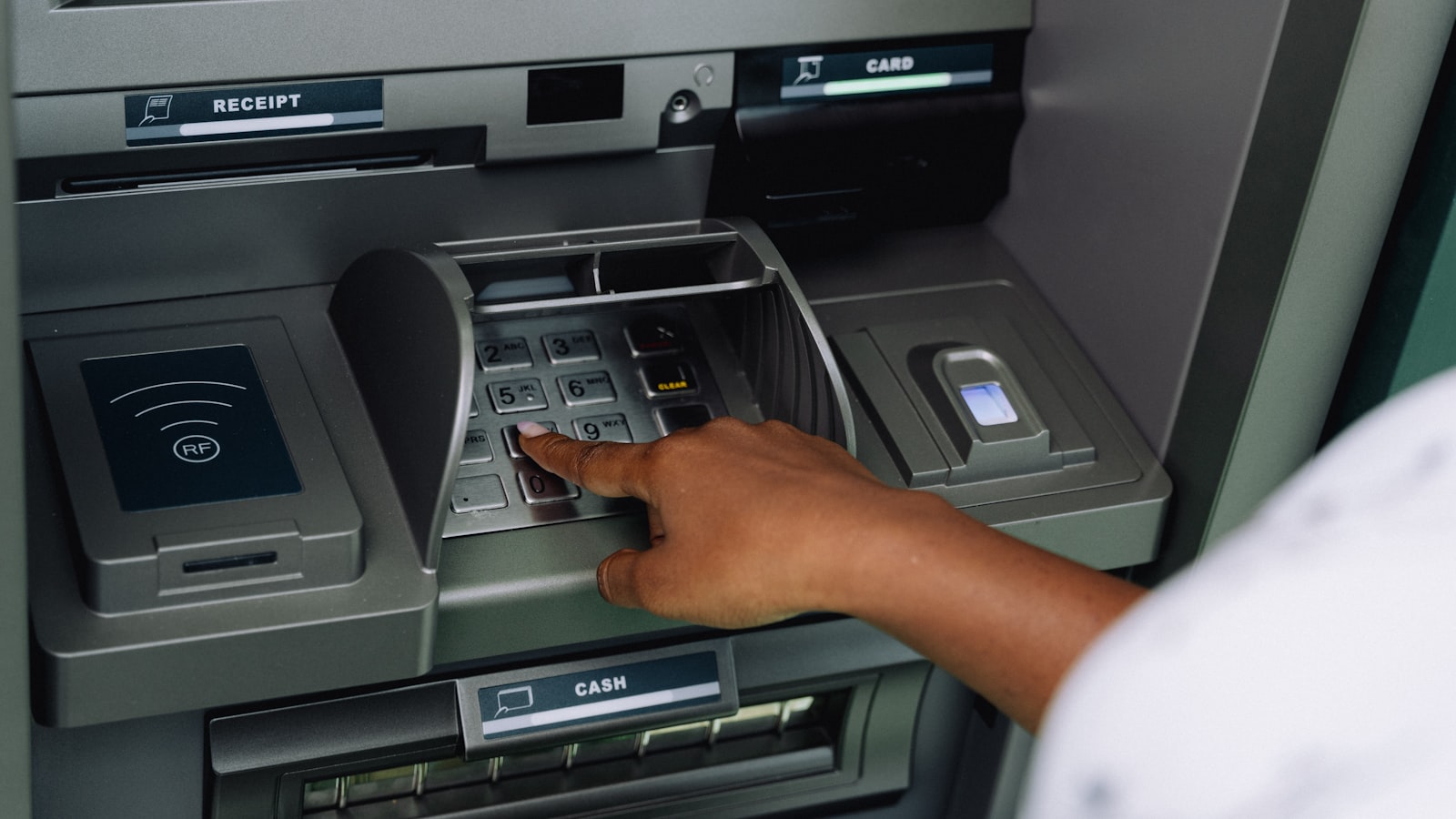
Using an ATM in China with a Foreign Card
ATMs in China for foreign cards — UnionPay, Visa and Mastercard networks, daily limits, fees, and what to do if your card won't work.
China runs on mobile payment, but cash is still useful — and your foreign card at an ATM is the simplest way to get it.
You don’t need a Chinese bank account to withdraw yuan. Almost every traveler can pull cash from an ATM in China with a foreign card if they know which machines to use. Here’s how to use an ATM in China with a foreign card, and what to expect.
The short answer
- UnionPay is the backbone of Chinese banking, but major bank ATMs in cities also accept Visa and Mastercard.
- Use Bank of China, ICBC, Agricultural Bank, or China Construction Bank ATMs — the most reliable for foreign cards.
- Expect a daily withdrawal limit and possible fees from both your home bank and the Chinese machine.
- Have a card with a chip and a 4–6 digit PIN, and enable international withdrawals before you fly.
How ATM networks work in China
China’s domestic network is UnionPay (银联), and the vast majority of ATMs and cards in the country run on it. Foreign Visa, Mastercard and other international cards are accepted at a much smaller set of machines. In practice:
- Bank of China ATMs are the most foreigner-friendly and are widely found across major cities.
- ICBC, Agricultural Bank, China Construction Bank and Bank of Communications also run many international-capable machines.
- Smaller banks and rural ATMs are often UnionPay-only — expect them to reject a Visa or Mastercard.
Where to find a working ATM
In Beijing, Shanghai and other big cities, look for:
- ATMs inside major bank branches — these are the most likely to accept foreign cards and to have English on the screen.
- ATMs in airports, big hotels and shopping malls — tourism-friendly locations usually have international-capable machines.
- Machines with a Visa, Mastercard or UnionPay international logo on the front; if you only see the UnionPay logo, assume it may not take your card.
If you’re in a smaller city, withdraw extra cash before you leave the big city, or ask your hotel where the nearest foreign-friendly ATM is.
Limits and fees
- Daily limits: many banks cap foreign-card withdrawals at a few thousand yuan per transaction and per day. The exact figure varies by bank and card issuer, so ask your home bank before you travel.
- Home-bank fees: check whether your card charges a foreign-transaction fee or an international-ATM fee. Some travel-focused cards charge neither.
- China ATM surcharge: the Chinese bank operating the machine may add a small fee for foreign cards. It’s usually modest, but it’s worth knowing before you take out ¥100 and see a deduction.
- Exchange rate: ATM withdrawals generally use the card network’s exchange rate, which is typically better than airport exchange counters — another reason the ATM is your best option for cash.
What to do if your card is declined
- Try a different ATM at another bank — one machine may just be offline.
- Check your PIN length; Chinese machines usually expect 4–6 digits, and very short or very long PINs can fail.
- Confirm international use is enabled on your card (some banks turn it off by default).
- Visit a bank branch counter during opening hours — tellers can often assist with foreign cards even when the ATM cannot.
- Keep a second card from a different network (say, one Visa and one Mastercard) as backup.
Currency and exchange
ATMs dispense Chinese yuan (CNY, ¥). If you need cash for small vendors, markets, or as a backup to mobile payment, withdrawing at an ATM is almost always better value than a hotel or airport exchange counter. The exchange rate comes from your card network, and any fees are itemized on your statement.
A note on mobile payment
Getting cash is easier than ever, but the daily reality in China is mobile payment — Alipay and WeChat Pay. Most visitors now set up Alipay with their foreign card for everyday spending and use cash and ATMs only as a backup. See our guide to paying in China for the full picture. Still, keeping ¥200–500 in small notes covers markets, taxis and any moment your phone dies.
Before you go
- Tell your bank you’re traveling, and confirm international ATM access is on.
- Check your card’s fee schedule and daily limit.
- Note the nearest major bank branches in the cities you’ll visit.
- Carry one or two backup cards from different networks.
Last updated: August 2026. Network acceptance, limits and fees vary by bank and change over time — confirm before you go.
Frequently Asked Questions
Can I withdraw cash from an ATM in China with a Visa or Mastercard?
Usually yes in big cities. Bank of China, ICBC and other major banks operate ATMs that accept Visa and Mastercard, and many newer machines accept UnionPay, Visa and Mastercard on one screen. In smaller towns, ATM coverage for foreign cards is thinner, so plan ahead.
Do all ATMs in China accept foreign cards?
No. UnionPay is the dominant network, and a large share of ATMs are UnionPay-only. Look for ATMs with the Visa, Mastercard or '银联' international signs, or head to a major bank branch where international support is more common.
What is the daily withdrawal limit for foreign cards?
Limits vary by bank and by card issuer, but a single transaction is commonly capped at a few thousand yuan and daily totals also apply. Check with your home bank before you travel, and withdraw a little more than you think you need in cities where ATMs are plentiful.
Will I be charged fees to use an ATM in China?
Possibly twice: your home bank may charge a foreign-transaction or international-withdrawal fee, and the Chinese bank operating the ATM may add a small surcharge for foreign cards. Rates vary, so check your card's fee schedule — some travel cards have no foreign ATM fees.
What should I do if my card is declined?
Try a different ATM at another bank first — a single machine may just be having network trouble. Check your PIN length (Chinese machines generally expect 4–6 digits), confirm international use is enabled on your card, and consider withdrawing at a bank branch counter during opening hours if ATMs keep failing.