
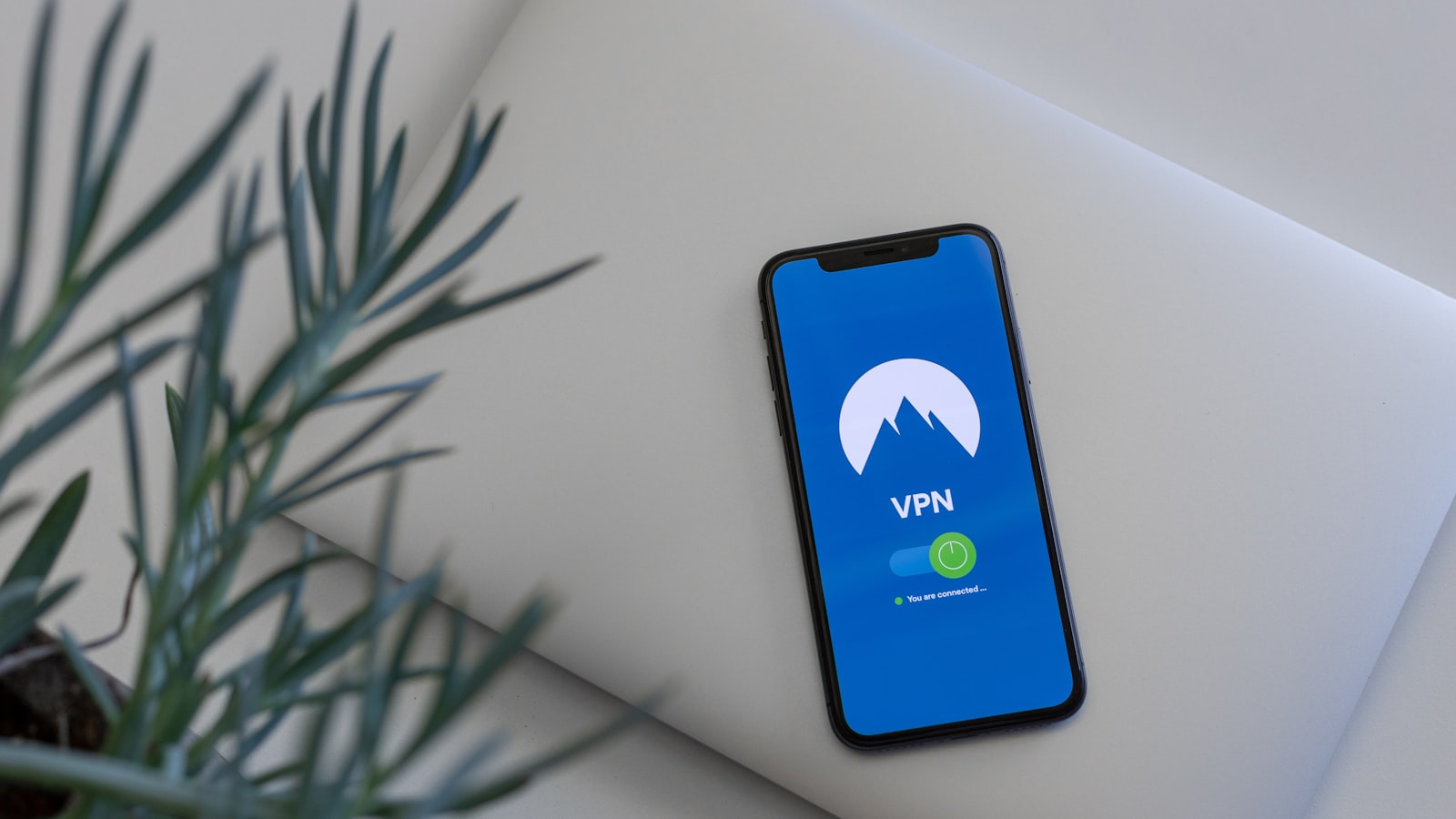
VPN vs eSIM for China: Which Do You Actually Need? (2026)
VPN or eSIM for China — the honest comparison: which keeps Google, WhatsApp and Instagram working, when each is enough, and the strategy that covers both.
The question every traveler asks before China: VPN or eSIM? The honest answer is that they’re not the same tool — and most trips are best served by a roaming eSIM first, with a VPN as backup. Here’s the comparison that decides it.
China’s internet blocks Google, WhatsApp, Instagram, Facebook, YouTube and more. Two tools fix this, and travelers constantly confuse them. A VPN changes how your traffic is routed from your device; an eSIM changes where your data comes from. They overlap, but they solve different problems — and knowing the difference determines whether your trip goes smoothly.
The core difference
| Roaming eSIM | VPN | |
|---|---|---|
| What it does | Provides data, routed via your home carrier | Reroutes your traffic to bypass blocks |
| Fixes blocked apps | Usually, automatically | Yes, on any network |
| Works on hotel Wi-Fi | No (that’s Wi-Fi, not mobile data) | Yes |
| Works on local SIM | No | Yes |
| Works on laptop | No | Yes |
| Setup | Install before you fly | Install before you fly |
| Cost | One-time data package | Monthly subscription |
The key insight: the eSIM fixes the blocked apps by avoiding China’s network for your data; the VPN fixes them by bypassing the blocks directly, regardless of which network you’re on.
How a roaming eSIM fixes the problem
A roaming eSIM connects to a Chinese carrier for signal, but routes data through your home carrier’s network. Your traffic enters China already “coming from outside,” so the blocks don’t apply to the same traffic — Google, WhatsApp and Instagram generally just work.
- Install before you fly. See our eSIM guide for picks.
- Great for phones; the most popular app fixes itself.
- The catch: it doesn’t help on Wi-Fi (hotel Wi-Fi is still China’s network) and doesn’t cover your laptop unless it has an eSIM.
How a VPN fixes the problem
A VPN creates an encrypted tunnel from your device to a server outside China. Websites and apps see the traffic as coming from that server, so the blocks don’t apply.
- Works on any connection: mobile data, hotel Wi-Fi, local SIM, anything.
- Covers every device you install it on — phone, tablet, laptop.
- The catch: it needs to be installed and tested before you fly, and not every VPN works reliably in China. See our VPN guide for what to look for.
The deciding questions
Ask yourself these three:
- Will I use hotel Wi-Fi or a local SIM? If yes, a VPN (or a plan to make it work) matters — the eSIM won’t cover those networks.
- Do I need Google/WhatsApp on a laptop? A VPN is the practical way; a phone eSIM doesn’t reach it.
- How much do I want to spend and configure? The eSIM alone is the simplest path; adding a VPN is the most robust.
Your answers map to three profiles:
- Simple trip, phone-only → roaming eSIM alone is usually enough.
- Hotel Wi-Fi heavy, laptop user → VPN is the essential tool; add a data source.
- Everything, zero uncertainty → roaming eSIM for data + VPN as backup.
The ideal setup for most travelers
For the vast majority of visitors, the belt-and-suspenders combo costs little and removes all doubt:
- A roaming eSIM for your data — set up at home. This fixes your phone’s blocked apps automatically.
- A VPN installed on phone and laptop — set up and tested at home. This covers hotel Wi-Fi, local networks and any app that still won’t load.
Either tool alone gets most people through. Both together means you never think about it again mid-trip.
Two typical trips, walked through
To make the decision concrete, here’s how each setup plays out in practice:
Trip A — phone-only, hotel Wi-Fi, two weeks. You use Google Maps, WhatsApp your family, and post to Instagram. Your roaming eSIM makes all three work on the street automatically. At the hotel, Wi-Fi is faster and free — but Google and WhatsApp won’t load on it without a VPN. If you’re happy using your eSIM data everywhere, you never notice. If you want free Wi-Fi at night, you’ll want the VPN.
Trip B — laptop user, local SIM, three weeks. You work a few hours a day, so you buy a cheap local SIM for data and use hotel Wi-Fi. A roaming eSIM would cost more than the data you actually use. Here the VPN is the essential tool — it’s the only thing that makes Google and WhatsApp work on both your local SIM and the hotel network, and the only thing that covers your laptop.
These two trips are why the question “VPN or eSIM?” has no single answer: the phone-only eSIM user barely needs the VPN, while the laptop-and-local-SIM user depends on it.
The combined setup, step by step
If you decide on both (the setup we recommend), here’s the order:
- Buy and install a roaming eSIM at home — this is your data connection. See our eSIM guide.
- Choose a China-proven paid VPN — not a free one. See our VPN guide.
- Install the VPN on phone and laptop — test everything at home. See our setup guide.
- Use the eSIM as your data default — your phone’s blocked apps mostly just work.
- Use the VPN for hotel Wi-Fi, laptops and anything that still won’t load.
Total cost is a one-time eSIM data package plus a few dollars a month for the VPN — and the only thing you spend on connectivity for the whole trip is that small setup.
A word on cost and value
The honest budget view: a roaming eSIM data package typically costs a few dollars for a week’s worth of data, and a good paid VPN runs $3–8 a month on a long-term plan. Together, that’s the entire connectivity cost of a China trip — and it buys you working Google Maps, WhatsApp and Instagram the whole way. Compare that to the cost of a missed train, an unreachable family member or a day of navigation without maps, and the setup pays for itself the first time it works. The alternative — a free VPN or no plan at all — saves a few dollars and risks the entire trip’s connectivity. See our free vs paid VPN comparison for the risk side of that trade.
What to skip
- A VPN without any data plan — the VPN only unblocks apps; you still need a connection (SIM, eSIM or Wi-Fi) to send traffic through it.
- A roaming eSIM as your only network — it’s more expensive per GB than a local SIM if you use a lot of data, and it can’t help with Wi-Fi-only situations.
- A free VPN for China — free VPNs are slower, more likely to be blocked, and some sell your data. See our free vs paid VPN guide for why.
The bottom line
VPN and eSIM aren’t competing options — they’re complementary tools for different networks. The roaming eSIM is the best first purchase: it gives you data and usually fixes the blocked apps on your phone without any further setup. The VPN is the best backup: it covers hotel Wi-Fi, laptops and anything the eSIM misses. For most trips, the combination — eSIM for data, VPN for everything else — is the setup that just works.
Last updated: August 2026. Network conditions and VPN availability change — verify current guidance before your trip.
Frequently Asked Questions
Do I need both a VPN and an eSIM for China?
Not necessarily — but together they're the bulletproof setup. A **roaming eSIM** (data routed through your home carrier) usually makes Google, WhatsApp and Instagram work on its own, with no VPN needed. A **VPN** adds a backup that also covers hotel Wi-Fi and local networks. Most travelers are fine with the eSIM alone; the VPN is insurance for the networks the eSIM can't reach.
Which is better for China: VPN or eSIM?
For most tourists, the **roaming eSIM is the better first purchase** — it's simpler, gives you data, and sidesteps the blocks automatically because traffic enters through your home network. A **VPN is the better universal tool** because it works on any connection (hotel Wi-Fi, local SIM, shared networks) and covers every device. The honest answer is that they do different jobs, and the ideal trip has both.
Will a roaming eSIM work without a VPN in China?
Usually yes for the apps travelers care about most. Because a roaming eSIM routes data through your home carrier's network before it reaches China's, services like Google, WhatsApp and Instagram generally load normally. It's not guaranteed for every app or every network condition, which is why a VPN as backup removes the uncertainty.
When is a VPN essential in China?
A VPN becomes essential when: you're **on hotel Wi-Fi** (the eSIM's home-network routing doesn't apply to Wi-Fi), you **use a local SIM**, you need access on a **laptop**, or a specific app/service still won't load even on your eSIM. If any of these describes your trip, plan for a VPN in addition to your eSIM.
Can I use a VPN without an eSIM in China?
Yes — a VPN works over any connection, including a local SIM, hotel Wi-Fi or a foreign roaming plan. You'll need one that actually works in China and is installed before you land. See our [VPN guide](https://chinotrips.com/how-to/vpn-china/) for how to choose. You'll still need data, though — the VPN only unblocks apps, it doesn't provide the connection.
Which do I need if I'm only in China for a few days?
For a short trip, the **roaming eSIM is usually enough on its own** — set it up at home, and Google, WhatsApp and Instagram will likely just work on your phone. If you'll use hotel Wi-Fi or a laptop at all, add a VPN as backup. For a three-to-five-day city trip, the eSIM alone is the simple, sufficient answer in most cases.
What's the cheapest way to stay connected in China?
The cheapest reliable setup is a **local SIM or local eSIM for data** (cheapest per GB) plus a **VPN for the blocked apps**. The simplest is a **roaming eSIM alone**. A roaming eSIM costs more per GB but removes the VPN need for most people. Compare our [SIM vs eSIM guide](https://chinotrips.com/how-to/china-sim-vs-esim/) for the data-side options.