
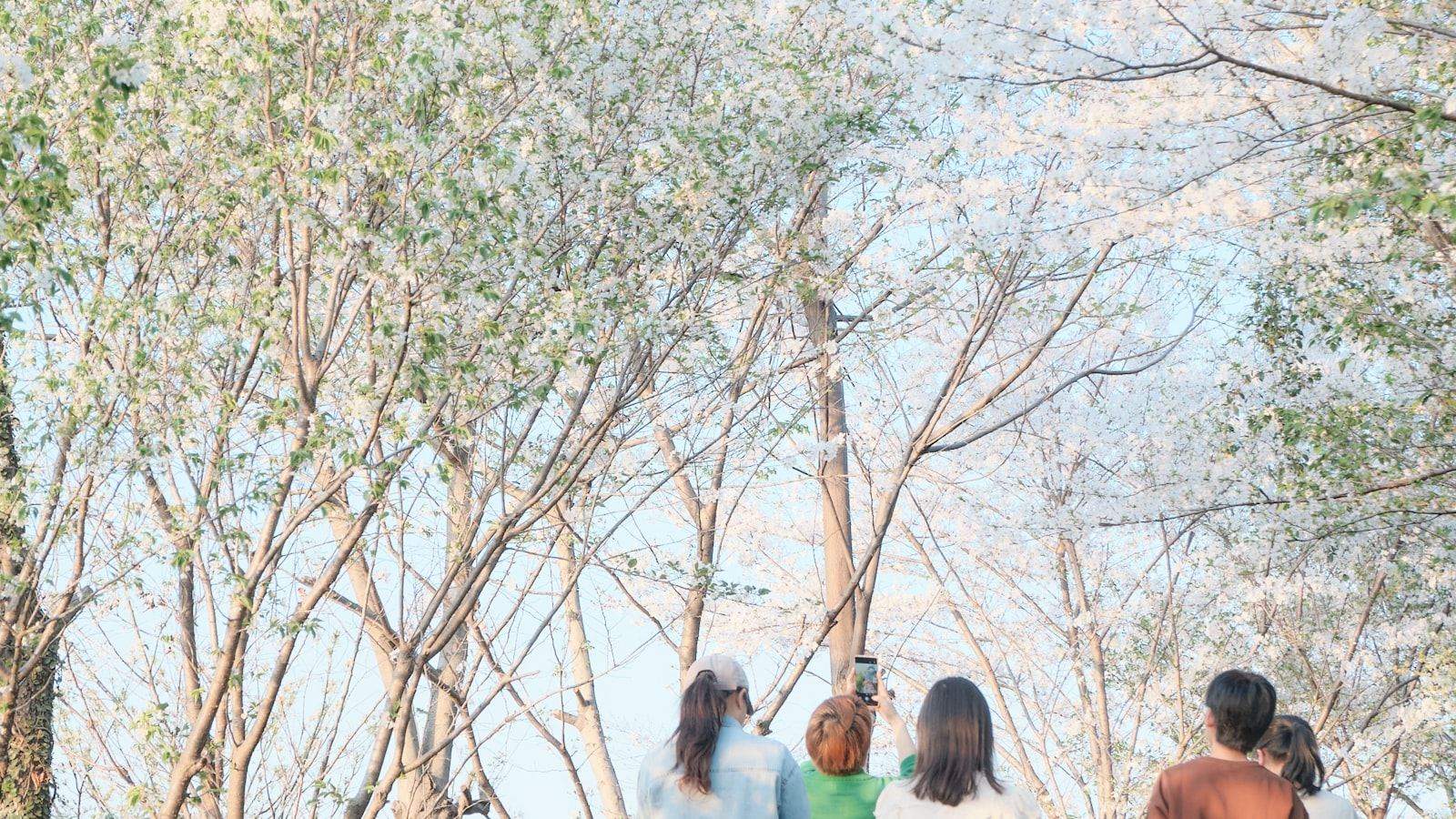
Spring Blossom Route: 7 Days Chasing China's Flowers (2027)
A 7-day spring itinerary that follows the cherry, peach and plum blossoms across China — from the south's early blooms to the north's later season.
China’s blossom season moves northward — and a well-timed route can follow the peak from city to city. Here’s a 7-day plan that chases the cherry, peach and plum blooms across eastern and central China.
China’s spring blossom season is short and shifts with the weather — but that’s also its gift: the bloom moves roughly south to north, so a flexible itinerary can follow the peak. This route strings together four of the best blossom cities, each with a different setting, into one spectacular spring journey.
The route: Shanghai → Wuxi → Nanjing → Wuhan
- Shanghai (late March) — Gucun Park and the city parks.
- Wuxi (late March–early April) — the Taihu cherry valley.
- Nanjing (early April) — blossoms along the ancient city wall.
- Wuhan (early April) — the iconic university and East Lake.
High-speed rail connects all four, and the line follows the bloom’s northward progress.
Day-by-day plan
Days 1–2 — Shanghai:
- Day 1: Arrive; Gucun Park or a city park for the blossoms; the Bund.
- Day 2: The French Concession; the riverside.
Day 3 — Wuxi:
- Day 3: Rail to Wuxi; the Taihu cherry valley and the lake.
Day 4 — Nanjing:
- Day 4: Rail to Nanjing; the blossom avenue along the city wall and Xuanwu Lake.
Days 5–7 — Wuhan:
- Day 5: Rail to Wuhan; the Yellow Crane Tower and riverfront.
- Day 6: Wuhan University blossoms (booked, early) and East Lake.
- Day 7: A relaxed morning, then the return.
Chasing the bloom
- Watch the forecasts — the peak moves with the weather.
- Keep dates flexible — a day or two either way makes the difference.
- Use the rail to adjust — spend more time where the bloom is at its best.
- Book the icons early — Wuhan University needs timed entry.
See our blossom guide and blossom itinerary for the details.
The spring food
- Shanghai: xiaolongbao, shengjianbao.
- Wuxi: Taihu fish and the region’s sweet dishes.
- Nanjing: salted duck and the old-town snacks.
- Wuhan: the legendary re’ganmian breakfast.
Practical notes
- Book hotels and timed entry ahead — blossom season fills.
- Set up Alipay and an eSIM.
- Pack layers and a light waterproof — spring changes fast.
- Go to the blossoms at opening time.
The bottom line
This route chases China’s blossom season across four cities, following the bloom’s northward progress and capturing its variety — city parks, lake valleys, ancient walls and the iconic campus. It’s a spectacular spring journey that works even if the timing shifts. Book early, stay flexible, and chase the flowers.
Why this route works
The south-to-north line works with the bloom: Shanghai and Wuxi bloom first (late March), Nanjing follows (early April), and Wuhan peaks around the same window but is the most famous. Each stop adds a different blossom setting — city parks, a lake valley, ancient walls and the iconic campus. And the high-speed rail makes chasing the peak genuinely easy — you can shift a day to follow the bloom.
A realistic budget
The route is moderate. Rough guidance for planning (per person, CNY, and prices change): trains between the four cities ¥100–250 per leg; hotels ¥150–400 per night, with spring booking advised; blossom spots mostly free or modest entry (Wuhan University’s timed entry is cheap); food is affordable across the stops. The main cost is accommodation during the busy blossom window — book a week or two ahead.
Handling the bloom timing
The single biggest variable is the weather: a warm spring blooms early, a cold one delays it. The strategy: watch the forecasts in the weeks before travel, keep a flexible day in your schedule, and use the rail to adjust — spend more time where the bloom is at its peak. Even if you miss the exact peak at one stop, the route’s variety means you’ll catch the season somewhere.
Common mistakes to avoid
- Booking the icons late — Wuhan University needs timed entry; book early.
- Fixing your dates too rigidly — the bloom shifts; keep a day flexible.
- Underestimating the walking — the blossom spots are long strolls; wear good shoes.
- Packing only for warmth — spring changes fast; layers and a waterproof.
- Skipping the non-blossom sights — each city holds its own; don’t blossom-only it.
Extending the trip
Add Hangzhou after Shanghai for West Lake, or Huangshan for spring mountains. Both connect by rail and extend the spring journey. See our spring guide and classic itinerary for longer versions.
The honest takeaway
This route chases China’s blossom season across four cities, following the bloom’s northward progress and capturing its variety. It’s a spectacular spring journey that works even if the timing shifts — the cities hold up on their own, and the blossoms are the spectacular bonus. Book early, stay flexible, and chase the flowers.
The best time, city by city
Timing is everything on a blossom route: Shanghai is typically at its peak in the last week of March; Wuxi around the same window, with the Taihu valley at its finest; Nanjing in the first week of April; and Wuhan in the first half of April, the most famous and the busiest. Because the windows overlap, a flexible line lets you hit at least two peaks reliably. Watch the forecasts and shift a day or two to where the bloom is best.
Who this trip suits
This route is for blossom lovers (the whole point is the season), photographers (four very different blossom backdrops), and first-timers to eastern/central China (four great cities on one easy rail line). It’s less ideal for anyone who dislikes crowds or prefers deep stays in one city — for those, pick a single blossom city and give it three days instead.
The culture along the way
Each stop has a cultural layer beyond the blossoms: Shanghai’s mix of old and new, Wuxi’s Taihu Lake traditions, Nanjing’s deep history (one of China’s great old capitals), and Wuhan’s river-city energy and legendary breakfast. The blossoms are the thread, but the culture is the substance — and the route weaves through some of eastern China’s most interesting cities.
A note on the photography
The best blossom shots on this route come from timing and setting: early morning for the parks and walls (soft light, fewer people), the blossoms against contrast (the ancient wall, the lake, the old architecture), and the fallen petals on the paths. Each city offers a different frame — city park, lake valley, wall avenue, campus — so the route is a photographer’s dream.
The honest final word
This route is built for the season’s short window and rewards flexibility. Even when the bloom timing shifts, the four cities hold up as a spring journey through eastern and central China — and when it lands on the peak, it’s unforgettable. Book early, watch the forecast, and chase the flowers. Enjoy the flowers! The blossoms are waiting — go chase them! Enjoy! Now!
Bloom times vary yearly. Watch forecasts and keep dates flexible.
Timing the bloom
Cherry blossom season is short and shifts by a week or two each year, so follow forecasts rather than fixed dates. The bloom moves south to north — Wuhan and Shanghai peak in late March, Beijing and the north in early to mid-April. Book flexible transport, plan to chase the bloom, and keep a backup destination in case you arrive between peaks.
Frequently Asked Questions
What's the best route to follow the blossoms?
A south-to-north line works with the bloom: Shanghai and Wuxi (late March), then Nanjing (early April), then Wuhan (the famous peak). Each stop adds a different blossom setting — city parks, the Taihu cherry valley, the ancient walls, and the iconic university campus. Watch forecasts and shift days to the peak.
How do I chase the bloom effectively?
The key is flexibility: watch the bloom forecasts in the weeks before travel, keep your dates open by a day or two, and use the rail to spend more time where the bloom is at its peak. The blossom season moves roughly south to north, so a well-timed line follows it naturally.
Is this route good beyond the blossoms?
Yes — all four stops are rewarding in their own right: Shanghai's skyline, Wuxi's Taihu Lake, Nanjing's history and old town, and Wuhan's Yellow Crane Tower and food. Even if the bloom timing shifts, the route holds up as a spring city trip through eastern and central China.
How long do I need?
Seven days covers four stops comfortably — a day and a half each in Shanghai and Wuhan, a day in Wuxi, and a day in Nanjing, with the rail connections between. With less time, drop Wuxi and do the Shanghai–Nanjing–Wuhan triangle.
What should I not miss?
The iconic Wuhan University blossoms (book timed entry early), Nanjing's blossoms along the city wall, Wuxi's Taihu cherry valley, and Shanghai's Gucun Park. Each is a different take on the season, and together they capture China's blossom variety.