
China's Ancient Cities: Pingyao, Lijiang & Fenghuang Compared (2026)
China's most famous ancient walled towns — Pingyao, Lijiang and Fenghuang — compared for atmosphere, crowds, and how to choose. Plus the other great old towns.
China’s ancient cities — Pingyao, Lijiang and Fenghuang — are the country’s most famous windows into the past: complete Ming walls, cobbled lanes and riverside stilt houses. Here’s how to choose between them and plan the visit.
China preserves its past in a few extraordinary places — entire towns where the walls, lanes and buildings have stood for centuries. The three most famous are very different. Pingyao is the complete Ming dynasty walled city in the north. Lijiang is the UNESCO-listed maze of lanes at the foot of Yunnan’s snow mountains. Fenghuang is the stilt-house town above a river in the south. Each is a step back in time, and each is worth a visit. This guide helps you choose.
The big three, compared
- Pingyao (Shanxi) — the most intact ancient walled city in China. Full Ming circuit walls, the original street grid, and the merchant houses of the Shanxi trading dynasties. The complete ancient-town experience.
- Lijiang (Yunnan) — the UNESCO-listed old town: a maze of cobbled lanes, canals and Naxi culture, with snow mountains behind it. The most atmospheric and the most famous.
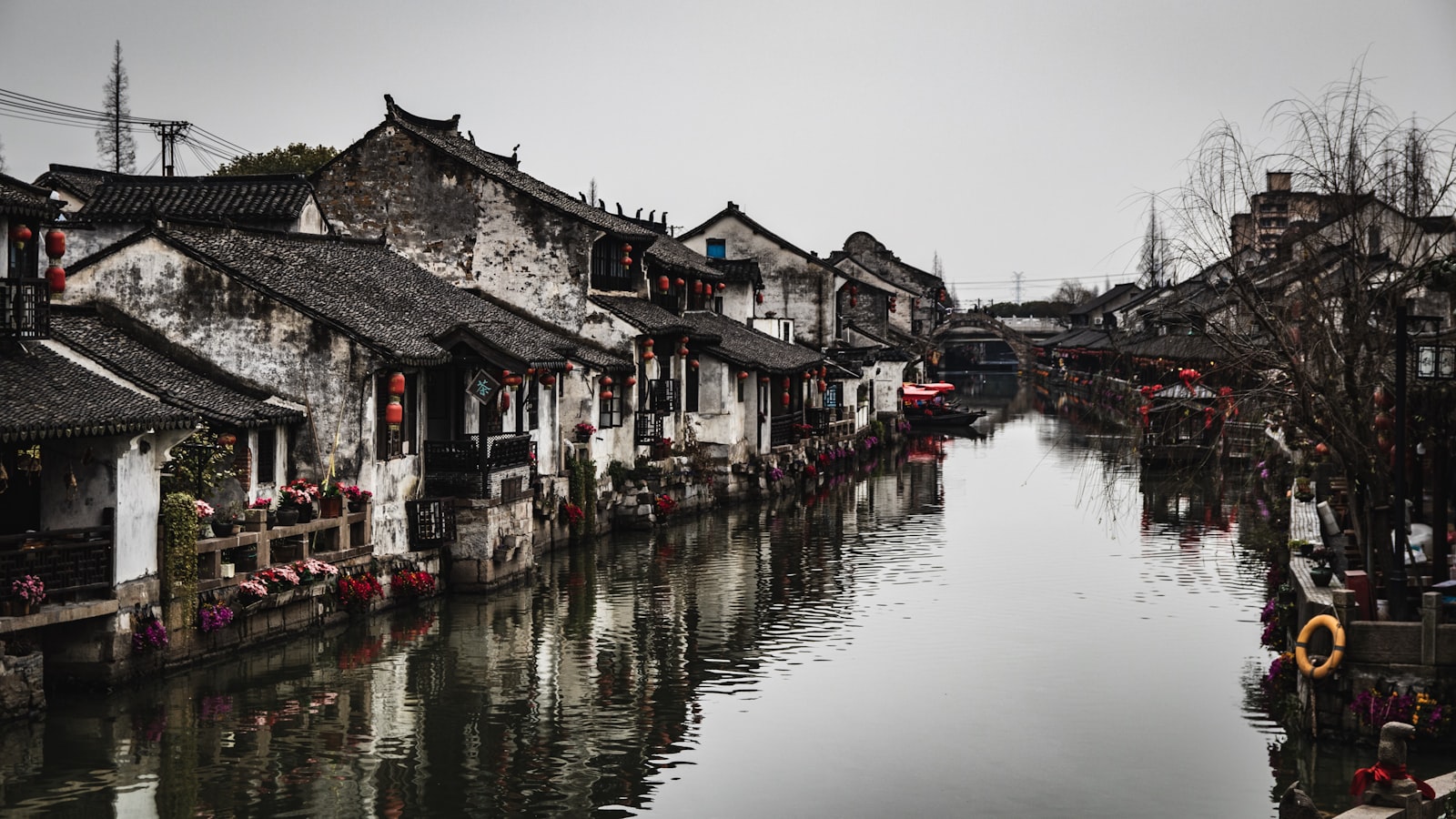
- Fenghuang (Hunan) — stilt houses rising above a river, with bridges and evening lights. The most photogenic and the most dramatic setting.
They share the old-China soul; the differences are the walls, the lanes and the river.
Choosing between them
- Want the most intact ancient city → Pingyao. The walls, the grid and the merchant history make it the definitive choice.
- Want the lanes and the mountains → Lijiang. The atmospheric, UNESCO-listed maze.
- Want the riverside setting → Fenghuang. The stilt houses and the river at dusk are unforgettable.
There’s no wrong choice. If you can visit two, Pingyao and Lijiang give the widest range — the northern walled city and the southern mountain town.
The rhythm of a visit
- Arrive late afternoon — the town’s character emerges as the day-trippers thin.
- Wander at night — the lanterns and the empty lanes transform the old towns.
- Walk early morning — the quietest, most atmospheric hour, before the shops open.
- Stay overnight — a night inside the old town is the difference between a visit and a memory.
The crowds by day are the same everywhere; the magic is in the evening and the early morning.
When to go
- Spring and autumn are ideal — mild weather and good light for all three.
- Summer is hot and busy; mornings and evenings are best.
- Winter is quiet and atmospheric — mist over the lanes and the river, few visitors.
The ancient cities are beautiful year-round; the seasons change the mood more than the experience.
The big three, in more detail
- Pingyao — walk the full circuit of the Ming walls for the complete view; visit the Rishengchang (China’s first bank) and the merchant mansions; stay overnight for the lantern-lit streets. It’s the most intact — the walls, the grid and the buildings all read as a real ancient city, not a preserved district.
- Lijiang — follow the canals and the cobbled lanes through the old town; see the Mu palace and the Naxi culture; look up at the snow mountains at every turn. It’s the most atmospheric — the maze of lanes, the water channels and the mountain backdrop make it the most photogenic of the three.
- Fenghuang — photograph the stilt houses from the riverbank at dusk; cross the covered bridges; wander the night lanes. It’s the most dramatic — the river, the stilt houses and the evening lights are an unforgettable sight.
Each is best at its own rhythm — and all three reward the early morning and the evening hours.
Choosing two
If your itinerary allows two ancient cities, the pairing that works best is Pingyao and Lijiang — they’re the two extremes of atmosphere. Pingyao gives the complete northern walled city, all walls and merchant history; Lijiang gives the southern mountain-town lanes and the canal maze. Together they span the range of what an ancient Chinese city can be. Fenghuang pairs naturally with a Hunan route around Zhangjiajie, making it the natural third.
What it costs
Rough guidance (per person, CNY, prices change): Pingyao — the combined old-town ticket about ¥120–150; Lijiang — entry and the key sites about ¥100–150; Fenghuang — town entry and the key sites similar; overnight in the old towns ¥200–800 a night; meals ¥40–80. A 1–2 day visit with an overnight typically runs ¥400–800 per person. The old towns are affordable — the budget is the overnight inside the walls, which is the part worth spending on.
Visiting with children
The ancient cities are family-friendly in different ways. Pingyao delights children with its walls — walking the full circuit feels like a castle adventure, and the old banking houses are curious and memorable. Lijiang is a maze that children enjoy exploring, with the canals, the bridges and the food at every turn. Fenghuang is the most dramatic for kids — the stilt houses and the river are a picture-book scene. All three are flat, walkable and safe, with plenty of stops for food and rest. A morning of exploring and an evening by the lights is a gentle, memorable family day.
The history, briefly
The ancient cities are windows into different chapters of Chinese history. Pingyao preserves the world of the Shanxi merchants — the trading dynasties whose banks and businesses dominated the north in the 19th century, when China’s first banks were founded here. Lijiang preserves the culture of the Naxi people, an ethnic minority with its own language and traditions, layered over centuries of the old trading town. Fenghuang grew around the riverside life of the south, the stilt houses and bridges a response to the river itself. Knowing the chapter behind each town makes the walking richer — the streets you’re on once carried the merchants, the craftsmen and the river life of an entire era, and the buildings you pass are their surviving homes.
Practical notes
- Reach — Pingyao is about 1.5 hours from Taiyuan or a rail hop from Xi’an; Lijiang is a Yunnan route staple with its own airport; Fenghuang is reachable by rail from Changsha or Zhangjiajie.
- Book ahead — the popular towns fill in holidays; book accommodation inside the walls early.
- Set up before you go — Alipay and an eSIM for tickets and payment.
- Wander off the main street — the famous lanes are busy; the character is in the side alleys and the quiet corners.
The bottom line
China’s ancient cities are the country’s most complete windows into the past — Pingyao’s Ming walls, Lijiang’s cobbled lanes under the snow mountains, and Fenghuang’s stilt houses above the river. Each rewards a day or two, an overnight inside the walls, and the early-morning and evening hours when the crowds thin and the old towns reveal their true character. Pick the one that fits your route, stay a night inside the walls, and step back in time — it’s the closest thing to a time machine in modern China.
Last updated: August 2026. Access and entry rules change — confirm current details before you go.
Frequently Asked Questions
What are China's most famous ancient cities?
The big three are **Pingyao** (the Ming dynasty walled city in Shanxi, the most intact in China), **Lijiang** (the UNESCO-listed old town in Yunnan, with its lanes and snow mountains) and **Fenghuang** (the stilt-house riverside town in Hunan, the most photogenic). Beyond them, **Dali, the water towns and many more** offer the same old-China atmosphere with different characters. Each is a step back in time.
Which ancient city should I visit?
Choose **Pingyao** for the most intact ancient walls and the sense of a complete Ming dynasty city — a step into the past like nowhere else. Choose **Lijiang** for the lanes, the snow mountains and the UNESCO atmosphere. Choose **Fenghuang** for the riverside stilt houses and the most dramatic setting. All three reward 1–2 days; the choice is about which atmosphere you want.
Are the ancient cities touristy?
Yes — all of them are popular, and the main streets are busy with shops and visitors by day. The secret is the same everywhere: **the atmosphere changes dramatically at night and early morning**, when the crowds thin and the old town's true character appears. Go early, stay late, and wander away from the main street — the magic is in the quiet corners and the evening light.
How much time do I need in an ancient city?
**One to two days** is right for each. A day covers the main sites — the walls, the key lanes, a museum or two — and a second day lets you slow down and feel the place. If you're short on time, one overnight gives you the essential experience: an evening wander, a morning stroll, and the atmospheric hours in between.
What makes Pingyao special?
**Pingyao is the most intact ancient walled city in China** — the full Ming dynasty circuit walls, the old streets laid out on the original grid, and the merchant houses of the Shanxi trading dynasties. It feels like a complete ancient town rather than a preserved district. Climb the walls for the whole view, walk the old lanes, and stay overnight for the lantern-lit streets. It's the closest thing to stepping back 400 years.
What's the difference between Lijiang and the others?
**Lijiang** is the UNESCO-listed old town at the foot of the snow mountains — a maze of cobbled lanes, canals and Naxi culture, with the peaks rising behind it. It's the most atmospheric of the three, and the most famous. **Pingyao** is about the walls and the merchant history; **Fenghuang** is about the river and the stilt houses. Lijiang is the lane-and-mountain experience; the others are wall and river.
Can I visit these ancient cities on a China trip?
Yes — each fits naturally into a bigger itinerary. **Pingyao** pairs with the Shanxi area and Xi'an's region. **Lijiang** is part of the classic [Yunnan route](https://chinotrips.com/itineraries/yunnan-classic-route/), near Dali and the mountains. **Fenghuang** works with a Hunan trip around [Zhangjiajie](https://chinotrips.com/zhangjiajie/). Each is easy to reach by rail or flight from the regional hub, and each is worth the detour.