
Three Gorges Cruise: The Complete Guide (2026)
Cruising the Yangtze's Three Gorges — the route from Chongqing to Yichang, the gorges and the dam, choosing a ship, cabins and the practical plan.
OpenStreetMap Google Maps (opens externally)
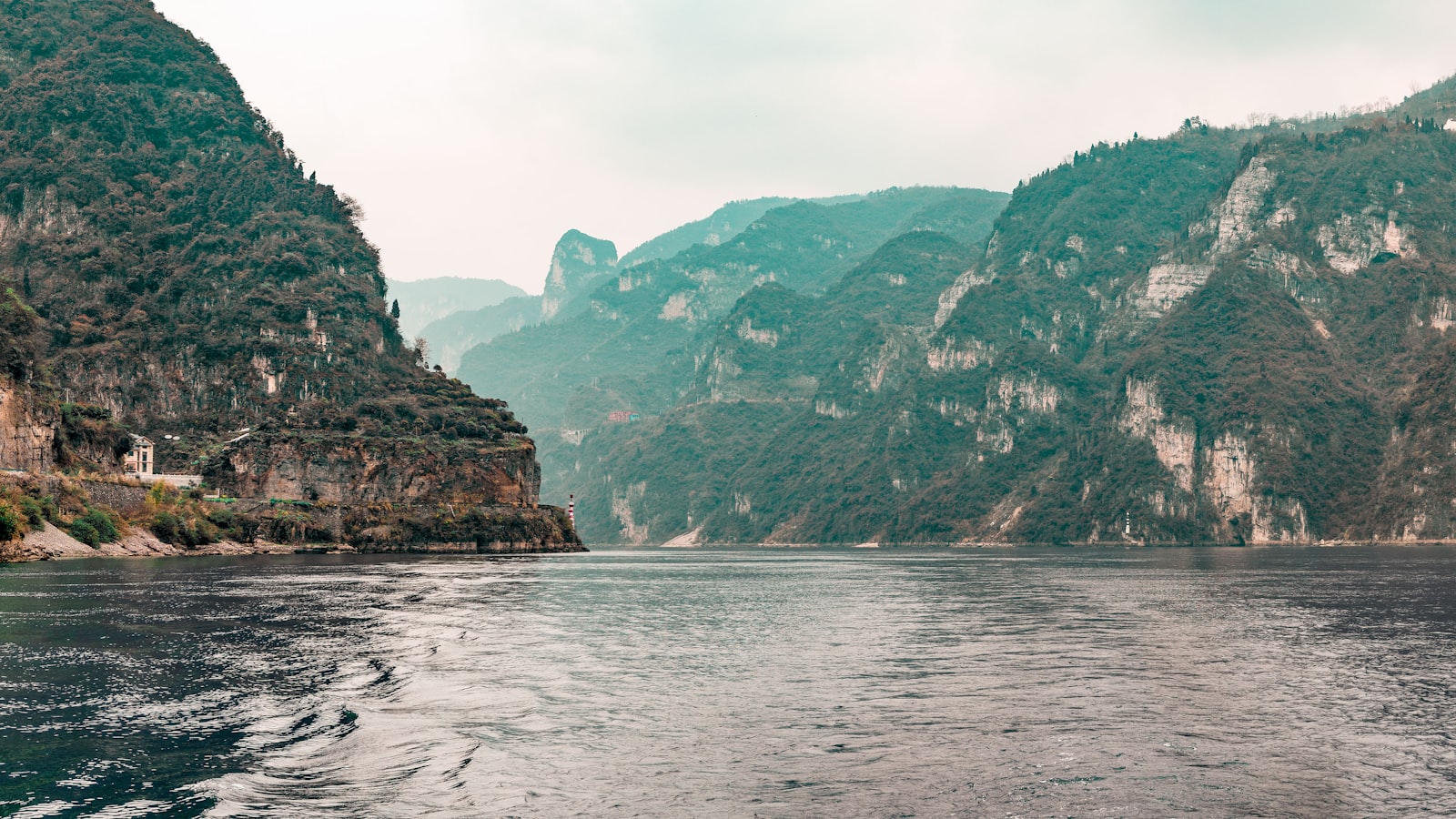
Cruising the Yangtze’s Three Gorges is one of the great river journeys of China — 3–4 days through the dramatic canyons, past the cliff villages and through the world’s largest dam. Here’s the complete guide.
The Yangtze has carried China’s history for millennia, and the Three Gorges — the three great canyons where the river cuts through the mountains between Chongqing and Yichang — are its most dramatic passage. Cruising them is a classic of Chinese travel: the ship glides through the towering cliffs of Qutang, the winding beauty of Wu, the length of Xiling, and on through the world’s largest dam. It’s a relaxing, scenic and genuinely memorable journey. This guide covers the route, the ships and the practical plan.
The route
- Chongqing to Yichang — the standard downstream cruise, about 3–4 days.
- The three gorges — Qutang (dramatic), Wu (beautiful), Xiling (long).
- The shore excursions — the side streams and the villages along the way.
- The dam — the passage through the world’s largest hydroelectric dam.
The route is the heart of the trip — three days of the Yangtze’s greatest scenery.
The gorges, in turn
- Qutang Gorge — the shortest and most dramatic; the towering cliffs at the entrance.
- Wu Gorge — the most beautiful; over 40 km of winding canyon with the famous peaks.
- Xiling Gorge — the longest; leading to the dam and the modern river.
Each gorge has its character, and the ship passes through all three in a single journey.
The shore excursions
- The Shennong Stream — the side stream with the rapids and the cliff walks.
- The villages and temples — the stops along the river.
- The Three Gorges Dam — the observation points and the museum.
- Included in the cruise — the excursions are part of the package.
The excursions break up the river days and add the deeper sights — the stream, the villages and the dam.
Choosing a ship and a cabin
- The ships — from the standard river boats to the premium and luxury vessels.
- The cabins — from the compact standard rooms to the suites with balconies.
- The quality varies — book through a reputable operator, and read the reviews.
- What’s included — the cabin, the meals and the excursions; the drinks and the extras are extra.
The ship is the trip — the choice of boat and cabin shapes the whole experience.
A day on board
A day on a Three Gorges cruise follows a relaxed, well-ordered rhythm that makes it one of the easiest ways to travel in China. You wake to the river sliding past your window, breakfast is served in the dining room, and the morning brings the first scenic passage or a shore excursion. Lunch, an afternoon of viewing from the deck as the gorges narrow and open, and a second excursion or an evening briefing follow. Between the scheduled activities there is plenty of unstructured time — sitting on the sun deck watching the banks go by is one of the genuine pleasures of the trip, and most travelers end up doing more of it than they expected.
- The sun deck — the open top deck and the best viewing spot; find your spot early for the gorge passages.
- The meals — buffet-style dining with Chinese and Western options, included in the fare.
- The excursions — the side streams and the dam, led by the ship’s guides and included in the package.
- The evenings — the briefings and the shows, and early nights before the early scenic passages.
The cruise is as much about the rhythm as the scenery — the unhurried pace is part of what makes it special.
The story of the gorges and the dam
The Three Gorges have been the great passage of Chinese history for more than two thousand years. Before the railways and the roads, the Yangtze was the artery of the nation, and the gorges its most celebrated stretch — the cliffs and the mist written into Tang poetry, most famously by Li Bai, whose verse about sailing through the gorges is among the most quoted lines in Chinese literature. Below the poets’ cliffs, generations of boat trackers hauled the junks upstream by rope along the banks, a brutal trade that lasted into the twentieth century.
The modern chapter is the Three Gorges Dam. Completed in 2006, it is the world’s largest hydroelectric project, and its reservoir raised the river by more than a hundred meters in places, deepening the gorges and flooding the old towns and the rapids. The cruise you take today travels a river transformed — the scenery still dramatic, but the water gentler and the navigation easy.
- The poets and the passage — the gorges immortalized in Tang poetry; the river as China’s great artery.
- The trackers — the boatmen who hauled the junks upstream before the engines and the dam.
- The dam — the world’s largest hydroelectric project, finished in 2006.
- The change — the rising water deepened and quieted the gorges; the cruise rides the transformed river.
Understanding the story — the poets, the trackers, the dam — turns the scenery into something much deeper.
Budget and what it costs
The cruise is a package, and that makes budgeting straightforward. The headline fare covers the cabin, the meals and the listed shore excursions, so there are few surprises once you are on board. The main decision is the ship and the cabin class, and the range is wide.
- Standard cruises — roughly ¥1,500–3,000 per person for the 3–4 day downstream route, including the meals and the excursions.
- Premium and luxury ships — ¥3,000–6,000 and above, for the larger cabins, the balconies and the higher level of service.
- Included — the cabin, the buffet meals and the listed excursions at the stops.
- Extra — the drinks, the tips, the optional excursions and the souvenir photos.
Set aside a little for the extras, and the cruise becomes a remarkably full-value trip — the accommodation, the food and the transport of the scenery all bundled into one fare.
Before and after: Chongqing and Yichang
The cruise is a river journey, but its bookends are two of the most interesting cities of central China, and both reward a day or two of their own. Chongqing, where the Yangtze meets the Jialing, is the dramatic mountain city built on the cliffs above the rivers — famous for the steaming hotpot that fills its streets at night, and for the cable car and the old neighborhoods of the hill city. Yichang, where the cruise ends, is the quieter river town that grew up around the dam, with the modern Three Gorges project and the riverfront parks.
- Chongqing — the mountain city at the confluence; the hotpot capital and the cliff-top views.
- Yichang — the quieter river city at the end of the cruise, by the dam.
- Connecting onward — high-speed rail links both cities to the national network.
- Combining the trip — a day in Chongqing before the cruise, and onward travel after Yichang.
Bookended by two very different cities, the river journey becomes the centerpiece of a wider trip across China’s heartland.
Practical notes
- Best season — spring and autumn for the best weather; the river is busy in the summer holidays.
- Book ahead — the good ships and cabins fill, especially in season.
- Get connected — set up Alipay and an eSIM for the ports and the connections.
- The endpoints — Chongqing at the start, Yichang at the end; both connect onward by rail and flight.
The bottom line
The Three Gorges cruise is one of the great river journeys of China — 3–4 days through the Yangtze’s most dramatic gorges, past the villages and the cliffs, and through the world’s largest dam. Choose your direction (downstream is the classic), your ship and your cabin, book ahead, and drift through the heart of China in comfort.
Last updated: August 2026. Ships, routes and prices change — confirm current details before you go.
Frequently Asked Questions
What is the Three Gorges cruise?
It's the classic **Yangtze River cruise** between Chongqing and Yichang, passing through the three great gorges of the upper Yangtze: **Qutang**, **Wu** and **Xiling**. Over 3–4 days the ship carries you through the dramatic canyon scenery, past the side streams and the cliff villages, and through the **Three Gorges Dam** — the world's largest. It's one of the great river journeys of China, and a relaxing, scenic way to cross the country's heartland.
Which direction should I cruise?
**Downstream (Chongqing to Yichang)** is the standard choice — faster (about 3–4 days) and the most popular. **Upstream (Yichang to Chongqing)** takes longer (4–5 days) because the ship works against the current, but some travelers prefer it for the pacing. The route and the gorges are the same either way; the downstream is the efficient classic, and it's what most first-timers choose.
How much does a Three Gorges cruise cost?
Rough guidance (per person, CNY, prices change): **standard cabins** ¥1,500–3,000 for the 3–4 day cruise including meals; **better cabins and the premium ships** ¥3,000–6,000; **the luxury ships** higher still. The price includes the cabin, the meals and the shore excursions at the stops. It's a full-value cruise — the accommodation, the food and the excursions are all included, and the scenery is world-class.
What are the gorges like?
Each of the three gorges has its own character: **Qutang** is the shortest and most dramatic, with the towering cliffs at the entrance; **Wu** is the most beautiful, winding for over 40 km with the famous twelve peaks; **Xiling** is the longest, leading to the dam and the modern river. The cruise passes through all three, with the shore excursions at the side streams (the Shennong Stream) and the dam as the highlights.
Is the Three Gorges Dam worth visiting?
Yes — the **Three Gorges Dam** is the world's largest hydroelectric dam, and the cruise's shore excursion visits the observation points and the museum. It's an extraordinary feat of engineering, and the scale is genuinely impressive. It's also the point where the river changes from the gorges to the modern waterway. Even for those not drawn to engineering, the dam and the story behind it are a highlight of the trip.
Is the cruise good for families and older travelers?
Yes — the cruise is one of the most relaxed ways to travel in China, and it suits families and older travelers alike: no packing and unpacking each day, the meals and the excursions handled, and the scenery coming to you. The shore excursions involve some walking (the Shennong Stream, the dam), but the pacing is gentle. It's a comfortable, easy way to see a dramatic landscape.
What should I know before booking?
Book **through a reputable operator** (the ships range from basic to luxury, and the quality varies); choose your cabin class; confirm what's included (meals, excursions); and check the season — spring and autumn are the best weather, and the river is busy in the summer holidays. The cruise ends at Yichang, from where it's easy to connect onward — see our [first-timer itinerary](https://chinotrips.com/itineraries/china-first-timer-itinerary/) for the wider trip.