
Xinjiang Beyond Urumqi: Kanas & the Ili Valley (2026)
Deep Xinjiang — the Kanas lake and forests in the far north, the Ili valley's grasslands, and the practicalities of traveling China's biggest and most remote region.
OpenStreetMap Google Maps (opens externally)
Deep Xinjiang is a different China — the forested lake of Kanas in the far north, the green grasslands of the Ili valley, and the vast distances of the country’s largest region. Here’s the guide to going deep.
Xinjiang is China’s largest and most remote region — and its western and northern reaches hold some of the country’s most beautiful, least-seen landscapes. Kanas, in the far north, is the wild heart: the turquoise lake in the forested mountains, golden in autumn. The Ili valley in the west is the green grassland country, where the meadows roll toward the mountains and the border. Both are journeys into a China very different from the east — and both reward the traveler who goes.
Kanas: the far north
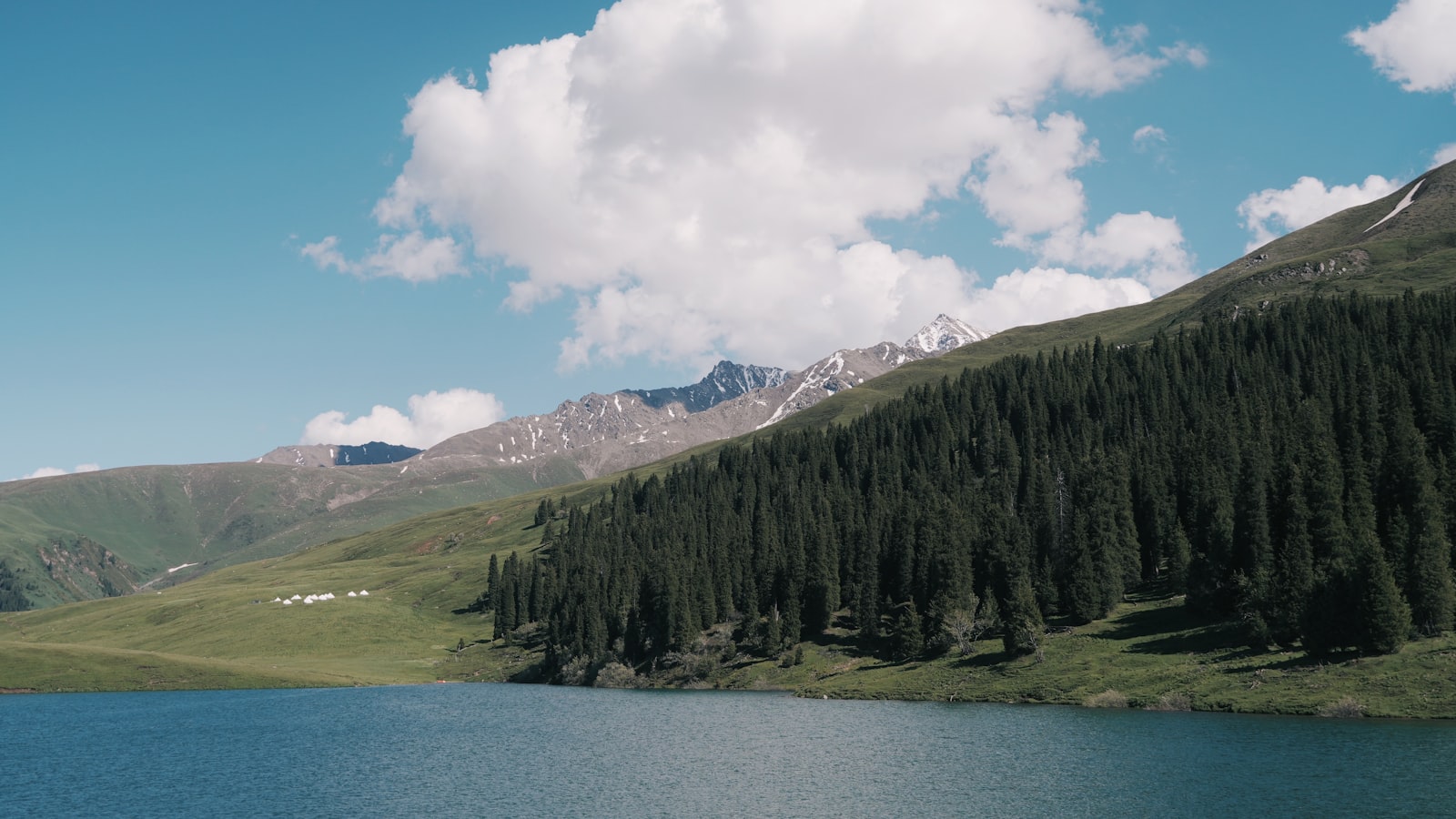
- The lake — turquoise, set in the forested mountains of the far north.
- The forests — golden in autumn, the classic photographic season.
- The villages — the herders’ settlements around the lake.
- The wild — a remote, uncrowded beauty few travelers see.
Kanas is Xinjiang’s wild heart — the lake and the forests in the country’s far north.
The Ili valley: the grasslands
- The green heart — the grasslands and the river valleys of western Xinjiang.
- The meadows — green in summer, with the herders’ flocks.
- Yining — the regional center, with the Central Asian feel.
- The mountains — the passes and the border country.
The Ili valley is the summer landscape — the grasslands of Xinjiang at their most beautiful.
The practical reality: distances and security
- The distances — Xinjiang is vast; the journeys between the regions are real.
- Flights and drives — the practical combination from Urumqi.
- The checkpoints — the routine security checks on the roads, part of travel in the region.
- The restrictions — some areas are restricted for foreigners; plan with a reputable operator.
Xinjiang’s scale and structure are part of the experience — plan the transport and the security into the trip.
Planning the trip
- A week for one region; ten days to two weeks for both.
- Flights to Kanas and Yining — then the drives for the landscapes.
- Summer for the grasslands — autumn for Kanas’ colors.
- Tours and drivers — the practical way through the remote regions.
The region rewards time and planning — the landscapes are remote, and the journeys are part of the reward.
Kanas in depth: the lake and the villages
Kanas is not a single viewpoint but a small region of lake, forest and mountain, and it rewards more than the standard stop. The lake itself is long and narrow, running north into the Altai mountains, and the walkways along its shore and the viewpoints above it give the classic views of the turquoise water against the spruce forest. Around the lake lie the villages of the Tuvan people — an ethnic group related to the Mongol peoples of Siberia, who live in the distinctive log cabins with the cone-shaped roofs and keep their herds in the forest clearings. Hemu village, the most famous, sits in a valley a short drive away and is famous for the autumn light on its roofs.
- The lake walks — the boardwalks and the viewpoints along the long, narrow lake.
- The Tuvan villages — the log-cabin settlements of the forest, home to a distinct ethnic culture.
- Hemu — the postcard village of the valley, golden in autumn.
- The hikes — the trails into the forest and the hillsides above the lake.
Most visitors base themselves at the villages around the lake, where the guesthouses and the small restaurants cater to the travelers of the region — the nights are quiet, the stars are enormous, and the mornings on the lake shore are the most beautiful hours of the trip.
The Ili valley: grasslands and lakes
The Ili valley in the west is a different landscape entirely — rolling grassland, river valleys and the mountains of the Kazakh border. Its signature sights are the summer pastures: Nalati and the surrounding grasslands, where the meadows roll green to the horizon and the herders’ yurts and flocks dot the slopes. Nearer Yining, Sayram Lake sits in a high basin at over 2,000 meters — a vast blue lake ringed by snow mountains and pasture, one of the most beautiful bodies of water in Central Asia. The valley’s towns have a distinctly Central Asian character, with the bazaars and the tea houses of the old Silk Road.
- Nalati and the grasslands — the rolling summer pastures, green and vast.
- Sayram Lake — the high alpine lake ringed by snow peaks, a drive from Yining.
- Yining — the regional capital with its bazaars and the Central Asian feel.
- The herders’ country — the yurts and the flocks on the summer meadows.
Food on the road
Xinjiang’s food is one of the great pleasures of the region, and it is very different from the cooking of eastern China. Lamb is the center of the table, grilled on skewers over open coals and roasted whole for feasts; the naan bread baked in the clay ovens is the daily staple; and the thick hand-pulled noodles (laghman) come with tomato-rich sauces and vegetables. Big plate chicken (dapanji) — a generous wok of chicken, potatoes, peppers and hand-pulled noodles — is the classic dish of the region, designed to be shared. The Uyghur teahouses and the evening markets are the places to eat.
- The lamb — the skewers and the roasts, the center of the table.
- Naan and laghman — the daily bread and the hand-pulled noodles of the region.
- Big plate chicken — the shareable wok dish, Xinjiang’s most famous meal.
- The markets and the teahouses — the Uyghur food culture, out on the street.
Planning the region
The practicalities of deep Xinjiang come down to time, transport and structure. Flights from Urumqi reach both Kanas (via the airport at Burqin) and Yining, and the drives from the airports to the landscapes are the scenic part. Distances are long and the road checkpoints are routine; traveling with a reputable operator or an experienced driver handles the structure. Summer (June–August) brings the greenest grasslands, autumn (September–October) the golden forests of Kanas — choose the season for the landscape you want to see.
- The flights — from Urumqi to Kanas and Yining, then drives for the scenery.
- The checkpoints — routine and smooth; part of the road travel in the region.
- Summer for the grass — June–August for the Ili meadows at their greenest.
- Autumn for the gold — September–October for the Kanas forests and the clear lake.
Practical notes
- Get connected — set up Alipay and an eSIM for the logistics.
- See our Xinjiang route for the region.
- Travel with a reputable operator for the remote areas — they handle the permits and the logistics.
The bottom line
Deep Xinjiang is a different China — the forested lake of Kanas in the far north, the green grasslands of the Ili valley, and the vast, remote distances of the country’s largest region. Give it a week or two, plan the flights and the drives, and go in summer for the green or autumn for the gold — and you’ll have seen the wild heart of China.
Last updated: August 2026. Access, security and conditions change — confirm current details before you go.
Frequently Asked Questions
What is there to see in Xinjiang beyond Urumqi?
The great regions of deep Xinjiang: **Kanas** in the far north — the forested lake and the surrounding mountains, Xinjiang's wildest and most beautiful landscape; **the Ili valley** — the green grasslands and the river valleys of the west, near the Kazakh border; and the other regions of the vast province. It's a China of forests, lakes and grasslands very different from the east. See our [Xinjiang route](https://chinotrips.com/itineraries/xinjiang-route/) for the wider picture.
Is Kanas worth the journey?
For those with the time, yes — **Kanas** is one of China's most beautiful landscapes: the turquoise lake set in the forested mountains of the far north, with the villages and the autumn colors (when the forests turn gold) among the finest in the country. It's a long journey from Urumqi (a flight plus a drive, or a long drive), and the region is remote — but the reward is a wild, uncrowded beauty that few travelers see.
What is the Ili valley?
The **Ili valley** is the green heart of western Xinjiang — the grasslands, the river valleys and the mountains near the Kazakh border, where the herders' meadows roll green in summer and the towns have a distinct Central Asian feel. **Yining** (the regional center) and the surrounding valleys are the base, and the grasslands and the passes are the reward. It's the summer landscape of Xinjiang at its most beautiful.
How do I get around deep Xinjiang?
**Flights** from Urumqi to the regional centers (Kanas has an airport; Yining has a regular airport) plus **drives** for the valleys and the lakes are the practical combination. The distances are vast — Xinjiang is China's largest region — so the travel is real. **Organized tours and private drivers** are the common way to see the remote regions, and they handle the security and the logistics. Plan the transport carefully, and give the journeys the time they need.
Is Xinjiang safe for travelers?
The practical reality: **the cities and the tourist regions are safe and welcoming**, with a visible security presence and frequent checkpoints on the roads — a routine part of travel in the region. The **security checks** (ID and sometimes bags at the checkpoints) are normal and smooth. Some areas have **travel restrictions** for foreigners; research your specific destinations and travel with a reputable operator for the remote regions.
When is the best time to visit?
**Summer (June–August)** for the grasslands — the Ili valley and the meadows at their greenest. **Autumn (September–October)** for Kanas — the golden forests and the clear lake, the classic photographic season. Spring is short and transitional; winter is severe across the region. Choose the season for the landscape you want: the green of summer or the gold of autumn.
How much time do I need?
**A week** covers the essentials: Urumqi and a flight to one region (Kanas or Ili), with the drives and the landscapes. **Ten days to two weeks** allows both regions and the slower pace. The distances dictate the time — Xinjiang rewards the traveler who gives it room. See our [Xinjiang route](https://chinotrips.com/itineraries/xinjiang-route/) for the regional plan.