
China Night Trains & Sleepers: A Complete Guide (2026)
Riding China's overnight trains — hard sleeper vs soft sleeper, how to book a bunk with a foreign passport, what's on board, and safety tips.
A night train across China is one of the great travel experiences — and one of the best value moves on the planet. Here’s how to book a bunk, pick the right class, and sleep through the journey.
China’s overnight trains thread through some of the country’s most dramatic scenery while you sleep: the Tibetan plateau toward Lhasa, the deserts of Xinjiang, the mountains between Chengdu and Kunming. They save you a hotel bill and a travel day, and the sleeper cars are comfortable, safe and genuinely fun. The key is understanding the classes, booking correctly with a foreign passport, and packing for a good night’s sleep.
Why take the night train at all
An overnight sleeper does two jobs at once: it moves you across the country and it puts you to bed. On a long route — Beijing to Lhasa (about 40 hours), Xi’an to Urumqi, Shanghai to Shenzhen — a sleeper replaces both a flight and a hotel night. It’s cheaper than flying, arrives in the city center rather than an airport, and adds a memorable experience. For budget and mid-range travelers, and for anyone who enjoys the romance of a berth, it’s the smart move.
The classes: hard, soft, and everything in between
Chinese sleeper trains have a clear hierarchy, and the right choice depends on your budget, height and how much you value privacy:
- Hard sleeper (硬卧): 6 open bunks per compartment — lower, middle and upper on each side. No door, but a curtain on many trains. The budget classic and by far the most sociable. Fine for one night; bring earplugs.
- Soft sleeper (软卧): 4 bunks in an enclosed compartment with a locking door, wider softer beds, and usually a small table and power socket. The sweet spot for most tourists, especially couples or groups who book a whole compartment.
- Business / deluxe sleeper (高级软卧): on select routes, 2 bunks per compartment with better beds and more space. Luxury, and priced accordingly.
- Hard seat (硬座) and soft seat (软座): daytime classes, but you’ll see them on overnight trains when sleepers are sold out. Not recommended for a night’s travel unless there’s no alternative.
For almost every traveler, soft sleeper is the best balance of comfort and cost; hard sleeper is the budget option and perfectly fine for one night.
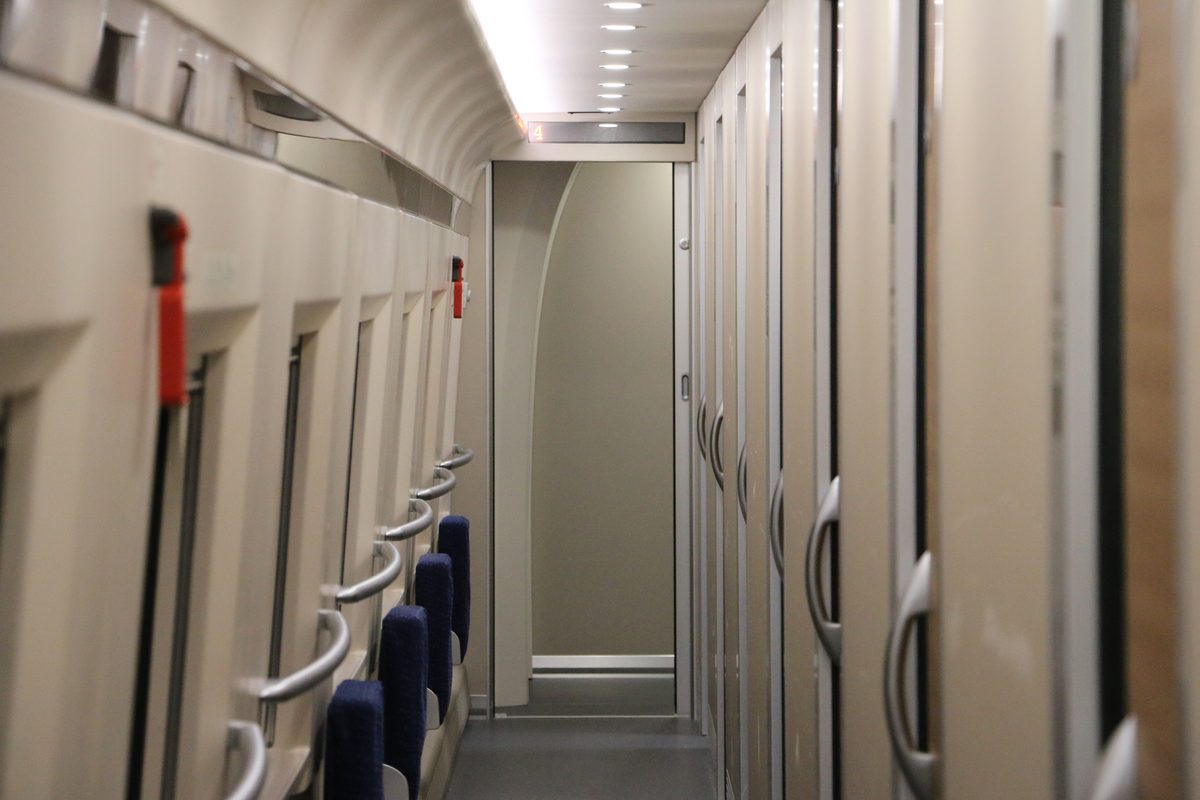
A hard sleeper carriage — six open bunks per compartment, bedding provided, and the most sociable way to cross China by rail.
How to book a bunk with a foreign passport
Booking is straightforward but there are rules to know:
- Trip.com has a full English interface, accepts foreign cards and Alipay, and handles the passenger details for you. It adds a small booking fee per ticket, which is worth it for the English support.
- 12306 is the official Chinese rail app/website and now accepts foreign passports, but the interface is in Chinese and payment for foreign cards can be finicky. Use it if you’re comfortable, or stick to Trip.com.
- You’ll need your passport number, name exactly as on the passport, and nationality. Tickets are tied to your passport, and the conductor will check it on board.
- Upper bunks (上铺) are cheaper than lower bunks (下铺), which are easier to get in and out of. If you book via an agent you can usually request a lower bunk.
Booking windows matter: normal tickets open about 15 days before departure, and during Chinese New Year and other peak periods the window is compressed and demand is intense. Book as early as you can, especially for holidays. Our train tickets guide walks through the whole process, and there’s specific advice for tickets during Chinese New Year if you’re traveling then.
What it costs
Sleeper prices are set per route and class, and prices change, so treat these as rough ballparks:
- Hard sleeper, short overnight leg (6–8 hours): ¥150–300 per bunk.
- Hard sleeper, long leg (12+ hours): ¥250–500 per bunk.
- Soft sleeper: roughly 30–60% more than hard sleeper on the same route.
- Business sleeper: the most expensive, often 2–3× hard sleeper.
Upper bunks cost less than lower bunks, and the price scales with distance. For comparison, a flight between the same cities is usually 2–4 times the soft-sleeper price before you add airport transfers and the night’s hotel you’re saving.
What happens once you’re on board
Boarding is organized and simple: your ticket shows the carriage and berth number, staff check you in at the platform, and luggage racks sit at the end of the carriage. On board:
- Bedding — sheets, blanket and pillow — is provided and usually wrapped at the berth. It’s clean, but some travelers bring a sleep sack liner.
- Food — a dining car runs on many long-distance trains, and food carts pass through selling instant noodles, snacks, drinks and water. Hot water for tea or noodles is free in the carriage vestibule.
- Power — sockets are available in soft sleeper compartments and some hard sleeper carriages; bring a charging bank to be safe.
- The conductor — uniformed staff patrol the train, check tickets and passports, and announce stations. You’ll feel looked after.
Sleeping comfortably
A good night’s sleep on a train comes down to preparation:
- Earplugs and an eye mask are non-negotiable for hard sleeper — snores and corridor lights are part of the experience.
- Dress in layers — carriages are air-conditioned year-round and can run cool at night.
- Keep your shoes in the provided slipper or a plastic bag; the carriage floor is train-floor.
- Set an alarm 20 minutes before your stop, and don’t rely on the conductor to wake you at small stations.
- A small padlock for your bag, and keep passport, phone and wallet on your person or under your pillow.
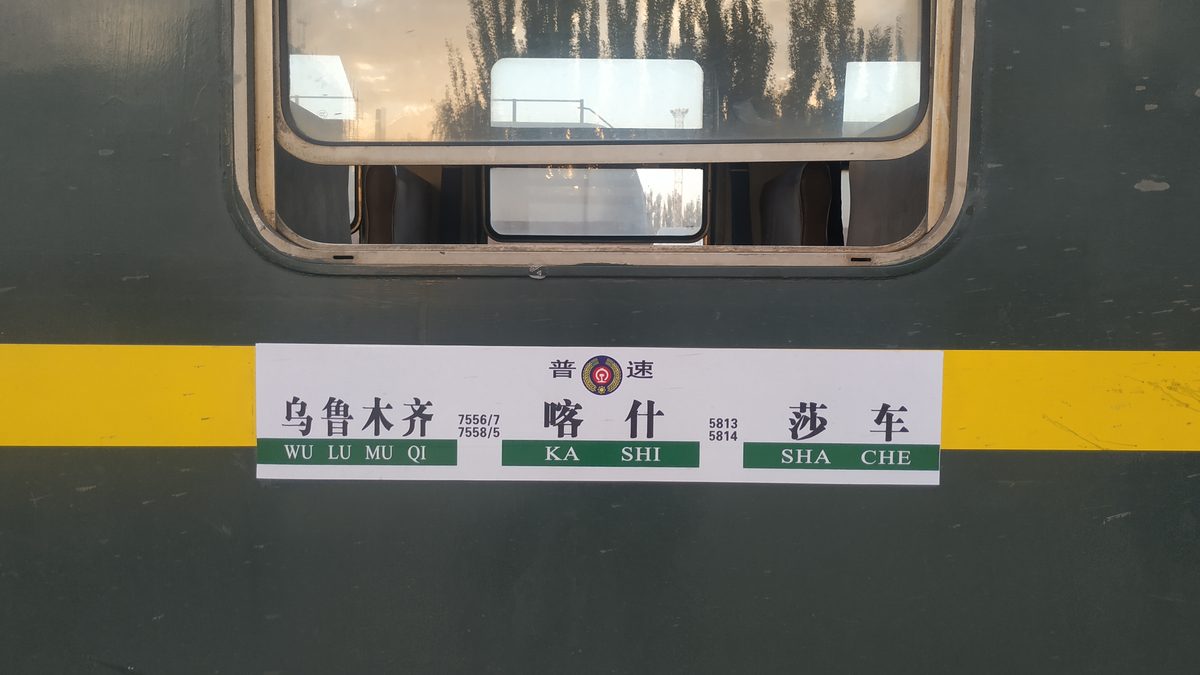
Waking up to China’s scenery sliding past your window — a plateau at dawn, rice paddies, or a city skyline — is the best part of the night train.
Safety on the sleeper
Night trains in China are safe, staffed and routinely used by solo travelers, including women. The practical habits are simple: keep valuables on your person or under your pillow, lock your main bag to the rack, and don’t leave a phone or wallet on the table while you sleep. In hard sleeper, the open compartments mean a stranger could in theory reach your berth, but incidents are rare and staff patrol regularly. If you’re at all concerned, soft sleeper’s locking door removes the question entirely.
The most scenic night routes
If you’re choosing a route for the journey itself, these overnight trains are famous for their scenery:
- Beijing–Lhasa: the sky-high route onto the Tibetan plateau, with oxygen available on board. A bucket-list journey that needs both a train ticket and a Tibet Travel Permit.
- Xi’an–Urumqi: across the loess plateau into Xinjiang, past the edge of the Gobi.
- Chengdu–Kunming: mountain scenery through the southwest.
- Shanghai–Shenzhen: the overnight corridor down the coast.
For a full plan built around the rails, our scenic rail route itinerary strings several of these journeys together.
When the night train beats the alternatives
The night train isn’t always the right call. It wins when: the route is long (8+ hours), you want to save a hotel night, you’re on a budget, or you want the experience. It loses when: you need to arrive fresh for a morning meeting, you’re short on time, or you struggle to sleep sitting up in public. For the classic China route — Beijing to Xi’an, Xi’an to Chengdu, Chengdu to Kunming, Kunming to Guilin — the overnight sleeper is a rite of passage worth doing at least once.
Last updated: August 2026. Schedules, booking windows, prices and train classes change — confirm current details for your route before you book.
Frequently Asked Questions
Are night trains worth taking in China?
Yes — an overnight sleeper saves both a night's hotel and a travel day, and it's an experience in itself. A typical hard or soft sleeper leg between distant cities costs a fraction of a flight, and you wake up at your destination. They're especially good on long routes like Beijing–Lhasa, Xi'an–Urumqi, or Shanghai–Shenzhen, and popular with budget and mid-range travelers.
What's the difference between hard sleeper and soft sleeper?
Hard sleeper (硬卧) has 6 open bunks per compartment — three tiers of two, no door, curtains optional — and is the budget classic. Soft sleeper (软卧) has 4 bunks in an enclosed compartment with a locking door, wider beds, and often a small table and power socket. There's also a premium 'business' or 'deluxe' sleeper on some routes with two bunks. If you're tall, heavy or traveling with valuables, soft sleeper is worth the upgrade.
How do I book a China sleeper train ticket with a foreign passport?
The easiest way is Trip.com, which has an English interface and accepts foreign cards and Alipay; it adds a small booking fee. The official Chinese rail site/app is 12306, which now supports foreign passports but is in Chinese and fiddly with payment. Either way you'll need your passport details, and tickets are tied to your passport — a conductor checks it on board. See our [train tickets guide](https://chinotrips.com/how-to/train-tickets/) for the full booking walkthrough.
What should I bring on a China sleeper train?
Bedding and blankets are provided and the carriage is heated or air-conditioned, so you mainly need toiletries, a change of clothes, earplugs, an eye mask, and something to occupy you (downloads — onboard WiFi is unreliable). Food carts sell noodles and snacks and there's a dining car on many long routes; hot water is free. Bring your own small padlock for your bag, and pack valuables to keep with you at night.
Is it safe to sleep on a Chinese night train?
Generally yes — overnight trains are safe and well-monitored, with uniformed staff and frequent passport/ticket checks. Still, use common sense: keep your phone, passport and wallet on your person or under your pillow, lock your main bag to the bunk rack with a small padlock, and in hard sleeper avoid hanging valuables where they're easy to grab. Solo travelers, including women, regularly take sleepers across China without incident.
Do night trains run on time in China?
Usually, though overnight trains can arrive early or be delayed by a few minutes. Stations in China are announced over the PA (in Chinese) and shown on carriage displays, and the conductor will typically wake people getting off at major stops. Set your own alarm 20 minutes before arrival, and when the train stops, check the station sign against your ticket before getting off.