
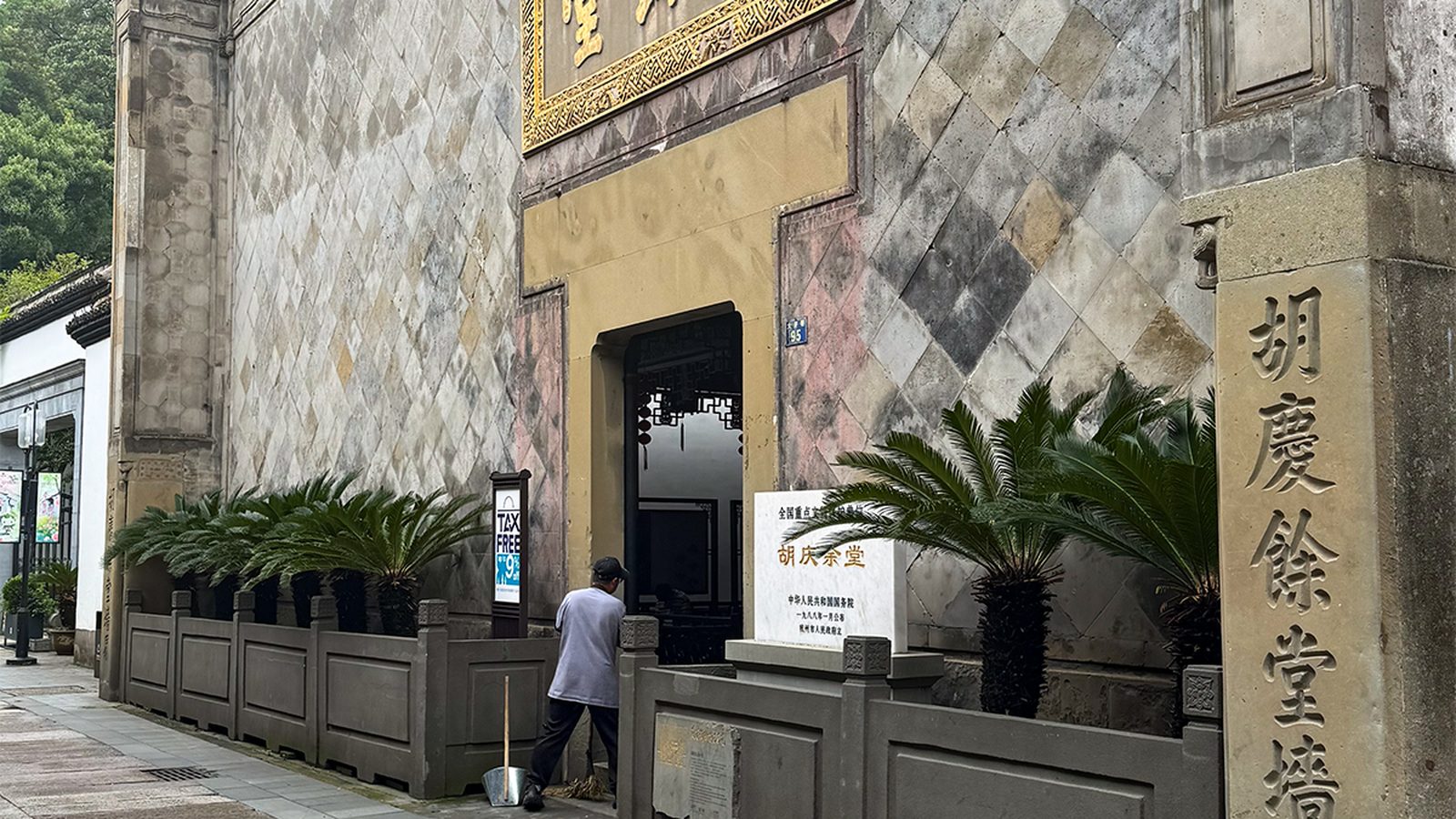
China Pharmacy Guide: Buying Medicine, Prescriptions (2026)
Buying medicine in China — pharmacy rules, over-the-counter drugs, prescriptions, common traveler medicines, TCM remedies and what to bring from home.
Getting medicine in China is easy once you know the system — pharmacies are everywhere, basic drugs are sold without a prescription, and the prices are low. The planning that matters happens before you fly: knowing what to bring, what’s controlled, and how to match your medicine to the pharmacy shelves.
A traveler’s worst case in China is rarely about medicine availability — it’s about not knowing how to navigate the system at 2am with a fever. The good news is that Chinese cities have pharmacies on nearly every street, the pharmacists are professional, and most everyday medicines are sold over the counter cheaply. This guide explains how buying medicine works, what needs a prescription, how traditional Chinese medicine fits in, and what you should sort out before you leave home.
Pharmacies in China: the basics
- They’re everywhere. Look for the green cross sign and 药店 (yàodiàn, pharmacy/drugstore). Chain pharmacies like 国大药房 (Guoda) and 老百姓大药房 (Laobaixing) are reliable and widespread, with trained pharmacists on duty.
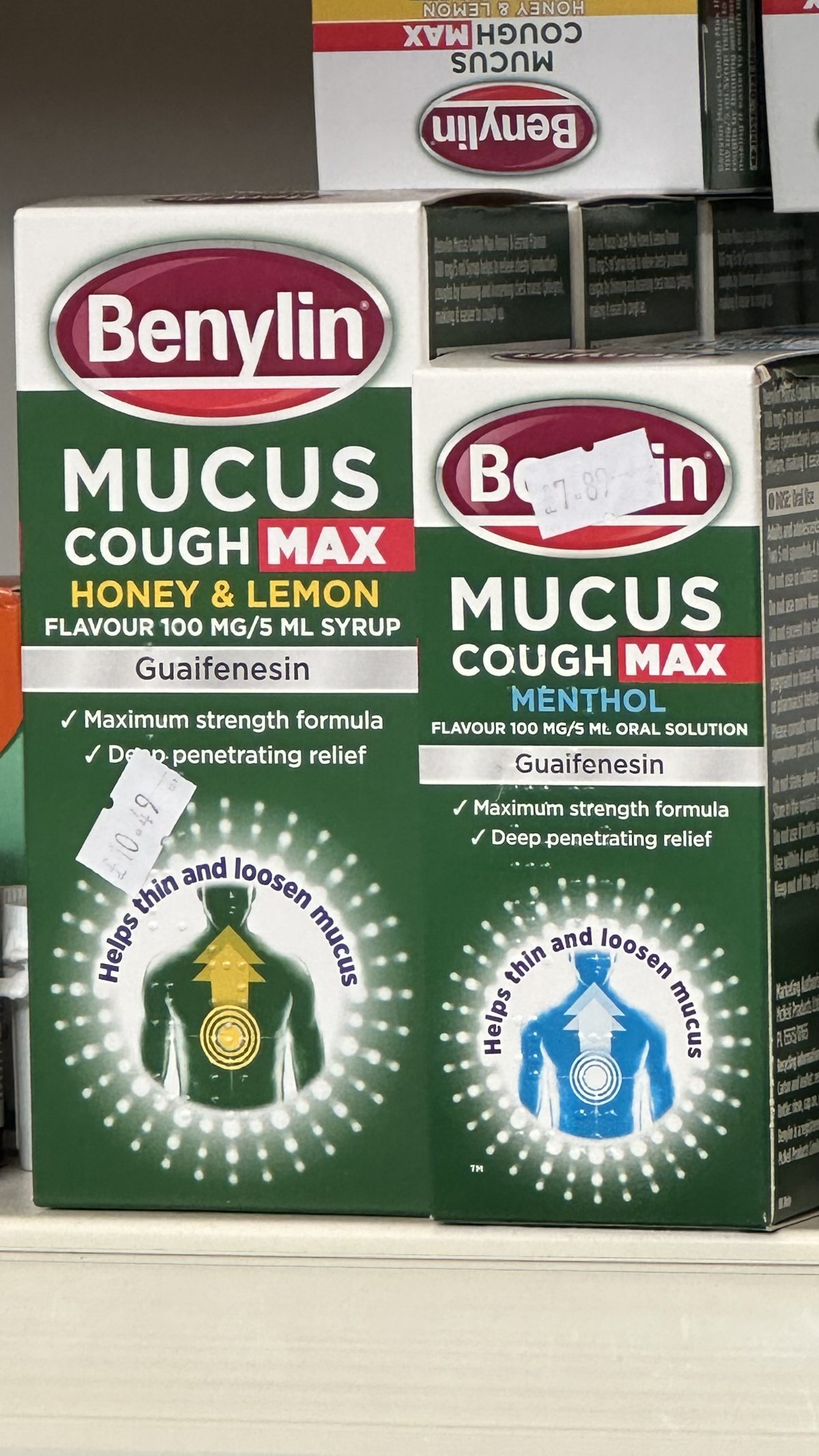
- English support varies. In tourist districts and big cities, many staff speak some English. Everywhere else, a translation app is your friend — type the drug name or show a photo.
- Payment is easy. Mobile payment (Alipay/WeChat Pay) is standard; city pharmacies accept international cards. Keep a little cash for small stores.
- They sell more than medicine. Expect vitamins, traditional remedies, baby supplies, bandages and hygiene products on the shelves too.
For the day-to-day of paying for things while you’re out, our guide to paying in China covers setting up mobile payment.
What you can buy without a prescription
In practice, you can walk into most pharmacies and buy:
- Painkillers — paracetamol (acetaminophen, 对乙酰氨基酚) and ibuprofen (布洛芬) are the standard options.
- Cold and flu remedies — cough syrup, lozenges, decongestants.
- Antihistamines for allergies, plus hay-fever and skin-itch remedies.
- Digestive aids — antacids, rehydration salts (oral rehydration salts, ORS), anti-diarrheal tablets.
- Motion-sickness tablets for bus and boat travel.
- First-aid basics — bandages, plasters, antiseptic, thermometer, hand sanitizer.
- Sun cream and insect repellent, which are widely stocked in summer.
If a pharmacist hands something to you, that’s the over-the-counter system working. Prices are low and regulated. For common ailments this is all you’ll need — and it means you don’t have to over-pack the medicine drawer from home.
What actually needs a prescription
Some categories are regulated and need a prescription from a doctor licensed in China:
- Antibiotics — you cannot simply buy amoxicillin or azithromycin over the counter.
- Controlled and narcotic medicines — strong painkillers, sedatives, and some psychiatric drugs are tightly controlled; carrying these into China also has strict rules (see below).
- Some cardiovascular and diabetic medications — availability varies; you may be asked for a prescription.
If you need an antibiotic mid-trip, see a doctor at a hospital or clinic. Consultation fees in public hospitals are modest (roughly ¥50–200, estimates — prices change), the doctor writes a prescription, and the hospital pharmacy dispenses it. International hospitals cost more but handle English and insurance billing smoothly. Either way, keep the prescription and receipts for your insurance claim.
What to bring from home (and what not to)
The golden rule: bring your own regular medication in sufficient supply, and bring the documentation. Our bringing medication to China guide covers the details, but the essentials are:
- Bring a reasonable supply of any prescription medicine you use daily — enough for your trip plus a buffer.
- Keep medicines in original packaging, with the label intact, and carry a doctor’s letter or prescription in English explaining what each medicine is.
- Check controlled substances in advance. Narcotic painkillers, strong sedatives and stimulants are strictly regulated at customs; some require permits, and some are prohibited outright. Research this before you fly — it’s the one area where travelers genuinely get into trouble.
- Don’t bother over-stocking basics — paracetamol, cold remedies and the like are easy to buy locally.
- Note that brand names differ. The same drug may be sold under a different brand; the generic name is what matches.
How to ask for a medicine by name
The single most useful trick: know the generic name in Chinese. For example:
- Ibuprofen → 布洛芬 (bùluòfēn)
- Paracetamol / acetaminophen → 对乙酰氨基酚 (duìyǐxiān’ānjīfēn) or 扑热息痛
- Cetirizine (antihistamine) → 西替利嗪
- Oral rehydration salts → 口服补液盐
If you don’t know the Chinese, show the pharmacist a translation app with the generic name in your language, or a photo of your medicine’s box. Pharmacists are accustomed to this and will find the equivalent. For long-term prescription medicines, the doctor’s letter with the generic names is your best tool.
Vitamins, supplements and everyday needs
Pharmacies in China double as convenience shops for health products, which is useful mid-trip:
- Vitamins and supplements — Vitamin C, multivitamins, fish oil and probiotics are widely stocked and cheap. If you run out of something you take daily, you’ll usually find a local equivalent.
- Skin and personal care — sun cream, moisturiser, lip balm, antiseptic and burn cream are standard stock.
- Baby and family items — thermometers, rehydration solutions for kids, and basic children’s medicines are available at larger pharmacies.
- Masks and hand sanitiser — still common stock after the pandemic years, and cheap.
None of this needs a prescription, and you don’t need to bring these from home — it’s one less thing in your luggage.
24-hour and hospital pharmacies
Emergencies don’t keep business hours, so it helps to know the fallbacks:
- 24-hour pharmacies exist in most Chinese cities — search for 24小时药店 (‘24-hour pharmacy’) in a map app, or ask your hotel. They’re less common than in some countries, but every city has at least a few.
- Hospital pharmacies are the most reliable fallback for anything unusual. A hospital’s pharmacy desk can source a wider range of medicines, including ones requiring a prescription, and is open whenever the hospital is.
- Delivery apps — the big platforms (like Ele.me and Meituan) can deliver pharmacy orders to your hotel within about 30–60 minutes. They work with a Chinese phone number and mobile payment; your hotel front desk can help you order if you’re not set up.
If you’re out late and can’t find a 24-hour pharmacy, a hospital emergency room’s pharmacy will almost always have what you need.
Traditional Chinese medicine (TCM)
TCM is woven into China’s medical system, and TCM pharmacies (中药店) sit alongside modern drugstores. You’ll see prepared herbs, herbal pills, and remedies for everything from coughs to fatigue.
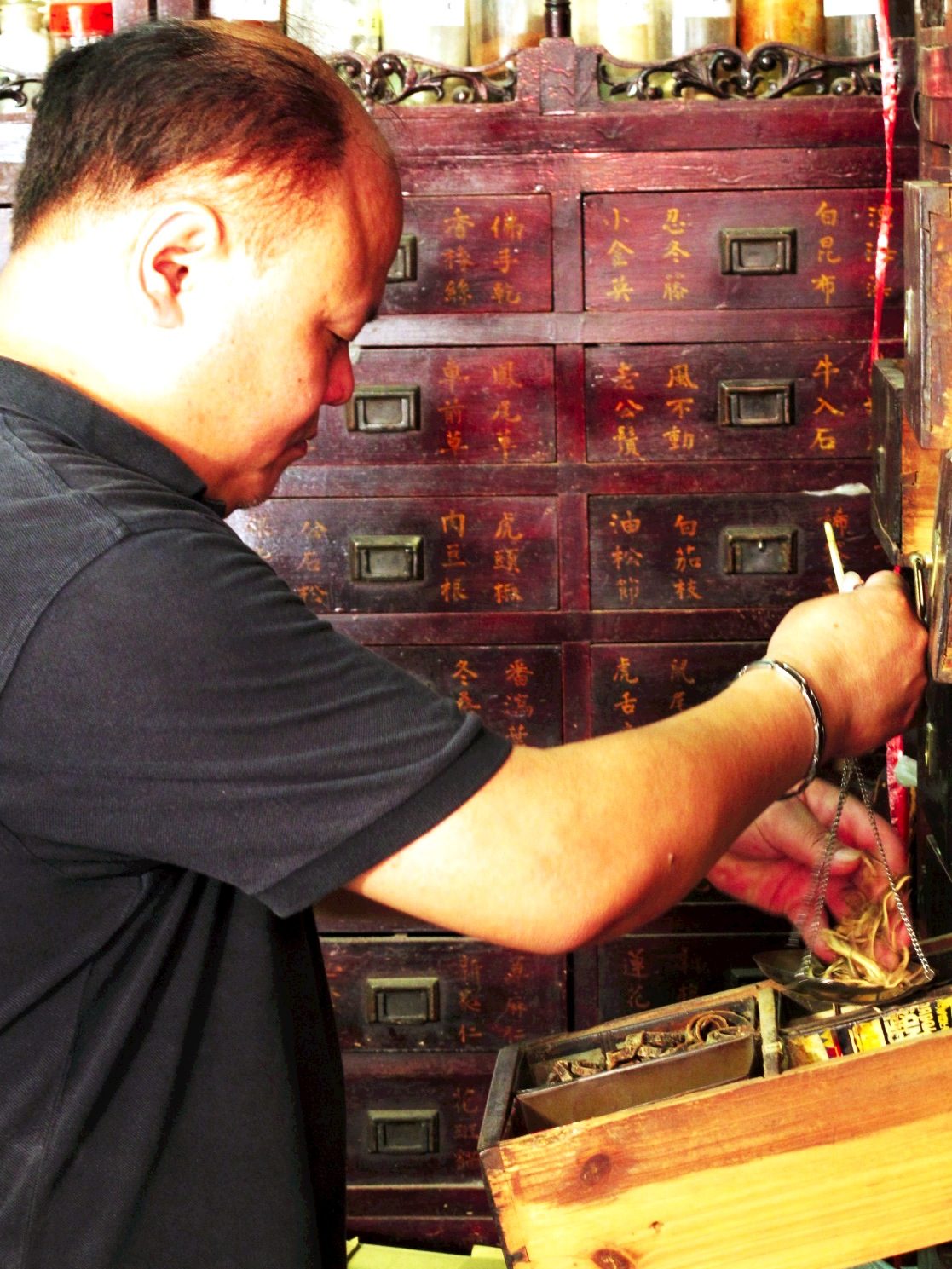
- For minor complaints, some travelers find TCM useful — it’s the local medicine, and many Chinese people use it daily.
- The caveat: herbal products can interact with Western prescription drugs, and their preparation and safety standards differ from Western pharmaceuticals. If you’re pregnant, on strong medication, or managing a chronic condition, get professional advice (ideally before you leave home) before taking TCM.
- Tell your doctor at home about any TCM you used, and mention it to any Chinese doctor treating you (they’ll understand exactly what it is).
- The big public hospitals run TCM departments alongside Western medicine, so you can get a professional opinion in one visit.
Medical care beyond the pharmacy
A pharmacy handles the everyday. For anything more — a persistent fever, a serious injury, a suspected infection — go to a clinic or hospital. The options:
- International clinics and hospitals in Beijing, Shanghai, Guangzhou, Chengdu and other major cities: English-speaking, direct billing with international insurers, higher cost.
- Top-tier public hospitals (三甲): excellent care, low cost, but queues and limited English.
- Community health centers: fine for minor issues.
For the full picture of getting medical help in an emergency, including hospital deposits and how insurance fits in, see our travel insurance guide and the wider safety overview in our is China safe guide.
A practical travel medicine checklist
Before you fly:
- Refill and pack your regular prescriptions (with the doctor’s letter).
- Pack basics: a few painkillers, any specific allergy meds, rehydration salts, plasters.
- Know the generic names of your medicines, ideally in Chinese.
- Save the numbers: your insurer’s assistance line, the nearest international hospital, your embassy.
- Check the customs rules for anything controlled.
In China, buy the rest as you go — it’s cheap, easy and part of the local experience. A pharmacy visit in China is rarely a problem; it’s one of the simplest errands you’ll run, as long as you know what you need and how to ask.
Last updated: August 2026. Drug availability, prescription rules and customs limits change — confirm current rules with your embassy and pharmacy before you go.
Frequently Asked Questions
Can I buy medicine over the counter in China?
Yes — many basic medicines are sold over the counter in Chinese pharmacies (药店, yàodiàn) without a prescription. You can buy painkillers, cold and flu remedies, antihistamines, cough syrup, antacids, rehydration salts, bandages and antiseptics easily. Pharmacists are generally helpful and will dispense common treatments directly. Some categories require a prescription, notably antibiotics and controlled medicines. If a pharmacist won't sell you something, that's the rule working — don't push it.
Do I need a prescription to get my medication in China?
For **antibiotics and controlled or narcotic drugs, yes** — you need a prescription written by a doctor licensed in China, obtainable from a hospital or clinic. For most everyday medicines (painkillers, cold remedies, allergy tablets), no prescription is needed. If you take a long-term prescription medication, the safest approach is to **bring enough from home** and carry the prescription or a doctor's letter. See our [bringing medication to China](https://chinotrips.com/how-to/bring-medication/) guide for the exact rules on what you can bring without problems.
What are the most common medicines travelers need in China?
The usual travel kit covers it: **painkillers** (paracetamol/acetaminophen, ibuprofen), **cold and flu remedies**, **antihistamines** for allergies, **anti-diarrheal** and **rehydration salts** (stomach upsets are the most common traveler illness), **motion sickness** tablets, **antiseptic and plasters** for minor cuts, and **sun cream** and **insect repellent** if relevant. All of these are easy to buy in Chinese pharmacies. If you have specific prescription needs, bring them from home — see our [medication guide](https://chinotrips.com/how-to/bring-medication/) for the rules.
How much do medicines cost in Chinese pharmacies?
Prices are generally low and medicines are government-regulated. As a rough estimate (and prices change): a box of paracetamol or ibuprofen around ¥10–30; cold remedies ¥20–50; a course of common antibiotics (with prescription) ¥20–60; rehydration salts a few yuan per sachet. International-brand products cost more. Payment by mobile (Alipay/WeChat Pay) is standard, and most pharmacies accept international cards at city locations. Keep the receipt — some travel insurance policies reimburse medical purchases.
How do I find an English-speaking pharmacy in China?
Pharmacies in major cities and tourist areas increasingly have English-speaking staff, and the international hospitals' attached pharmacies (in Beijing, Shanghai, Guangzhou and Chengdu) are fully English-capable but pricier. For the best match anywhere, **show the pharmacist the Chinese generic name** or a translation app with the drug name in Chinese — for example 布洛芬 for ibuprofen. Chain pharmacies (like 国大药房, 老百姓大药房) are reliable and widespread. If you can't find what you need at one store, a hospital pharmacy is the fallback.
Is traditional Chinese medicine (TCM) worth trying for common ailments?
TCM is widely used in China, and TCM pharmacies (中药店) sell prepared herbs, pills and remedies alongside modern medicine. For minor issues, some travelers find TCM remedies helpful for things like coughs and digestive complaints. The important caveat: **herbal products can interact with prescription drugs and aren't always safety-tested to Western standards** — tell your doctor back home what you've taken, and if you're pregnant, on strong medication, or managing a chronic condition, check with a doctor before taking TCM. Modern hospitals offer TCM alongside Western medicine, so you can get professional advice in one place.
What should I do if I need a prescription drug while in China?
Go to a hospital or clinic (a top-tier public hospital or an international hospital) and see a doctor; the consultation fee is low, typically ¥50–200 in public hospitals and more at international clinics. Bring your passport, describe the medication (generic name is best — the brand may differ), and the doctor can prescribe it; the hospital pharmacy then dispenses it. Keep the prescription and receipt for insurance claims. For the chronic medications you rely on, bringing your own supply from home is still the best strategy — see our [medication guide](https://chinotrips.com/how-to/bring-medication/) for quantities and rules.