
Is It Safe in China for Tourists? A 2026 Guide
How safe China is for tourists — crime, food, transport and scams — plus practical advice for solo travelers and families.
The honest answer: for tourists, China is one of the safest large countries in the world to travel in — with a few practical things to keep in mind.
Ask most travelers who’ve been, and they’ll tell you the same thing: the biggest surprise about China is how safe it feels. Violent crime is rare, police are visible in cities, and tourists are not generally targeted. The real watch-outs are boring ones — traffic, food, and the occasional scam. Here’s a clear-eyed breakdown.
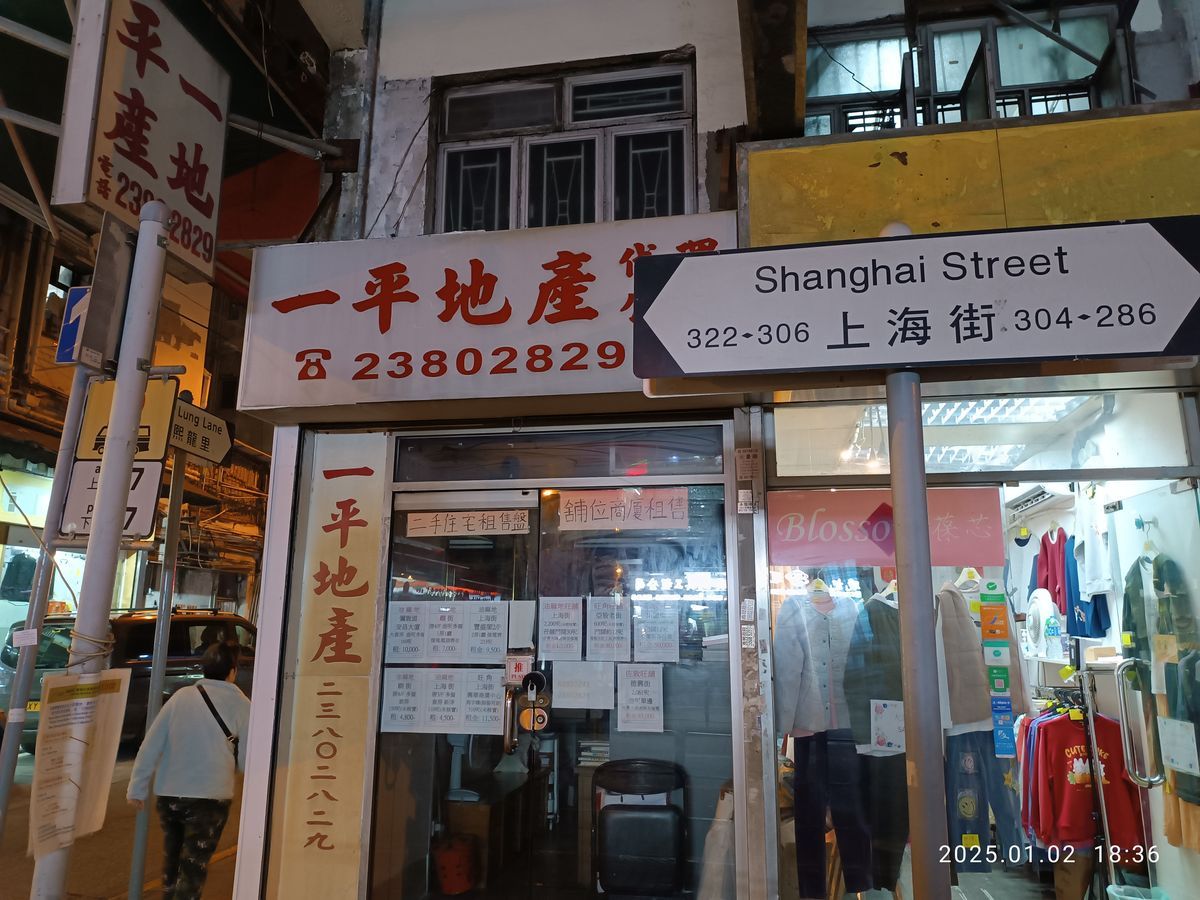
Chinese city streets stay busy and well-lit into the evening — most visitors report feeling safer here than they expected.
The safety picture in numbers and feel
- Violent crime against tourists is very rare. China consistently reports low rates of violent crime, and foreign visitors are rarely victims.
- Cities feel safe at night. Main streets and metro areas in Beijing, Shanghai, and most big cities stay busy and well-lit into the evening.
- CCTV and police presence are extensive, which travelers find reassuring.
- That said, normal street smarts still apply: keep your passport in a secure pocket, don’t flash cash, and watch your bag in crowded markets and train stations.
The realistic concerns
Traffic — the #1 genuine risk
- Pedestrian crossings are advisory rather than absolute; drivers don’t always stop.
- Look both ways, twice, and cross with the crowd. Jaywalking is common but don’t copy it blindly.
- Scooters and e-bikes weave through intersections and sometimes ride on the pavement — check before stepping off a curb.
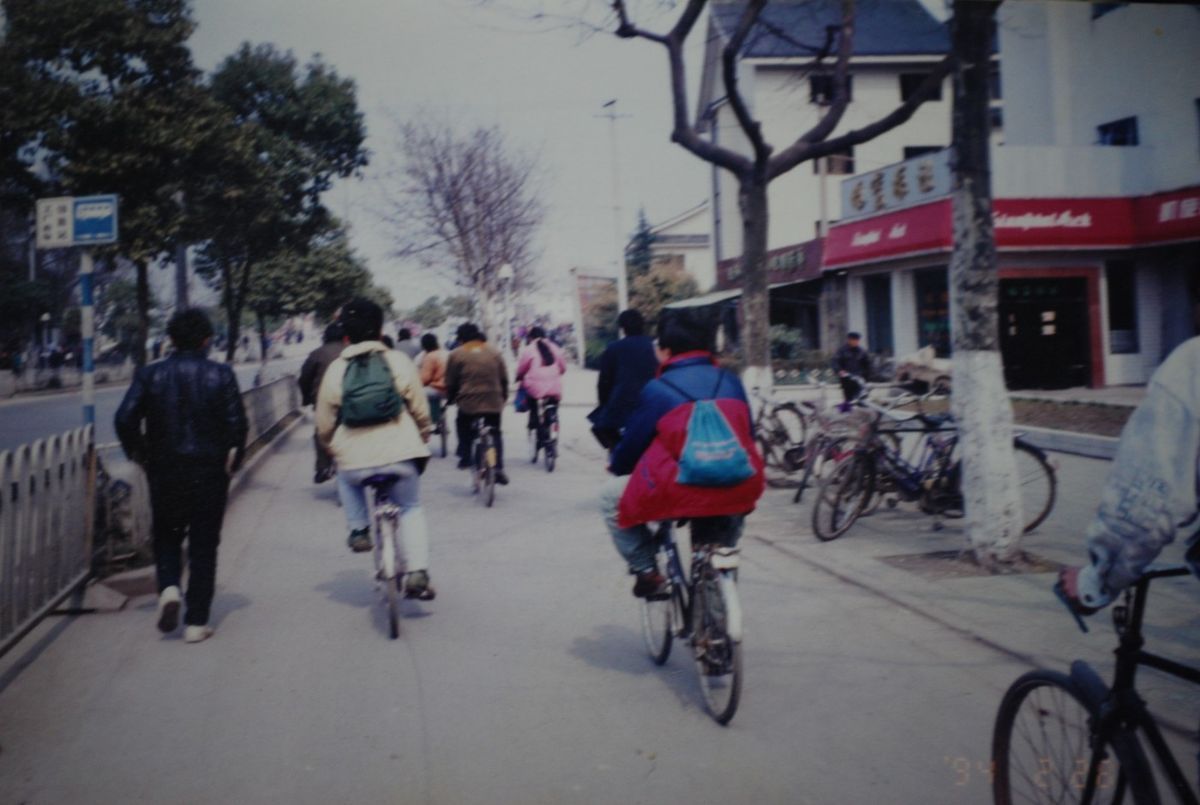
Crossing busy streets is the #1 genuine risk in China — look both ways twice and cross with the crowd.
Food and water
- Tap water is not recommended to drink. Use bottled or boiled water; avoid ice from unknown sources.
- Street food is generally fine — eat at busy stalls with high turnover, order freshly cooked items, and trust your stomach. A mild stomach upset is possible if you’re new to the cuisine, but it’s rarely a safety issue.
Scams to know (rare, but they exist)
- Taxi meter off: some drivers quote a flat inflated fare. Use Didi or insist the meter runs — see our Didi guide.
- The tea-house trick: a friendly stranger invites you for tea or an art show, and you’re handed a large bill. Politely decline unsolicited invitations.
- Street money-changing: always change money at banks, hotels, or ATMs — never on the street.
- Overpriced ‘jade’ or ‘tea’ shops around tourist sites; buy souvenirs at markets and malls.
Solo travelers
- Solo travel is widely considered safe in China, including for solo women. Hostels and budget hotels are used to single travelers.
- Keep in touch: share your location with family and check in daily. WeChat makes this easy.
- Emergency numbers: dial 110 for police, 120 for ambulance, 119 for fire. Operators may not speak English — say “police” and they’ll route you; hotel staff can translate.
- Stay in areas near a metro line in unfamiliar cities, and get back before the last train.
Payment and phone safety
- Mobile payment is the norm, and your phone is your wallet. Keep it charged and locked, set the payment apps’ passcodes — more in our paying in China guide.
- Carry a little cash as a fallback, but don’t flash it.
- Watch your phone in crowds — snatching at stations and festivals happens, though it’s uncommon.
What is genuinely, seriously illegal
- Drugs: any amount of illegal drugs carries severe penalties. Don’t experiment in China.
- Photography: avoid photographing military facilities and government buildings; be respectful at memorials.
- Drones: registration is required; flying without it in city areas can bring fines.
- Political demonstrations and unapproved gatherings — stay clear.
If something does go wrong
- Lost passport: report it to the nearest police station (you need the report for a replacement at your consulate) and contact your embassy.
- Medical issue: big-city hospitals have international departments; your travel insurance matters here.
- Language barrier: a translation app is your best friend in an emergency; hotel staff are the fastest help.
Safety by destination and activity
The baseline is high everywhere, but risk levels differ by place and activity:
- Big cities — Beijing, Shanghai, Guangzhou, Chengdu — are as safe as any major world city, and the busy metro areas feel genuinely secure at night. Watch your bag in markets and stations; that’s the extent of it.
- Tourist hot spots — the Forbidden City, the Great Wall, the Terracotta Army — are safe but crowded; the risk is pickpocketing and distraction scams, not violence. Keep valuables zipped and stay alert in the shuffle.
- Remote and permit areas — Tibet, parts of Xinjiang and border regions — are regulated but generally safe for permitted travelers; the practical risks are altitude, weather and remoteness rather than crime. Travel with an agency or driver and follow their guidance.
- Outdoor activities — hiking the Great Wall’s wild sections, mountain parks like Huangshan or Zhangjiajie, and winter sports — carry the normal risks of weather, steep paths and crowds. Check the forecast, wear real shoes, and don’t chase the sunset down a trail you don’t know.
- Night markets and street food — safe and delicious; the honest risk is a sensitive stomach. Eat at busy stalls where food turns over fast, and you’ll almost certainly be fine.
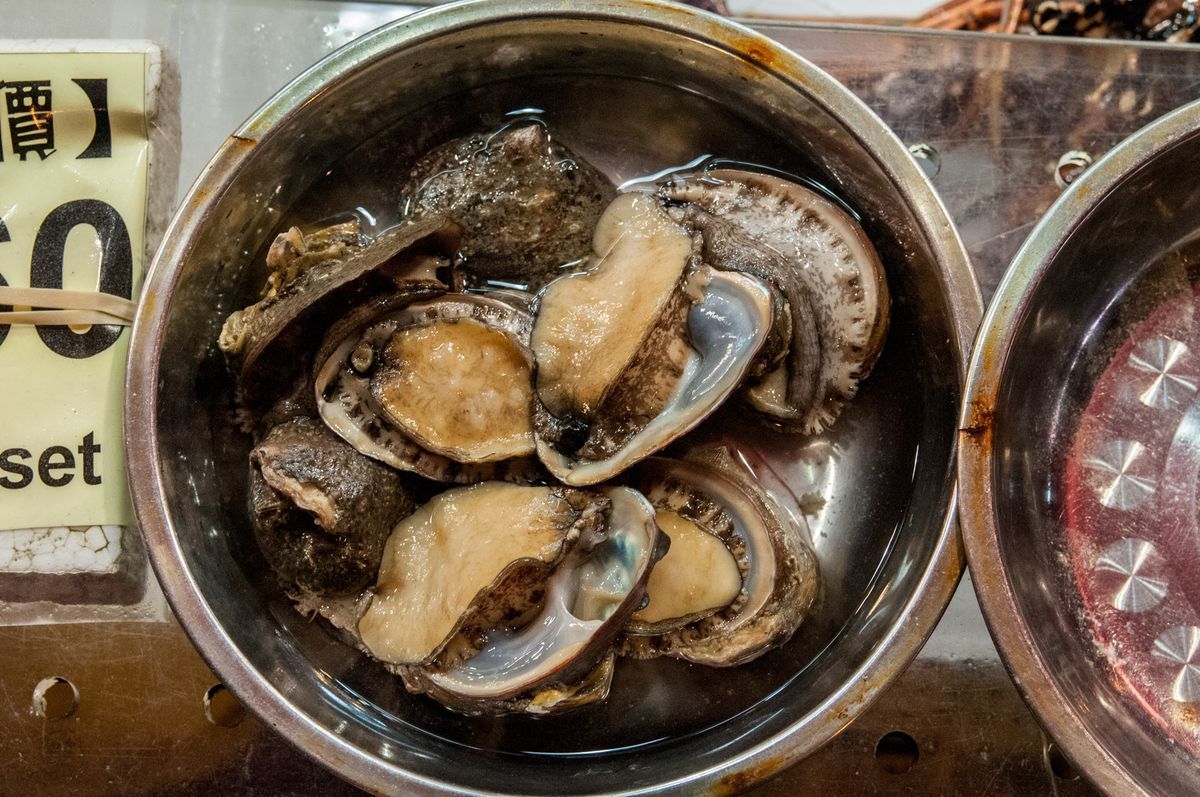
Night-market street food is safe and delicious — eat at busy stalls where the food turns over fast.
Staying healthy while traveling
Health, not crime, is the realistic watch-out for most travelers:
- Water: don’t drink the tap water. Bottled or boiled water everywhere, and avoid ice from unknown sources.
- Altitude: if you travel to Lhasa, Jiuzhaigou, Yunnan’s high towns or anywhere above 2,500m, go slow on the first day, hydrate, and skip alcohol until you adjust.
- Summer heat: much of eastern China is hot and humid from June to August; plan midday indoors, carry water, and use sunscreen. Winter’s cold in the north is dry but biting — layer up.
- Air quality: in winter, northern cities can have poor air days; if you’re sensitive, check air-quality apps and carry an N95 if a bad day lands.
- Mosquitoes: in the south and in summer, use repellent; in rare border areas, check current advice on mosquito-borne disease.
- Medical care: big cities have international hospitals and clinics with English-speaking staff; for anything serious, your travel insurance and a translation app are the tools that matter.
Common concerns that usually aren’t concerns
First-timers worry about things that rarely turn into real problems:
- Getting lost or stranded. The metros are English-signposted, the maps are clear, and a translation app handles the rest. Worst case, show the hotel’s name in Chinese to a driver.
- Being out after dark. In the cities, night is when the food streets and the riverfronts are busiest; being out late in a tourist area is completely normal.
- The language barrier. It feels intimidating and resolves instantly with a phone; nobody expects you to speak Chinese, and the people you’ll deal with most — hotel staff, ticket booths, metros — deal with foreigners daily.
- The food. It’s safe, and it’s a highlight of the trip; a mild stomach adjustment is possible but rarely more.
- Being overcharged. It happens occasionally, and the fix is simple: use the apps (Didi shows the fare), or know the metro price in advance.
Safety for families and groups
Traveling China with children is very doable and, on the safety front, unusually easy. The risks are the mundane ones — crossing streets, keeping track of kids in crowds, and the inevitable busy-day fatigue.
- Crossing roads is the one to be strict about. Chinese drivers treat pedestrian crossings as advisory; hold children’s hands and cross with the crowd.
- Crowds at the big sights (the Forbidden City, the Terracotta Army, the Great Wall) can be dense. A designated meet-up point and a phone number written in Chinese on a card are the cheap insurance.
- Kids are treated well in China. They’re welcomed in restaurants, given seats and snacks, and staff are usually delighted to help. The food — noodles, dumplings, rice — is famously kid-friendly.
- Public toilets at sights and malls usually have western options; carry tissue either way.
- Hotel registration requires every guest’s passport, children included — keep them accessible at check-in.
Families often find China feels more forgiving than home — a stranger helping a lost child, or a queue parting for a pram, is normal. The family itinerary paces the big sights to keep the days gentle.
A realistic risk checklist
- Register your passport details (a photocopy in your phone and a physical copy in your bag) — it’s the fastest route to a replacement if the real one is lost.
- Share your itinerary with someone at home and check in daily; WeChat location sharing makes this trivial.
- Know the emergency numbers: 110 police, 120 ambulance, 119 fire. Operators may not speak English — say the word and they’ll route you; hotel staff can translate.
- Carry travel insurance. It’s cheap, and it’s the difference between a hassle and a crisis if you need a hospital or a missed flight.
- Keep a small cash reserve separate from your phone — if your phone dies, you still have a fallback.
The bottom line
China rewards sensible caution, not fear. Use the apps, keep your wits about you in crowds and traffic, and you’ll almost certainly spend the whole trip feeling safer than you expected. Getting online with an eSIM and knowing the entry rules removes the two most common anxieties before you even land.
Last updated: August 2026. Safety conditions and local rules can change — check travel advisories from your home government before you go.
Frequently Asked Questions
Is China safe for tourists?
Yes. Violent crime against tourists is very rare, and most visitors feel safe walking around big cities at night. The realistic concerns are mundane ones: crossing busy streets, food hygiene at street stalls, and the occasional tourist scam. Apply the same street smarts you would anywhere.
What are the most common tourist scams in China?
The ones you hear about most are taxi drivers not using the meter, the 'tea house' invitation that ends in a bill, and street money-changing offers. They're all avoidable: use Didi or metered taxis, ignore unsolicited invitations, and never change money on the street.
Is tap water safe to drink in China?
It's not recommended. Drink bottled or boiled water and avoid ice from unknown sources. Street food is generally fine for most people, but if you have a sensitive stomach, stick to busy stalls with high turnover and eat freshly cooked items.
Is China safe for solo female travelers?
Yes — China is commonly rated as one of the safer countries for solo women travelers. Day and night in well-lit city areas you'll typically feel comfortable. As anywhere, avoid empty streets late at night, keep valuables close, and use licensed transport.
What should I absolutely avoid for safety in China?
Never carry or use illegal drugs — penalties are severe. Avoid photographing military or government sites, and don't fly drones without checking local registration rules. Both are taken seriously.