
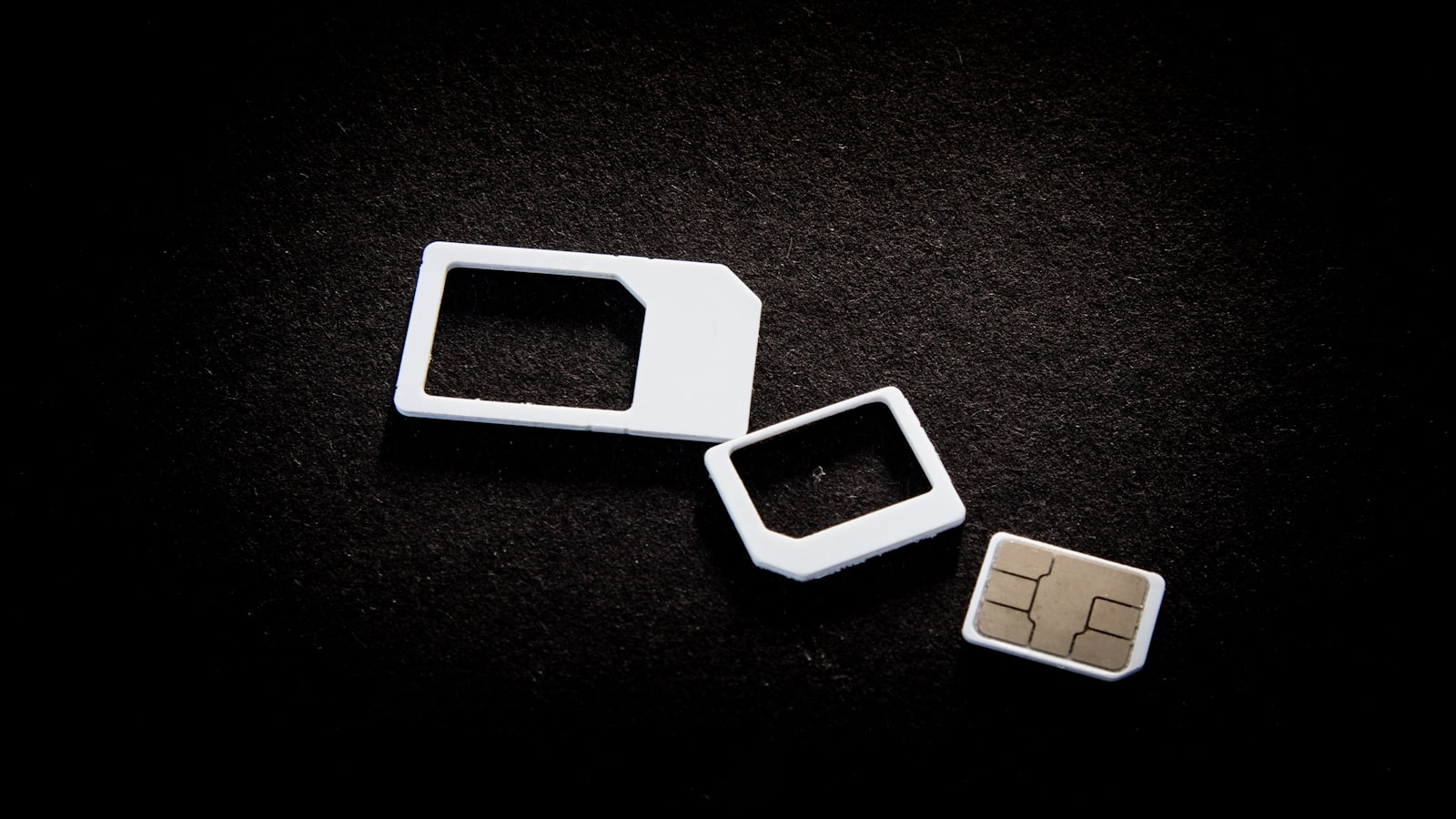
SIM Card for China: Physical SIM vs eSIM (2026)
Physical SIM or eSIM for China — how they compare, where to buy each, real-name registration rules, and which is easiest for tourists in 2026.
A SIM card for China is mostly a question of convenience: an eSIM you install at home, or a physical SIM you buy after landing.
Both give you mobile data for maps, ride-hailing, translation and mobile payments — the things that make travel in China work. The real differences are when you set it up, whether you need a passport in hand, and how blocked apps behave.
Quick comparison
| eSIM (travel provider) | Physical SIM (local carrier) | |
|---|---|---|
| Setup | Install before you fly | Buy in the arrivals hall or a city store |
| Passport | Not needed for travel eSIMs | Required for real-name registration |
| Works on landing | Yes, immediately | Yes, once activated |
| Foreign apps | Often works (roaming routing) | Usually blocked — need a VPN |
| Local number | Usually no | Yes |
| Best for | Short trips, first-timers | Longer stays, local phone number |
Option 1: eSIM (recommended for most tourists)
- Install at home by scanning a QR code from the provider; it goes live when you land.
- No passport, no shop, no queue at the airport.
- Choose a roaming-style plan if you want Google, WhatsApp and Instagram to work without a separate VPN.
- Data amounts of around 5–10 GB suit a one-to-two-week trip for maps and messaging.
See our dedicated guide for how to pick and set up an eSIM in China.
Option 2: Physical SIM (good for longer stays)
- Buy at the airport carrier kiosks or at China Mobile, China Unicom or China Telecom stores in the city.
- Bring your passport — real-name registration (实名制) is mandatory and is checked when you register and when you top up.
- Tourist data plans are typically inexpensive, though airport kiosk prices can be higher than city stores. If you’re staying a week or more, buying in a city store often gets you a better rate.
- You get a local phone number, which is handy if businesses need to reach you or for some delivery/logistics apps.
The real-name registration rule (实名制)
- Every SIM in China — physical or local-activated eSIM — is tied to a registered ID (your passport for foreigners).
- For travel eSIMs, the provider does this in the background, so you never notice it.
- For local SIMs, you hand over the passport and it’s registered at the point of sale.
- Keep the SIM packaging with your number in case you need to report a lost SIM.
Foreign apps, VPNs, and routing
- A local carrier SIM means foreign apps (Google, WhatsApp, Facebook, Instagram) are generally blocked on that data connection — pair it with a VPN.
- A roaming eSIM that routes via your home network usually bypasses the blocks because your data appears to come from home.
- If staying connected to home is critical, choose the roaming eSIM or plan for a VPN.
Paying for connectivity
- eSIM top-ups are bought from the provider with your card, or sometimes with Alipay.
- Local SIM top-ups are usually done in a carrier app, at stores, or via WeChat/Alipay mini-programs. If you haven’t set up mobile payment yet, see how to pay in China and Alipay setup before you go — it makes topping up painless.
Coverage considerations
- Cities and major tourist routes are well covered by all three carriers — China Mobile, China Unicom and China Telecom.
- Rural and far-western regions (parts of Xinjiang, Tibet, and some of Yunnan) have thinner networks; check that your provider covers the areas you’ll visit.
- High-speed rail keeps a signal through most tunnels, but expect gaps in the mountains.
- Hotel Wi-Fi is usually free and fast in cities, so many travelers pick a smaller data plan and rely on Wi-Fi at night.
Which should you choose?
- Short trip, want it to just work → travel eSIM, roaming routing if you need foreign apps.
- Long stay or need a local number → physical SIM from a carrier store.
- Phone without eSIM support → physical SIM, plus a VPN for blocked apps.
- Staying offline-friendly → Wi-Fi is widespread in hotels and cafes; many travelers use that plus a cheap data plan for backup.
- Long train journeys? Both SIM types work fine on high-speed rail; just check coverage for remote legs before relying on it.
Last updated: August 2026. Carrier plans and eSIM prices change frequently — verify the latest options before you buy.
Frequently Asked Questions
Which is better for China, a physical SIM or an eSIM?
For most tourists, an eSIM is easier — you install it before you fly, it's live the moment you land, and there's no passport registration or shop visit. A physical local SIM is the option if your phone doesn't support eSIM, or if you want a local phone number and cheap local data for a longer stay.
Do I need to register my passport for a SIM in China?
Yes. Real-name registration (实名制) is required for every SIM card in China, physical or eSIM activated with a local carrier. For an eSIM bought from a travel provider before you travel, registration is handled by the provider, so you skip the passport step entirely.
Will Google, WhatsApp and Instagram work with a China SIM?
On a local carrier's network, many foreign apps are blocked. A roaming eSIM that routes through your home carrier typically gets around the blocks. If you use a local SIM, you'll usually need a VPN as well.
Can I buy a physical SIM at the airport in China?
Yes. Most international airports have carrier kiosks in the arrivals hall selling tourist data SIMs. Bring your passport for registration and be ready to show it again if you top up in person. Prices are generally reasonable, though airport kiosks are sometimes pricier than city stores.
What if my phone doesn't support eSIM?
Use a physical travel SIM — either a China carrier SIM bought on arrival, or a foreign travel SIM that roams onto Chinese networks. Some older phones work best with a local SIM plus a VPN.