
China Train Seat Guide: Second, First, Soft & Hard Sleepers
Every seat class on China's high-speed and overnight trains explained — second class, first class, business, soft sleeper and hard sleeper — and which to book.
China’s train network has more seat classes than most travellers expect — and picking the right one is the difference between arriving fresh and arriving tired.
China’s high-speed rail is one of the great travel bargains of the modern world: fast, frequent, punctual and genuinely comfortable. But the ticket options can be confusing, especially when you add overnight sleepers to the mix. This guide decodes every seat class on China’s trains, from the budget-friendly second class to the business-class pods, so you can book the right seat for your journey.
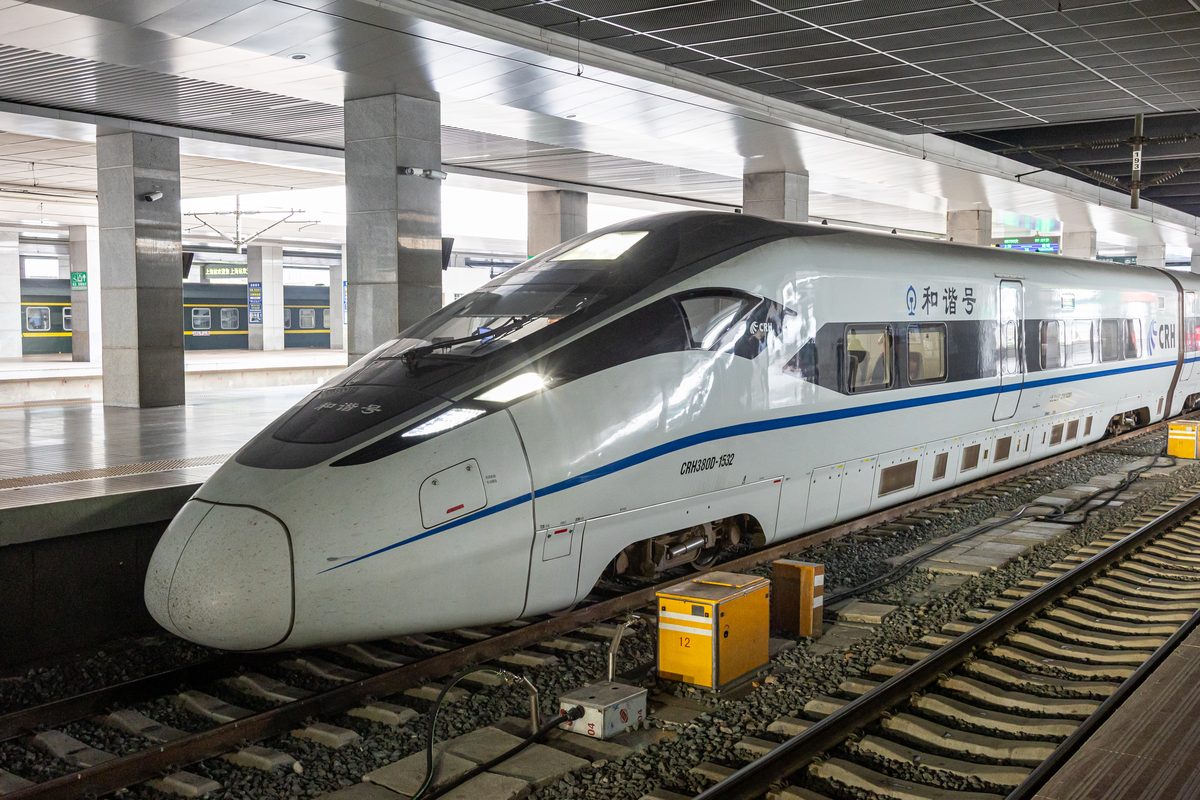
High-speed G and D trains connect most of China with fast, frequent service — and several seat classes to choose from.
First, understand the two train networks
China’s trains fall into two broad networks, and the seat classes differ between them.
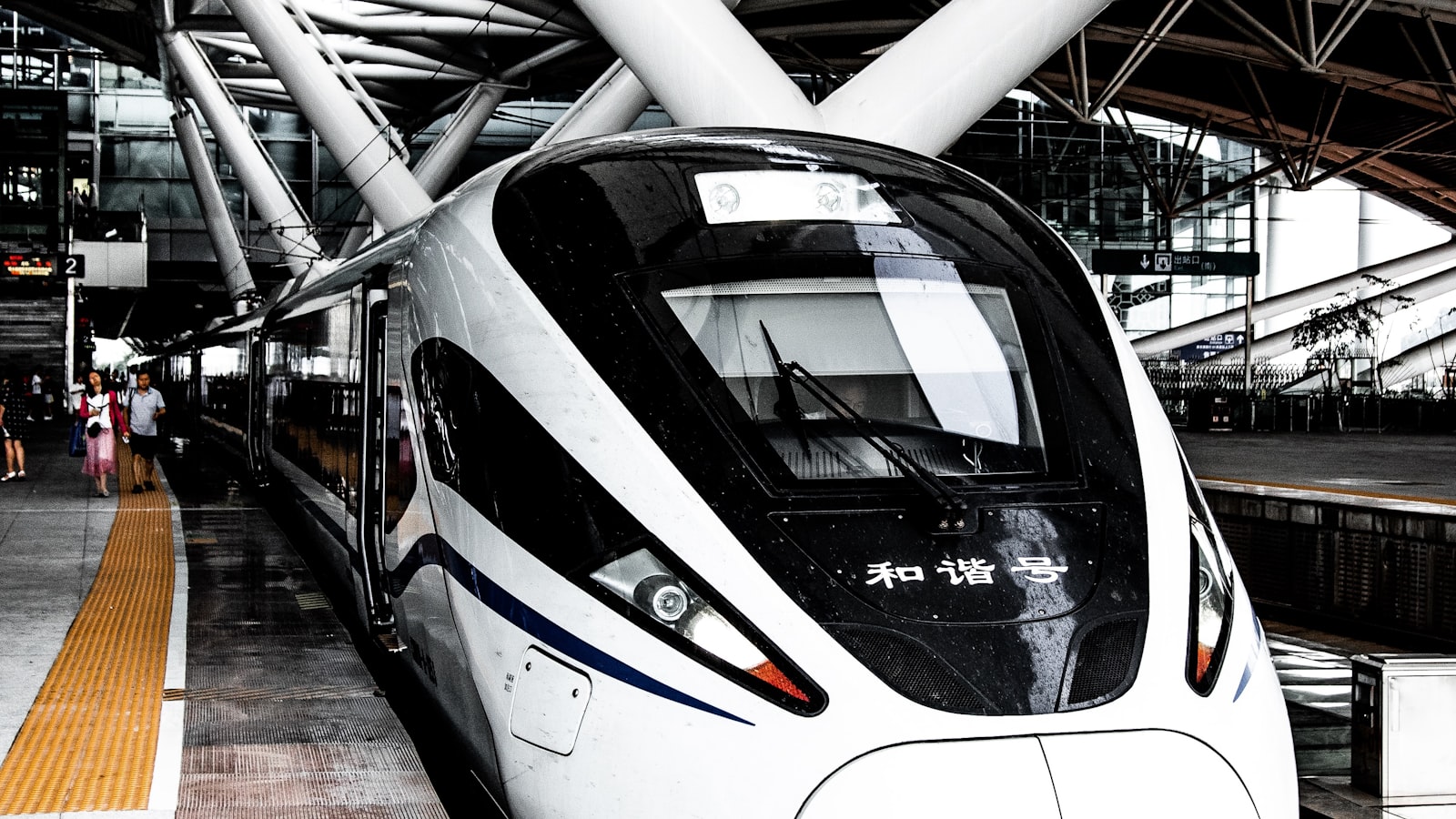
High-speed trains (letter codes G, D, C and some Z) carry the day — they’re what you’ll use for most inter-city travel. G trains are the fastest, D trains slightly slower, and both are modern, smooth and clean. These offer second class, first class and business class.
Conventional trains (letter codes K, T, Z) are the older network, slower but cheaper, and they’re the ones with sleeper berths for overnight journeys. These offer hard seat, soft seat, hard sleeper and soft sleeper.
Most travellers use high-speed trains by day and — for long distances like Beijing to Xi’an or beyond — a conventional sleeper by night.
High-speed train classes: second, first and business
Second class (二等座) — the comfortable default
Second class is what most travellers book, and it’s better than you might expect. Seats are arranged 3+2 with more legroom than a typical plane seat, the carriage is air-conditioned, and there’s a socket at your seat on most newer trains. For journeys up to about four hours, second class is all you need. It’s genuinely pleasant — the ride is smooth enough to work, read or nap.
First class (一等座) — the quiet upgrade
First class seats are arranged 2+2, giving you more width and legroom, plus a quieter, less crowded carriage. It’s the choice for long day trips or for travellers who want a calmer, more spacious ride. Prices are modestly higher than second class (estimate, prices change), and many find the upgrade worth it on routes of four hours or more.
Business class (商务座) — the treat
On G trains, business class is the top tier: wide reclining seats or pods arranged 2+1, with extra privacy and attentive service. It’s genuinely luxurious and, compared with business class on a plane, remarkably affordable. For a special journey — the flagship Beijing–Shanghai run, say — it’s an experience worth considering. Most travellers don’t need it, but it’s the class you’ll remember.
China’s major stations are huge and efficient — give yourself time to find your platform and carriage.
Overnight train classes: sleepers explained
If you’re covering a long distance and want to save a night of hotel cost — or just enjoy a different kind of journey — overnight sleepers are a classic China experience.
Soft sleeper (软卧) — the comfortable choice
Soft sleeper cabins have four berths (two up, two down), wider mattresses, and a door that closes for privacy. It’s the option to book for a good night’s sleep. Each berth comes with bedding, a pillow and often a small reading light. For two travellers, booking both lower berths makes a genuinely pleasant private space. Soft sleeper is the recommended choice for most first-timers on an overnight train.
Hard sleeper (硬卧) — the budget classic
Hard sleeper is the budget option: an open bay of six berths (three on each side), no door, and slightly narrower mattresses. It’s cheaper than soft sleeper and perfectly workable — but expect more noise and less privacy, and pick a lower berth if you can. For short overnight hops or travellers on a tight budget, hard sleeper is a fine choice. For a full night’s rest, soft sleeper is worth the difference.
Hard seat and soft seat — the ones to avoid overnight
Conventional trains also carry hard seat (basic, upright, crowded on popular routes) and soft seat (a 2+2 recliner for shorter journeys). For overnight travel, a seat is a last resort — you won’t sleep well, and the price difference to a berth is usually small enough to justify the upgrade.
How to choose the right class
A simple decision framework:
- Day trip under 4 hours — second class. Comfortable, cheap, no need for anything fancier.
- Day trip over 4 hours — second class is fine; first class if you want space and quiet.
- Longer flagship route, special occasion — consider business class on a G train.
- Overnight journey — soft sleeper for comfort, hard sleeper to save money.
- Couples or small groups overnight — book a whole soft sleeper cabin if you can.
How to book and what you need
Booking is straightforward but requires a passport. You can book through Trip.com (English, accepts foreign cards, easy) or the official 12306 app or website. Either way you’ll need your passport number, and you’ll board with your passport rather than a paper ticket. Our train ticket guide walks through the whole process step by step.
A few booking notes:
- Book early for popular routes and holidays. Trains sell out, and sleeper berths especially.
- Choose your berth preference where possible — lower berths are easier for older travellers and anyone with a large suitcase.
- Watch the station: China’s big stations are enormous, so arrive with time to spare and follow the signs to your waiting area. Screens show your train’s platform about 15–20 minutes before departure.
What it costs: a rough sense
Prices vary by route, distance and train type, so treat these as orientation (estimate, prices change):
- Second class on a typical 3–5 hour high-speed journey often runs in the range of US$30–60.
- First class is usually roughly 1.4–1.7 times second class.
- Business class can run two to three times second class on G trains.
- Sleeper berths on overnight trains vary widely; soft sleeper typically costs around half to two-thirds of a comparable high-speed ticket for the same distance.
Compared with rail prices in many Western countries, every class is a bargain for the quality on offer.
Practical tips for your journey
- Luggage — there are overhead racks and end-of-carriage shelves. A large suitcase fits in the racks by the doors; soft sleeper cabins have limited space under the berths.
- Food — a trolley comes through every carriage, and dining cars exist on longer high-speed and most overnight trains. That said, many travellers bring snacks and a refillable water bottle.
- Sockets — available at most seats on high-speed trains and in sleeper cabins; bring a charging cable that fits Chinese outlets (or a universal adapter).
- Temperature — carriages are air-conditioned year-round and can run cool; carry a light layer even in summer.
- Getting to your hotel — every major station connects to the metro, so your China metro guide is the fastest way from the platform to your accommodation.
Peak season: plan well ahead
At peak periods — Chinese New Year, National Day Golden Week, and summer — train tickets sell out fast and demand is enormous. Sleeper berths and first class disappear first. If your dates fall near a Chinese holiday, book as early as possible. Our Chinese New Year train ticket guide covers the busiest season of all, with timing and booking strategies.
The bottom line
Second class on a high-speed train is the best-value default for most journeys; first class is a modest upgrade for comfort; business class is a treat for special routes. Overnight, soft sleeper is the sensible choice for a real night’s sleep, hard sleeper the budget alternative. Book with your passport, choose lower berths where you can, and let China’s railway take you across the country in comfort.
Last updated: August 2026. Train classes, fares and services change frequently — confirm before you go.
Frequently Asked Questions
What are the seat classes on Chinese high-speed trains?
High-speed G and D trains offer second class (二等座), first class (一等座) and business class (商务座). Second class is a comfortable 3+2 layout with plenty of legroom, first class is 2+2 with wider seats, and business class offers reclining pods or seats in a 2+1 layout. All are air-conditioned with power sockets and a food trolley.
What is the difference between soft sleeper and hard sleeper?
On overnight trains, soft sleeper (软卧) cabins have four berths, wider mattresses, a door that closes and are noticeably more comfortable. Hard sleeper (硬卧) is an open six-berth bay with no door, narrower berths, and is the budget choice. Both provide a bed for a night journey and are far better than sitting in a seat.
Is second class on a high-speed train good enough?
Yes. Second class is genuinely comfortable — similar to short-haul economy on a plane but with more legroom and a smoother ride. For journeys up to about four hours, it's what most travelers book. First class is worth the upgrade for longer days or if you want quieter, wider seating.
Which seat class should I book for an overnight train?
Book a soft sleeper if your budget allows — the four-berth cabin with a door is much more restful, and you'll actually sleep. Hard sleeper is fine for travellers on a budget or for shorter overnight hops, but the open six-berth bay can be noisy. If you're travelling as a pair, book two berths in the same cabin.
How much more do first class and business class cost?
As a rough guide (estimate, prices change), first class runs roughly 1.4–1.7 times the second-class fare, and business class can be two to three times second class on G trains. Prices vary by route and distance, so compare at booking time. Second class is the best value for most travellers.