

How to Use Didi Ride-Hailing in China as a Foreigner (2026)
Register for Didi with a foreign number, bind a card or Alipay, pick a car type, and hail taxis — plus the Gaode Maps alternative.
Didi is China’s ride-hailing app, and — since it added an English interface — it’s the easiest way for tourists to get from A to B without standing on a curb.
Uber may not operate in mainland China, but its onetime rival, Didi, does. The app works much like Uber: set your pickup and destination, choose a car type, and pay in the app. Here’s how foreigners register, pay, and ride.
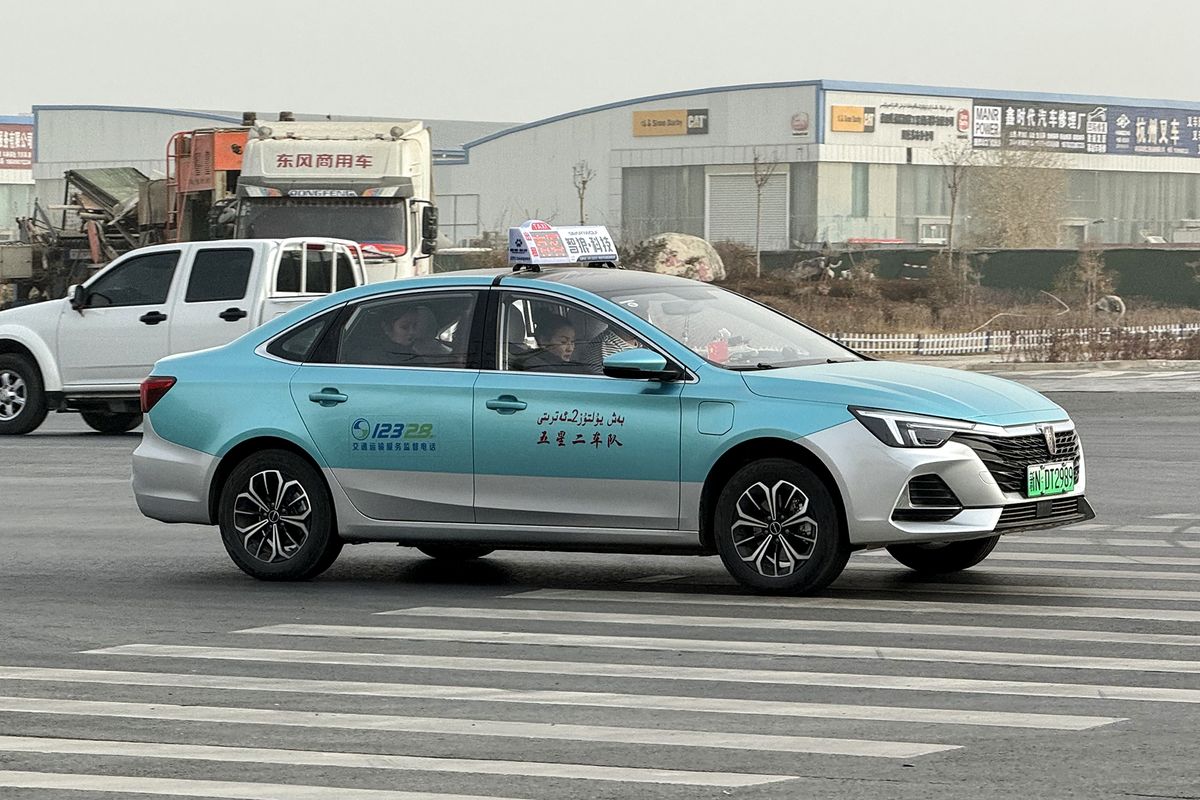
Didi hails both its own cars and regular metered taxis through the app — set your pickup and destination, and the fare is fixed before you ride.
Registering with a foreign number
- Download the Didi app (it’s a single app for international and local users — it detects your region and offers an English interface).
- Register with your foreign phone number and confirm the SMS code.
- Complete the short identity verification step with your passport details.
- If you can’t receive the SMS while traveling, register before you leave home or on airport Wi-Fi.
Adding a payment method
Two easy options:
- Foreign card: bind a Visa, Mastercard, JCB or Amex in the app’s payment settings. International cards are supported for tourist accounts.
- Alipay: connect Alipay and pay through it — useful if you already set up Alipay for the trip (see our Alipay setup guide).
- Cash: some cities and drivers accept cash, but it’s the least convenient option. Setting up a card or Alipay in advance avoids the hassle.
Booking your first ride
- Set your pickup (Didi uses your GPS location) and destination. You can type English addresses and pin them on the map.
- Choose a car type — see below.
- Confirm the fare estimate shown in the app.
- Wait for the driver at the pickup point — watch the car’s plate and color.
- Get in, ride, and the fare is charged automatically when you arrive. No tipping is expected in China.
Booking a Didi ride is a five-step tap: set pickup and destination, pick a car type, confirm the fare, then watch the driver’s plate and position on the map.
Car types at a glance
- Express (快车) — economy sedans, the default and cheapest option.
- Premier (优享) — newer cars, slightly more expensive.
- Luxe (专车) — premium sedans; good for airport transfers or treating yourself.
- 6-seater — vans for groups or extra luggage.
- Taxi — Didi also hails regular metered taxis through the app.
- Hitch (顺风车) — carpooling; cheaper but less predictable.
Prices rise with surge pricing during rush hour, rain, and holidays. A ride across the center of a big city is usually modest — think the price of a short domestic flight on a good day — though fares vary a lot by city.
Safety and etiquette
- Check the plate matches the app before getting in — the standard step anywhere.
- Share your trip with a contact from the app’s safety menu; there’s also an emergency button and in-app recording in some markets.
- Don’t be surprised by the pickup area — in some downtown zones, drivers can only pick up at designated spots, so follow the pin.
- Tipping isn’t expected, and drivers won’t be offended if you sit quietly the whole ride.
The alternatives
- Gaode Maps (Amap, 高德) — the most-used navigation app in China has built-in ride-hailing and taxi booking, and sometimes finds cars faster than Didi. The interface is mainly Chinese, but you can type a destination in English and the pin usually lands correctly. It’s a good backup if Didi is busy.
- Street taxis — flagging a cab is still common in cities; make sure the driver starts the meter.
- Airport and hotel desks — for long trips, a hotel can arrange a car, usually at a premium.

In some downtown zones Didi drivers can only pick up at designated spots — follow the app’s pin rather than expecting the car at the exact curb.
For anything with a fixed schedule, high-speed rail beats a car — see our guide to booking train tickets for routes like Beijing–Shanghai.
Before you go
- Set up the app at home with your passport and card details, so the first ride is a tap away.
- If you’re using Alipay as your payment, bind it first.
- Keep your phone online with an eSIM or local SIM — the app needs data to match you with a driver.
- WeChat and Alipay both have mini-program ride-hailing shortcuts, but the standalone Didi app is the most reliable for foreign users.
What a ride costs
Didi fares are set per city and follow distance-plus-time logic, with no haggling. Rough guidance for a mid-size city (and prices change):
- Short hop (2–3 km): roughly ¥10–18.
- Across a big city center (8–12 km): roughly ¥25–50.
- Airport transfer (25–40 km): roughly ¥80–150, more at night.
Surge pricing multiplies fares during rush hour, rain and holidays — sometimes 1.5–2×. Alternatives when surge is high: wait a few minutes (it often drops), pick a cheaper car type, or take the metro. For reference, a metro ride is a few yuan and rarely surges.
When Didi won’t work, and what to do
- No drivers near your pickup (common late at night or in the suburbs): switch the car type, or walk to a busier road — drivers avoid parking on one-way lanes.
- Your destination is a landmark without a clear pin: search by the place name in the app, or type the Chinese name if you have it.
- The app asks for a Chinese phone number: that happens on some older builds; reinstall from the current app store version, which supports foreign numbers.
- Payment fails at the end: check the card is set as active, or pay with Alipay/cash to the driver if offered.
Using Didi at airports and stations
Airports and rail stations are the most useful places for the app. Most big hubs have a designated ride-hailing pickup zone — follow the signs to it rather than the taxi rank, because drivers can’t stop at the arrivals curb. Set your pickup to the zone name, and the app will guide both you and the driver. At railway stations, pickup points are usually on a specific road level or in a parking bay; look for the app’s indicated spot. For late-night arrivals when the metro has stopped, Didi is often the fastest option — just allow a few minutes for a driver to reach the zone.
Longer trips, groups and luggage
For airport transfers or day trips to out-of-town sights, Didi works but consider the options. An Express car fits two people with standard luggage; a 6-seater or Luxe handles groups and extra bags comfortably. For genuinely long journeys (2+ hours), drivers on app trips may prefer not to accept, and a pre-booked private transfer or hotel car is more reliable. Note that Didi rides are not pre-priced as fixed transfers — the fare is distance+time based, so a long trip can be pricey. When in doubt, compare the app fare against the cost of high-speed rail for inter-city legs.
A quick safety checklist
- Check the plate and car model against the app before you get in — the standard step anywhere.
- Share the trip with someone at home from the app’s safety menu.
- Confirm the pickup zone at airports and stations — drivers can’t always reach the curb.
- Watch for surge pricing at rush hour and in rain; if the fare spikes, wait a few minutes or switch car types.
- Don’t tip — it’s not expected in China.
- Keep an eSIM active so the app’s data connection doesn’t drop mid-ride.
Common mistakes to avoid
A few small errors cause most of the friction travelers hit with Didi:
- Setting the pickup to your exact GPS position in a mall or hotel lobby — drivers may not be able to stop where the pin drops. Walk to a street entrance or a designated pickup zone before confirming.
- Not checking the license plate before getting in — always match the plate and car model in the app to the car that pulls up; drivers occasionally operate similar-looking vehicles.
- Standing at the wrong curb at airports and stations — the app’s pickup zone is usually not the taxi rank. Follow the signs to the ride-hailing area.
- Trying to pay in cash without confirming first — not every driver carries change or accepts cash; card and Alipay are the reliable defaults.
- Ordering during peak surge without comparing options — a quick look at the cheaper car type or a five-minute wait often drops the fare by a third.
- Assuming the driver sees your destination address in English — the driver sees the pin on a Chinese map; it works, but keep the address written in Chinese characters as backup.
- Forgetting your data can drop in tunnels and metro underpasses — if the trip seems to stall, the driver will usually call; a short pre-set note in Chinese explaining you’re a foreign visitor helps.
None of these are serious, but they are the difference between a smooth five-minute pickup and a frustrating one.
Didi in smaller cities
Didi works in every Chinese city of any size, but the experience scales with the city. In first-tier cities like Beijing, Shanghai and Guangzhou, drivers are abundant, the pickup zones at airports are well-marked, and you rarely need English because the app does the work. In smaller cities and towns, the driver pool is smaller and wait times longer, especially at night; you may also find that cheaper car types are unavailable and the app defaults to a standard sedan. On the positive side, fares in smaller cities are lower, and drivers are often more willing to wait while you find your hotel. In rural areas, Didi coverage can be thin — for genuinely remote sights, arrange a car through your hotel or a local driver instead of relying on the app.
Last updated: August 2026. App features and payment options change — confirm current steps in the Didi app before you go.
Frequently Asked Questions
Can foreigners use Didi in China?
Yes. Didi's app has an English interface for international visitors, you can register with a foreign phone number, and you can bind a foreign Visa or Mastercard or pay through Alipay. It's the easiest way for tourists to get around without cash.
How do I pay for a Didi ride?
Link a foreign Visa or Mastercard in the app, or connect Alipay and pay through that. Cash payment to the driver is also offered in many cities, though it's less convenient. Fares are set in the app before you ride, so there's no haggling.
What car types can I choose on Didi?
Typical options are Express (economy), Premier (upgraded), Luxe (premium), 6-seater vans, and ride-hailed taxis. Hitch (carpooling) is also available. Prices and availability vary by city and time of day, with surge pricing during rush hour and bad weather.
Is Didi safe to use as a solo traveler?
Yes. Rides are tracked in-app, you can share your trip with a contact, and there's an emergency button. Matching the license plate to the app before you get in is the same basic safety step as anywhere in the world.
What if I don't want to install Didi?
The Gaode Maps (Amap) app includes ride-hailing and taxis, but the interface is mainly Chinese. Many travelers also flag down street taxis directly, and English-speaking support is patchy there. Didi remains the smoothest option for foreigners.