
Chinese New Year in China: A Complete Travel Guide (2027)
Everything international visitors need for traveling China during Chinese New Year (Spring Festival) — what happens, train bookings, crowds, and whether it's worth it.
Chinese New Year is China’s biggest holiday — and the hardest time to travel the country. Here’s what international visitors need to know before going.
Every year, around late January to mid-February, the world’s largest annual human migration happens: hundreds of millions of people travel home for Spring Festival. For travelers, that’s a double-edged sword — the celebration is spectacular, but the logistics are the most challenging of the year. This guide tells you what actually happens, how to plan, and whether it’s worth it.
What actually happens
Chinese New Year (Spring Festival, 春节) is the biggest holiday on the Chinese calendar. For about two weeks:
- Everyone travels home. Cities empty out as people return to their families — the reverse of what you might expect. Big cities can feel quieter; small towns fill up.
- Trains and flights sell out. The homecoming rush is enormous, especially in the week before and after the festival.
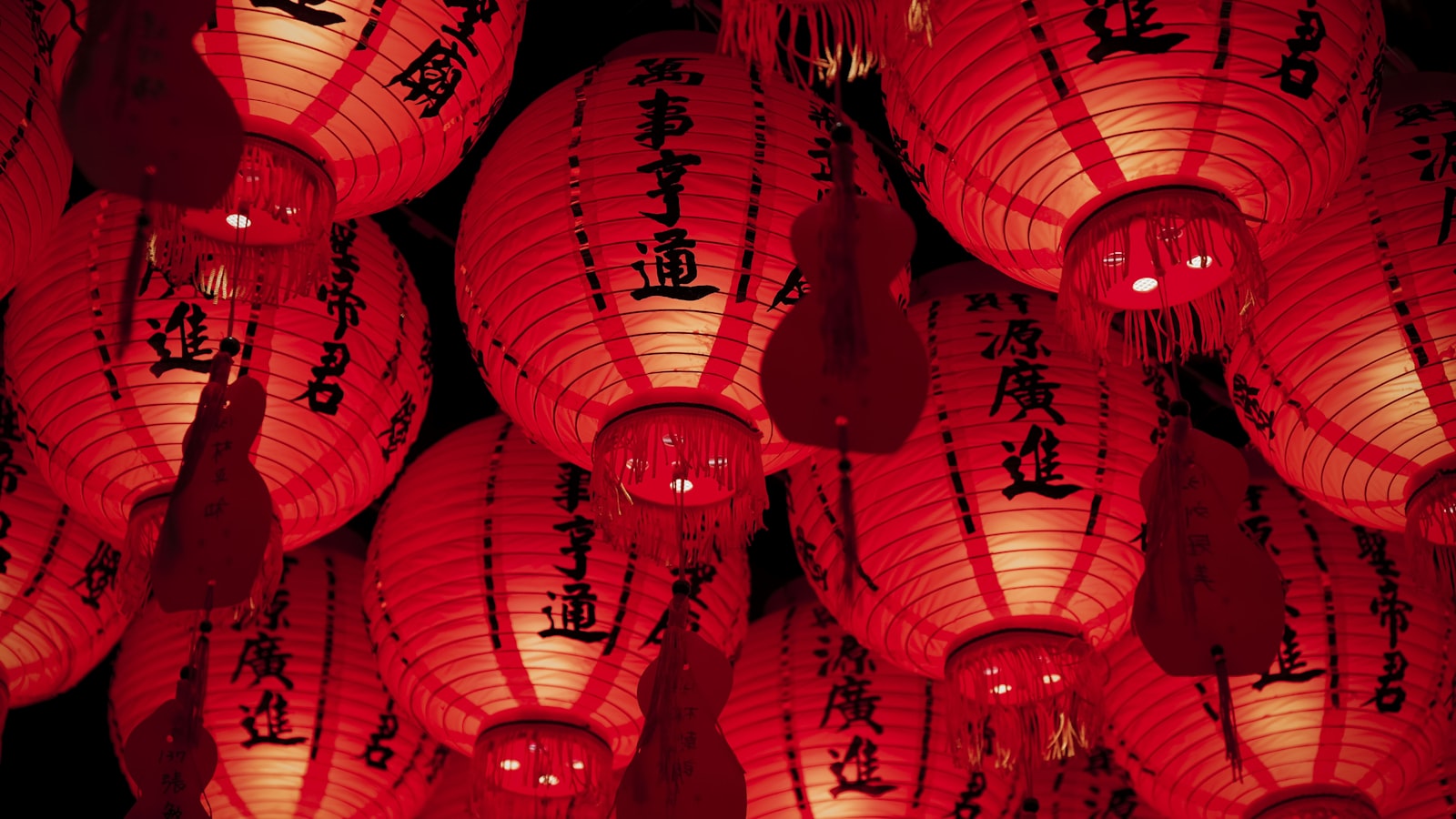
- Fireworks and lanterns. Despite restrictions in many cities, New Year’s Eve brings spectacular fireworks, and the Lantern Festival (15 days later) closes the season with lantern displays.
- Temple fairs. Traditional fairs (Miaohui) with food, performances and games spring up in parks and temple grounds.
- Shops close. Many family-run restaurants and small shops shut for the reunion dinner and the days after.
The two-week travel chaos
The migration breaks into two waves:
- The pre-festival rush (about a week before New Year’s Eve): everyone heads home. Trains out of big cities are packed; the reverse direction (into cities) is usually fine.
- The post-festival return (about a week after): everyone heads back to work. The direction flips.
If you time your travel to go with the crowd (arriving in a city as people leave, or leaving after the rush), it’s far easier.
Booking strategy
- Trains: book the moment sales open — popular routes go in minutes. For New Year, tickets open further ahead than normal.
- Hotels: big-city and resort hotels fill and prices rise. Book well ahead, especially in tourist cities like Beijing, Shanghai, Chengdu and Sanya.
- Flights: domestic flights sell out fast and prices spike. International arrivals are less affected — the chaos is mostly domestic.
- Restaurants: book New Year’s Eve dinner ahead. Stock snacks for the days some places close.
How to enjoy it as a tourist
- Watch the fireworks on New Year’s Eve — many cities put on stunning displays.
- Visit a temple fair — the traditional Miaohui with food, games and performances.
- Try the New Year foods — dumplings (jiaozi) in the north, nian gao (sticky rice cake), spring rolls and fish dishes that symbolize abundance.
- See the decorations — red lanterns, couplets and festive lights transform the streets.
- Be patient with crowds at the famous sights, or visit smaller local celebrations instead.
Is it worth it?
Choose Chinese New Year if you want a once-in-a-lifetime cultural peak — the fireworks, the lanterns, the energy — and can plan logistics carefully.
Skip it (travel around it) if you prefer easy trains, open restaurants and cheap hotels. The weeks before or after the festival offer the same sights with a fraction of the chaos.
Either way, plan ahead: this is the one time of year where ‘just show up’ doesn’t work in China.
The exact dates matter
Chinese New Year follows the lunar calendar, so the date shifts every year. For planning, what matters is less the single festival day and more the surrounding window: the homecoming rush (about a week before New Year’s Eve), the quiet holiday days (New Year’s Eve through the first few days), and the return rush (about a week after). The quiet middle is actually the easiest time to be in a big city as a tourist — streets are less crowded, and the festive displays are at their peak. The two rush windows are the ones that make trains and flights painful.
A rough budget for festival travel
Festival prices run higher than normal. Rough guidance for planning (per person, CNY, and prices change): hotels in tourist cities can be 1.5–2× the normal rate during the holiday; domestic flights spike dramatically; trains keep the same fares but sell out (so you pay for scarcity, not a markup); restaurants cost about the same but may add holiday surcharges; attractions mostly keep regular prices. If budget matters, the days just before or after the festival are much cheaper.
The quiet vs the busy, city by city
- Beijing and Shanghai: festive and tourist-ready; big sights open, but the famous ones are busy. Streets can feel quieter as locals go home.
- Chengdu and Chongqing: relaxed and food-forward; hotpot for the holiday is a joy.
- Sanya and the coast: the holiday is peak beach season for domestic travelers — book very early or avoid.
- Small towns and villages: these fill with returning families and are the most traditional, but hardest for tourists to navigate.
What to pack for a CNY trip
- Layers for the cold — most of China is cold in this season; the north is freezing.
- Cash as backup — some small shops close; Alipay covers most.
- Snacks — for the days some restaurants are closed.
- Flexible plans — a day’s cushion helps when trains and bookings get tight.
Is it worth it — the honest verdict
The honest answer: Chinese New Year is the least convenient time to travel China and the most memorable time to experience it. If you’re flexible, well-booked and happy to embrace crowds and closures, the fireworks, lanterns and family warmth are unforgettable. If you value ease, choose the shoulder weeks instead. Neither choice is wrong — it’s about what kind of trip you want.
The five things first-timers get wrong
- Assuming cities stay open as usual — many restaurants and small shops close for the reunion; plan meals ahead.
- Booking trains too late — CNY tickets sell out fastest of any time of year; book the moment sales open.
- Forgetting the cold — most of China is genuinely cold in this season; the north is freezing. Pack properly.
- Expecting everything to be ‘on’ — the quiet middle days are peaceful, not bustling; the energy is in family homes, not streets.
- Ignoring the two rush windows — the week before and after the festival are the worst for travel; time your legs around them.
How it compares to other holiday travel
Chinese New Year is bigger than Golden Week (the October holiday) in every way that matters for travel: more people, more closures, and higher prices. Golden Week is a travel holiday where people go on vacation; CNY is a homecoming where people return to family — which is why cities empty out rather than fill up. Understanding the difference explains the logistics: during CNY, tourist cities and hotels stay ready, but family-run restaurants close and trains head toward small towns.
A safety and comfort note
China is extremely safe even during CNY, and the festival adds no security concerns. The practical risks are cold weather (dress properly), crowds at famous sights (book timed tickets), and the small chance of a booking gap (have a backup plan). Travel insurance is worth having — see our insurance guide — and a flexible itinerary cushions any hiccup.
The bottom line for different travelers
- Culture-first travelers: CNY is unmissable — the fireworks, lanterns and family warmth are the real deal.
- First-timers: choose a tourist-ready city and book everything early; the festival adds atmosphere without breaking a well-planned trip.
- Repeat visitors: a CNY trip is a whole new layer of China — worth doing once, ideally in a city you already know.
- Budget travelers: travel just before or after the festival for the same sights at lower prices.
Where CNY fits your year of planning
If you’re building a China travel year: CNY (Jan-Feb) is the hard-but-memorable peak; cherry blossom season (Mar-Apr) and autumn (Sep-Nov) are the comfortable sweet spots; summer is hot but lively. See our seasonal guide for the full picture of how the calendar shapes travel.
Dates as of August 2026. Chinese New Year follows the lunar calendar — confirm exact dates for your travel year before booking.
Frequently Asked Questions
When exactly is Chinese New Year?
It follows the lunar calendar, so the date shifts each year — usually between late January and mid-February. The travel chaos peaks in the week before (when everyone goes home) and the week after (when everyone returns to work). If you're planning around it, check the exact dates for your travel year.
Is Chinese New Year a good time for tourists to visit China?
It's spectacular but challenging. Cities empty out as people go home, so some restaurants and shops close; trains are packed; and hotels are pricey. But the upside is unique: fireworks, lantern displays, temple fairs and a real sense of the country's biggest celebration. It's a 'plan carefully' time, not an 'avoid entirely' time.
How do I book trains during Spring Festival?
Book the moment tickets go on sale — for many routes they sell out in minutes. Use [Trip.com or 12306](https://chinotrips.com/how-to/train-tickets/) with your passport. Consider a route that isn't the exact homecoming corridor, and book hotels early. The safest strategy is to fly into a smaller city or travel after the main rush.
Do shops and restaurants close during Chinese New Year?
Many do, especially on New Year's Eve and the first couple of days. Family-run places close for their own reunion dinners. Big hotels, international chains and tourist restaurants mostly stay open, and big-city sights remain accessible. Stock some snacks and book dining ahead for New Year's Eve.
What should I do to celebrate it as a tourist?
Join the temple fairs (Miaohui), watch fireworks and lantern displays, try the New Year foods (dumplings, nian gao, spring rolls), and see the city's festive decorations. Big cities put on impressive shows. Being there for the midnight countdown on New Year's Eve is unforgettable.
Is it worth visiting China during Chinese New Year?
It depends on your priorities. If you want to experience the biggest cultural event in the world's most populous country, it's once-in-a-lifetime. If you value easy logistics, empty sights and cheap hotels, travel in the weeks either side instead — the weather is still good and crowds drop.