
Golden Week Travel in China: Plan Around the Crowds (2026)
National Day Golden Week (Oct 1–7) is China's busiest travel period. What happens, how to plan, when to avoid it, and alternatives for a calmer trip.
Golden Week — China’s October 1–7 National Day holiday — is the single busiest travel period in the country. Here’s what happens and how to plan around it.
Every October, China celebrates its National Day with a full week of holiday — and everyone travels at once. For international visitors, Golden Week is the travel equivalent of a storm: the famous sights fill, prices spike, and everything needs early booking. This guide explains what to expect and how to plan — including the smarter alternative.
What actually happens
During October 1–7:
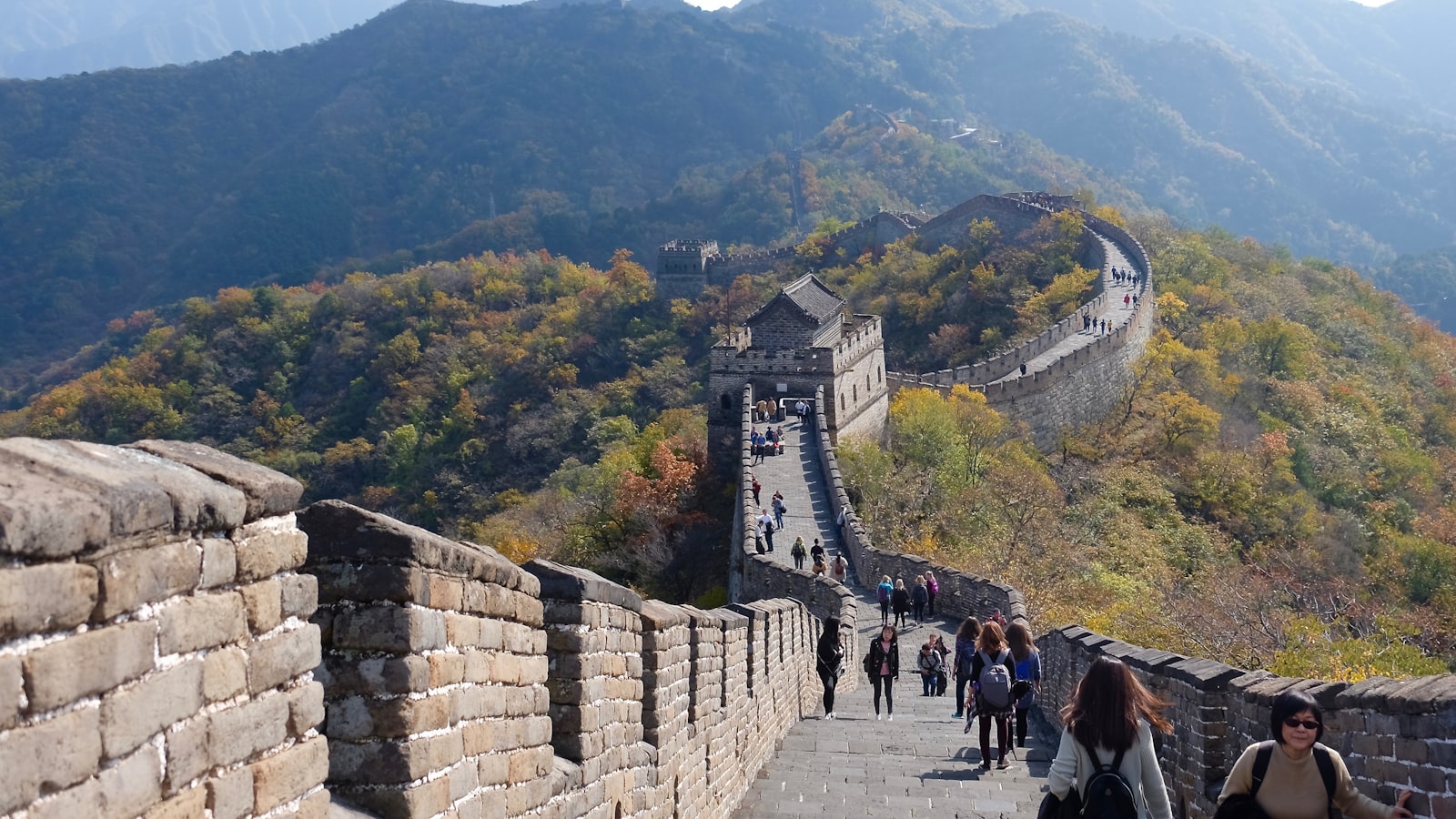
- Tourist destinations fill. The Great Wall, Forbidden City, West Lake and the beach resorts become seas of people.
- Trains and flights sell out. Domestic routes are packed and prices rise.
- Hotels spike. Tourist-area hotels fill and cost 2× the normal rate or more.
- Queues stretch. Famous sights have hours-long ticket lines unless you book timed entry.
It’s the one time of year when China’s tourism infrastructure runs at absolute maximum.
Why most travelers skip it
For most visitors, Golden Week is a time to avoid:
- Crowds at every famous sight — the experience degrades.
- Prices at 1.5–2× normal for flights, hotels and some activities.
- Logistics — trains and restaurants book out, and everything needs advance planning.
If your dates are flexible, the weeks either side are simply better: the same autumn weather, a fraction of the people.
If you must travel during Golden Week
- Book everything months ahead — flights, trains, hotels, timed sight entries.
- Go to sights at opening time — before the day’s crowds build.
- Choose smaller destinations — less-touristed cities and sights handle it better.
- Accept the crowds — they’re unavoidable; the festive energy is real, but so is the crush.
- Stay flexible — a buffer day helps if bookings shift.
The smarter plan: travel around it
The weeks before (late September) and after (mid-October) are the sweet spot:
- Same autumn weather — crisp, clear, and ideal for the Great Wall, West Lake and outdoor sights.
- A fraction of the crowds — the famous sights are genuinely enjoyable.
- Normal prices — hotels and flights return to standard rates.
- Easier logistics — book when you want, not when you can.
For most travelers, this is the clear choice.
How it compares to Chinese New Year
Golden Week and Chinese New Year are both busy, but opposite in character: CNY is a homecoming (cities empty, families gather), while Golden Week is a vacation (tourist spots fill). For avoiding crowds at sights, Golden Week is actually harder — the crowds go where tourists go.
The bottom line
Golden Week is China at its most crowded. Unless your dates are locked, plan around it — the weeks before or after give you the same trip with a fraction of the stress. And if you must travel during it, book everything far ahead and manage expectations.
The sights, honestly
During Golden Week, the icons are packed: the Forbidden City can reach capacity and sell out its timed tickets; the Great Wall at Badaling becomes a slow-moving queue; West Lake’s causeways are shoulder-to-shoulder. It’s not that they’re closed — they’re just at maximum. The usable strategy: book timed entry the moment it opens, go at opening, and pair each icon with a quieter alternative so you’re not fighting crowds all day.
Choosing a less-touristed destination
If your dates are locked to Golden Week, pick destinations that absorb crowds better: smaller cities (Changsha, Kunming, Guiyang), mountain and nature areas (spread out), or second-tier sights in big cities. Sanya, the Great Wall, the Forbidden City and West Lake are the worst; a mid-size city with good food and manageable sights is the smarter play.
The Mid-Autumn overlap
Mid-Autumn Festival often falls near Golden Week — sometimes merging the two into a longer break. That means: an even longer peak period in some years, and festival-specific crowds at lantern displays and moon-viewing spots. Check the exact dates for your travel year and plan for both if they overlap.
Golden Week vs the shoulder
The practical comparison: late September (before) and mid-October (after) offer the same crisp autumn weather with a fraction of the crowds and normal prices. The Great Wall is walkable, West Lake is peaceful, and bookings are easy. For most travelers, the shoulder is the obvious choice — Golden Week is the version you take only when dates are fixed.
The bottom line, again
Golden Week is China’s busiest travel period, and the honest advice is to plan around it. If you can’t, book everything far ahead, choose smaller destinations, and manage expectations. If you can, the weeks either side give you the same trip — better in almost every way. See our festivals calendar for the full year of planning.
A realistic Golden Week budget
Golden Week prices run high. Rough guidance for planning (per person, CNY, and prices change): flights on domestic routes spike 2–3× on the peak days; hotels in tourist cities run 1.5–2× the normal rate and book out; trains keep standard fares but sell out (so early booking is the win); attractions mostly stay standard, with timed entry required at the icons. If your budget is tight, the shoulder weeks are dramatically cheaper.
What stays open (and what’s busiest)
Almost everything stays open during Golden Week — it’s a peak tourism week, not a holiday closure. The icons (Forbidden City, Great Wall, West Lake) are open but at capacity. The good news: museums, parks and smaller sights absorb the crowds better, and new-tourist destinations (Changsha, Kunming, Guiyang) are manageable. The crowds are concentrated at the famous names — avoid them or book them precisely.
A Golden Week pocket plan
- Book everything months ahead — flights, hotels, timed sight entries.
- Go to the icons at opening time — before the day’s crush.
- Pair each icon with a quieter sight for the middle of the day.
- Choose a smaller city or nature area if you can — they handle it better.
- Keep a buffer day — flexibility turns a sold-out moment into a minor change.
The honest recommendation
For most international visitors, Golden Week is the wrong time to visit China — the crowds degrade the experience and the prices punish spontaneity. The weeks before or after deliver the same autumn beauty with a fraction of the stress. If your dates are locked, go small and book everything early. If you can choose, choose the shoulder. Choose the right dates, and China in October is one of the most beautiful places on Earth — with or without the crowds. The choice is yours: chase the crowds for the energy, or catch the same country at its calmest a week later. Either way, plan ahead and enjoy the trip. China in autumn is worth seeing regardless of when you go — make it easy on yourself. Enjoy the journey! Golden Week or shoulder season — China awaits. Have a great trip!
Golden Week is October 1–7 every year. Confirm the exact holiday dates for your travel year.
Is it ever worth it?
For most tourists, Golden Week is best avoided — the crowds, price spikes and sold-out transport make it the hardest week of the year to travel well. The exceptions: if it is your only available window and you stay in one base city with everything pre-booked, or if you specifically want to witness a Chinese national holiday at full volume. Otherwise, shift your trip a week earlier or later.
Frequently Asked Questions
When is Golden Week in China?
Golden Week is the National Day holiday, October 1–7, every year without exception. It's the country's biggest travel period — hundreds of millions of people take vacations at once, and tourist destinations, trains and flights fill to capacity.
Is Golden Week a good time to visit China?
For most travelers, no — it's the single busiest time of the year. The famous sights become seas of people, ticket queues stretch for hours, and prices spike. If your dates are flexible, the weeks before or after offer the same autumn weather with a fraction of the crowds.
What actually happens during Golden Week?
Tourist destinations fill up: the Great Wall, Forbidden City, West Lake and Sanya's beaches get enormous crowds. Trains and domestic flights sell out and prices rise. Hotels in tourist areas fill and cost more. It's the travel version of Chinese New Year — but for vacation, not homecoming.
Can I make Golden Week work if my dates are fixed?
Yes, with heavy planning: book flights, trains and hotels months ahead; go to famous sights at opening time; choose smaller or less-touristed destinations; and accept the crowds. It's doable, but it's the hardest way to see China. Budget extra and keep expectations realistic.
What's the alternative to Golden Week?
Travel the weeks before or after — late September or mid-October. The autumn weather is still excellent (crisp, clear, and great for the Great Wall and West Lake), but crowds drop dramatically and prices return to normal. It's the same trip with a fraction of the stress.
Is Mid-Autumn Festival connected to Golden Week?
They're separate but often close together in the calendar — Mid-Autumn is in September or early October, and sometimes the two holidays merge into a longer break. Both are busy; check the exact dates for your travel year and plan around them.