
Guangzhou, Shenzhen & Hong Kong in 5 Days
The south-China power trio — Guangzhou's food and history, Shenzhen's futuristic skyline, and Hong Kong across the border. A day-by-day 5-day plan.
OpenStreetMap Google Maps (opens externally)
Southern China’s three power cities in one easy loop — the food capital Guangzhou, the futuristic instant-city of Shenzhen, and Hong Kong just across the border. This five-day route ties them together with some of China’s fastest trains, and one visa reminder you should read first.
The route at a glance
| Day | City | Focus |
|---|---|---|
| 1 | Guangzhou | Old Guangzhou, dim sum |
| 2 | Guangzhou | Canton Tower, Pearl River cruise |
| 3 | Shenzhen | Window of the World, OCT Loft |
| 4 | Shenzhen → Hong Kong | Skyline, then cross the border |
| 5 | Hong Kong | Victoria Peak, or back to Shenzhen |
Before you go — the visa reminder
Hong Kong is a separate entry from mainland China. Most Western passports are visa-free in Hong Kong, but you clear separate immigration. Check both sets of rules first: Hong Kong entry and the mainland visa-free list.
Day 1 — Arrive in Guangzhou
- Morning: if you land early, start at Chen Clan Ancestral Hall and a proper dim sum lunch.
- Afternoon: walk Shamian Island’s colonial streets.
- Evening: dinner and the night market. Full guide: Guangzhou.
Day 2 — New Guangzhou
- Morning: the Canton Tower (go up for the view over the Pearl River).
- Afternoon: the waterfront and the old foreign quarter.
- Evening: a Pearl River night cruise to see the skyline lit up from the water.
Day 3 — Train to Shenzhen
Take the morning high-speed rail (about 30 minutes) to Shenzhen.
- Afternoon: Window of the World if you like theme parks, or OCT Loft for the creative, café-and-gallery side of the city.
- Evening: the skyline light show around the financial district. Full guide: Shenzhen.
Day 4 — Shenzhen, then cross to Hong Kong
- Morning: the Ping An Finance Centre observation deck, or Dafen oil-painting village.
- Afternoon: cross the border to Hong Kong — by metro at Lo Wu, or the fast train from Futian to West Kowloon.
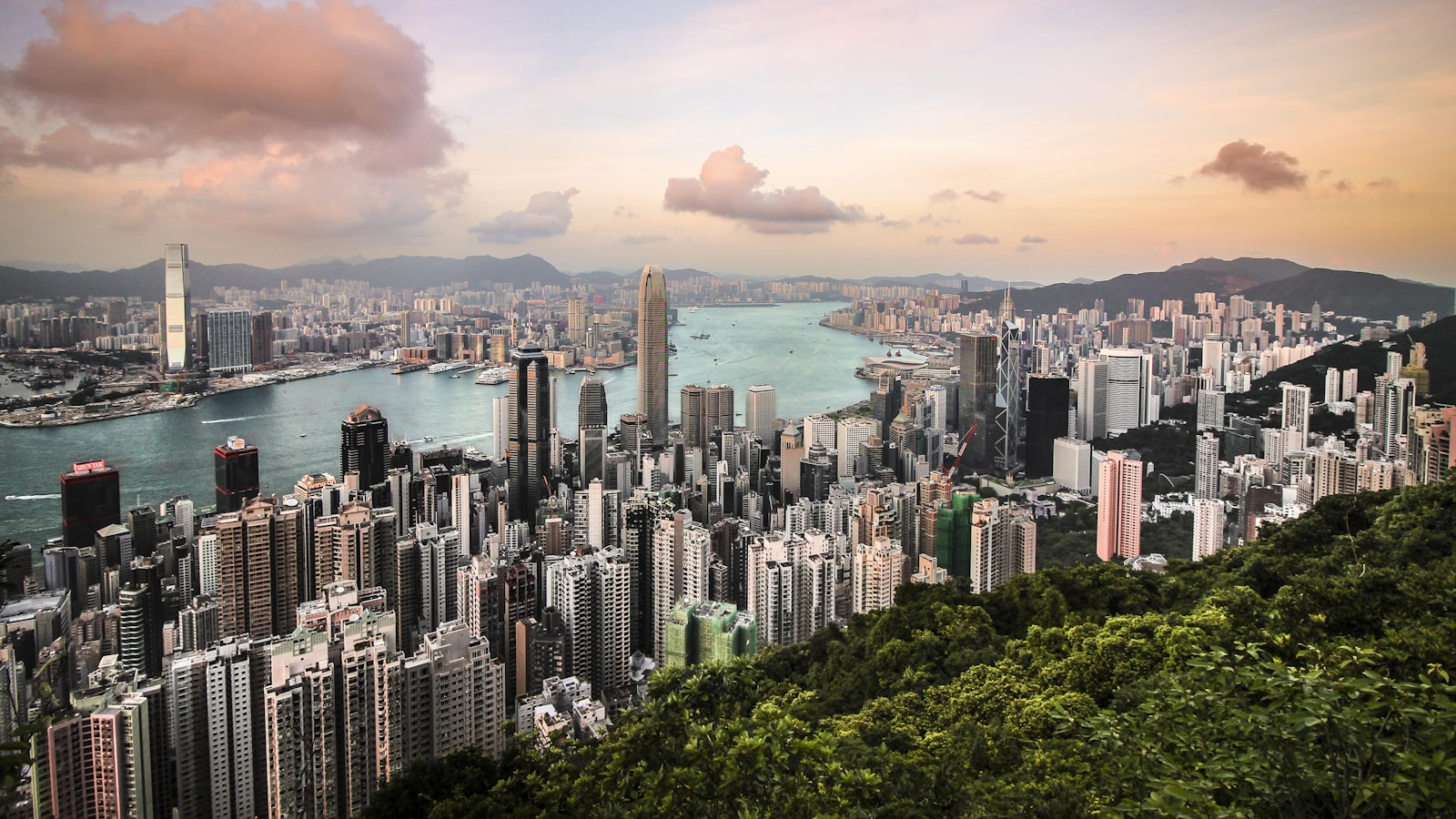
- Evening: the Victoria Harbour skyline. How the crossing works.
Day 5 — Hong Kong, or back to Shenzhen
- Option A: a full Hong Kong day — Victoria Peak, Central and a ferry across the harbour — before flying out of Hong Kong International.
- Option B: head back to Shenzhen for cheaper hotels and your onward mainland flight.
Short on time? Compress to four days: Guangzhou 2, Shenzhen 1, Hong Kong 1. With more time, add a day each to Hong Kong and Guangzhou.
Practical tips
- Book the Guangzhou–Shenzhen train and the border fast-train ahead with your passport. How to book trains.
- Carry your passport for every crossing — immigration stamps matter on both sides.
- Data and payment differ across the border: Alipay works in mainland China and increasingly in Hong Kong; a China eSIM plus Hong Kong coverage covers you. Set up payment before you arrive.
- Shenzhen is the budget base — many travelers sleep in Shenzhen and commute into Hong Kong to save on hotels.
Where this route fits
This is a great southern start or finish to a China trip, and pairs well with Guilin and the scenery routes to the north. Build the whole plan from our first-timer planner.
FAQ highlights
- Is this route too city-heavy? Yes, if you want nature — pair it with Guilin. As a city trip it’s excellent.
- Do I need Hong Kong dollars? Hong Kong uses its own currency; cards and mobile payment (Alipay, Apple Pay) work widely.
- Which city should I fly into? Guangzhou Baiyun (CAN), Shenzhen Bao’an (SZX) and Hong Kong (HKG) all work; flying into one and out of another avoids backtracking.
Getting between the three cities
The Greater Bay Area has some of China’s fastest, most frequent trains, so moving between the cities is painless. Here’s how each leg works:
- Guangzhou → Shenzhen: high-speed rail in about 30–40 minutes, with departures all day. This is the easy one.
- Shenzhen → Hong Kong: three good options — the metro across at Lo Wu or Lok Ma Chau, the high-speed rail from Futian to West Kowloon in about 15 minutes, or a road crossing at Shenzhen Bay. You clear immigration on each side.
- Guangzhou → Hong Kong (direct): a high-speed rail in about an hour to West Kowloon, if you’d rather skip the Shenzhen stop one way.
- Airports: flying into Guangzhou Baiyun, Shenzhen Bao’an or Hong Kong all work; flying into one and out of another avoids backtracking.
Carry your passport for every crossing and budget 30–60 minutes for immigration at the land or rail borders, longer on weekends and holidays. Book the Guangzhou–Shenzhen and the border fast-train tickets with your passport ahead — see our train guide. Once you’re in Hong Kong, the MTR and buses cover everything, and an Octopus card or mobile payment makes it seamless.
What to budget
This route spans three very different cost levels, so budget per city rather than a single figure. As a rough estimate and subject to change: Guangzhou and Shenzhen are moderate — roughly ¥400–700 per day for a comfortable hotel, meals and trains — while Hong Kong is markedly more expensive for accommodation, so many travelers sleep in Shenzhen and commute in for the day. The trains are cheap and frequent, so transport won’t be your problem. Food spans the full range: Guangzhou’s dim sum and roast meats are famously good value, Shenzhen’s malls run the usual city prices, and Hong Kong offers everything from cheap cha chaan teng diners to splurge restaurants. If you want to cut costs, make Shenzhen your overnight base and day-trip into Hong Kong, and eat where the locals queue.
What to eat & where to stay
Each city has its own food personality and its own best neighbourhoods to stay in:
- Guangzhou: stay near Shamian Island or the old city for the food — order dim sum at brunch, roast goose, and the late-night claypot rice. The city is the birthplace of Cantonese cuisine, so eat generously.
- Shenzhen: stay around Futian or the OCT Loft creative district, where cafés and restaurants cluster. The food is more pan-Chinese than Guangzhou, but the seafood and the late-night skewers are solid.
- Hong Kong: stay in Kowloon for a cheaper base with fast access to Central — then work through the cha chaan teng classics, dai pai dong stir-fries, and harbourfront dim sum.
Pack light and versatile: autumn and spring are mild, summer is hot and humid with typhoon risk, and winters are short and mild. Comfortable shoes matter in every city, and an umbrella or light rain layer covers you in the wetter months.
Short on time, or with more
If five days is too long, compress to four by doing Guangzhou in two, Shenzhen in one and Hong Kong in one — or drop Shenzhen entirely and run Guangzhou straight to Hong Kong on the direct rail, which is the cleaner option if theme parks and skylines aren’t your thing. With more time, add a day each to Hong Kong (for the islands, hikes and markets) and Guangzhou (for the food), or tack on a day trip from Shenzhen to the quieter coastal spots and beaches. Families often prefer more Shenzhen time for the parks, while food-focused travelers should weight the trip toward Guangzhou and Hong Kong. Solo travelers and first-timers will find Hong Kong the easiest city to navigate thanks to its English-friendly transit and signage. And if you’re coming for scenery, this city-heavy route is best paired with a flight north to Guilin rather than stretched — see the Shanghai–Hangzhou route for a gentler southern alternative.
Last updated: August 2026. Border and visa rules change — confirm with official sources before you travel.
Frequently Asked Questions
Do I need a separate visa for Hong Kong on this route?
Yes — Hong Kong has its own entry rules, separate from mainland China. Most Western passports enter Hong Kong visa-free for 90 days, but you must clear Hong Kong immigration separately from the mainland. See our [Hong Kong entry guide](https://chinotrips.com/destinations/hong-kong-entry/) for the details.
How many days should I spend in each city?
Two days in Guangzhou, one to two in Shenzhen, and a day (or more) in Hong Kong. With only five days total, pick two and a half: Guangzhou 2, Shenzhen 1, Hong Kong 1–2.
How do I get from Shenzhen to Hong Kong?
Three easy ways: the metro across at Lo Wu or Lok Ma Chau, the high-speed rail from Futian to West Kowloon (about 15 minutes), or the road crossing at Shenzhen Bay. You clear immigration on each side.
Is the Greater Bay Area route good for first-timers?
It's one of the easiest — modern cities, excellent trains, and Hong Kong gives you an English-friendly reset mid-trip. Just get the visa logic straight before you go, because the mainland and Hong Kong have different rules.
When is the best time to visit?
Autumn (October–December) is ideal — clear and mild. Spring (March–May) is pleasant. Summer (June–September) is hot, humid and typhoon-prone.