
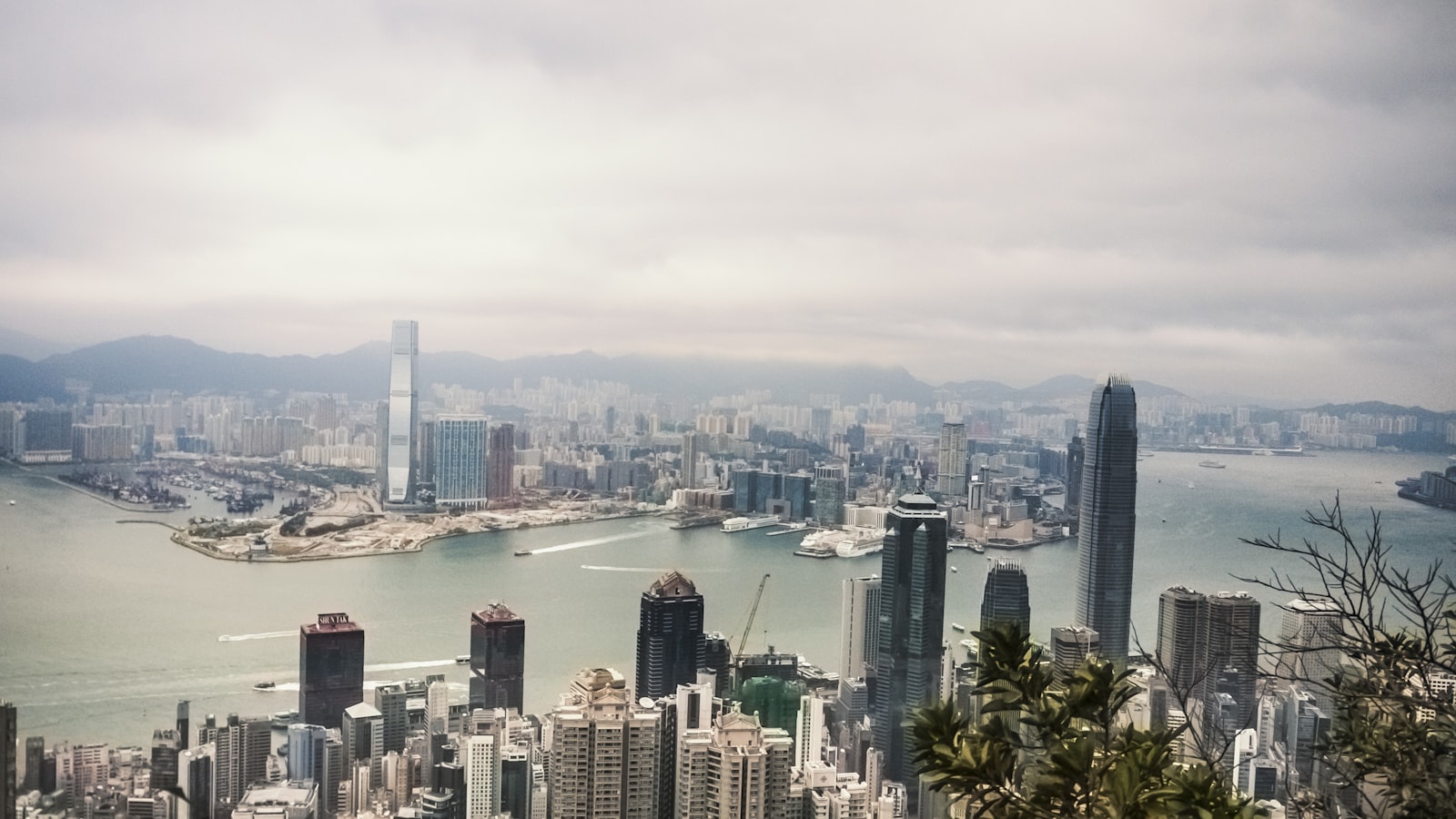
Hong Kong Entry Guide (2026): Visa-Free Stays & Crossings
How to enter Hong Kong — visa-free stays for many passports, the permit system from mainland China, and which border crossing to use.
Hong Kong is a world apart from mainland China — and that’s literally true at the border. This guide explains how to get in, how long you can stay, and how it fits into a mainland China trip.
Overview
Hong Kong is a Special Administrative Region (SAR) of China with its own laws, currency and immigration system. That means entry rules here are separate from mainland China — a mainland visa-free entry or visa doesn’t automatically cover Hong Kong, and vice versa. The good news: for most travelers, entry is straightforward and often visa-free.
Do you need a visa?
- Visa-free for many passports: most Western nationalities (including the US, Canada, Australia, New Zealand and most European countries) get visa-free stays in Hong Kong, typically 90 days — with some, like UK passports, allowed up to 180 days.
- Always verify: rules depend on your exact passport and can change — check the official Hong Kong Immigration Department list before you book.
- Chinese mainland residents need a Mainland Travel Permit for Hong Kong and Macao (港澳通行证) plus a valid visit endorsement, arranged in advance at mainland public security offices.
Hong Kong and your mainland China visa
The key thing to understand: they’re separate systems.
- Entering Hong Kong does not use your mainland visa or visa-free entry — and leaving mainland China for Hong Kong means exiting the mainland.
- If you’re continuing into mainland China after Hong Kong, make sure you have valid entry (visa, visa-free status or transit scheme) for the mainland separately.
- Many visitors structure a trip as: mainland cities → Hong Kong → fly home, or fly into Hong Kong → mainland → home.
Main border crossings
| Crossing | Type | Notes |
|---|---|---|
| Lo Wu (罗湖) | Rail / metro | The classic crossing; busy, from Shenzhen Luohu |
| Lok Ma Chau (落马洲) | Rail / metro | From Shenzhen Futian; connects to HK metro |
| Shenzhen Bay | Road | Bus or car crossing west of Shenzhen |
| West Kowloon | High-speed rail | Comfortable; ~15 min from Shenzhen Futian station |
Practical tips
- Carry your passport at all crossings — both sides stamp and check documents.
- Allow buffer time — weekend and holiday crossings can back up, especially at Lo Wu.
- Hong Kong uses the Hong Kong dollar — mobile payment works in many HK shops too, but an Octopus card is the most convenient way to pay for transport and snacks.
- Arriving from mainland China? Book high-speed rail with your passport — see our train guide.
- Stay connected — an eSIM for Hong Kong is separate from a mainland China one.
Arriving by air vs overland
Flying into Hong Kong International Airport is the easiest entry for most international visitors — immigration is efficient and visa-free entry is confirmed at the counter. Coming overland from mainland China means crossing at one of the Shenzhen gates, which are busier but straightforward if you have your documents ready. A useful detail: the airport and the city have their own rules for goods and cash, so if you’re arriving from the mainland with large amounts of Chinese currency or items to declare, read the customs guidance in advance.
Getting around once you’re in
Hong Kong’s MTR network is fast, clean and easy to navigate, and it connects the airport to the city center. An Octopus card covers the metro, buses, ferries, convenience stores and many restaurants — it’s the closest thing to a universal key. Taxis are metered and fine for short hops, and the Star Ferry across Victoria Harbour is both cheap and one of the city’s best value sightseeing rides. English signage is standard throughout.
If you plan to return to mainland China
A common itinerary is mainland → Hong Kong → mainland (for example, Guangzhou or Shenzhen → Hong Kong → home). Remember that returning to the mainland requires valid entry there — your visa, visa-free status or transit scheme — just as it did on the way in. Keep the entry stamps on your passport organized, and if you’re using the 240-hour transit scheme, be aware that leaving mainland China for Hong Kong ends that transit; you cannot ‘pause’ it and re-enter. Plan the order of your trip so the transit covers your mainland time as a single block.
How it fits into a China trip
Hong Kong is a natural addition at the start or end of a mainland itinerary. It’s about 15 minutes by rail from Shenzhen, roughly an hour from Guangzhou, and a short flight from most Chinese hubs. Many travelers start in Hong Kong, cross to Shenzhen, then ride the high-speed rail north to the classics: Shanghai, Beijing, Xi’an. Because entry rules are separate, check both sides of the border in your planning.
Step-by-step: a typical crossing
Take the Shenzhen-to-Hong-Kong day trip as the template:
- Documents: passport (and, for mainland residents, the permit with its endorsement). Have them ready before you reach the gate.
- Cross: at Lo Wu or Lok Ma Chau (rail) or via the West Kowloon high-speed rail. You clear mainland exit first, then Hong Kong entry.
- Arrival card: complete the landing card (or use the e-channel if your passport qualifies) at Hong Kong immigration.
- Money & transit: pick up an Octopus card at the station and load some Hong Kong dollars — or check whether your phone’s mobile payment is set up.
- The day: ride the MTR into Central or Tsim Sha Tsui, do your sightseeing, and leave yourself buffer time to cross back before evening.
The whole process is straightforward; it just takes longer than a normal metro ride because you clear two borders in sequence.
Money, connectivity & practical bits
Hong Kong runs on the Hong Kong dollar, and while mobile payment works in many shops, cash and an Octopus card remain the most convenient combination — the Octopus covers the metro, buses, ferries, convenience stores and even some restaurants. ATMs at the airport and stations dispense local currency. Connectivity is separate from the mainland: your mainland eSIM or VPN setup does not automatically cover Hong Kong, so arrange a Hong Kong eSIM or roaming if you need data. English is widely spoken and signage is bilingual, which makes the city one of the easiest places in the region to navigate independently. A final tip: keep some small cash for the Star Ferry and older food stalls, where cards and apps aren’t always accepted. All figures and policies are estimates and change — confirm before you go.
Common mistakes & the Macau add-on
- Assuming your mainland visa covers Hong Kong — it doesn’t; the systems are separate.
- Leaving no buffer for the border — weekend crossings back up, especially at Lo Wu.
- Forgetting you need valid mainland entry to return — if you’re going back, sort it before you cross out.
- Treating the transit scheme as pausable — leaving the mainland ends it.
A natural add-on: Macau is a short ferry ride from Hong Kong and is also a separate SAR with its own entry rules, so check those too. Many visitors pair Hong Kong and Macau in a single few-day leg at the start or end of a China trip — see our Shanghai and Beijing guides for how the pieces fit together.
Last updated: August 2026. Visa-free rules and crossings change — confirm before you go.
Frequently Asked Questions
Do I need a visa to visit Hong Kong?
For most Western and many other passports, no — Hong Kong allows visa-free stays of 90 days, and up to 180 days for some nationalities (UK passports among them). Check the official Hong Kong immigration list for your nationality before booking, because it's separate from mainland China's rules.
If I have a China visa, can I enter Hong Kong?
Not automatically. Hong Kong is a separate Special Administrative Region with its own entry rules, so a mainland China visa or visa-free entry does not give you the right to enter Hong Kong — and vice versa. Check both separately, and make sure you have a valid way back into mainland China if you're continuing there.
How do Chinese mainland residents visit Hong Kong?
Chinese citizens need a Mainland Travel Permit for Hong Kong and Macao (the 港澳通行证, often called the Exit-Entry Permit) plus an endorsement for the visit. This is arranged through the mainland's public security offices before traveling.
Which border crossing is easiest from mainland China?
It depends where you're coming from. From Shenzhen, Lo Wu and Lok Ma Chau are the busiest rail and metro crossings; Shenzhen Bay is a road crossing to the west; and the high-speed rail into West Kowloon is the most comfortable — about 15 minutes from Shenzhen Futian. You clear immigration on both sides in every case.
Can I do a day trip to Hong Kong from Shenzhen?
Yes — it's a common and easy day trip. Cross early, use the MTR around town, and cross back before late evening. Just remember you're clearing two immigration points, so carry your passport and give yourself buffer time.