
Inner Mongolia: Grasslands, Desert & Yurts in 6 Days
Sleep in a yurt on the steppe, ride horses across the grassland, then slide down the dunes at Xiangshawan — Inner Mongolia's best in a week, easy from Beijing.
OpenStreetMap Google Maps (opens externally)
Inner Mongolia is China’s wildcard — a world of rolling steppe, camel caravans and the singing dunes, two hours from Beijing. This six-day route gives you the two essentials in one trip: a night in a yurt on the grassland, and a day in the sand sea of the desert.
The route at a glance
| Day | Stop | Focus |
|---|---|---|
| 1 | Hohhot | Arrive, old temple |
| 2 | Xilamuren grassland | Yurt, horses |
| 3 | Grassland → Hohhot | Sunrise, return |
| 4 | Xiangshawan desert | Camels, sandboarding |
| 5 | Ordos | Genghis Khan’s mausoleum |
| 6 | Depart | Back to Beijing or Hohhot |
Day 1 — Arrive in Hohhot
Take the train or flight to Hohhot, Inner Mongolia’s capital. Wander the Dazhao Temple (a working Tibetan-Buddhist temple) and the old street around it, and eat the local mutton and nai cha (milk tea) — Inner Mongolia’s answer to the steppe.
Day 2 — Xilamuren grassland
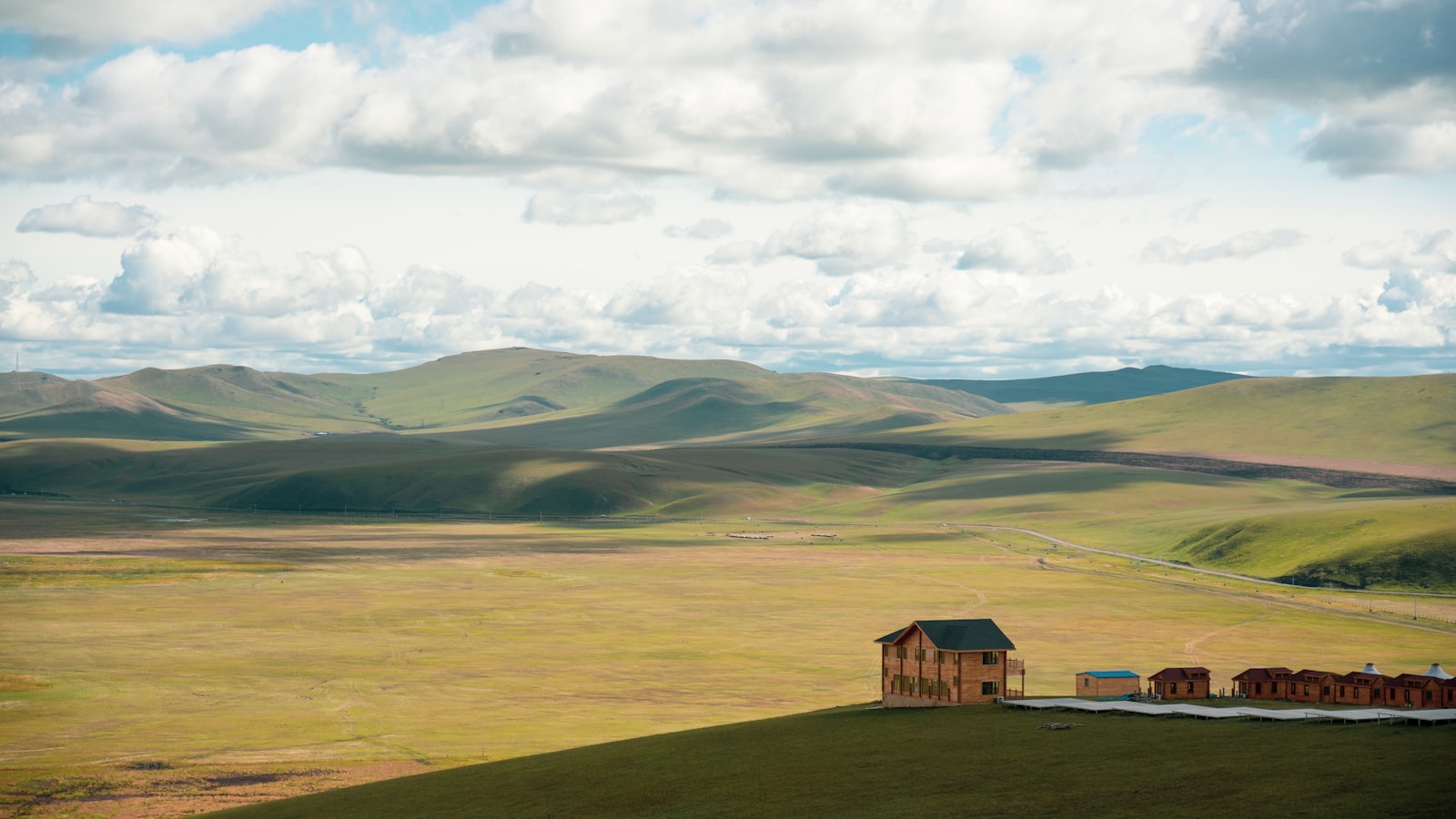
Drive out to Xilamuren (about 2 hours from Hohhot). Arrive, check into your yurt camp, and take a horse ride across the steppe. In the evening there’s usually a bonfire and a tasting of the local food — and the starfield above the grassland is one of China’s best.
Day 3 — Grassland sunrise, back to Hohhot
Catch the sunrise over the steppe (worth the early alarm), then head back to Hohhot in the afternoon. Evening free for the old town.
Day 4 — Xiangshawan desert
On to Xiangshawan (Resonant Sand Gorge) — a desert on the Yellow River with the famous singing sand. Ride a camel, try sandboarding, and stay for the desert sunset.
Day 5 — Ordos & Genghis Khan
From the desert, visit Ordos and the Genghis Khan Mausoleum — a striking site of memorial halls and a pilgrimage place for Mongol culture. Then return toward Hohhot.
Day 6 — Depart
Fly or take the train back to Beijing — or extend west toward the Ejina poplar forests (autumn) or the deep steppe if you have more days.
More time? Add a day for the deeper Gegentala grassland, or a night in a desert hotel for the dunes after dark. The Silk Road route is the natural way to continue west from here.
Practical tips
- Book the yurt camp and desert hotels ahead in July–August — they fill up fast.
- Pack for big temperature swings: the steppe is cold at night even in summer; bring a warm layer and a scarf for the wind and sand.
- Sunscreen and water are non-negotiable — both the high plateau and the desert are intense.
- Payment and data: Alipay and an eSIM cover everything; coverage is thin on the steppe, so download maps ahead.
Where this route fits
Inner Mongolia is a fantastic three- or four-day add-on to a Beijing trip — you can fly out of Beijing in the morning and be on the grassland by lunch. Build it into your overall itinerary.
FAQ highlights
- Is it safe to ride the horses? Yes — the tourist rides are guided and gentle; tell your guide if you’re a beginner.
- Do I need a guide? No — the grassland and desert both run as organized day trips from Hohhot.
- What about food? Expect lamb, dairy and the famous Inner Mongolian barbecue — a welcome change from the eastern cities.
Getting around the steppe & desert
The distances in Inner Mongolia are big, but the transfers are simple because everything funnels through Hohhot. Here’s how the hops work:
- Beijing → Hohhot: high-speed rail in about 2.5 hours, or a flight of roughly an hour — the standard gateway.
- Hohhot → Xilamuren grassland: about two hours by road; most yurt camps or guesthouses arrange the transfer or you join an organized trip.
- Hohhot → Xiangshawan (Resonant Sand Gorge): roughly 2.5–3 hours by road, often via the Ordos area.
- Xiangshawan → Ordos (Genghis Khan Mausoleum): about an hour by road.
Because the grassland and desert aren’t on rail lines, most travelers book the transfers through their accommodation or a day tour rather than trying public buses. Download your maps offline before heading out — mobile coverage is thin on the steppe and patchy in the dunes — and carry your passport for the hotels and any road checkpoints. If you’d rather not drive the transfers yourself, Hohhot hotels run well-organized day trips to both the grassland and the desert, which is the easiest way to cover the logistics.
What to budget
Inner Mongolia is reasonably priced once you’re there, but the yurt nights and the desert entry add up. As a rough estimate and subject to change: a budget traveler can get by on roughly ¥400–600 per day with simple hotels and shared transfers, while a comfortable mid-range trip with a better yurt camp, a desert hotel and private drivers runs nearer ¥900–1,400 per day. The main costs are the yurt stay, the Xiangshawan entrance and activities, and the road transfers, so bundling the grassland and desert into one organized tour can actually be the cheaper and simpler option. Food is good value — lamb, dairy and the famous Inner Mongolian barbecue — and horse riding and camel treks are usually priced per ride, so decide in advance which ones you want.
Timing, festivals & what to pack
The green season runs June to September, with July and August at the lushest — and busiest. The Naadam festival (usually mid-July) is the cultural highlight, with wrestling, archery and horse racing, so time your trip around it if you can and book accommodation well ahead. October is brown but quiet and fine for the desert. Pack for big swings: the steppe is cold at night even in midsummer, so bring a warm layer and a windproof jacket, plus a scarf or buff for the wind and sand in the dunes. Closed shoes beat sandals for both the grassland and the desert, and sunscreen, sunglasses and plenty of water are non-negotiable on the high plateau. A headlamp helps at the yurt camp, where the starfield is one of the best in China.
Food & culture highlights
Inner Mongolia’s table is as much the point as the scenery. The staples are lamb in every form — roast, boiled and skewered — plus heavy dairy like milk tea (nai cha), fresh yogurt and cheese curds, and the region’s signature barbecue. At a yurt camp you’ll usually get a welcome spread and a bonfire dinner, which is very much part of the experience rather than an add-on. Hohhot has the best restaurants for a proper sit-down meal, including the milk-tea breakfasts and the hand-pulled noodle shops around the old town, and the mutton here is a cut above what you’ll get in the eastern cities. If you can, time your visit around the Naadam festival (mid-July), which showcases the wrestling, archery and horse racing that define Mongolian culture — it’s the region’s most important event and turns a landscape trip into a cultural one. Outside the festival, the Dazhao Temple ceremonies and the Genghis Khan Mausoleum near Ordos are the main cultural anchors, and the old street around Dazhao is the place for a late-afternoon wander. Even if you skip the festival, the evening bonfire and a bowl of milk tea out on the steppe are the memories that stay with you.
Last updated: August 2026. Train and camp availability change — confirm before you travel.
Frequently Asked Questions
How do I get to Inner Mongolia from Beijing?
The easiest way is the high-speed train from Beijing to Hohhot (about 2.5 hours) or a short flight. From Hohhot, buses and organized tours reach the grasslands and the desert. Book rail with your passport. [How to book trains](https://chinotrips.com/how-to/train-tickets/).
Which grassland is best for a first visit?
Xilamuren (希拉穆仁) is the closest good grassland to Hohhot and the classic pick — yurts, horse riding, a sunset and a bonfire. Gegentala is further but wilder. Both are set up for visitors; the farther you go, the quieter it gets. For a one-off trip, Xilamuren is the practical choice.
When is the grassland green?
June to September is the green season — July and August are peak, with the steppe at its lushest and the Naadam festival (mid-July) a highlight. May and October are transitional (brown but quiet). Outside the green season the desert and the Hohhot sights still work well.
Is staying in a yurt comfortable?
The tourist yurt camps are comfortable — heated in cool weather, with private bathrooms at the better ones — though 'glamping' rather than authentic. It's the signature experience of the trip and well worth one night. Book ahead in July–August.
Can I do the desert and grassland in one trip?
Yes — they're about 2–3 hours apart via Hohhot, so a 5–6 day loop covers both comfortably. Xiangshawan (Resonant Sand Gorge) is the classic desert stop: camel rides, sandboarding and the singing-dunes phenomenon. See our [weather guide](https://chinotrips.com/how-to/weather-packing-by-season/) for desert packing.