
Summer on the Qinghai–Tibet Route: Lakes, Plateaus & High Passes
The Qinghai–Tibet route in summer — Qinghai Lake, the plateau, Lhasa and beyond, with altitude advice and a realistic 8-day plan.
Summer is the Qinghai–Tibet plateau’s window — cool, green and spectacular, when the rest of China bakes. Here’s how to plan the lakes, the plateau and Lhasa.
The Qinghai–Tibet plateau is China’s roof — vast, high and dramatically beautiful, and summer (June–September) is its best season: mild days, green grasslands and the lakes at their most vivid. It’s also a genuine escape from the eastern heat. This guide covers the route, the altitude and the planning.
The route
- Xining (1–2 days) — the gateway, and the surrounding monasteries.
- Qinghai Lake (2–3 days) — the vast alpine lake, its shore and grasslands.
- Lhasa and Tibet (4+ days) — the plateau’s crown, with the permit.
The classic line goes west from Xining to the lake, then toward Lhasa by rail or flight.
Why summer
- Mild days — 15–25°C at the main altitudes, when the east bakes.
- Green grasslands — the plateau at its most vivid.
- Clear passes — the summer weather opens the high routes.
- A genuine escape — the plateau is cool when the interior isn’t.
The altitude, honestly
The route runs high: Xining 2,200m, Qinghai Lake 3,200m, Lhasa 3,650m, the passes higher. The guidance: go slow the first day, hydrate, avoid alcohol, and be aware of the symptoms of altitude sickness. Most visitors adjust within a day or two. See our Tibet guide for the full picture.
The permits
- Qinghai — no special permit for the main sights.
- Tibet — foreign travelers need a Tibet Travel Permit, arranged through a licensed agency weeks ahead, plus a guided itinerary.
The practical plan
- Book ahead — summer is the plateau’s peak; flights and hotels fill.
- Go slow at altitude — the first day is for adjusting.
- Pack layers — warm days, cold nights, strong sun.
- Set up Alipay and an eSIM.
The bottom line
Summer is the Qinghai–Tibet plateau’s window — cool, green and spectacular, with the lakes and the culture at their best. It’s a genuine escape from the eastern heat, and a trip with altitude to respect. Plan the permits ahead, go slow, and the plateau rewards you with some of China’s most dramatic scenery.
Why the plateau in summer
The plateau’s summer is its secret: at 3,000m+, the days are mild (15–25°C) and the nights cool, when the eastern cities hit 35°C. The grasslands turn green, the lakes turn vivid (Qinghai Lake is a deep blue), and the passes clear. It’s a genuine escape from the heat — and the scenery is among China’s most dramatic.
A realistic budget
The plateau is moderate in summer. Rough guidance for planning (per person, CNY, and prices change): flights to Lhasa or Xining spike in summer — book early; trains keep standard fares but fill (the Qinghai–Tibet railway is an experience); hotels ¥200–500, more in Lhasa; attractions the lakes and monasteries are modest, the Tibet tours larger; food is affordable. Book ahead for the summer peak.
The transport, in detail
The Qinghai–Tibet railway is one of the world’s great rail journeys — but it runs high and long, and seats fill in summer. Book early, and consider the flight option (faster, from Xining or across the region) if time matters. Within the plateau, the lakes and monasteries are best with a car or day-tour for the spread-out sites. See our train guide for the booking.
Common mistakes to avoid
- Underestimating the altitude — go slow the first day, hydrate, avoid alcohol.
- Skipping the permits — Tibet needs a permit arranged weeks ahead.
- Rushing the acclimatization — build a gentle first day.
- Booking late — the summer peak fills flights, hotels and the railway.
- Packing only for the day — the plateau nights are cold; a warm layer is essential.
Who this suits
The plateau suits: scenery lovers (lakes, plateaus, passes), photographers (the high light), culture seekers (the Tibetan heritage), heat-avoiders (the cool highlands), and adventurers (the high passes and long rail). It’s less ideal for anyone with altitude concerns or who prefers the gentler lowlands.
The honest takeaway
Summer is the Qinghai–Tibet plateau’s window — cool, green and spectacular, with the lakes and culture at their best. It’s a genuine escape from the eastern heat, and a trip with altitude to respect. Plan the permits ahead, go slow, and the plateau rewards you with some of China’s most dramatic scenery.
Qinghai Lake, in depth
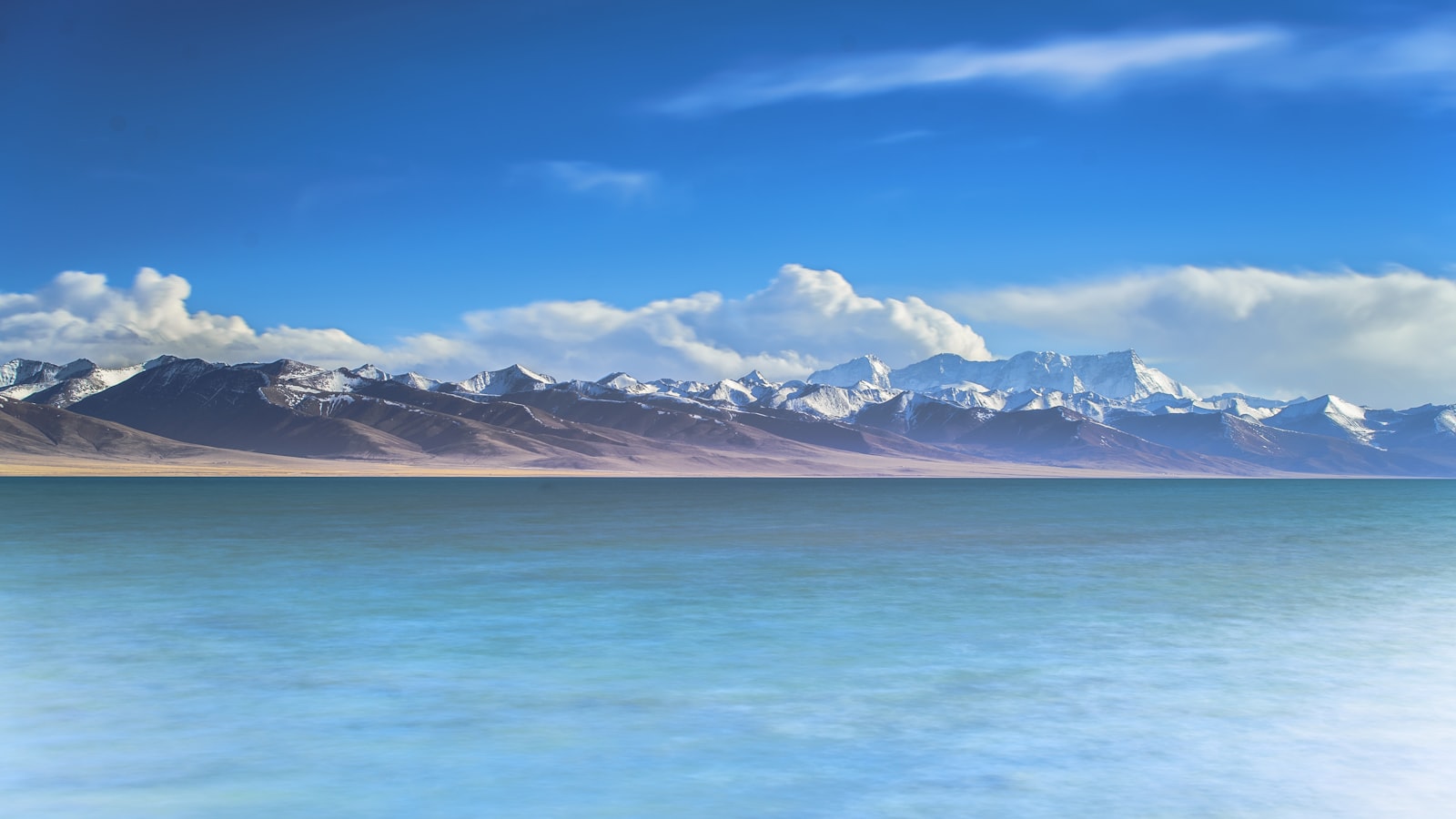
Qinghai Lake is the route’s centerpiece — China’s largest alpine lake, a vast deep-blue expanse ringed by grasslands and mountains. The experience is the shore and the light: cycling or driving the lakeside road, the grasslands in summer green, and the Tibetan culture of the surrounding villages. It’s not a beach — it’s a highland landscape, best appreciated slowly. See our Tibet and Qinghai guide for the details.
The Lhasa extension, honestly
Adding Lhasa makes the trip significantly bigger: it needs the Tibet Travel Permit (arranged weeks ahead through an agency), a guided itinerary, and a higher altitude (3,650m). It’s the plateau’s crown — the Potala, the Jokhang, the monasteries — but it’s a serious addition. For a first plateau trip, Qinghai alone is a gentle introduction; save Lhasa for when you can plan the permit and the altitude properly. See our Tibet guide and Tibet permit guide.
The photographic angle
The plateau is a photographer’s dream, and the best shots come from the light: dawn and dusk on Qinghai Lake (the vast water and the grasslands), the high passes (the layers of mountains), and the Tibetan culture (monasteries, prayer flags, the villages). The high-altitude sun is intense — protect the camera and yourself. Summer’s clear skies and long light are ideal.
A note on the weather
The plateau’s summer is mild but changeable: warm days (15–25°C), cold nights (near freezing at the highest points), strong sun, and the chance of afternoon showers. Pack layers — a warm jacket is essential even in summer — plus a hat, sunscreen and a light rain layer. The weather shifts fast, so flexibility beats a single outfit.
The honest final word
Summer is the Qinghai–Tibet plateau’s window — cool, green and spectacular, with the lakes and culture at their best. It’s a genuine escape from the eastern heat, and a trip with altitude to respect. Plan the permits ahead, go slow, pack for the cold nights, and the plateau rewards you with some of China’s most dramatic scenery. The plateau is China’s rooftop — and summer is when it’s at its most welcoming. Plan the permits, respect the altitude, and you’ll see one of the country’s most dramatic landscapes at its best. Go slow, look up, and the plateau will reward every step of the journey. The plateau’s summer is a once-in-a-lifetime experience — plan it well and it will stay with you forever. From the deep blue of Qinghai Lake to the prayer flags of the high passes, every day on the roof of China is memorable. Pack for the cold nights, respect the altitude, and let the landscape do its work.
Summer is June to September for the plateau’s best window. Permits and altitude need planning.
Summer at altitude
Summer is the most accessible season for Qinghai and Tibet, when the high passes are open and the weather is mild — but it is also the rainy season, so expect afternoon showers and bring layers for cold nights. The wildflowers and green grasslands are at their best, and the Qinghai Lake rapeseed fields bloom vivid yellow in July.
Frequently Asked Questions
Why summer for the Qinghai–Tibet route?
Summer (June–September) is the plateau's window: mild days, green grasslands, and the lakes at their most vivid. The passes are clear and the weather is the best of the year. It's also a genuine escape from the eastern heat — the plateau sits at 3,000m+, where summer stays cool.
What's the best route?
A classic line: **Xining** → **Qinghai Lake** (the vast alpine lake), then onward toward **Lhasa** — either by the famous Qinghai–Tibet railway or a flight. Each leg needs planning; the rail is an experience, the flight is faster. For a first plateau trip, Qinghai Lake alone is a gentle introduction.
Do I need permits?
For **Qinghai**, generally no special permit for the main sights. For **Tibet (Lhasa and beyond)**, foreign travelers need a Tibet Travel Permit arranged through a licensed agency, plus a guided itinerary. See our [Tibet permit guide](https://chinotrips.com/visa/tibet-travel-permit/) for the details — start weeks ahead.
How does the altitude affect me?
The route runs at 3,000m+ (Lhasa is 3,650m, the passes higher). Most visitors adjust within a day or two, but the guidance is real: **go slow the first day**, **hydrate**, **avoid alcohol**, and **be aware of symptoms** (headache, breathlessness). See our [Tibet guide](https://chinotrips.com/tibet/) for the altitude details.
Is it crowded in summer?
Moderately — Qinghai Lake and Lhasa are popular summer destinations, so the main spots are busy and prices rise. But the plateau is vast, and the crowds thin away from the icons. Book ahead for the summer window and go early to the main sights.