Tibet Travel Guide (2026)
The essential Tibet guide — entry permits for foreign travelers, altitude acclimatization, Lhasa's Potala Palace and monasteries, and how to plan a trip.
OpenStreetMap Google Maps (opens externally)
Tibet is China’s high plateau frontier — a land of monasteries, mountain passes and the Potala Palace, where travel is arranged differently from anywhere else in the country.
For international visitors, the essential thing to understand is that Tibet is not a show-up-and-go destination: entry requires a permit and, in practice, organized travel. This guide keeps it conservative and practical, focusing on what you need to know before you go.
Overview
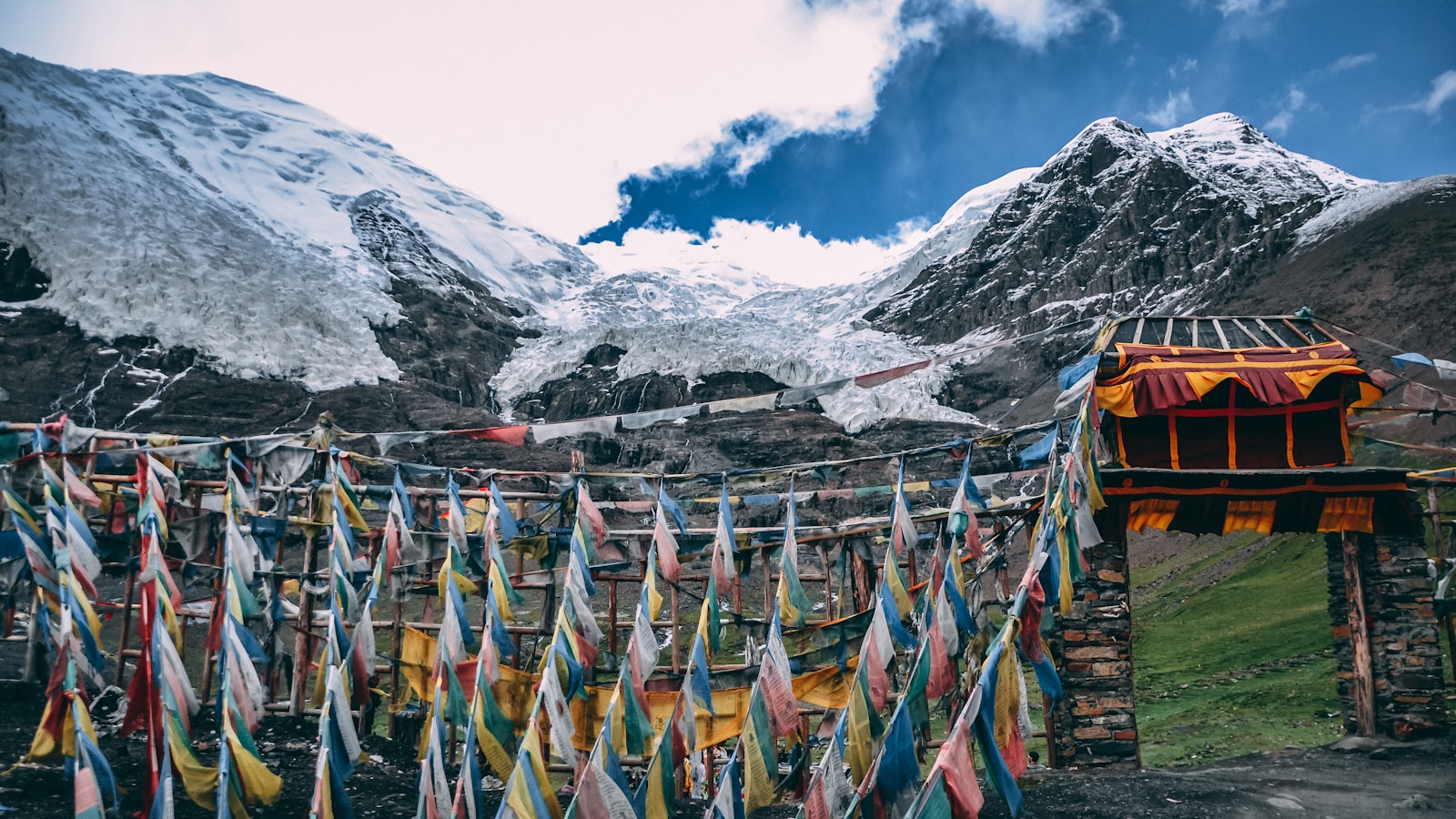
The Tibet Autonomous Region occupies the high plateau at the center of Asia, much of it above 4,000 meters. Lhasa, at about 3,650 meters, is the political and spiritual heart — a city defined by the Potala Palace, the Jokhang Temple and the pilgrim crowds circling the Barkhor. Beyond it lie monasteries, turquoise lakes and, for the ambitious, the north side of Everest.
For foreign travelers, Tibet is managed differently from the rest of China. You cannot simply buy a train or flight ticket and show up. The official route runs through licensed travel agencies, which arrange the permits, guides and, in most cases, the accommodation that foreign visitors need.
Entry requirements — read this first
- Tibet Travel Permit (入藏函): foreign visitors generally need this permit, arranged through a licensed agency before arrival. It is checked at boarding points and at entry to the region.
- Valid Chinese visa or visa-free entry: the Tibet permit is in addition to your normal entry status for China, not instead of it. Check the visa-free list and confirm your own situation.
- Organized travel: most foreign visitors travel with a guide and a fixed itinerary. You normally cannot change hotels or routes on the spot.
- Restricted areas: some parts of Tibet require additional permits. If you plan to go beyond Lhasa and the main tourist circuit, tell your agency your full route.
- Rules change: permit policy and access rules are adjusted from time to time. Confirm the current requirements with your agency and official Chinese tourism sources before booking anything.
Best time to visit
- May–June and September–October: the sweet spots — clearest skies, mild days and fewer crowds than midsummer.
- July–August: warm but rainier, with more cloud; this is when domestic tourists visit in numbers.
- November–April: cold, dry and quiet, with heavy snow possible at higher passes and some routes closed for winter.
Getting there & getting around
- By air: most visitors fly to Lhasa Gonggar Airport (LXA). The approach over the mountains is spectacular, and the airport is about an hour from the city.
- By rail: the Qinghai–Tibet Railway from Xining and other cities reaches Lhasa over the high Tanggula Pass — a memorable, gradual arrival with a gentler altitude curve. Book rail tickets with your passport; see our train ticket guide.
- Permits first: flights and trains to Lhasa require your Tibet Travel Permit at boarding. Book nothing until your agency confirms the permit.
- On the ground: for most foreign visitors, a guide and driver are part of the required arrangement and handle transport between sights; the old quarter around the Jokhang is best walked slowly.
Main destinations
- Lhasa — the essential first stop: the Potala Palace, the Jokhang Temple and the Barkhor pilgrim circuit. See our Lhasa & Tibet guide for the full three-to-five-day plan.
- Shigatse & Gyantse — a classic route south and west of Lhasa, with the Tashilhunpo Monastery and the Gyantse kumbang (stupa) along the way.
- Lake Namtso — a vast turquoise salt lake north of Lhasa, usually a one- or two-night excursion; it sits even higher than the city, so gauge your acclimatization first.
- Everest Base Camp — the north-side base camp, several days’ drive from Lhasa through Shigatse and Tingri; a major undertaking that needs a fuller itinerary and permits.
- The surrounding valleys — day trips from Lhasa into the river valleys, monasteries and villages around the city, good for gentler acclimatization days.
Suggested itinerary
A 6-day first visit:
- Day 1: fly or rail into Lhasa, rest and acclimatize — no big climbs.
- Day 2: Potala Palace (timed entry) and the surrounding area.
- Day 3: Jokhang Temple and the Barkhor circuit in the morning, one monastery (Sera or Drepung) in the afternoon.
- Day 4: the second monastery, Norbulingka, or a gentle day trip into a nearby valley.
- Days 5–6: either fly out, or extend with a Namtso overnight or the start of the Shigatse–Everest route if your permits and fitness allow.
Add days for Everest Base Camp or deeper routes — and build in a buffer, because altitude can slow any plan.
Practical tips
- Plan permit paperwork first — everything else schedules around it. Start weeks ahead with a licensed agency.
- Acclimatize properly: take the first day gently, avoid alcohol, and keep exertion low. Headache and breathlessness are common; severe symptoms need medical help.
- Book the Potala ahead: timed-entry tickets are limited and go quickly on holidays.
- Respect local customs: walk clockwise around temples and prayer wheels, ask before photographing people, and dress modestly in religious sites.
- Set up Alipay before you arrive — mobile payment is the norm across China, including in Lhasa’s shops and hotels.
Culture & religion
Tibetan Buddhism is the key to understanding almost everything you’ll see. Lhasa’s Jokhang Temple is the faith’s most sacred site, and the Barkhor circuit around it fills at all hours with pilgrims prostrating, spinning prayer wheels and walking clockwise — join the flow and move with it, never against it. The Potala Palace, once the winter seat of the Dalai Lamas, is a museum of chapels, stupas and gilded tombs; Sera and Drepung, the great monasteries on the city’s edge, hold lively afternoon debating sessions that visitors can watch quietly. Small rules matter here: walk clockwise around shrines, don’t point feet at altars or images, ask before photographing people, and dress modestly. Approached with respect, the spiritual dimension of the place is its most memorable part.
Food & daily life
High-altitude Tibetan cooking is built for warmth and energy, and it’s gentler than you might expect. The staples are tsampa (roasted barley flour, often mixed into butter tea), momos (steamed or fried dumplings, usually filled with yak meat or vegetables), thukpa (a noodle soup), and yak in every form — steak, stew, butter and cheese. Butter tea is an acquired taste; sweet milk tea is the safer entry point, and both appear at teahouses that function as the social hubs of Tibetan towns. Lhasa now has restaurants serving Sichuan, Indian and Nepali food alongside the local cooking, so no one goes hungry. Altitude blunts appetite for the first day or two, so eat light and hydrate more than you think you need.
Altitude & the acclimatization plan
Lhasa sits at about 3,650 meters, and most visitors feel the altitude — a dull headache, breathlessness on stairs, disturbed sleep. The single most important decision is to arrive slowly: fly or take the train to Lhasa, then rest completely for the first 24 to 36 hours, drink water steadily, skip alcohol, and keep any walking gentle. Many travelers find the Qinghai–Tibet railway’s gradual ascent helps, though the train itself crosses passes well above Lhasa. Plan any high excursions — Namtso, Everest Base Camp, passes above 5,000 meters — only after you’ve managed a couple of days in Lhasa. If symptoms worsen (persistent vomiting, confusion, severe headache), seek medical help; this is not a place to tough it out.
Last updated: August 2026. Permit rules, the Potala’s ticketing and access policy change frequently — confirm before you go.
Frequently Asked Questions
Can foreign tourists visit Tibet independently?
Generally no. Most foreign visitors must arrange a Tibet Travel Permit (入藏函) through a licensed travel agency and travel with an organized guide or tour. The permit is checked when boarding flights or trains and again at entry points, so independent walk-up travel is not normally possible. Rules change, so always confirm the current official requirements before booking.
How far in advance should I arrange the permit?
Weeks, not days — start at least 4–8 weeks ahead. Your travel agency handles the paperwork, and you'll need a valid passport plus your Chinese visa or visa-free entry status. The itinerary (dates, route, hotels) is usually locked in when the permit is issued, so plan the trip before you apply.
Do I need a Chinese visa on top of the Tibet permit?
Yes. The Tibet Travel Permit is separate from, and in addition to, a valid Chinese visa or visa-free entry status. Make sure both are in place before you book flights and trains.
Will I get altitude sickness in Lhasa?
It's possible — Lhasa sits at about 3,650 meters. Take the first day or two gently, avoid alcohol and heavy exercise, and drink plenty of water. Many visitors feel a headache or breathlessness after arriving by air; if symptoms are severe, seek medical help. Consult a doctor before traveling to high altitude.
Can I combine Lhasa with Everest Base Camp or Namtso?
Yes, many travelers extend beyond Lhasa — to Shigatse and Gyantse, Lake Namtso, or Everest Base Camp. These routes add several days and usually require a fuller itinerary and, in some cases, additional permits arranged by your agency. Tell your agency your whole route up front.
When is the best time to visit Tibet?
May to October is the main season. May–June and September–October are the sweet spots — clearest skies, mild days and fewer crowds than midsummer. November to April is cold, dry and quiet, with heavy snow possible at higher passes and some routes closed for winter.