
Chinese New Year Food: The Dishes That Mean 'Lucky'
The traditional foods of Chinese New Year — dumplings, fish, nian gao, spring rolls and more — and what each symbolizes in the festival.
Chinese New Year food isn’t just a meal — every dish is a wish for luck, abundance and a rising year. Here’s what the festival table means.
The Chinese New Year meal is the most symbolic food moment of the year. Nearly every dish on the reunion table carries a meaning — through its name, its shape, or its sound. Understanding what’s eaten (and why) turns a holiday dinner into a window into Chinese culture.
The reunion dinner (nianyefan)
The heart of the celebration is the New Year’s Eve reunion dinner — the biggest, most symbolic meal of the year, when families gather from across the country. The table is deliberately generous: more dishes than anyone can eat, each one chosen for its meaning. For visitors, it’s the cultural peak of the holiday.
The core dishes and their meanings
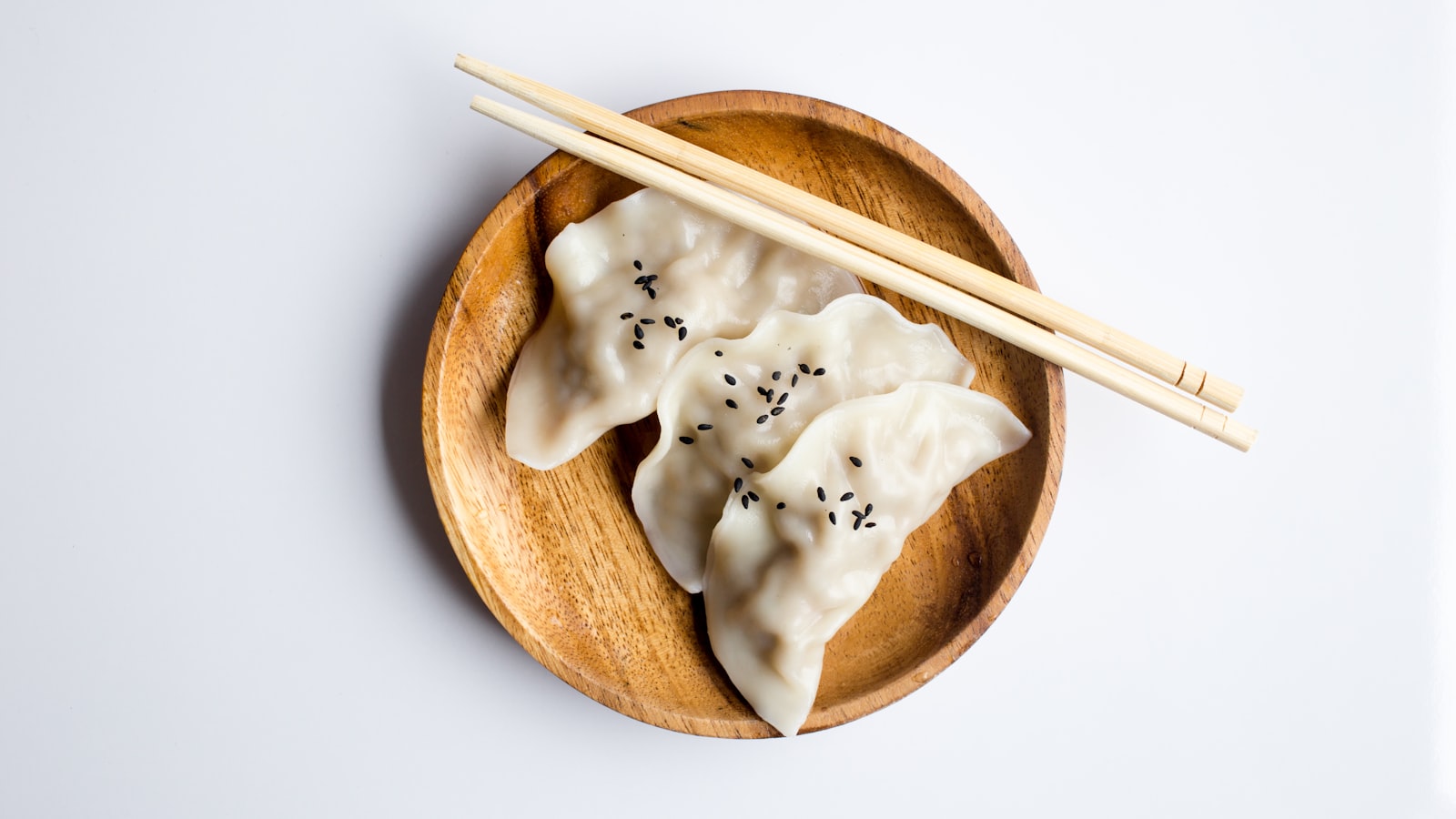
- Jiaozi (dumplings) — the northern essential. Their shape resembles ancient silver ingots (元宝), symbolizing wealth. Families often hide a coin in one, and whoever finds it has luck for the year. See our dumplings guide.
- Fish (yu) — ‘yu’ sounds like ‘surplus’, so the whole fish symbolizes abundance (‘nian nian you yu’ — abundance every year). It’s served whole and often left partly uneaten on purpose.
- Nian gao (sticky rice cake) — the name sounds like ‘higher year’, symbolizing rising fortune and progress.
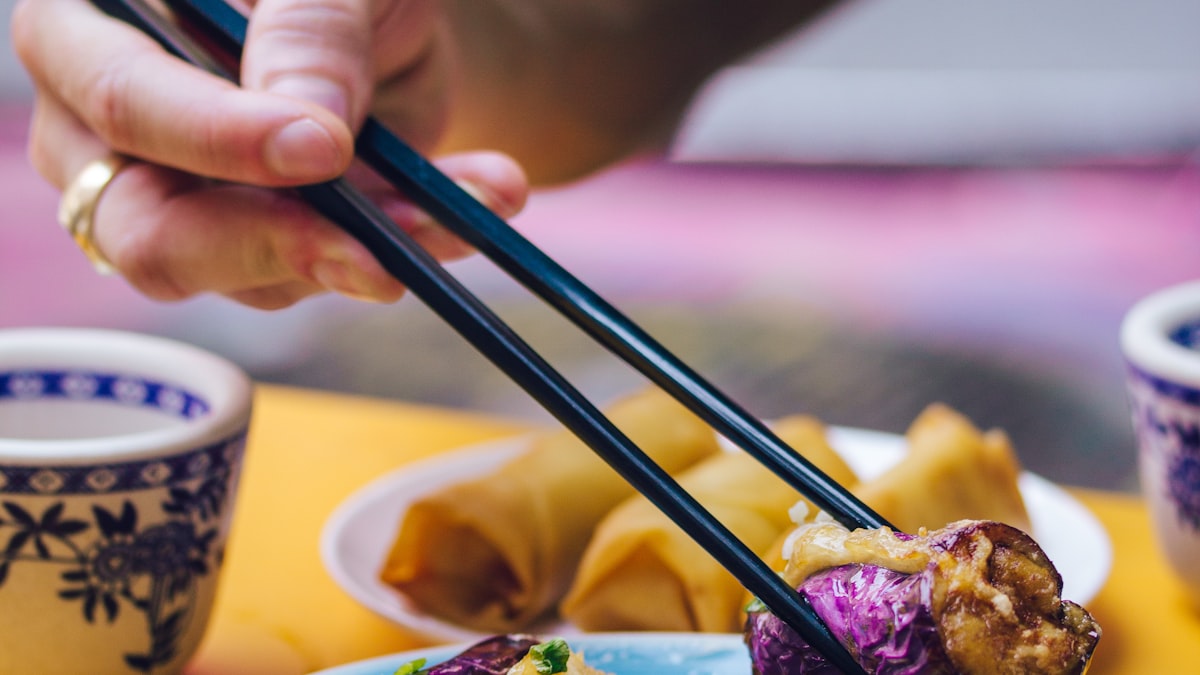
- Spring rolls — their golden, cylindrical shape resembles gold ingots; they’re a festive, lucky snack.
- Tangyuan (sweet rice balls) — round and sweet, eaten around the Lantern Festival, symbolizing family unity and reunion.
- Chicken — often served whole, symbolizing completeness and prosperity.
Jiaozi are the northern New Year essential — their ingot-like shape symbolizes wealth, and families often hide a coin in one for luck.
Regional variations
- North: dumplings are the star, along with hotpot in the cold.
- South: nian gao and rice cakes are central; seafood features more.
- Coastal: fresh fish and abundance-themed seafood.
- Sichuan: hotpot and the region’s bold flavors take center stage.
Where to try them as a visitor
- Restaurants: many offer special New Year menus; book ahead.
- Temple fairs: the best spot for festive street food — candied hawthorn, roasted chestnuts, sugar paintings, skewers.
- Supermarkets: nian gao and tangyuan are easy to buy if you’re self-catering.
- Hotel buffets: often have New Year specials during the festival.
Practical notes
- Book New Year’s Eve dinner ahead — restaurants fill and some close.
- Stock snacks for the first days, when small places may be shut.
- Set up Alipay for easy payment.
- Understand the meaning — asking locals what a dish symbolizes is a great conversation opener and shows you’re engaged with their culture.
The wordplay, explained
Much of Chinese New Year food is about homophones — words that sound alike. Fish (yu 鱼) sounds like surplus (余), so eating fish means wishing for abundance. Nian gao (年糕) sounds like ‘higher year’, wishing for progress. Dumplings shaped like ingots wish for wealth. Spring rolls, golden and cylindrical, resemble gold bars. The table is a set of spoken wishes — the food is literally a language of luck. Once you know the wordplay, every dish tells you what the family is hoping for.
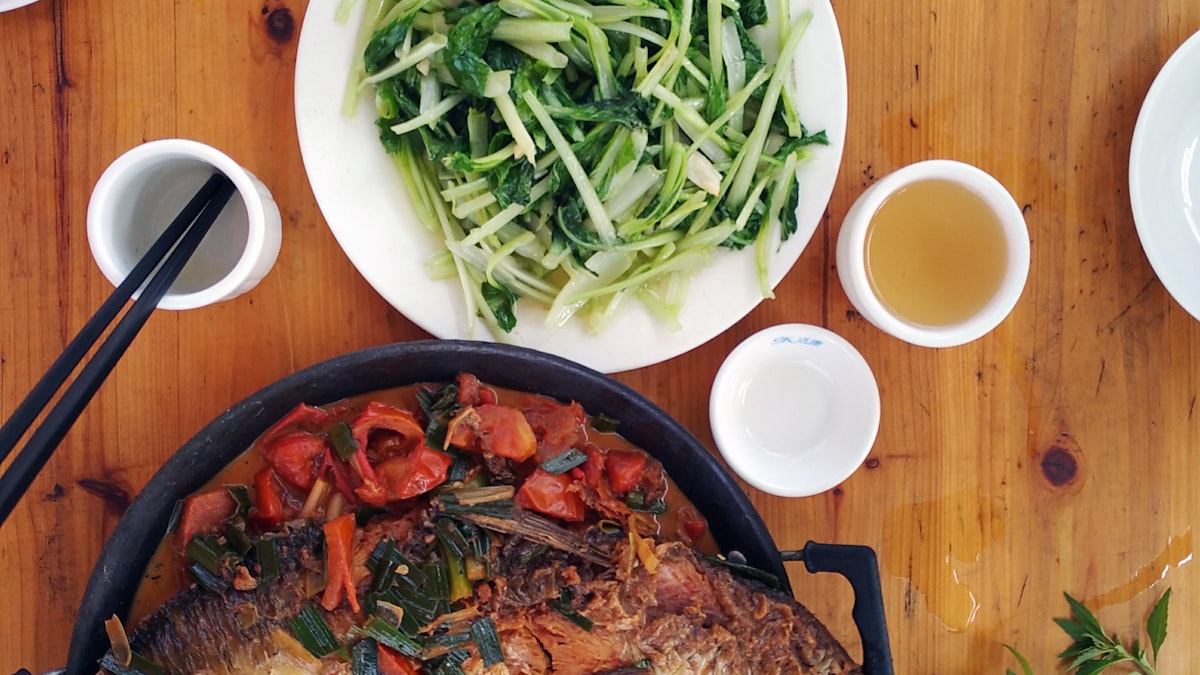
A whole fish — ‘yu’, sounding like surplus — is served deliberately partly uneaten to symbolize abundance carrying into the new year.
The New Year’s Eve table, top to bottom
A traditional reunion dinner might include: dumplings (wealth) and spring rolls (gold ingots) as the lucky centerpieces; a whole fish (abundance) deliberately left partly uneaten; chicken (completeness); nian gao (rising fortune); a hotpot in Sichuan-style homes (togetherness); and tangyuan (sweet rice balls, unity) to finish. Each dish is a wish, and the sheer generosity of the table is itself symbolic — abundance shown through food.
How the festival eating changes
- New Year’s Eve: the big reunion dinner — book ahead or plan carefully.
- Days 1–3: visiting relatives, eating snacks and leftovers; some restaurants closed.
- Lantern Festival (day 15): tangyuan and the end-of-season meal.
- Temple fairs throughout: festive street food — candied hawthorn, sugar paintings, roasted chestnuts.
For visitors with dietary needs
- Vegetarian: many lucky dishes are meat-based, but nian gao, tangyuan, spring rolls and vegetable dumplings are all options. Say ‘bu yao rou’ (no meat) and point. See our vegetarian guide.
- Allergies: carry a Chinese allergy card — festival dishes often mix many ingredients.
- Halal: hotpot and vegetable options work; see our Muslim travelers notes.
The cultural payoff
Knowing the food’s meanings transforms a festival meal from a nice dinner into an insight into Chinese values — family, abundance, luck and hope for the year ahead. When locals see you understand why the fish is whole or why the dumplings are shaped that way, it’s a genuine connection. It’s one of the best reasons to travel during Chinese New Year.
The dessert and snack layer
Beyond the main dishes, CNY is rich in treats: candied hawthorn (tanghulu) — a skewer of sugar-glazed fruit, a temple-fair classic; sugar paintings (táng huà) — edible art drawn in melted sugar; roasted chestnuts and dried fruit; and nobody’s-favorite-but-everyone’s-eaten festive cookies and sweets. The snack layer is where visitors can graze freely without a big meal commitment — a festival street-food crawl is one of the most enjoyable ways to experience the holiday.
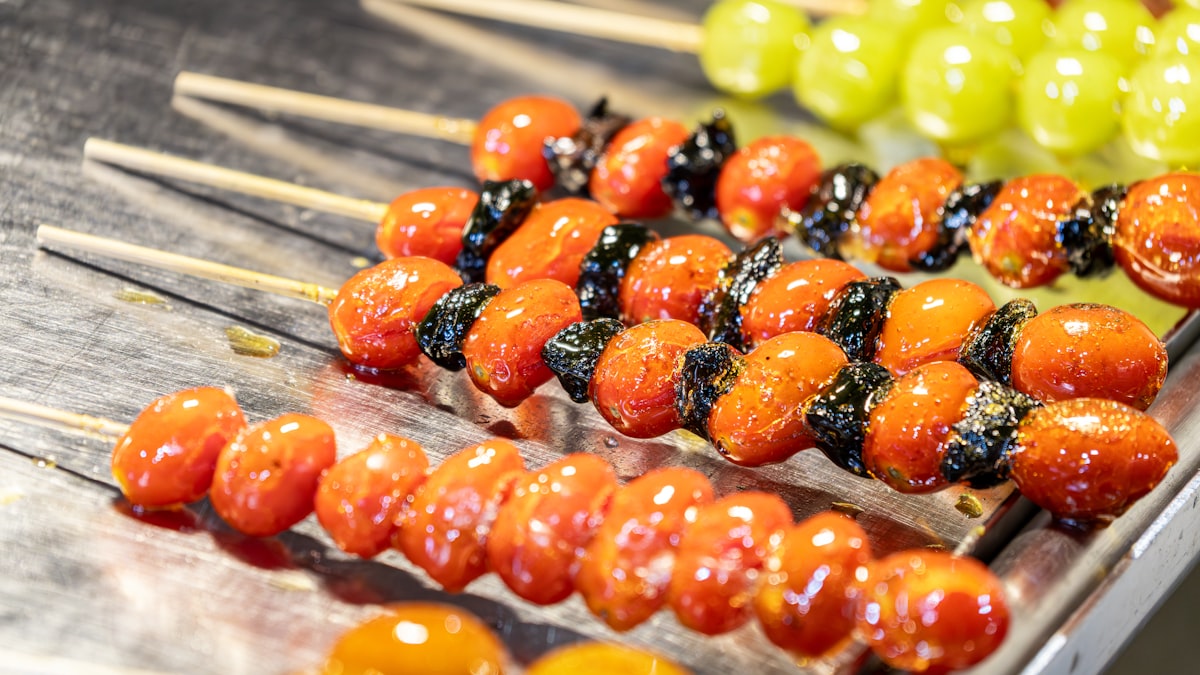
Candied hawthorn on a stick — tanghulu — is the temple-fair classic: sweet, sour and a festival street-food favorite.
The south vs the north at the table
The festival table differs by region: the north is dumpling-centric (jiaozi for the New Year meal) with wheat-based treats; the south leads with nian gao, rice cakes and seafood; coastal tables feature abundant fish; Sichuan brings hotpot and bold flavors; Yunnan and the west add local specialties. The wordplay is universal, but the plates vary — a good reason to note where you are and eat what’s local.
Dietary needs, handled well
- Vegetarian: nian gao, tangyuan, spring rolls and vegetable dumplings work; say ‘bu yao rou’ (no meat). See our vegetarian guide.
- Allergies: festival dishes mix many ingredients — carry a Chinese allergy card and be explicit.
- Halal: hotpot and vegetable options are easy; the north’s lamb dishes suit Muslim tastes.
Eating like a local at the festival
- Book the big dinners — New Year’s Eve and family meals need reservations.
- Gather at temple fairs — the best single stop for festive street food.
- Try the lucky foods in each region — dumplings north, nian gao south.
- Ask about the meaning — locals love explaining the symbolism, and it makes the meal richer.
The takeaway
The CNY table is China’s most meaningful food moment — a meal where every dish is a wish. Knowing the wordplay and the regional variations transforms a holiday dinner into a cultural insight, and sharing it with locals is one of the best experiences a traveler can have in China. The festival table is the country’s warmest welcome — a meal of wishes you can share in whatever you eat. Whether it’s a dumpling, a slice of nian gao or a temple-fair snack, every bite carries a wish — and sharing it is the festival’s warmest invitation. That’s the real taste of the festival — luck, family and abundance, served warm. Enjoy the festival table!
Festival foods and their customs are consistent year to year, though exact dishes vary by region and family.
Frequently Asked Questions
What are the traditional Chinese New Year foods?
The core set is: jiaozi (dumplings) in the north, fish (yu, symbolizing abundance), nian gao (sticky rice cake, 'higher every year'), spring rolls (gold ingots), and tangyuan (sweet rice balls) around the Lantern Festival. Each carries a symbolic meaning tied to the Chinese words or shapes.
Why is fish eaten at Chinese New Year?
Fish is 'yu' (鱼), which sounds like 'surplus' or 'abundance' (余). The phrase 'nian nian you yu' means 'may you have abundance every year'. The fish is often served whole and deliberately left partly uneaten, to symbolize the surplus carrying over into the new year.
What is nian gao?
Nian gao (年糕) is a sticky rice cake whose name sounds like 'higher year' — symbolizing rising fortune and progress. It's eaten in various forms across China: steamed, fried, or in soup. It's especially important in southern China and among overseas Chinese communities.
Do restaurants stay open on New Year's Eve?
Many family-run restaurants close for their own reunion dinner, especially on New Year's Eve. Book ahead for any dinner that night, or plan to eat at your hotel or an international chain. The days before and after are more open, and temple fairs are great for festive street food.
How can a foreign visitor try these foods?
Dumplings and hotpot are easy to find at tourist-friendly restaurants. Nian gao and tangyuan appear in markets and supermarkets around the festival. A temple fair is the best single stop for festive street food — candied hawthorn, roasted chestnuts, sugar paintings and more.