
Chinese Food Souvenirs: What to Bring Home (2026)
The best edible souvenirs from China — tea, spices, snacks and sweets that travel well, what to declare, and what to avoid at customs.
The best souvenir from China is food — tea, spices and snacks that carry a whole country in a bag. Here’s what travels well and what to skip.
Every traveler wants something to bring home, and China’s edible souvenirs are the most personal and delicious option. Tea, dried goods, spices and snacks — chosen well, they’re gifts that actually get used. This guide covers what’s worth carrying, where to buy it, and how to get it home without customs trouble.
The classics that travel well
- Tea — the gold standard: pu-erh, Longjing, oolong, jasmine. Light, compact, and a genuine piece of Chinese culture. See our tea guide.
- Dried mushrooms — shiitake and more exotic varieties; a pantry upgrade.
- Spices and peppercorns — Sichuan peppercorns, dried chilies, five-spice mixes.
- Candied and preserved fruit — hawthorn, kumquat, preserved plums.
- Snacks — cookies, biscuits, preserved plums, and regional sweets.
- Mooncakes — around the mid-autumn festival, the classic gift.
The tea question
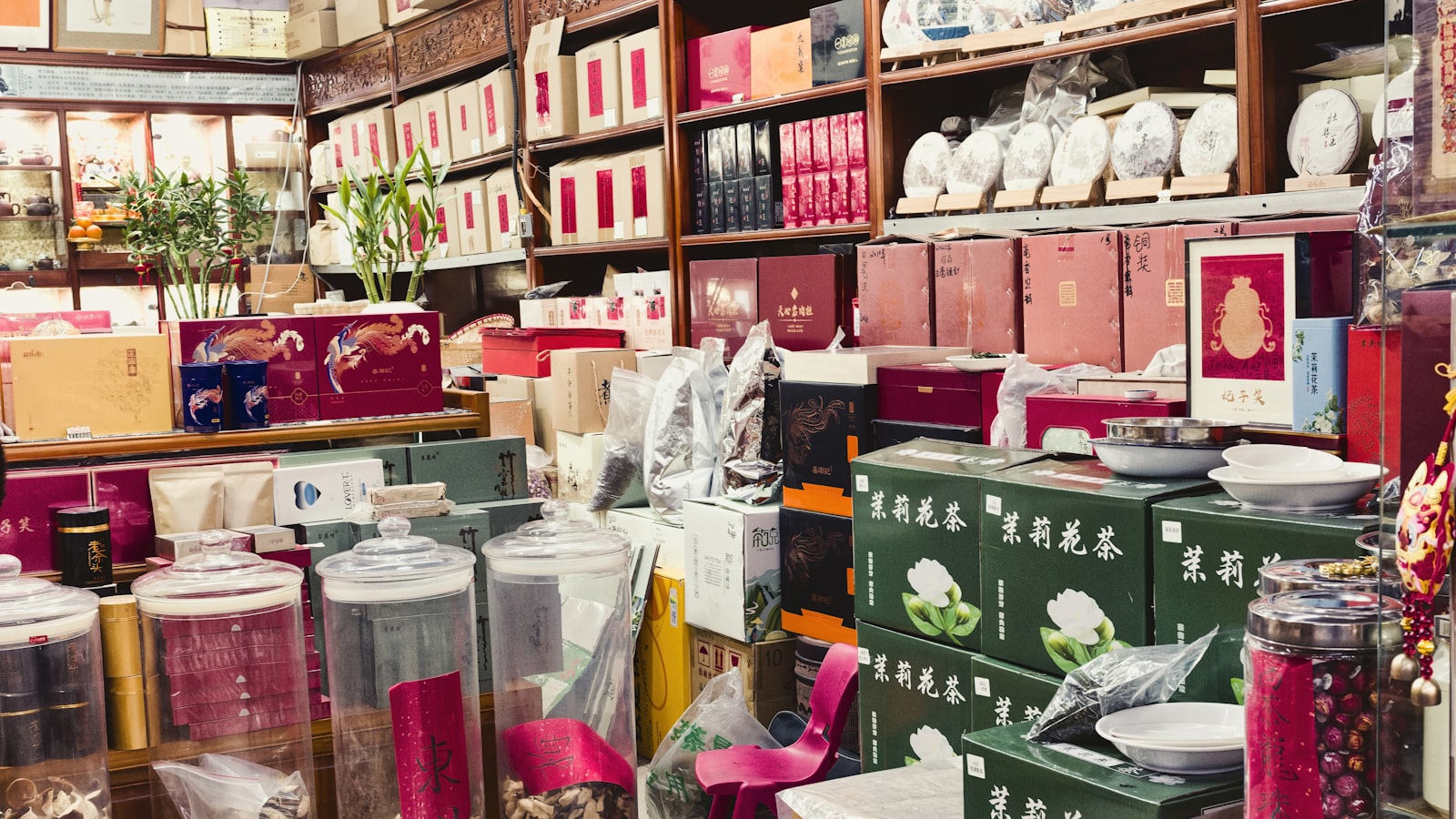
Tea is the souvenir that matters most to get right. Buy from a proper tea shop where you can taste before you buy, not a tourist stall. The famous names: Longjing (Dragon Well) in Hangzhou, pu-erh in Yunnan, oolong in Fujian, and jasmine everywhere. Ask how long it keeps and how to store it. It’s the difference between a gift that’s appreciated and one that sits in a drawer.
What to avoid at customs
The universal rule: fresh meat, fresh produce and most dairy are restricted in most countries. Avoid raw or unsealed items entirely. The safe buys are packaged, sealed, non-perishable goods — tea, dried goods, snacks, candy. A few specific notes:
- Mooncakes — check the filling; egg or meat versions can be restricted. Buy the sweet bean-paste kinds, sealed.
- Spices — fine when sealed.
- Alcohol — baijiu is a bold gift, but check your duty-free allowance and packing rules.
Check your home country’s customs rules before you fly — a quick search saves a lot of hassle at arrival.
Where to buy
- Tea markets and specialty shops — the best quality and the tasting experience. Beijing’s Maliandao, Hangzhou’s villages.
- Supermarkets — good for packaged snacks and spices; brands you can trust.
- Airport duty-free — convenient for basics; fine for tea and baijiu, though the city selection is better.
Practical notes
- Pack it safe: tea and snacks are light — pack them in your carry-on or a padded spot in the hold.
- Declare if unsure: when in doubt, declare food items at customs; it’s the safest move.
- Payment: all cashless — Alipay is the norm.
- Visa refund: for larger purchases, ask about the tax refund at departure — see our paying guide.
Tea, bought properly
The tea you bring home is only as good as where you buy it. A specialty tea shop — where you can taste before buying — is worth the extra effort. The classic souvenir teas and where they come from: Longjing (Dragon Well) in Hangzhou, pu-erh in Yunnan, oolong in Fujian, and jasmine from the south. Ask the shopkeeper how long the tea keeps and how to store it (most loose-leaf teas keep well in an airtight container). A good shop will wrap it beautifully, which is half the gift.
Packing food for the flight
Packaging matters more than you’d think. Sealed, packaged items — tea in its box, dried goods in their bags, sealed snacks — are the safe choice for customs and for your luggage. Loose or unsealed items attract questions. Keep edible souvenirs in your checked bag or carry-on depending on the rules; liquids (sauces, honey) follow the liquid rules. If you’re bringing back alcohol (baijiu is a bold gift), mind your duty-free allowance.
The tax refund on food
For larger souvenir purchases, the tax refund (离境退税) applies at participating stores — ask for a tax-refund invoice when you buy, then claim at departure. It’s most relevant for expensive items like quality tea or gift boxes; a supermarket run of snacks usually isn’t worth the paperwork. See our paying guide for how the refund works.
The final checklist
- Tea — buy at a proper shop, sealed, gift-wrapped.
- Dried goods — mushrooms, spices, candied fruit, sealed.
- Snacks — packaged cookies and sweets.
- Mooncakes — only around the mid-autumn festival; check the filling.
- Alcohol — baijiu if you’re bold; mind the allowance.
- Check your country’s customs rules before you fly.
The gift that means something
The most thoughtful edible souvenirs are the ones tied to a place. Longjing tea bought in Hangzhou, pu-erh from Yunnan, rose pastries from Xizhou in Dali, candied hawthorn from Beijing, Pingyao beef from the walled city. Buying food where it’s made adds a story to the gift — and it’s usually better quality and cheaper than buying it elsewhere. If your route touches these places, buy the local specialty there rather than at the last airport.
How much to bring
Edible souvenirs are light and packable, so the limit is more about customs than weight. A sensible haul: two or three teas (a premium one for a gift, a everyday one for yourself), a bag of dried mushrooms or spices, some packaged snacks, and one regional specialty from your favorite stop. Keep everything sealed and labeled. For tea, a good shop will wrap it in a canister or box that travels well and looks like a gift.
The final airport check
At the airport, two things to remember: duty-free tea and baijiu are convenient last-minute gifts (though the city selection is better), and the tax refund (离境退税) applies to larger purchases at participating stores — ask for the refund invoice when you buy, and claim at departure. For everything else, the rule is simple: sealed, packaged, non-perishable, and declared if you’re unsure. A well-chosen bag of food is the souvenir people actually use.
When to buy: the timing question
Buying edible souvenirs is best done during the trip, not at the end. Quality tea shops and regional markets need time and choice — buying at the airport leaves you with duty-free basics. The exception is anything delicate: buy packaged, sealed items (tea, dried goods) as you go, and keep the fragile or perishable things (cookies, pastries) for the last day. A little planning means you come home with the good stuff, not just what the airport had.
The souvenir that keeps giving
Food souvenirs are the gift that actually gets used — a tea someone brews for months, spices that flavor a year of dinners, snacks shared at a party. They’re also the most personal souvenirs: each one carries a place and a story. Choose well, pack safely, and you’ll come home with something that keeps the trip alive long after the photos are forgotten. That’s the real reason food is the best souvenir from China. Bring home a taste of the trip, and the memories come with it. Every bag you pack is a small piece of the journey.
Details as of August 2026 — confirm your home country’s customs rules before you fly.
Getting it through customs
Check your home country’s rules before buying — most places bar fresh meat, fruit and dairy, while sealed, shelf-stable snacks are usually fine. Tea, dried mushrooms, packaged snacks, mooncakes and vacuum-sealed goods travel well. Declare honestly, keep packaging intact, and avoid anything fresh, liquid-heavy or homemade, which is the most likely to be confiscated at the border.
Frequently Asked Questions
What are the best edible souvenirs from China?
Tea is the classic — pu-erh, Longjing (Dragon Well), oolong and jasmine all travel well and make thoughtful gifts. Also great: dried mushrooms, spices and peppercorns, candied fruit, cookies and mooncakes, and packaged snacks like preserved plums. Buy packaged and sealed items for easy customs clearance.
Where should I buy tea as a souvenir?
A proper tea shop, not a tourist stand — look for a shop that lets you taste before buying. Big cities have tea markets (Beijing's Maliandao is famous). Longjing is best bought in Hangzhou's tea villages, pu-erh in Yunnan. Ask about storage and how long it keeps. See our [tea culture guide](https://chinotrips.com/culture/chinese-tea-culture/).
What food should I NOT bring home?
Fresh meat, fresh produce, and many dairy products are restricted by customs in most countries — avoid raw or unsealed items. The safe rule: buy packaged, sealed, non-perishable goods (tea, dried goods, snacks, candy) and check your home country's customs rules before you fly. If in doubt, declare it or leave it.
Are mooncakes or baked goods okay to bring home?
Generally yes, if they're packaged and sealed — but some mooncakes contain egg or meat fillings, which can be restricted in certain countries. Buy the plain sweet or bean-paste versions, keep them sealed, and check your destination's rules. The mid-autumn season (September–October) is when the good ones appear.
What's the airport duty-free option?
Airport duty-free shops in major Chinese airports sell tea, baijiu, and packaged snacks — convenient for last-minute gifts, though prices and selection vary. If you want quality tea, buy it in the city from a proper shop; the airport is fine for the basics.