
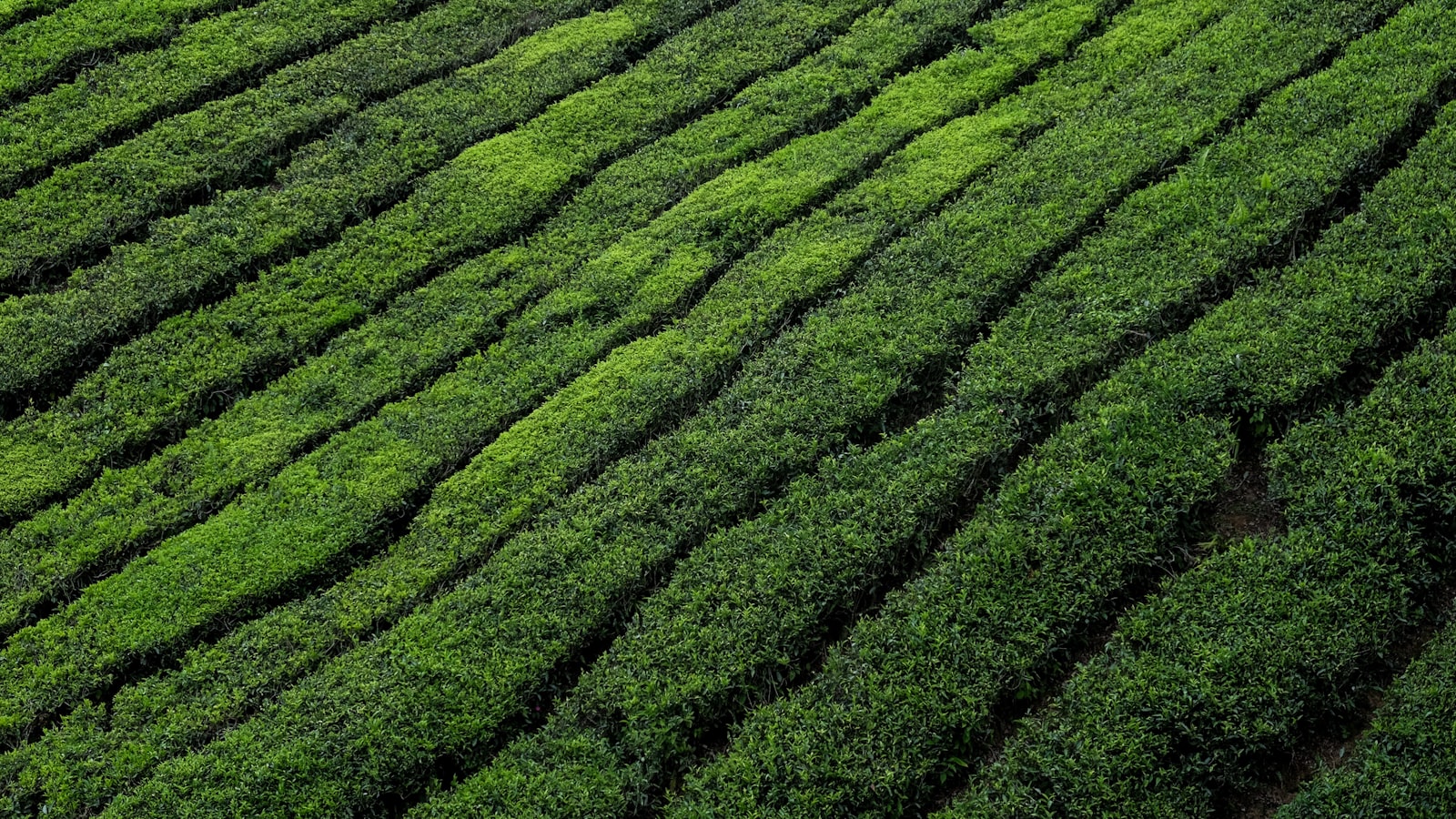
Chinese Tea Culture: A Beginner's Guide to Chinese Tea
Chinese tea culture for first-time visitors — green, oolong, black and pu-erh, how to order in a teahouse, and how to buy tea.
Tea is China’s everyday luxury — here’s how to understand it, order it, drink it, and bring some home.
In China, tea isn’t just a drink — it’s the social default. It arrives free with almost every meal, it fills thermoses on high-speed trains, and whole afternoons disappear in teahouses where locals chat over endless refills. Learning a little about it will change how you experience the country, one small cup at a time.
The six types of Chinese tea
All Chinese tea comes from the same plant, Camellia sinensis; the differences come from how the leaves are processed.
- Green tea (绿茶) — unoxidized, fresh and grassy. The most famous is Longjing (龙井, “Dragon Well”), grown around West Lake in Hangzhou, where you can visit the village and drink it beside the terraces.
- White tea (白茶) — the gentlest, with a light, sweet flavor. Fine white teas like Baihao Yinzhen are barely processed.
- Yellow tea (黄茶) — rare and mellow; the last step of its processing adds a gentle, sweet smokiness.
- Oolong (乌龙) — partially oxidized, with a huge flavor range. Tieguanyin is floral and light; Da Hong Pao (Big Red Robe) is darker, roasted and mineral.
- Black tea — “red tea” (红茶, hongcha) — fully oxidized. Keemun (Qimen) and Yunnan’s Dianhong make excellent milky breakfast-style cups, though locals drink them plain.
- Dark tea and pu-erh (普洱茶) — aged and fermented. Raw (sheng) pu-erh is bright and astringent when young, mellowing for decades; ripe (shu) pu-erh is earthy, dark and immediately drinkable.
Scented teas like jasmine and chrysanthemum are flavored teas layered onto a base — jasmine tea is a northern restaurant classic and often the house brew in Beijing.
How tea is served
- With meals: free hot tea arrives at most restaurants. It’s ordinary tea, but it’s a lovely constant — the default in Beijing restaurants is jasmine, in the south often oolong or green.
- Gongfu brewing: for good leaves, expect a small clay pot or a gaiwan (lidded bowl), tiny cups, and many short infusions. The leaves are re-steeped repeatedly — each round tastes a little different, and that’s the intended experience.
- In a thermos: on trains, at cheap restaurants, in offices — big flasks of hot water plus a handful of leaves. It’s the utilitarian side of the culture.
Teahouse etiquette
- Ordering: you typically pick a tea by the pot or pay a per-person tea fee (cha wei) that includes a thermos of hot water and unlimited refills — the classic model in Chengdu’s teahouses, where you sink into a bamboo chair and stay for hours.
- The finger tap: when someone pours your tea, tap the table twice with two bent fingers (index and middle) — the polite way to say thanks without interrupting.
- Pour for others first: when pouring, fill others’ cups before your own.
- Don’t rush: tea is meant to be sipped slowly. Nobody will rush you, and your thermos keeps you topped up for as long as you sit.
Where to experience tea culture
- Chengdu — People’s Park teahouse. Bamboo chairs, mahjong tiles clicking, a barber who’ll clean your ears while you sip jasmine. The most atmospheric tea experience in China.
- Hangzhou — Longjing tea village. Watch tea being pan-fired in the villages around West Lake, then taste the “Dragon Well” where it grows.
- Beijing — Lao She Teahouse. A famous, tourist-friendly introduction with teahouse performances, in the Beijing guide’s stamping ground.
- Shanghai — boutique tea bars. Trendy modern tea houses in the French Concession blend old brewing methods with cocktail-style presentation.
Buying tea to take home
- Taste before you buy. In any decent shop you’ll be invited to sit and sample several teas. This is the norm, not a favor.
- Price reality: a rough market-price range is from a few dozen yuan to several thousand yuan per 500 grams (jin), depending on harvest and quality. Top “gift set” boxes are often wildly overpriced for tourists.
- Ask about the harvest: for green tea, the early-spring first flush (“mingqian”) is prized; for pu-erh, age matters.
- Buy sealed and vacuum-packed for freshness and to survive the flight. Keep the receipt.
- Souvenir picks: Longjing from Hangzhou, Tieguanyin from Fujian, pu-erh from Yunnan, or jasmine from anywhere.
Practical tea tips
- Drink plenty — tea is the safest and most reliable drink with any meal.
- Not just for breakfast: in China, tea is drunk all day, and black tea isn’t reserved for mornings.
- Hotels usually leave tea bags or a mini gaiwan in your room — use it.
- Payment: set up Alipay before you fly — tea shops, even tiny ones, are cashless.
- Don’t fear the bitterness: proper gongfu brewing uses short steeps; if tea tastes harsh, it was steeped too long, not a bad batch.
Last updated: August 2026. Teahouse prices and tea-market practices change — confirm before you go.
Frequently Asked Questions
What are the main types of Chinese tea?
There are six families: green (like Longjing from Hangzhou), white, yellow, oolong (like Tieguanyin), black — called 'red tea' (hongcha) in China — and dark tea led by pu-erh from Yunnan. Jasmine is a scented green tea, not a separate type. Green and oolong are the friendliest starting points.
How do I order tea in a teahouse?
You usually order 'one pot' (yi hu) per person or share, or pay a per-person tea fee (cha wei) that includes unlimited refills from a thermos — this is the classic Chengdu model. Pick a tea from the menu, sit back, and the staff keep topping up your cup. See the Chengdu guide for the classic People's Park teahouse experience.
What's the etiquette when someone pours me tea?
Tap the table lightly with two bent fingers (index and middle) to say 'thank you'. Keep your cup on the table rather than lifting it. When pouring for others, fill your own cup last — it signals humility. Don't worry too much: hosts expect foreigners to be learning.
How do I drink tea the proper way?
High-quality tea is often brewed 'gongfu' style — a small clay pot or a gaiwan (lidded cup), tiny cups, and many short steeps. The same leaves get re-infused many times; each infusion tastes slightly different. That's the point: slow, repeated brewing rather than one big teapot.
Is buying tea in China a good idea?
Yes, but taste first. Go to a proper tea shop or tea market, sit down, and sample — a good shop will happily brew several teas for you. Prices range from a few dozen yuan to thousands per 500g (jin). Buy sealed and vacuum-packed, and carry the receipt. Longjing from Hangzhou is a classic souvenir.
Will I find decent tea easily?
Very. Free hot tea arrives with almost every restaurant meal. Hotels often provide tea bags or a mini gaiwan in the room. And in [Chengdu](https://chinotrips.com/chengdu/), sitting in a teahouse for an afternoon is as essential as seeing the pandas.