Mid-Autumn Festival in China: Mooncakes & Lanterns (2026)
What the Mid-Autumn Festival is, when it falls, the mooncakes and lanterns, and how to experience it as an international visitor.
The Mid-Autumn Festival is one of China’s most beloved traditional holidays — a family gathering, the full moon, and the famous mooncakes. Here’s what it is and how to experience it.
For international visitors, the Mid-Autumn Festival (also called the Moon Festival) is a gentler, more intimate counterpoint to Chinese New Year: a family holiday built around the full moon, mooncakes and lanterns. It’s a wonderful time to be in China — the weather is pleasant, the atmosphere warm, and the traditions accessible.
What the festival is
Mid-Autumn celebrates the year’s biggest and brightest full moon, which in Chinese culture symbolizes reunion and completeness. The traditions:
- Family dinner — the heart of the festival.
- Mooncakes — the signature food, shared and gifted.
- Lanterns — carried and displayed, especially by children.
- Moon-viewing — gathering in parks, on lakesides or rooftops to watch the moon.
It’s a harvest festival and a celebration of family, quieter and more intimate than the big travel holidays.
The mooncakes
Mooncakes (yuebing) are dense, round pastries with a rich filling — traditionally lotus seed paste, red bean, or five-nut, often with a salted egg yolk center (the ‘moon’ inside). Modern versions add everything from ice cream to coffee. They’re sweet, rich and symbolic, and they’re everywhere during the festival — gifted, shared and eaten in abundance.
A tip for visitors: mooncakes are an acquired taste and very rich. Try a small piece first, ideally with tea, which cuts the sweetness. They’re best fresh; the supermarket versions are fine but the bakery ones are better.
The lanterns
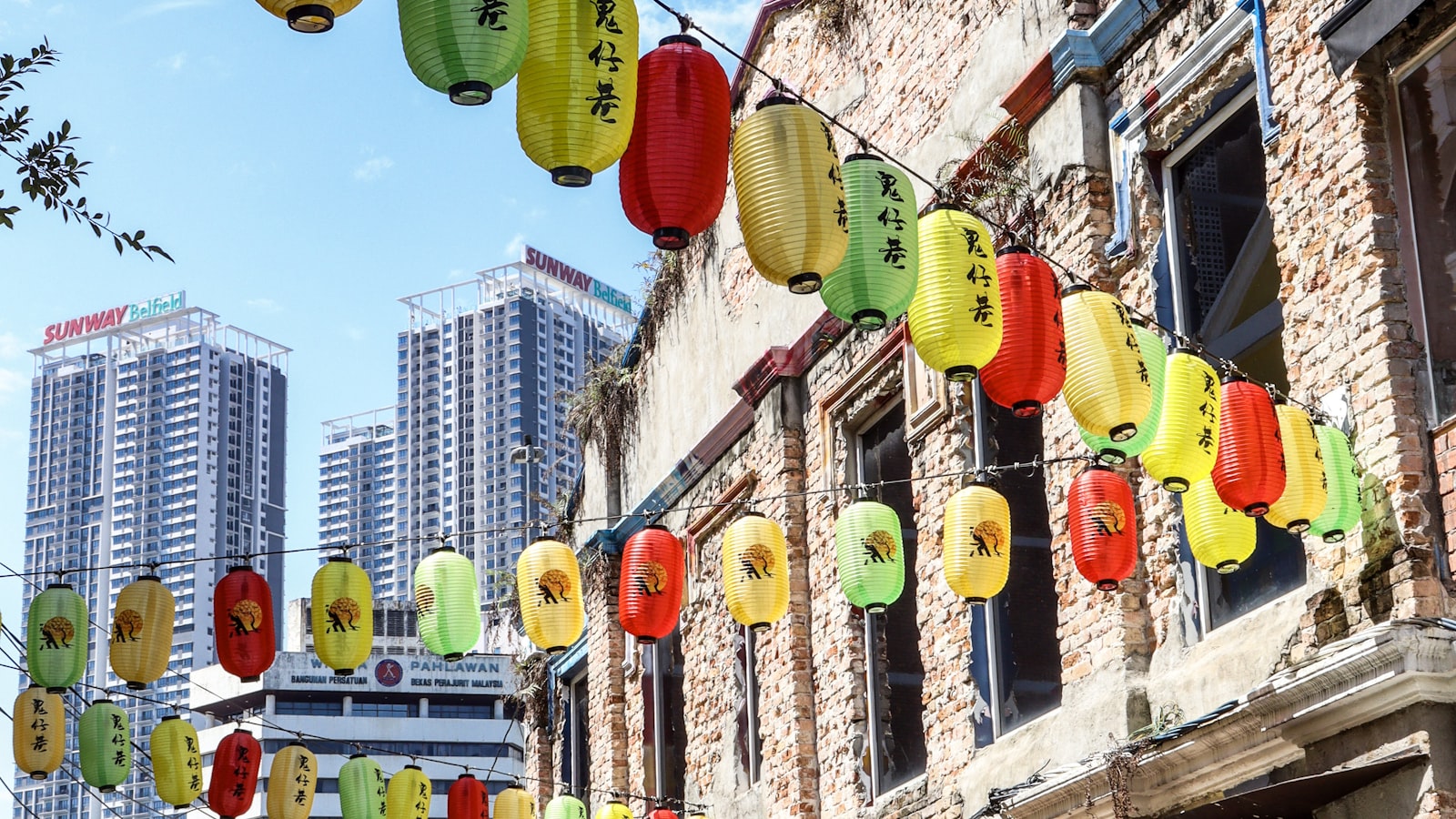
Lanterns are the other signature — children carry them, and parks and streets glow with displays. Many cities put on lantern festivals and cultural performances around the holiday. The atmosphere is warm and family-oriented, and the lanterns are genuinely lovely to see.
When it falls and the holiday effect
Mid-Autumn falls on the 15th day of the 8th lunar month — usually September or early October. It’s a three-day public holiday, and in some years it merges with or sits close to Golden Week (which can stretch the peak). For travel:
- Book trains and hotels ahead for the three holiday days.
- Expect a short domestic peak — far calmer than the big holidays.
- Check the date for your travel year, as it shifts.
See our festivals calendar for how it fits the year.
How to experience it as a visitor
- Try a mooncake — sample the classic lotus-paste version with tea.
- See the lanterns — the parks and streets are lovely at night.
- Watch the moon — a park, lakeside or rooftop on the festival night.
- Join a family if invited — it’s the warmest way to experience it.
- Enjoy the mild weather — it’s one of the pleasantest times to travel.
Practical notes
- Set up Alipay and an eSIM.
- Book ahead for the three holiday days if your dates overlap.
- Mooncakes make good gifts — they’re the festival’s universal present.
The bottom line
The Mid-Autumn Festival is a warm, family-centered celebration — mooncakes, lanterns and the full moon — and a genuinely pleasant time to be in China. It’s less crowded than the big holidays, the weather is mild, and the traditions are accessible to visitors. Try a mooncake, see the lanterns, and enjoy the country at its gentlest.
The full-moon symbolism
The Mid-Autumn Festival is built around the full moon, and its meaning is deeply Chinese: the round moon symbolizes reunion and completeness — the same symbolism as the round mooncake and the round family table. It’s why the festival is about family coming together, why the mooncake is round, and why ‘watching the moon’ (shangyue) is the central act. For a visitor, understanding this connection makes the festival legible: it’s a celebration of togetherness, written in the sky.
The regional variations
The festival looks different across China: Guangzhou and the south are famous for their lantern displays and vibrant moon-viewing; Hong Kong holds spectacular lantern carnivals; Beijing and the north have more sedate park gatherings and family dinners; Yunnan and the southwest add minority traditions. Mooncake fillings vary too — the north favors sweeter, denser styles, while the south is known for the classic lotus-paste-and-egg-yolk. Wherever you are, the core is the same: family, mooncakes and the moon.
A realistic budget
Mid-Autumn pricing is moderate. Rough guidance for planning (per person, CNY, and prices change): hotels run standard rates except around the three holiday days (a modest spike); trains keep standard fares but book up for the holiday; mooncakes range from a few yuan for supermarket boxes to hundreds for premium gift sets; lantern displays are mostly free or cheap. It’s a gentle, affordable festival compared to the big travel holidays.
Common mistakes to avoid
- Booking the three holiday days late — they book up; reserve ahead if your dates overlap.
- Buying the cheapest mooncakes — the bakery-fresh ones are far better than the supermarket boxes.
- Eating a whole mooncake at once — they’re dense and rich; a slice with tea is the way.
- Missing the lantern displays — they’re the visual highlight; check local listings.
- Confusing it with the Lantern Festival — that’s the one 15 days after Chinese New Year; this is the autumn moon festival.
The bottom line
The Mid-Autumn Festival is China’s warmest autumn celebration — family, mooncakes, lanterns and the full moon. It’s a gentle, accessible festival for visitors, with mild weather and modest crowds. Try a mooncake, see the lanterns, and if you’re lucky, join a family for the reunion dinner. The Mid-Autumn Festival is one of the warmest and most accessible of China’s traditions — a night to be outside, looking up, together.
Planning the festival visit
A few practical notes for a Mid-Autumn visit: book the three holiday days ahead (trains and hotels fill); check the date for your travel year (it shifts); try a mooncake from a bakery, not a supermarket box (far better); and see the lantern displays at night (they’re the visual highlight). The festival is gentle and affordable, with the main cost pressure being accommodation around the holiday.
The bottom line
The Mid-Autumn Festival is China’s warmest autumn celebration — family, mooncakes, lanterns and the full moon. It’s a gentle, accessible festival for visitors, with mild weather and modest crowds. Try a mooncake, see the lanterns, and if you’re lucky, join a family for the reunion dinner.
A note for first-timers
If this is your first encounter with Chinese festivals, Mid-Autumn is a gentle introduction — accessible, affordable and visually lovely. The mooncakes, lanterns and moon-viewing need no explanation to enjoy. And the three-day holiday is a manageable travel window, far easier than the big winter holidays. For a first taste of China’s traditional culture, it’s a perfect choice. Enjoy the moon and the season! A wonderful festival awaits. Go! Mooncakes await! Enjoy! Go! Now!
The festival falls on the 15th day of the 8th lunar month — usually September or early October. Check exact dates for your travel year.
Mooncakes and the moon
The mooncake is round like the full moon, and both symbolize reunion and completeness in Chinese culture. The salted egg yolk inside a classic mooncake represents the moon itself, which is why it sits at the center. Sharing mooncakes is literally sharing a symbol of togetherness — the whole point of the festival, and the reason the food matters as much as the celebration.
Frequently Asked Questions
When is the Mid-Autumn Festival?
It falls on the 15th day of the 8th lunar month, which is usually September or early October. It's a three-day public holiday in China, and in some years it sits close to or merges with Golden Week. The exact date shifts yearly — check for your travel year.
What is the Mid-Autumn Festival about?
It's a family harvest festival celebrating the full moon — the biggest full moon of the year, symbolizing reunion and completeness. Families gather for dinner, eat mooncakes, light lanterns and watch the moon. It's one of China's most important traditional festivals, though calmer than Chinese New Year.
What are mooncakes and should I try them?
Mooncakes (yuebing) are dense, round pastries — the festival's signature food. They come in many fillings: lotus seed paste, red bean, nuts, and increasingly modern flavors. They're sweet, rich and symbolic (round = reunion). Definitely try one — but they're an acquired taste, so sample a small piece first.
Is it crowded during Mid-Autumn?
Moderately — it's a three-day holiday, so there's a short domestic travel peak, but it's far calmer than Golden Week or Chinese New Year. The main considerations: book trains and hotels ahead for those three days, and expect some crowds at popular sights. Outside that, it's a pleasant time to travel.
How can I celebrate it as a visitor?
Try a mooncake (or several), see the lantern displays in the parks and streets, join a moon-viewing spot (a park, lakeside or rooftop), and if you're invited to a family dinner, go — it's the warmest way to experience it. Many cities also put on lantern festivals and cultural performances.