
Shanghai Pour-Over Coffee Guide: LILI TIME & Where to Sip Slow
Shanghai's pour-over coffee scene, led by LILI TIME — the deaf-barista café topping Dianping's pour-over charts. Where to find slow coffee in Shanghai in 2026.
Shanghai is the world’s coffee capital, and its pour-over scene is where the city’s obsession turns into a slow, deliberate ritual — and no café embodies that better than LILI TIME, a social-enterprise shop that has become a fixture near the top of Dianping’s hand-brew charts. Here’s how to find it and why it matters in 2026.
Why LILI TIME is different
Most cafés compete on beans and milk. LILI TIME competes on something rarer: purpose. The majority of its baristas are deaf or hard-of-hearing, and the café was built as a social enterprise — a place that trains, employs, and celebrates people who are often shut out of the service industry. That mission shows up in everything: the calm, the eye contact, the way you order by pointing at a menu card or writing on a notepad. It turns a simple coffee order into a small, human exchange.
The brand’s motto — 爱是被点亮的生活 (“Love is a life that gets lit up”) — isn’t a marketing line. It’s the actual founding idea. And the café’s consistency has earned it real word-of-mouth: on Xiaohongshu (RED), local coffee fans call it a “top pick” and “the best in my heart,” which is exactly the kind of reputation that keeps it near the top of Dianping’s Shanghai pour-over popularity charts.
The pour-over bar: 圜子
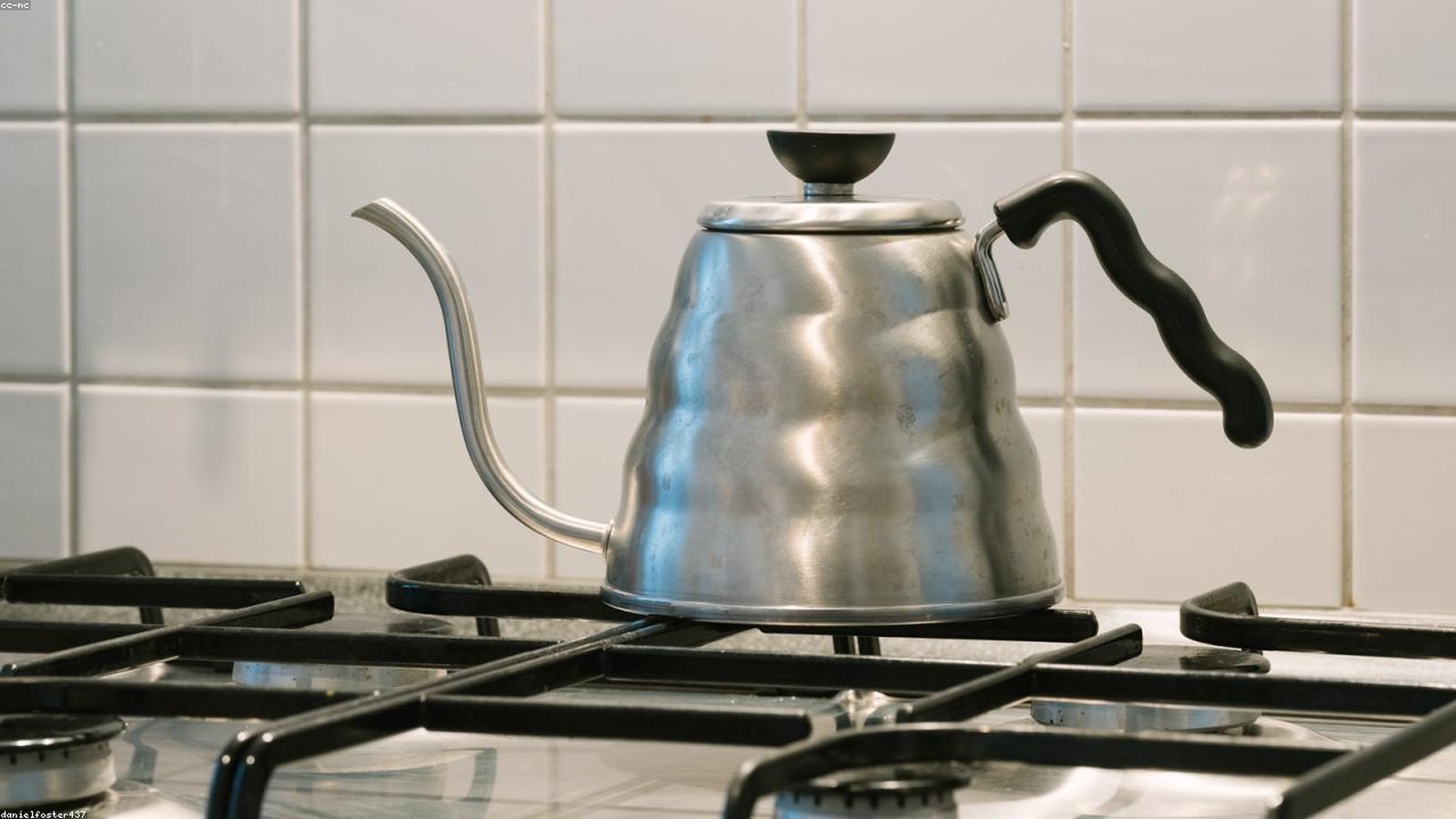
The hand-brew side of the brand is LILI TIME·圜子, a pour-over-focused bar where the ritual is the point. You choose a single-origin from the origin cards on the counter, and a barista brews it in front of you — bloom, spiral pour, careful timing. For coffee lovers, this is the slow, meditative end of Shanghai’s spectrum: no takeaway-cup rush, just a cup that took three minutes of someone’s full attention.
A hand-brewed single-origin here typically runs about ¥35–60 ($5–8) — an estimate, and prices change. That’s standard for Shanghai specialty coffee, but the experience is anything but standard.
The other locations
LILI TIME has grown beyond a single shop. LiLi Time·園子 sits inside Taikoo Li Qiantan (前滩太古里), the sleek shopping district across the river in Pudong — a striking contrast between polished luxury retail and a café built on quiet, genuine warmth. There’s also LiLi Time at U Bay Life Center. The original shop’s story is part of its legend: a small, deliberately no-logo café that grew on kindness rather than signage.
Because locations, hours, and menus shift, don’t rely on memory — search “LiLi Time” in Apple Maps, Dianping, or Amap before you go, and save the address in Chinese characters to show a DiDi driver.
How to order (no Chinese needed)
Ordering at LILI TIME is easy and, honestly, part of why people love it. Point at the menu or the written board. For pour-over, gesture toward the bean you want — the barista will show you the origin cards. If you need to be specific, write it on a notepad (they keep them handy) or type it on your phone. A thumbs-up and a smile cover “thank you” perfectly.
One tip: slow down. This is a place that rewards a 30–45 minute visit — watch the pour, taste the cup as it cools and the flavor shifts, and don’t rush. It’s the opposite of a grab-and-go chain, and that’s the point.
Shanghai’s bigger pour-over scene
LILI TIME is the headline, but it sits inside a city that out-coffees everywhere else on Earth — Shanghai has more than 8,000 coffee shops, more than any city in the world. The pour-over and specialty segment clusters in the former French Concession (Wukang Road and Anfu Road are the twin centers) and Jing’an, where tiny 10-seat bars and roastery cafés sit a few doors apart.
If you’re building a slow-coffee day, pair LILI TIME with a wander through the French Concession’s plane-tree streets. Our Shanghai guide has the neighborhoods and logistics, and our piece on coffee culture in China covers how the whole scene — Yunnan beans, cheese tea, the specialty boom — fits together. For a very different but equally Shanghainese ritual, the city’s tea culture is the older, quieter sibling worth a taste.
Practical notes
- Getting there: all LILI TIME locations are metro-accessible plus a short walk; use DiDi or a taxi with the Chinese address saved on your phone.
- Payment: Alipay and WeChat Pay, as everywhere in Shanghai — see how to pay in China.
- When to go: weekday afternoons are calmest; weekends at the Qiantan location can get busy.
- Etiquette: photography is generally fine, but ask first — and a thumbs-up beats a spoken “thank you” here.
The honest takeaway: LILI TIME isn’t just a good cup of coffee. It’s one of Shanghai’s genuinely moving small places — a café that turned a social mission into something thousands of people line up for, and a reminder that the city’s coffee scene is about a lot more than caffeine.
Last updated: August 2026. Café locations, hours, and menu prices change — confirm on Dianping or a map app before you go. Dianping rankings are live and shift daily.
Frequently Asked Questions
What is LILI TIME and why is it famous?
LILI TIME is a Shanghai café with a mission: most of its baristas are deaf or hard-of-hearing. It grew from a small, no-logo shop into a beloved brand with several locations, and its pour-over coffee bar (圜子) has become a fixture near the top of Dianping's Shanghai hand-brew popularity charts. Visitors come as much for the atmosphere and the story as for the coffee — ordering is done by pointing at the menu, writing on a notepad, or simple signs, which is part of what makes the place feel warm and unhurried.
Is LILI TIME the #1 pour-over coffee shop on Dianping?
LILI TIME regularly ranks among the top hand-brew (pour-over) coffee shops on Dianping's Shanghai popularity charts, and it's widely called a 'top pick' or '头牌' by local coffee fans. Note that Dianping rankings are live and shift constantly, so a specific '#1' position changes day to day. What's stable is its reputation: it's consistently listed among Shanghai's best-loved pour-over cafés, and its hand-brew bar '圜子' is a destination in its own right.
How do I order coffee at LILI TIME?
Ordering is part of the experience. Many baristas are deaf or hard-of-hearing, so you'll point at the menu or a written board, use simple gestures, or write your order on a notepad — the staff are friendly and used to it. For pour-over, you'll often choose a bean (they'll show you the origin cards) and the barista brews it in front of you. Basic signs like a thumbs-up for 'thank you' are appreciated. No Chinese is needed — pointing and smiling work perfectly.
Where is LILI TIME in Shanghai?
There are several locations. The best-known pour-over bar is LILI TIME·圜子, and there are also LiLi Time·園子 at Taikoo Li Qiantan (前滩太古里) and LiLi Time at U Bay Life Center. Exact addresses and opening hours shift, so the reliable move is to search 'LiLi Time' in Apple Maps, Dianping, or Amap before you go — save the location in Chinese characters to show a DiDi driver. All are reachable by metro plus a short walk.
What else should I know about Shanghai's pour-over coffee scene?
Shanghai has more coffee shops than any city on Earth (8,000+), and the pour-over / specialty segment is its crown. Beyond LILI TIME, the city's specialty scene spans tiny 10-seat pour-over bars and roastery cafés concentrated in the former French Concession (Wukang Road, Anfu Road) and Jing'an. A hand-brewed single-origin typically runs ¥35–60 ($5–8). The ritual — watching a barista slowly bloom and pour — is half the pleasure, so budget 30–45 unhurried minutes rather than grabbing-and-going.