
Shanghai Travel Guide (2026): What to See & How Many Days
The essential Shanghai guide — the Bund, Yu Garden and the French Concession, how many days you need, where to stay and getting around.
OpenStreetMap Google Maps (opens externally)
Shanghai is China’s most modern city — a skyline that rivals anywhere on Earth, and the most walkable, café-dense streets in the country.
It’s the natural bookend to Beijing on the classic first-timer route: history in Beijing, future in Shanghai. This guide covers what to see, how many days you need, and how to get around.
Overview
Shanghai feels like a different country from Beijing. Where Beijing is imperial and vast, Shanghai is compact, cosmopolitan and — in the old French Concession — positively European. It’s the best city in China for a relaxed first visit: easy to navigate, incredible food, and plenty of English.
How many days
2–3 days. Shanghai rewards slow exploration more than ticking boxes — a good Bund sunset, a long lunch in the French Concession, and one classic sight is a satisfying day. Three days lets you add a day trip to a water town.
Suggested itinerary
A 2-day plan:
- Day 1 — Old & new Shanghai: Yu Garden and the old town in the morning; the Bund at sunset, then the Pudong skyline across the river after dark.
- Day 2 — Slow Shanghai: the French Concession (Wukang Road, Anfu Road) for cafés and architecture; the Shanghai Museum or a riverside stroll to finish.
A 3-day plan adds a day trip — Zhujiajiao water town by metro (about 40 minutes) or Hangzhou by high-speed rail (about 1 hour). Both make easy, rewarding escapes from the city.
Have more time? Add Suzhou or Hangzhou as a day trip — see our Shanghai–Hangzhou trip.
Best time to visit
- Spring (March–May) and autumn (September–November): mild and pleasant — the sweet spots.
- Summer (June–August): hot, humid and rainy. Manageable but draining.
- Winter (December–February): cold and grey, but quiet and cheap.
Top sights, grouped by theme
The skyline & the Bund
- The Bund — the iconic waterfront. Best at sunset and after dark when Pudong lights up across the river.
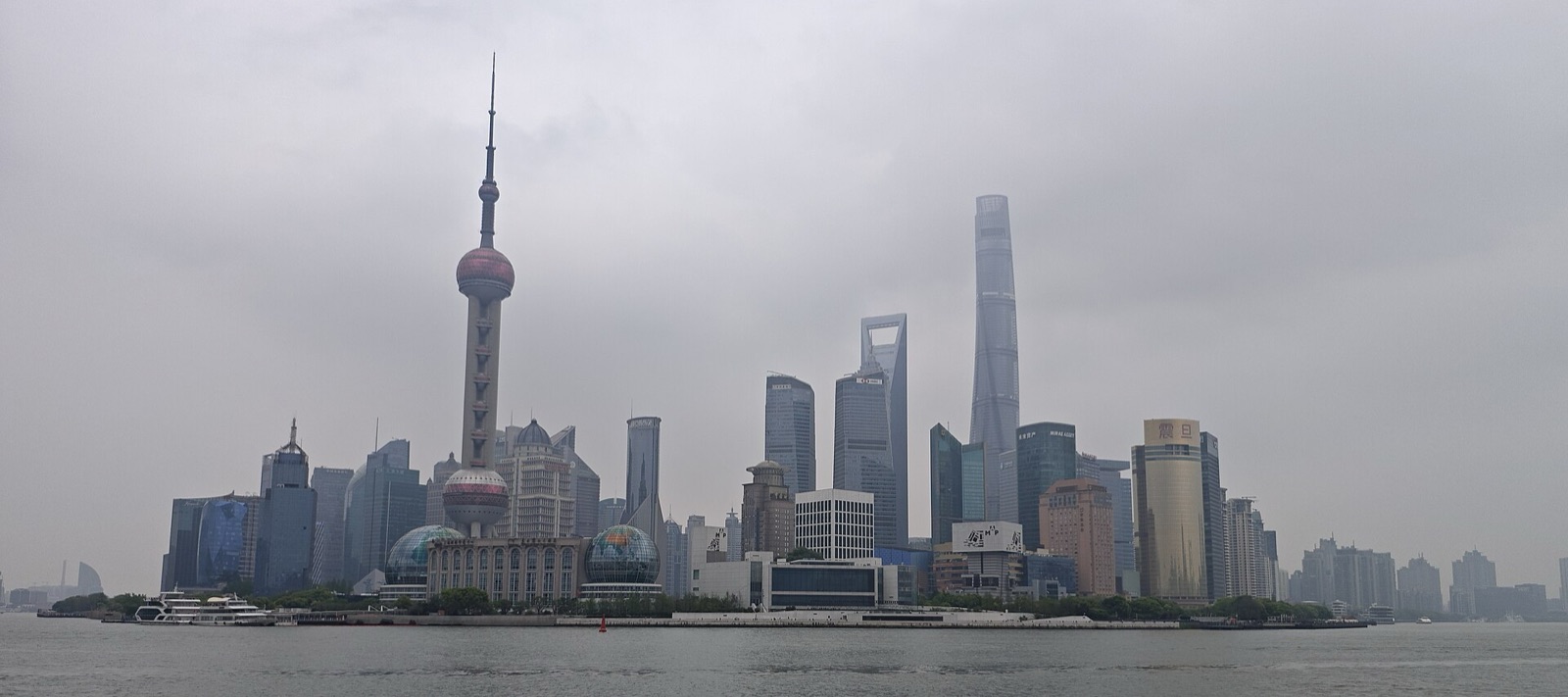
- Pudong skyline — Shanghai Tower, the Financial Center and the Oriental Pearl. Go up one (book ahead) for the view.
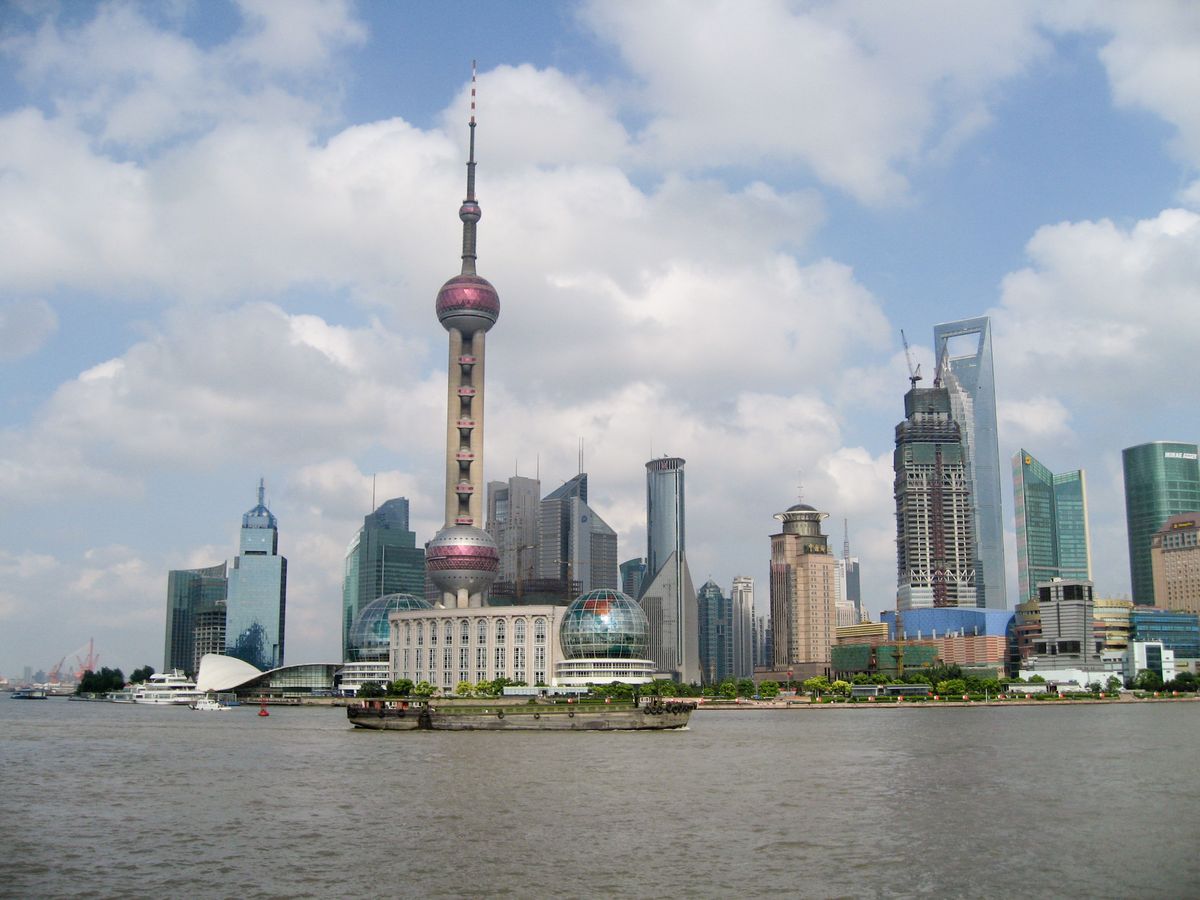
The Pudong skyline — Shanghai Tower, the Financial Center and the Oriental Pearl — viewed across the Huangpu River from the Bund.
Old Shanghai
- Yu Garden & the old town — a classic Ming-dynasty garden and the busy bazaar around it.
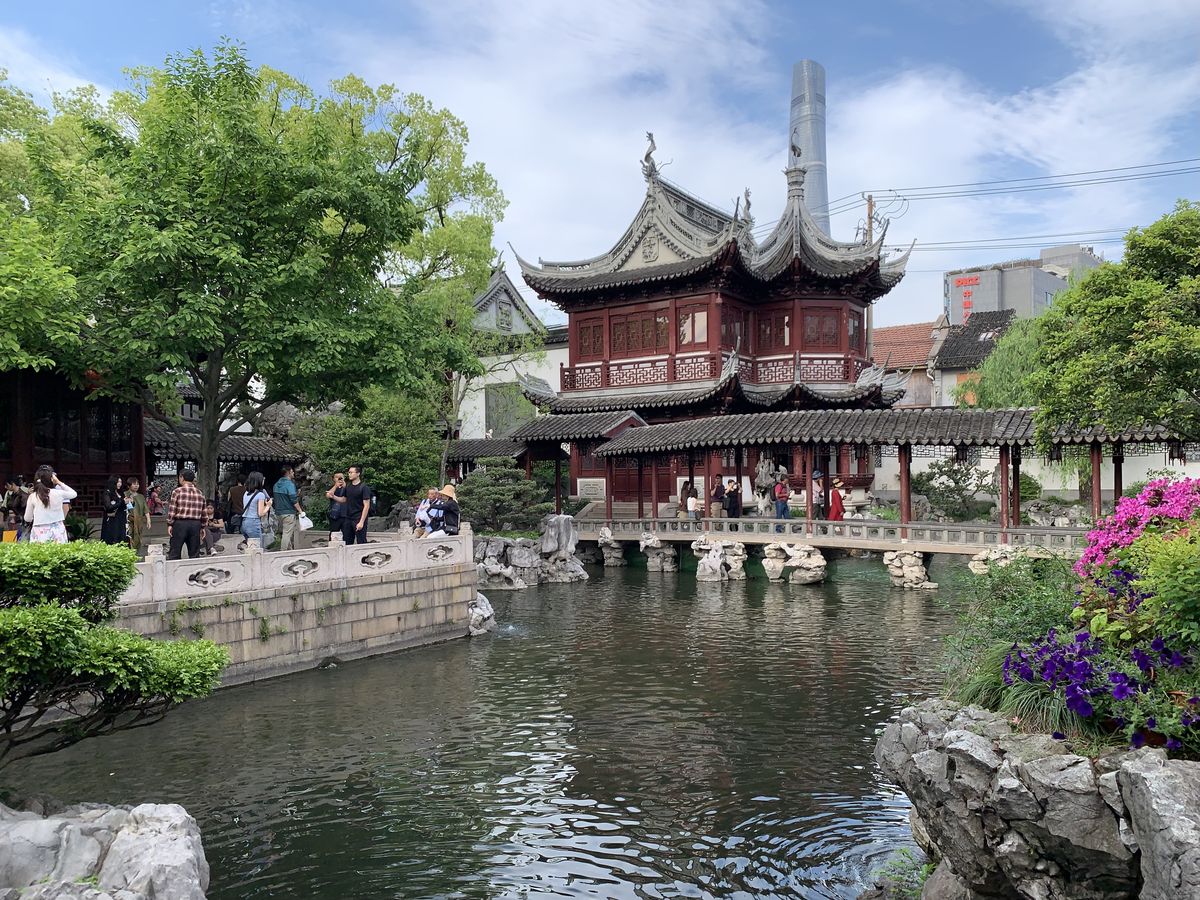
Yu Garden’s classic Ming-dynasty pavilions and rockeries sit in the middle of Shanghai’s old town bazaar. 4. Tianzifang — a warren of alley shops and cafés in former shikumen houses, a lively spot for souvenirs and people-watching.
The French Concession
- The French Concession — plane-tree streets, boutique cafés and historic villas. Great for a half-day wander.
- Wukang Road / Anfu Road — the prettiest stretches, with bookstores, bakeries and the historic Wukang Mansion.
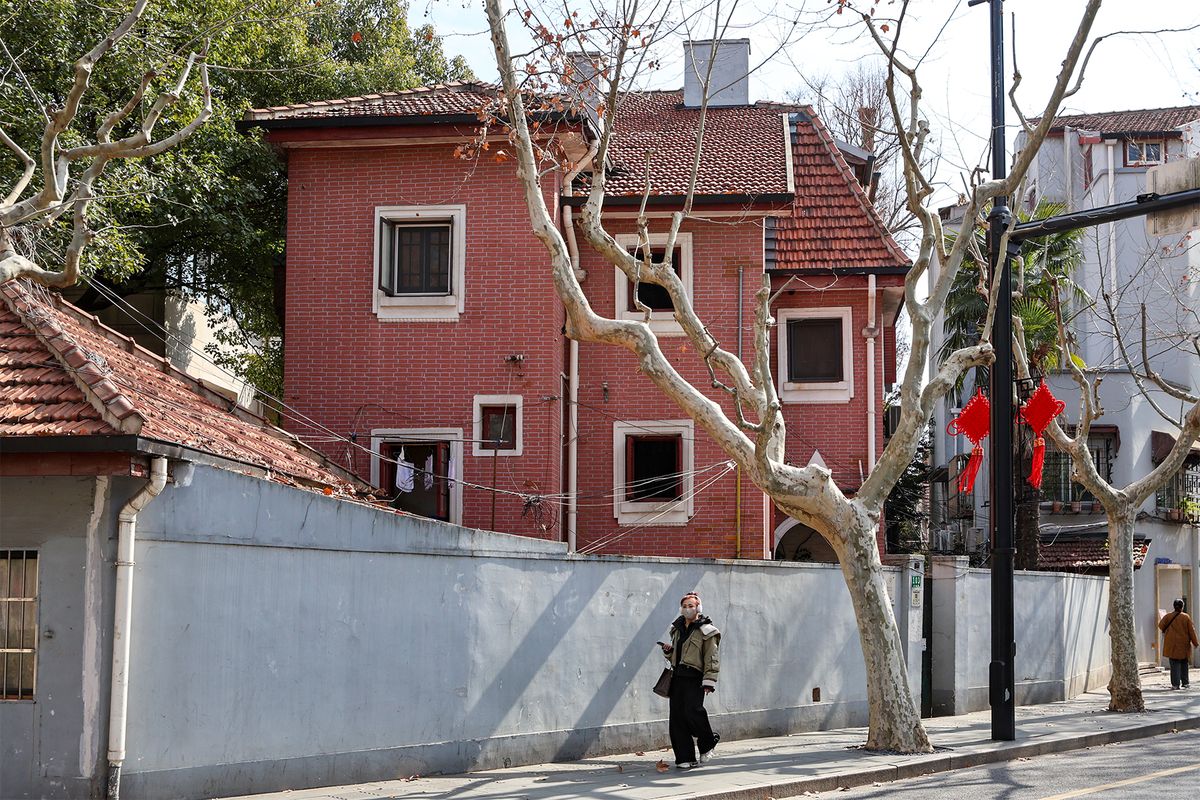
A plane-tree-lined street in the French Concession, Shanghai’s most walkable and café-dense district.
Museums & culture
- Shanghai Museum — superb bronzes, ceramics and calligraphy; worth a couple of hours.
- Shanghai History Museum — a quick orientation to the city’s story, at the base of the Oriental Pearl.
Where to stay
- The Bund / Nanjing Road: the classic choice — skyline views, shopping and easy access to the river. Best for first-timers who want the iconic Shanghai.
- The French Concession: quieter, greener and full of cafés. The best pick if you like walking and good restaurants.
- People’s Square / city center: central, metro-served and practical; great for short stays and easy connections to Hongqiao rail station.
- Near Hongqiao station: convenient if you arrive or leave by high-speed rail, though farther from the old town and the Bund.
See our Shanghai hotels guide for neighborhood-by-neighborhood picks.
Food & nightlife
- Xiaolongbao (soup dumplings) is the must-try — Din Tai Fung and local institutions both deliver.
- Also try: shengjianbao (pan-fried pork buns), hairy crab in autumn, and the hu cuisine that’s taken over Shanghai’s kitchens.
- Nightlife: the Bund and Xintiandi for bars and restaurants; the French Concession for a more relaxed evening.
- Coffee culture is huge — Shanghai has more cafés than any Chinese city, so grab a flat white and a long walk.
Budget
Shanghai is the priciest city in China, though still reasonable by Western standards. Rough daily figures for planning (per person, CNY, and prices change):
- Accommodation: budget hostels from about ¥200–300/night, mid-range hotels ¥400–700, and international chains above that.
- Attractions: the Bund is free; the observation decks (Shanghai Tower, Oriental Pearl) cost roughly ¥150–200; Yu Garden around ¥40.
- Food: street snacks and noodle shops ¥20–40, a mid-range restaurant meal ¥80–150 per person, and café culture is priced like Europe.
- Transport: the metro is a few yuan per ride; a Didi across the center is typically ¥30–60.
Carry a little cash as backup, but pay by Alipay almost everywhere.
Getting there
- High-speed rail: Hongqiao station links Shanghai to Beijing (about 4.5h) and Hangzhou (about 1h). Book with your passport — see our train guide.
- Flights: two airports — Pudong (PVG, international) and Hongqiao (SHA, mostly domestic + some regional).
Getting around
- Metro: excellent, cheap, English signage, and it connects both airports and Hongqiao rail station.
- Taxis / ride-hailing: Didi works well; Alipay handles payment.
- On foot: central Shanghai is very walkable — bring comfortable shoes.
Day trips & nearby
Shanghai is surrounded by easy day-trip options by high-speed rail. Hangzhou (about 1 hour) and Suzhou (about 30–40 minutes) are the two classics — West Lake and the classical gardens respectively. Zhujiajiao, a water town about 40 minutes away by metro, needs no booking and makes a relaxed half-day. Farther, Nanjing (about 1.5 hours) offers the mausoleums and Confucius Temple quarter. All four work as out-and-back day trips, so you can base yourself in Shanghai and see a lot of the region.
Going deeper
Shanghai rewards a second look beyond the headline sights. The Wukang Road district is best explored on foot first thing in the morning, when the plane-tree streets are quiet and the cafés are just opening. The Power Station of Art, a converted power plant on the Huangpu riverfront, is one of China’s best contemporary art venues. And the old Jewish quarter in Hongkou — synagogues and neighborhood lanes from the 1930s — is a moving, rarely crowded piece of the city’s history that most visitors miss.
A good rhythm for Shanghai
Shanghai rewards an unhurried pace. Start the day early — the Bund and Yu Garden are best before the crowds, and the French Concession’s cafés come alive from mid-morning. Save the skyline for the late afternoon: watch sunset from the Bund promenade, then cross to Pudong as the towers light up. Leave at least one evening free to wander Xintiandi or the riverside. The city is compact enough that you never need to rush between sights, and the metro makes last-minute changes easy.
Practical tips
- Book the Shanghai Tower / skyline tickets ahead to skip long queues.
- Set up Alipay before you arrive — it’s essential for taxis, shops and most payments. See the setup guide.
- English is widely spoken in hotels and tourist spots, less so in small shops — a translation app helps.
- Plan your VPN or eSIM if you rely on Google, WhatsApp or Instagram.
Where to go next
From Shanghai you can continue the classic route back to Beijing (4.5h by rail), or head south to Hangzhou (1h) and Guilin for the Li River. Shanghai is a perfect start or finish to any China itinerary.
Shanghai’s layered history
Shanghai’s character comes from a history with no equivalent elsewhere in China. In the 19th century the city was carved into foreign concessions — British, American and French — where Western merchants, bankers and missionaries built the waterfront that became the Bund and the tree-lined streets that became the French Concession. That is why the skyline mixes Gothic, Art Deco and baroque facades with Chinese shopfronts, and why the old districts feel so unlike Beijing’s hutong lanes. After 1949 the concessions closed, but the architecture remained, and since the 1990s the Pudong side of the river has grown into a forest of supertall towers. Seeing the two banks together — the old Bund on one side, Pudong on the other — is literally seeing a century and a half of Chinese history in a single glance. A couple of details make the walk richer: the Peace Hotel on the Bund was the Art Deco masterwork of the Sassoon family, and the 1920s–30s “Paris of the East” period is the era most of the restored buildings date from.
Common mistakes to avoid
A few things trip up first-time visitors to Shanghai:
- Underestimating distances — the city is huge; the Bund to Pudong looks close across the river but is a metro ride or tunnel crossing, not a stroll.
- Skipping the metro pass setup — every ride requires a QR code or transport card; set up Alipay’s transit function before you need it.
- Doing the Bund only by day — the skyline is the point after dark; plan for sunset and the lights.
- Queuing for skyline tickets on the day — book the Shanghai Tower or Oriental Pearl observation decks ahead to skip long lines.
- Staying only in the tourist core — one afternoon in a residential neighborhood or the old Jewish quarter gives a far more real sense of the city.
- Forgetting the airports are far out — Pudong is roughly 40–50 minutes to the center even without traffic; build transfer time into your plans.
- Not carrying your passport — museums, the tower and some hotels require it for booking and entry.
None are ruinous, but avoiding them keeps a Shanghai trip smooth.
Last updated: August 2026. Attraction prices and hours change — confirm before you go.
Frequently Asked Questions
How many days should I spend in Shanghai?
2–3 days is right for the highlights: one day for the Bund and Pudong skyline, one for Yu Garden and the old town, and a day for the French Concession plus a day trip if you want. Shanghai works well as the start or end of a China itinerary.
Is Shanghai or Beijing better for a first visit to China?
Beijing if you want history and the Great Wall; Shanghai if you prefer modern skyline, walkable streets and better nightlife. Many first-timers do both — see our [Beijing guide](https://chinotrips.com/beijing/) and consider the high-speed rail link between them (about 4.5 hours).
Do I need a visa for Shanghai?
Citizens of 50 countries can enter China visa-free for 30 days (UK, Canada, Australia included); US citizens can use the 240-hour transit scheme for short trips. Check the [visa-free country list](https://chinotrips.com/visa/visa-free-countries/) for your passport.
How do I get from Pudong airport to the city?
The Maglev train is the famous quick option (to Longyang Road in about 8 minutes), the metro is cheap and easy, and taxis/ride-hailing via Didi work well once you've set up Alipay. Allow time for the trip — Pudong is a long way from the city center.
Is Shanghai expensive compared to other Chinese cities?
It's the priciest city in China, but still affordable by Western standards. Budget travelers can eat well for a few dollars and use the cheap metro; luxury options abound. See our [payment guide](https://chinotrips.com/how-to/pay-in-china/) to set up Alipay before you arrive.
Where should I stay in Shanghai?
Near the Bund and Nanjing Road for the classic skyline views and easy sightseeing. The French Concession (Wukang Road, Tianping Road) is quieter, greener and full of cafés — the best choice if you like walking and good restaurants. People's Square is central and practical for first-timers on the metro.
What should I eat in Shanghai?
The city's calling card is xiaolongbao (soup dumplings) — try a well-known chain like Din Tai Fung or a local institution. Also try shengjianbao (pan-fried pork buns), hairy crab in autumn, and the hu spicy Sichuan-style cooking that's taken over Shanghai's kitchens. Seafood along the coast and the old-town snack streets are worth exploring.