
Street Food Safety in China: Eat Well, Stay Well
How to eat Chinese street food safely as a tourist — the busy-stall rule, what to avoid, stomach care, and how to stay well for your whole trip.
The street food in China is safe and spectacular — if you follow a few simple rules. Here’s how to eat your way through the night markets without a day in bed.
Street food is the heart of Chinese eating, and it’s far safer than its reputation. The fear is mostly based on decades-old stories, not current reality. With a few habits — the busy-stall rule, piping-hot food, and bottled water — you can eat brilliantly and stay well for the whole trip.
The golden rule: eat where it’s busy
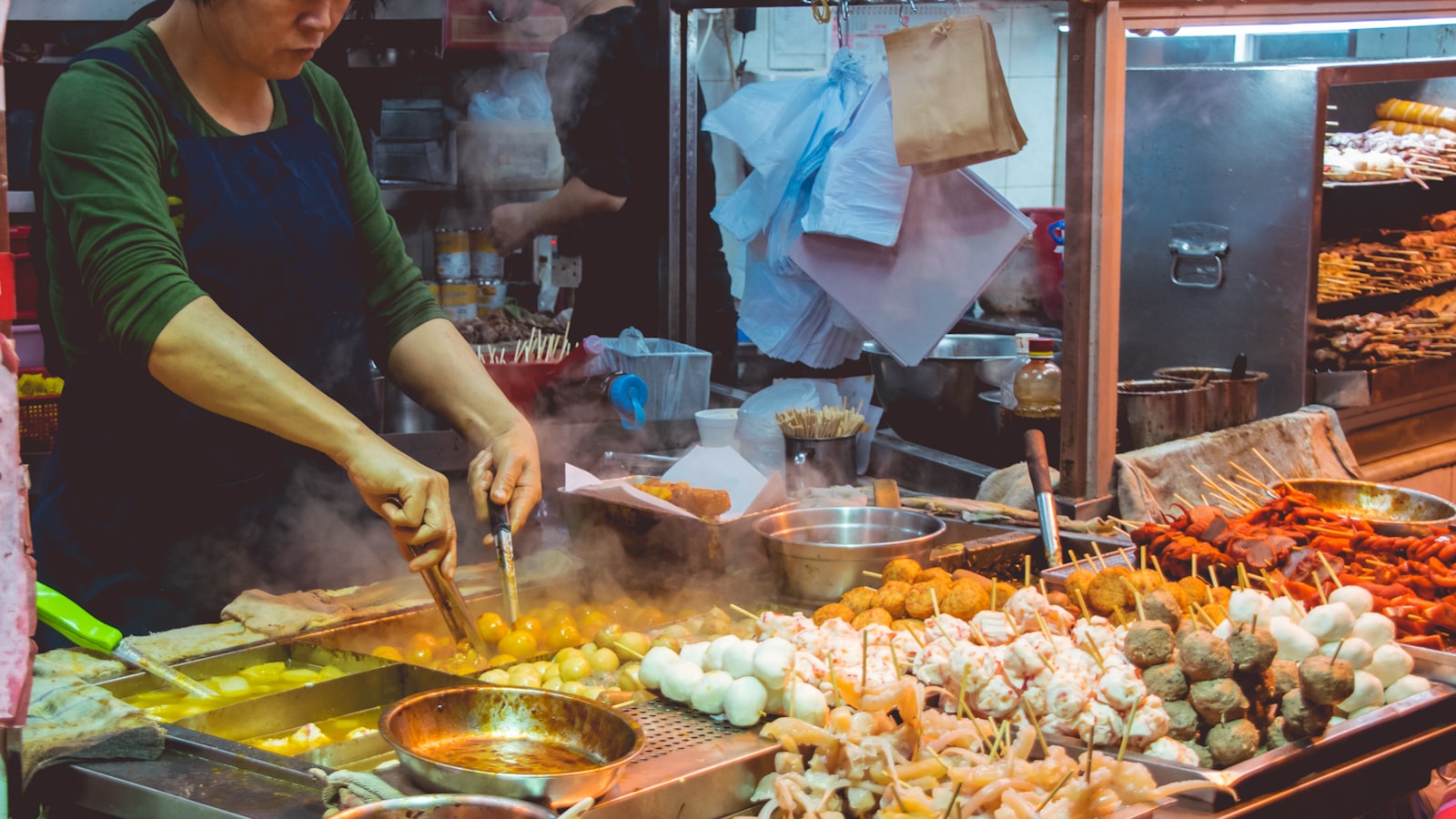
The single most reliable signal is crowds. A stall with a constant stream of locals is turning over fresh ingredients all evening — nothing sits out, nothing’s old. A stall that’s empty at peak time is a gamble. It’s not a perfect system, but it’s a very good one, and it’s how locals choose where to eat too.
What’s safest and what to ease into
Best bets from day one: anything piping hot and freshly cooked — grilled skewers, dumplings, noodles, pancakes, steamed buns. These are both the safest and the most delicious.
Go easy on for the first days: raw salads, ice in drinks, unpeeled fruit, and food that’s clearly been sitting out. Your stomach is adjusting to a new environment; give it time before you push it.
A note on adaptation: most ‘street food stomach’ is actually just your system adapting to new oils and a new microbiome — it hits in the first days no matter how clean the food is. Easing in and eating hot usually gets you through it in a few days. See our night market guide for how to navigate the stalls.
Drinking water and ice
Tap water isn’t for drinking in China. Drink bottled or boiled water — it’s cheap and everywhere. Ice in drinks is generally made from filtered water in cities, but if you’re cautious, ask for ‘bu jia bing’ (no ice). Coffee and tea are made with boiled or filtered water and are fine.
If your stomach does complain
- Hydrate with bottled water and rehydration salts (carry a few sachets).
- Eat plain: congee, rice, toast — the gentlest things on the menu.
- Rest. Most adaptation stomachs settle in a day or two.
- See help if needed: pharmacists are everywhere and can advise; big-city hospitals are modern and cheap. Keep your hotel’s name in Chinese for the taxi ride back.
A practical checklist
- Watch the stall — busy, clean, cooking in front of you.
- Eat everything hot — skip anything that’s been sitting.
- Drink bottled or boiled — never tap water.
- Hands: carry hand sanitizer; eat with the provided utensils or fresh chopsticks.
- Carry Alipay and a little cash — most stalls are cashless.
- Ease in: cooked and fried first, raw and iced later in the trip.
Why the reputation is outdated
The idea that Chinese street food is risky is decades out of date. Food safety has improved enormously, and the street stalls of today’s China — especially in tourist cities — are subject to inspections and run by vendors who depend on repeat customers. The biggest actual risk to a traveler’s stomach is adaptation, not hygiene: a new cuisine and a new microbiome take a few days to settle. The busy-stall rule is good insurance, but the honest truth is that street food in China is generally safe and delicious.
The busy-stall rule, explained
‘Busy’ isn’t just a vibe — it’s a food-safety signal. A stall with a constant stream of customers is turning over its stock constantly: ingredients don’t sit, nothing goes stale, and the grill is always hot. That’s why locals follow crowds too. An empty stall at peak time means food has been sitting — a gamble not worth taking when the next stall over is doing a roaring trade. It’s the single most reliable heuristic in Chinese street food.
The first-day adjustment
Your stomach on day one is not your stomach on day four. For the first day or two, favor piping-hot cooked food — skewers, dumplings, noodles, pancakes — and hold off on raw salads, unpeeled fruit and ice. By mid-trip most travelers’ systems have adjusted, and the wider street-food world opens up. This isn’t about the food being unsafe; it’s about giving yourself time to adapt.
The traveler’s kit
- Rehydration salts — a few sachets, cheap insurance.
- Hand sanitizer — for market stops without sinks.
- Bottled water — the default drink, everywhere.
- A Chinese allergy card if allergies are a concern.
- Alipay — most stalls are cashless.
The adaptation window, explained
Most travelers who get an upset stomach in China aren’t eating unsafe food — they’re in the adaptation window. Your gut microbiome takes a few days to adjust to new oils, new bacteria and a new cuisine, and during that window almost anything can trigger it, even food that’s perfectly clean. That’s why it hits on day two or three regardless of hygiene. The practical response isn’t to avoid street food — it’s to ease in, eat hot, and let your system catch up. By mid-trip, most people eat anything without trouble.
When to see a doctor
Most adaptation stomachs settle in a day or two with rest and fluids. See help if: symptoms are severe (high fever, dehydration, blood), last more than a couple of days, or you have an underlying condition. Pharmacists are everywhere and can advise on over-the-counter options; big-city hospitals are modern and cheap for foreigners. Carry your hotel’s name in Chinese for the ride back. It’s rare to need medical care, but it’s good to know it’s accessible.
The well-traveled stomach
A useful truth: the longer you’ve been in Asia, the better your stomach handles it. Travelers arriving from other parts of Asia adapt faster; first-timers from Europe or the Americas take longer. If this is your first Asian trip, be a little more cautious in the first days — hot food, bottled water, no ice. If you’re already adapted from a prior trip, you can dive straight in. Listen to your own body; it’s the best guide.
The vegetarian angle
Vegetarians can eat street food safely and well. The golden rules: point at vegetable dishes, say ‘bu yao rou’ (no meat), and watch for hidden meat — some ‘vegetable’ dishes use pork stock or lard. Cooked options are safer than raw for everyone, and doubly so for a cautious stomach. Night markets have plenty of vegetable skewers, dumplings and pancakes. See our vegetarian guide for the full toolkit.
Street food and the bigger picture
The point of this guide isn’t to scare you — it’s to let you eat with confidence. Chinese street food is safe, delicious and one of the great experiences of the trip. The rules here are about comfort, not fear: eat hot, follow the crowds, drink bottled, ease in. Once you’ve been in China a few days, your stomach adapts and the whole street-food world opens up. Trust the process, and you’ll eat brilliantly and stay well.
Details as of August 2026 — confirm current health advice before you go.
Frequently Asked Questions
Is Chinese street food safe to eat?
Yes — for most people it's safe and delicious, especially if you follow the busy-stall rule: eat where there's a constant stream of locals, because high turnover means fresh ingredients. Eat everything hot, avoid food that's been sitting out, and you'll be fine. Millions of travelers eat street food in China every year without trouble.
How do I pick a safe street-food stall?
Look for three things: a crowd (turnover), clean hands and surfaces (the vendor's setup), and cooking you can see. A stall that's constantly busy is constantly restocking fresh ingredients. One that's empty at peak time is a gamble. Trust your instincts — if something looks off, there's always another stall two steps away.
What should I avoid eating at first?
In the first day or two, go easy on raw salads, ice in drinks, unpeeled fruit and anything that's been sitting out for a while. Your stomach needs time to adjust to a new food environment. Stick to piping-hot cooked food — skewers, dumplings, noodles, pancakes — which is both safest and tastiest.
What if I get an upset stomach in China?
It happens to many visitors in the first days. Stay hydrated with bottled water and rehydration salts, eat plain foods (congee, rice, toast), and rest. If symptoms are severe or persist, see a pharmacist (they're everywhere and helpful) or a hospital — China's big-city hospitals are modern and cheap to visit. Carry the name of your hotel in Chinese.
Is the tap water safe to drink in China?
No — tap water isn't for drinking. Drink bottled or boiled water, which is ubiquitous and cheap. Ice in drinks is usually made from filtered water in cities, but if you're cautious, ask for 'bu jia bing' (no ice). Wash hands often, and you'll stay well.
Does the food cause stomach trouble, or is it just adaptation?
Usually it's adaptation, not the food itself. A new cuisine, new oils, and a different microbiome take a few days to adjust to. That's why it hits in the first days regardless of how clean the food is. Ease in, eat hot, and your system settles within a few days.