
China Night Market Guide: How to Eat Like a Local After Dark
How to do a Chinese night market — what you'll find, how to order, what's worth trying, safety, and the best night-market cities.
A Chinese night market is a feast in motion — smoking grills, steaming baskets, and every flavor of the region on one street. Here’s how to do it.
For many travelers, the night market is the most memorable eating experience in China. It’s not a restaurant meal — it’s a street-long buffet where you walk, point and taste your way through a dozen things in an hour. This guide covers what you’ll find, how to order, and how to do it safely and well.
What a night market looks like
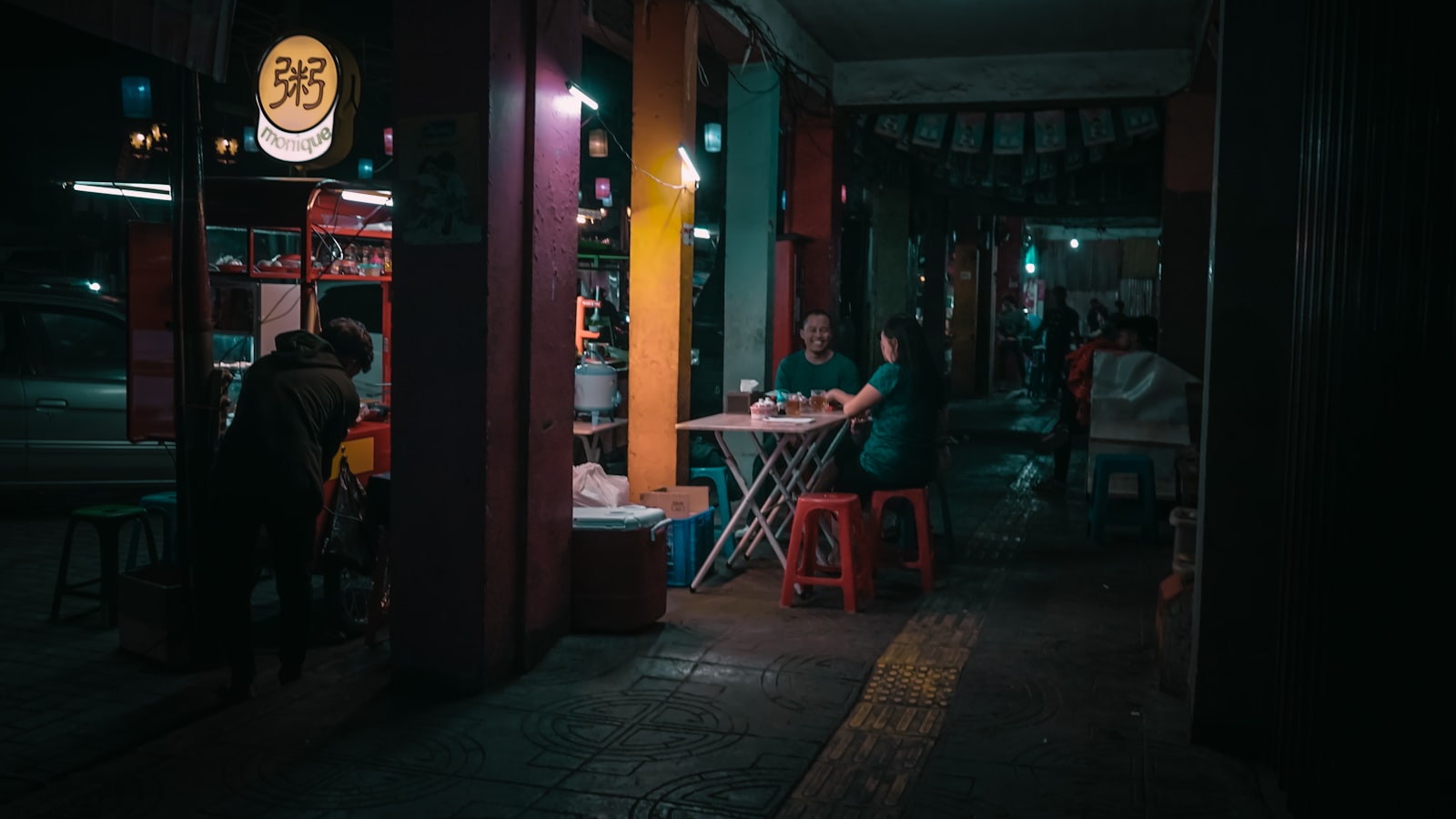
Think of a street or alley that transforms at dusk. Food stalls line both sides, each with its own specialty: a grill of skewers, a bubbling wok, a steamer of dumplings, a tank of live seafood. The crowd moves slowly down the middle, pointing and buying. Tables — if there are any — are shared. The atmosphere is loud, smoky and completely welcoming.
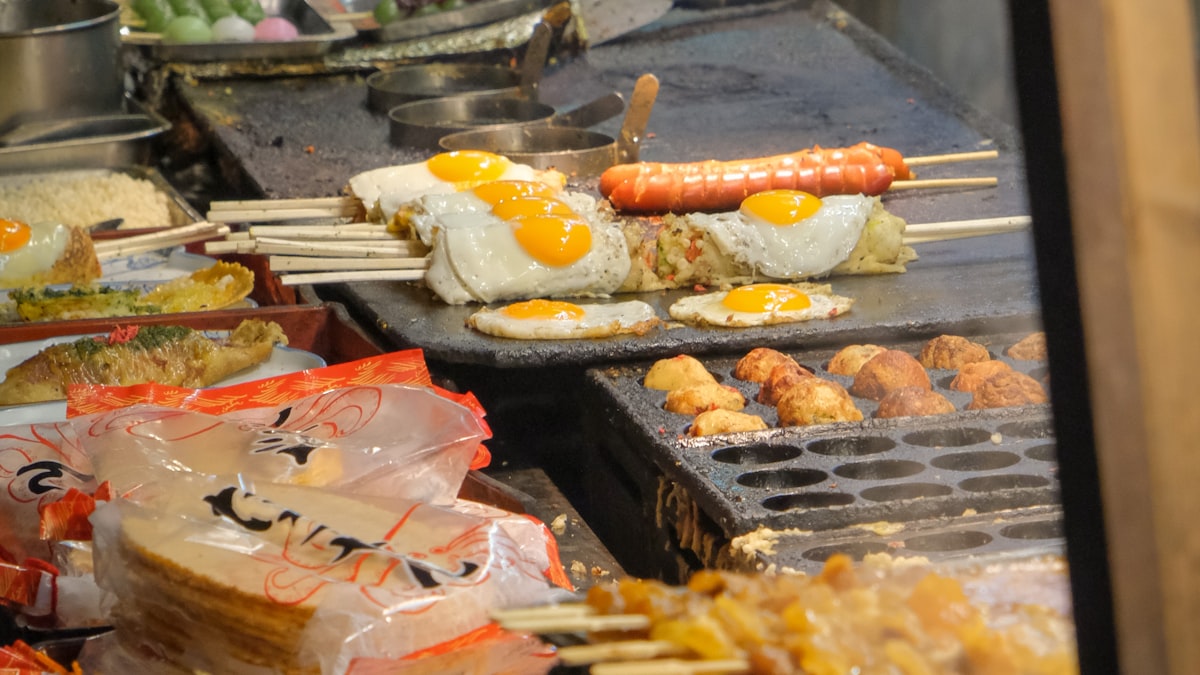
The skewers are the visual signature of every market — the smoke rising off the charcoal grill, the cumin and chili coating, the vendor turning them by hand while the crowd watches.
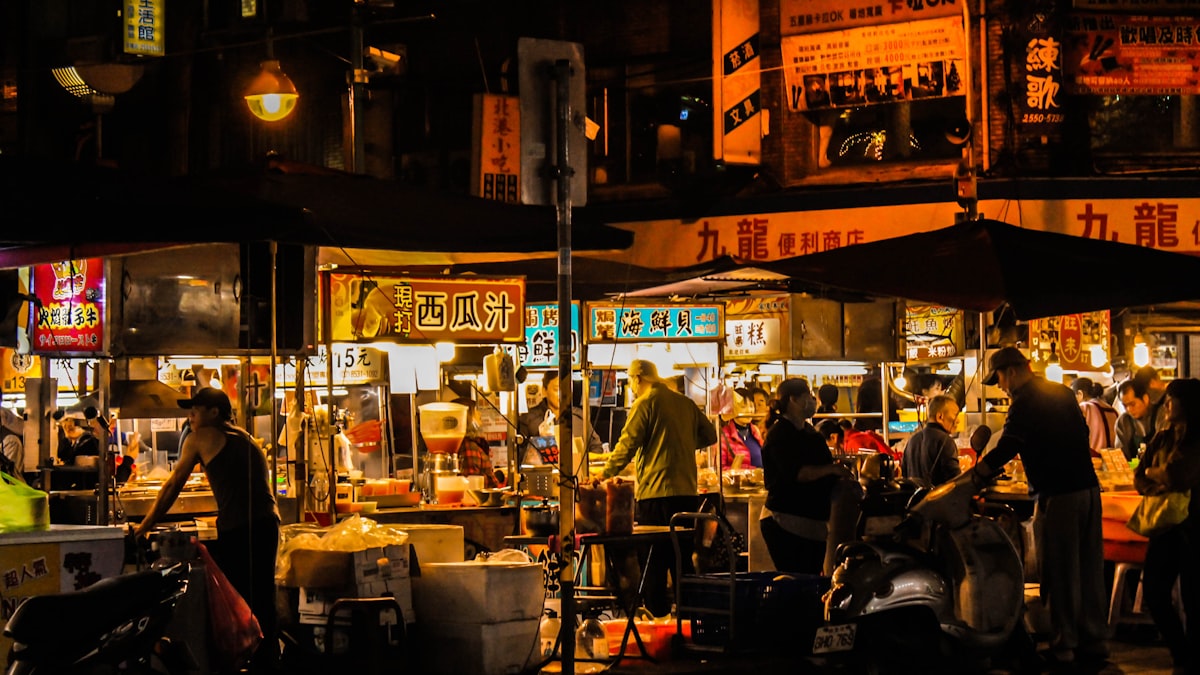
The crowd is part of the experience. The street fills in the evening, and the movement — pointing, ordering, sharing tables — is the energy of the market.
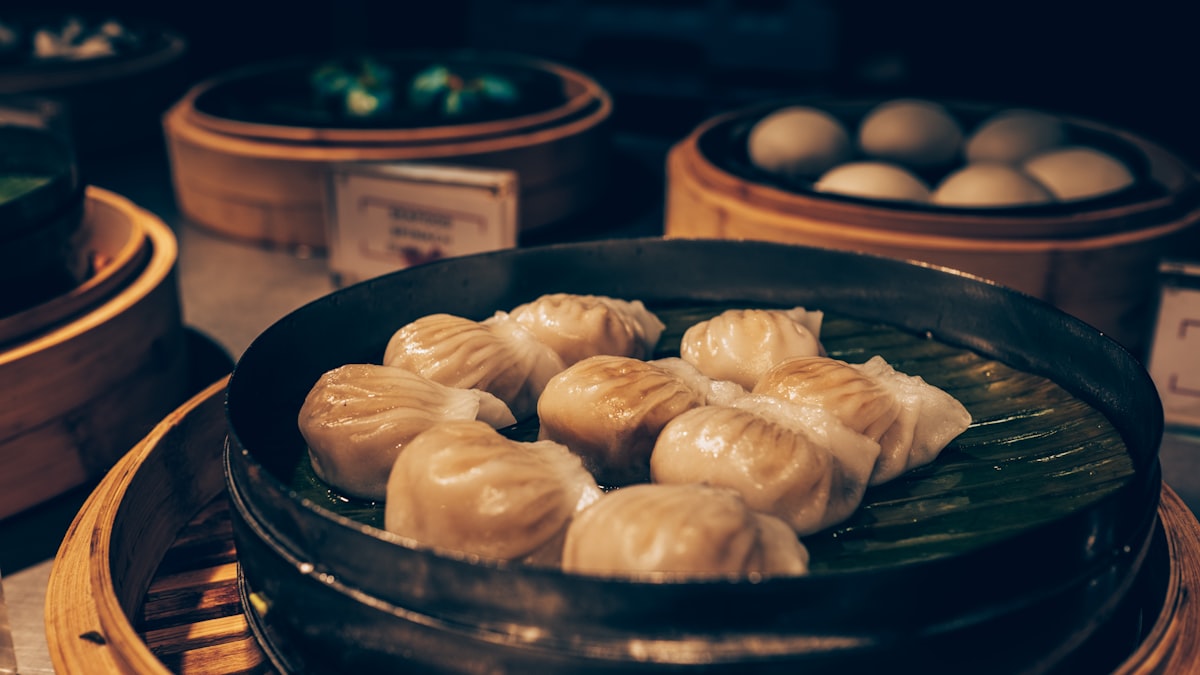
Dumplings are the safe, universal choice — boiled, pan-fried or steamed, ready in minutes, and a good first stop while you survey the rest of the street.
What to try
- Skewers (chuanr) — lamb, beef, chicken and vegetables grilled over charcoal with cumin and chili. The universal night-market item.
- Grilled seafood — oysters, clams, squid and shrimp, especially in coastal cities.
- Dumplings and baozi — boiled, pan-fried or steamed; a safe, filling choice.
- Stinky tofu — the infamous fermented tofu; an acquired taste, but locals love it.
- Pancakes and flatbreads — jianbing-style and roujiamo, the savoury breads.
- Desserts — sugar-coated fruit, egg tarts, red-bean pastries, and the odd ice cream.
How to order, without the language
- Point and count: at a skewer stall, point at the skewers and hold up fingers for the number. Elsewhere, point at the item and say ‘zhe ge’ (this one).
- Prices are usually displayed — ‘duoshao qian?’ (how much?) sorts out the rest.
- Pay by phone: most stalls have an Alipay QR code — scan and pay. A little cash works as backup.
The safety golden rule
The one rule that keeps night-market eating trouble-free: eat where it’s busy. A stall with a constant stream of locals is turning over fresh ingredients; an empty one is a gamble. Eat everything piping hot, skip anything that’s been sitting out, and drink bottled or boiled water. Sensitive stomachs should ease in — start with cooked and fried items, and hold the raw salads and ice for the second half of the trip. See our street food safety guide for more.
The best night-market cities
- Xi’an — the Muslim Quarter is the legendary one: lamb skewers, roujiamo and biangbiang noodles. See the Xi’an guide.
- Chengdu & Chongqing — spicy street food at its best. See Chengdu.
- Shanghai & Guangzhou — huge, polished night-market districts. See Shanghai and Guangzhou.
- Qingdao — seafood and beer in August. See Qingdao.
Practical notes
- Timing: markets peak from 6pm to 10pm; go with an appetite.
- Cost: ¥5–30 per item, ¥50–100 for a full tasting (estimates).
- Vegetarian: skewers of vegetables, dumplings, pancakes and sweets are all options — say ‘bu yao rou’ (no meat).
- Comfort: wear flat shoes, carry Alipay, and bring a small bottle of water.
The rhythm of a night market
A night market builds through the evening. Around 6pm the first stalls light up; by 8pm the street is full and the grills are smoking. The pace is slow and grazing — you stop, try something, walk, stop again. There’s no sit-down formality: it’s a street-long buffet with the city’s energy around you. The best approach is to walk the whole street once to see what’s there, then circle back to the stalls that looked best. Crowds are your signal — follow them.
The regional specialities
Night markets are where regions show off. Xi’an’s Muslim Quarter — lamb skewers, roujiamo, and cumin-heavy grilling. Chengdu and Chongqing — the spicy street-food heartland. Qingdao and the coast — seafood and beer. Shanghai and Guangzhou — polished, huge, and dazzling. Match your night market to the region and you’ll taste what locals are proud of. Our city guides point to each city’s best.
Night market as a full dinner
One misconception: a night market isn’t just snacks — it can be a full dinner. Five or six stalls in an hour, from skewers to dumplings to dessert, is a complete and satisfying meal. It’s also one of the cheapest ways to eat well in China (¥50–100 per person, estimate). Treat it as a real meal, not a post-dinner bonus, and you’ll enjoy it more.
Before you go
- Go hungry — the point is grazing.
- Go early-ish — 6–7pm avoids the worst crowds.
- Follow the queue — busy stalls are good stalls.
- Bring Alipay — most stalls are cashless.
- Flat shoes and a water bottle — comfort matters on a two-hour walk.
Reading a stall before you buy
A stall tells you a lot before you order. The crowd is the first signal — a queue means fresh food and a good reputation. The setup matters: clean hands, visible cooking, and ingredients that look fresh. The turnover is the real test: a stall that’s restocking constantly is doing it right. And trust your instincts — if something looks off, the stall two steps away is probably excellent. Night markets are full of great food; the skill is just picking the great stalls.
What a night-market dinner looks like
A full night-market dinner for two might be: lamb skewers to start (ten skewers, eaten standing), then grilled oysters or clams at a seafood stall, a handful of dumplings, a jianbing or roujiamo for the savoury middle, and sugar-coated fruit or egg tarts for dessert — all washed down with a cold drink. Five or six stalls, an hour or two, ¥50–100 per person. It’s the most social and economical way to eat well in China.
Vegetarian at the night market
Vegetarians eat brilliantly at night markets. Vegetable skewers (grilled mushrooms, eggplant, corn), dumplings with vegetable fillings, cold noodles, pancakes, and the whole dessert side are all options. The one thing to watch: many ‘vegetable’ items are cooked with meat fat or in shared oil. Say ‘bu yao rou’ (no meat) and point; vendors will usually sort it out. See our vegetarian guide for deeper tips.
A note on stinky tofu
Stinky tofu (choudoufu) is the night-market legend — fermented tofu with a pungent aroma that belies a surprisingly mild, savory taste. It’s deep-fried and served with pickles and chili sauce. If you’re brave, it’s a genuine cultural experience and a good story. If you’re not, it’s completely optional — the market has dozens of other things. The smell can be strong on some streets, but it’s part of the character of a night market.
Night markets and your broader trip
A night market is worth scheduling into any itinerary, not just catching by chance. It’s the fastest way to taste a city’s food culture in one evening, and it’s a genuinely social experience — you’re part of the crowd, pointing and sharing and trying things you’d never order in a restaurant. Plan one in every city if you can; they’re cheap, memorable, and they connect you to the place in a way no sit-down dinner can.
Prices as of August 2026 — confirm current rates before you go.
Frequently Asked Questions
What is a Chinese night market like?
A street or alley of food stalls that come alive after dark — grills smoking, woks flaming, dumplings steaming. You walk the line, point at what looks good, and eat standing or at a small shared table. It's loud, colorful and one of the best ways to taste a lot of local food in one evening.
What should I try at a night market?
The classics: lamb or beef skewers (chuanr), grilled seafood (oysters, clams, squid), dumplings and baozi, pancakes, stinky tofu if you're brave, and sweet desserts like sugar-coated fruit or egg tarts. Go for what's fresh and busy — high turnover means good food.
Is street food at night markets safe for tourists?
Generally yes, with one golden rule: eat where it's busy. A stall with a long line or a constant stream of locals is turning over fresh food quickly. Eat everything piping hot, avoid anything that looks like it's been sitting out, and drink bottled water. For sensitive stomachs, ease in over the first day or two.
How do I order without speaking Chinese?
Point and count. At a skewer stall, point at the skewers you want and hold up fingers for the number. For other stalls, point at the item and say 'zhe ge' (this one). Most stalls show prices; a common phrase is 'duoshao qian?' (how much?). Payment is by [Alipay](https://chinotrips.com/how-to/set-up-alipay/) QR code — scan and pay.
Which cities have the best night markets?
Xi'an's Muslim Quarter is legendary (lamb skewers, roujiamo). Chengdu and Chongqing do spicy street food brilliantly. Shanghai and Guangzhou have huge, polished night-market districts. Qingdao's markets pair seafood with beer. See our city guides — each has a food and nightlife section.
How much does a night-market dinner cost?
Items are ¥5–30 each — skewers, dumplings and pancakes are cheap. A full tasting dinner of five or six items runs roughly ¥50–100 per person (estimate). It's one of the most economical ways to eat well in China.