China Festival Travel Tips: Crowds, Booking, Dates (2026)
Traveling in China during festivals — the calendar at a glance, crowds to expect, booking ahead, dodging peak travel days, and practical tips.
China’s festivals are the country’s most spectacular and most chaotic weeks — the whole nation travels at once, but the lanterns, fireworks and temple fairs are unlike anything you’ll see any other time of year. With early bookings and a little strategic flexibility, you can have the magic without the misery.
The biggest mistake travelers make in China is treating a festival week like a normal week. Trains and flights sell out, hotel prices double, and the Forbidden City queues can take hours. The second mistake is writing the festivals off entirely — because the lantern festival in a Chinese square, the Spring Festival fireworks, and the golden-week atmosphere are some of the most memorable experiences the country offers. This guide explains how to plan around the peaks so the festival works for you, not against you.
The festival calendar at a glance
China’s public holidays are set by the lunar calendar and a few fixed dates, which means they shift every year. The ones that matter for travel:
- Spring Festival (Chinese New Year) — late January or February. The biggest holiday of the year: 7 official days, but the travel rush (Chunyun) stretches for weeks around it.
- Qingming (Tomb-Sweeping Day) — early April. A 3-day break for family and ancestor visits.
- Dragon Boat Festival — June. A 3-day break, best known for the boat races.
- Mid-Autumn Festival — September or October. A 3-day break, sometimes overlapping with Golden Week.
- National Day Golden Week — October 1–7. The second mega-holiday, and the biggest travel week of the year.
Exact dates shift annually, so always confirm — our China festival calendar lists them year by year.
What actually happens during the big holidays
Understanding the mechanics explains every piece of advice in this guide:
- The whole country moves at once. During Spring Festival and Golden Week, hundreds of millions of people travel. Trains sell out within minutes of going on sale; flights fill; the road network clogs.
- Prices spike. Hotels can double or triple, and last-minute tickets are scarce or gone.
- Attractions cap their numbers. The Forbidden City and other major sites limit daily visitors and sell out days in advance during holidays.
- Cities empty out, then refill. During Spring Festival, migrant workers and students go home — so Beijing and Shanghai are quieter than usual, while the provinces and small towns fill. During Golden Week, the flow reverses: everyone vacations, and the tourist cities and famous sights are slammed.
- The atmosphere is electric. Red lanterns everywhere, fireworks, temple fairs, families in new clothes — the cities look and feel completely different.
This is why the strategy is not “avoid festivals” but “travel with the flow.”
Booking: the non-negotiable part
If you travel during a major festival, advance booking is not a suggestion — it’s the difference between a trip and a plan that collapses. In priority order:
- Long-distance trains and flights. Book the moment booking opens. Rail opens 15 days before departure (about 7 days during peak, check current rules) and popular routes sell out the same day. Book with your passport through Trip.com or 12306 — our train ticket guide walks through it.
- Hotels. Book every night in advance. During Golden Week in tourist cities, decent hotels near the sights fill first; after that, prices climb steeply for what’s left.
- Timed-entry attractions. The Forbidden City, the Great Wall sections that require reservations, museums and theme parks all cap entry. Book as far ahead as the system allows — often 7–10 days.
- Big dinners and show tickets. The famous restaurants and evening shows fill up; reserve a day or two ahead.
For the full how-to on timed-entry sites, see our advance booking guide.
Dodging the worst peak days
You don’t need to avoid the whole holiday — just the edges. These are the days to dodge:
- The first and last days of Golden Week. October 1 and October 7 (and the weekend just before/after) are the heaviest travel days. The middle of the week — October 3–5 — is noticeably easier.
- The travel rush days of Spring Festival. The days immediately before and after the New Year are the peak of the world’s largest annual human migration. The middle days of the holiday, when most people are already home and celebrating, are calmer.
- Holiday eves. If you can avoid traveling on the eve itself (Chinese New Year’s Eve, Mid-Autumn’s eve), you skip the most congested windows.
A one-day shift can halve the fare and the queue. If your dates are flexible at all, book the shoulder dates.
The “reverse the flow” strategy
The most counter-intuitive trick is to go where everyone else isn’t:
- Big cities during Spring Festival. Beijing and Shanghai empty out as locals go home. The Forbidden City and the Bund are far more manageable than usual — while the train stations and expressways are packed. This is a genuinely good time to see the famous sights.
- Off-circuit destinations during Golden Week. Instead of the Forbidden City and West Lake, pick a smaller city — a provincial capital, a scenic town, a less-famous section of the Wall. The holiday crowds concentrate on the top-20 attractions; everywhere else is merely busy.
- Countryside during the shoulder festivals. Qingming and Dragon Boat draw travelers too, but far fewer than Golden Week — the countryside and smaller towns stay pleasant.
Our avoiding Golden Week crowds guide is built entirely around this idea and has concrete destination suggestions.
Making the most of the festival atmosphere
The whole point of going during a festival is the atmosphere. Make it count:
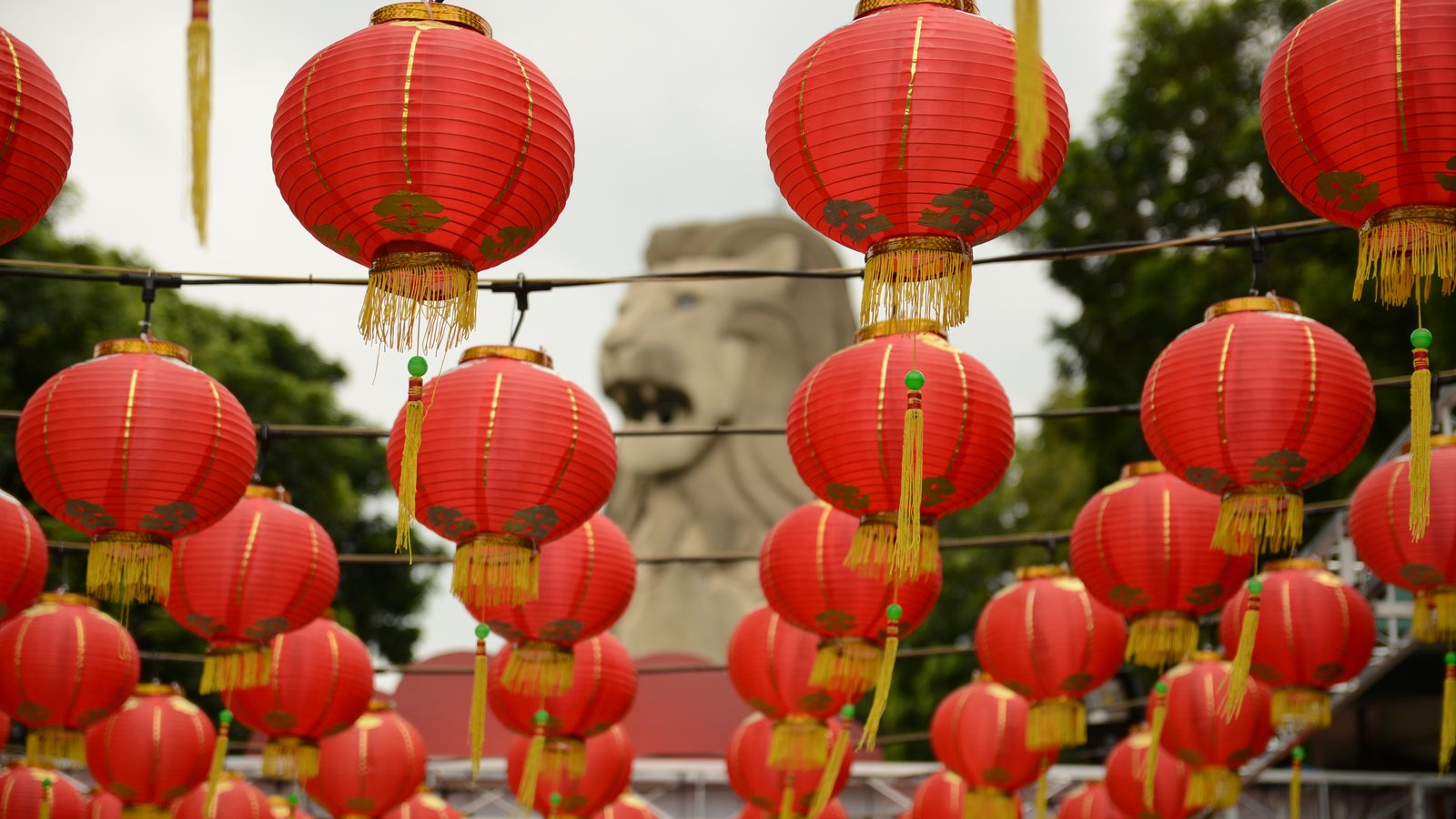
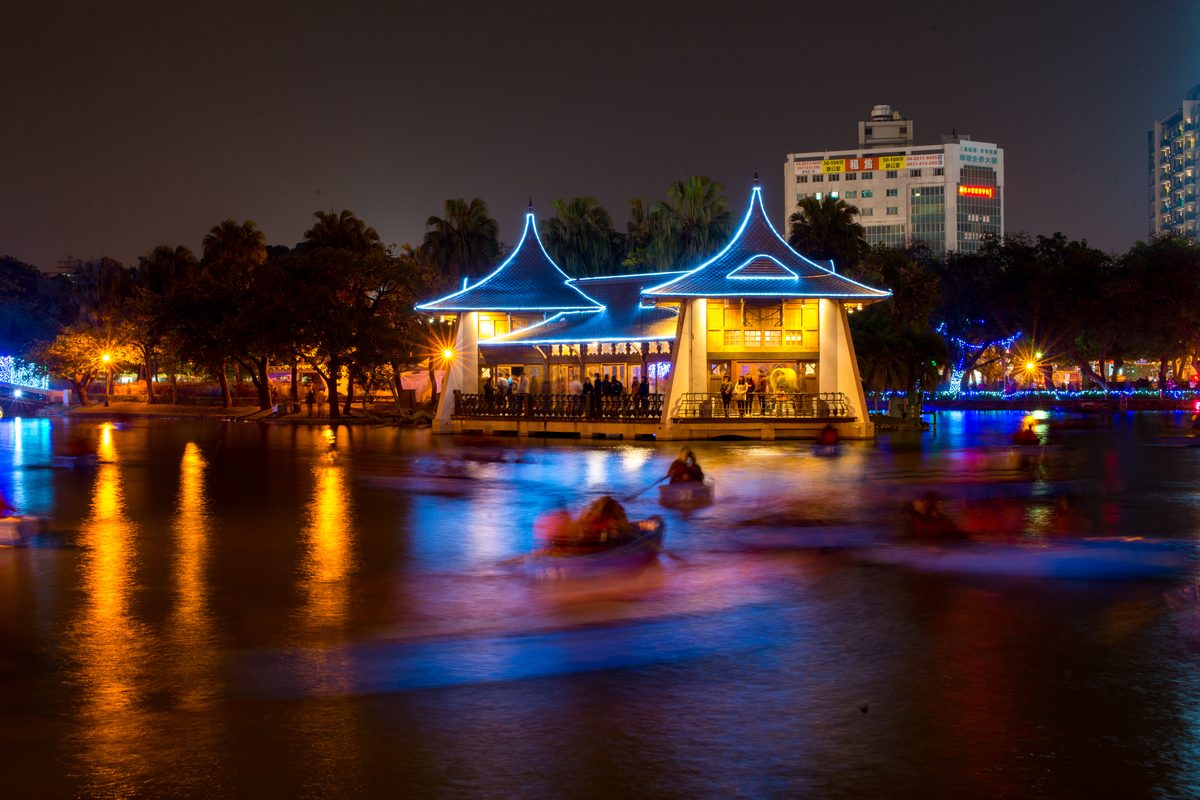
- Lanterns. The Lantern Festival (mid-February) is the peak, but lantern displays run for weeks around Spring Festival and again at Mid-Autumn. Xi’an’s lantern festival, Nanjing’s Confucius Temple lights and the selfie-worthy displays in every major city are highlights.
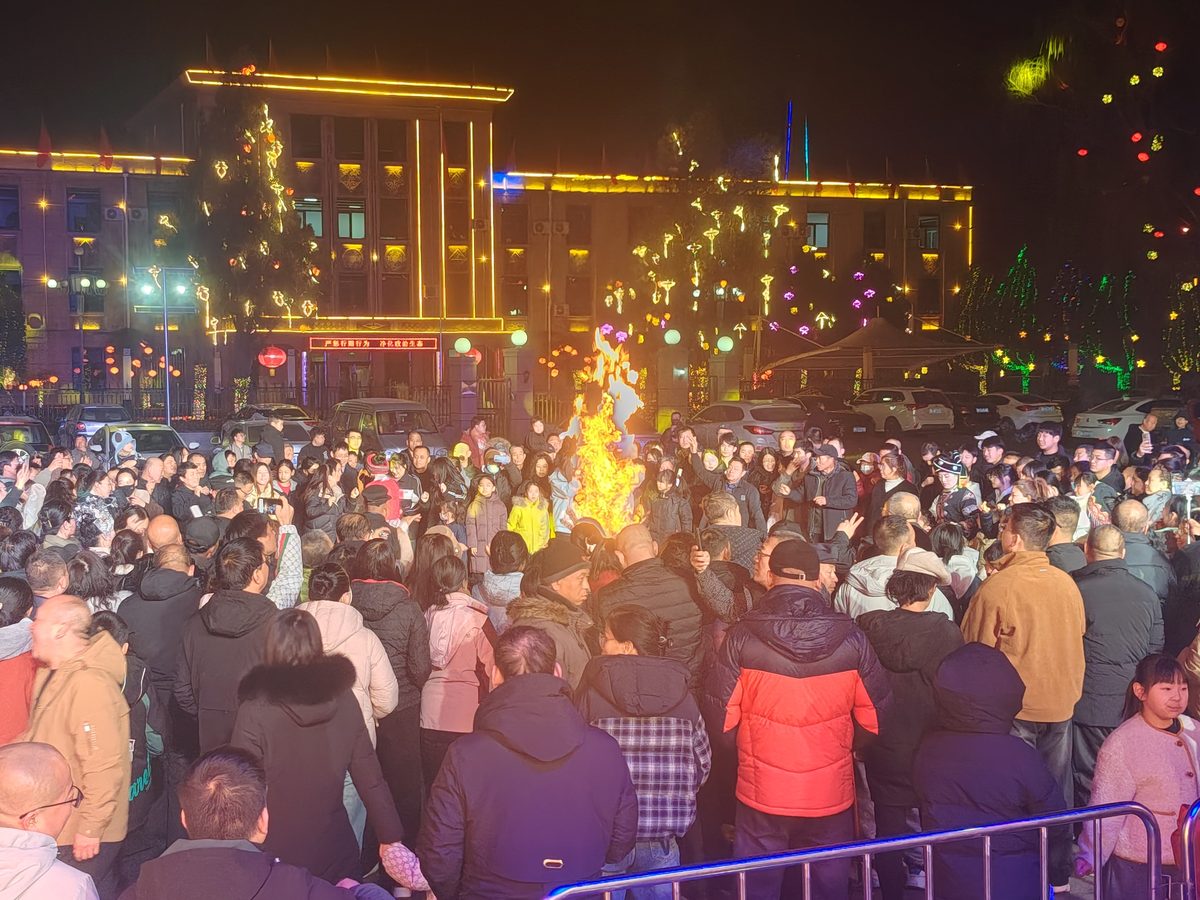
- Temple fairs. Beijing’s Spring Festival temple fairs (at the Temple of Earth, Longtan Park and others) mix snacks, folk performances, games and crowds — the definitive Spring Festival experience.
- Fireworks. New Year’s Eve and the first morning of the New Year bring spectacular firework displays; check local rules, as some cities ban or restrict them.
- Dragon boat races. Around the Dragon Boat Festival in June, rivers across the south — Guangzhou, Hangzhou, Fujian’s cities — host races with drums and cheering.
- Seasonal food. Mooncakes at Mid-Autumn, dumplings at Spring Festival, zongzi (sticky-rice parcels) at Dragon Boat. Eating is how China celebrates, and the seasonal specialties are a highlight in themselves.
Practical tips for festival travel
- Book a data connection and payment before you arrive — the apps you’ll rely on (Alipay, maps, translation) need to work from day one.
- Carry your passport at all times — train checks and hotel check-ins are stricter during the rush.
- Allow extra time everywhere — security lines, ticket queues and taxis all run longer during holidays.
- Buy attraction tickets on the official app or site, not from street touts — during the rush, scams increase and official timed tickets are your guarantee.
- Consider the shoulder weeks. If the festival falls awkwardly, the week before or after often gives 80% of the atmosphere with 20% of the crowds. Our Golden Week guide weighs both options.
Is it worth it?
For most travelers, the answer is a clear yes — at least once. The alternative view: if your priority is quiet sightseeing and you’re not flexible, a festival week can feel like a battle. The middle path — go to a big city for Spring Festival, or to a smaller destination for Golden Week, booking everything far ahead — gives you the unforgettable parts without the worst of the crush. China’s festivals are the country at its most itself, and with this plan you’ll be celebrating rather than surviving.
Last updated: August 2026. Holiday dates, booking windows and attraction quotas change yearly — confirm current dates and rules before you go.
Frequently Asked Questions
What are the biggest festivals in China for travelers?
The two that move the entire country are **Spring Festival (Chinese New Year)** — usually late January or February, a 7-day public holiday — and **National Day Golden Week**, October 1–7. Between them, the whole nation travels at once, which is both the hardest and the most atmospheric time to be in China. Smaller but still lively: **Qingming** (early April), **Dragon Boat Festival** (June), **Mid-Autumn Festival** (September/October, sometimes merged with Golden Week) and **Lantern Festival** (mid-February). For exact dates each year, see our [China festival calendar](https://chinotrips.com/itineraries/china-festivals-calendar/).
Should I avoid traveling to China during Golden Week?
Not necessarily — but plan carefully. Golden Week (October 1–7) is the country's biggest travel holiday: trains, flights and hotels fill, attractions are packed, and prices spike. It's also a wonderful time to see China at its most festive. The smart approach is to **book everything far in advance** (trains open 15 days ahead and sell out fast), **avoid the first and last days** of the holiday (peak travel days), and **pick destinations off the main tourist circuit**. Our [Golden Week travel guide](https://chinotrips.com/itineraries/golden-week-travel-guide/) has the full strategy.
How do Chinese holidays affect train and flight tickets?
Massively. Around Spring Festival and Golden Week, tickets sell out within minutes to hours of going on sale, prices rise, and extra trains and flights are added — which also sell out. The golden rule: **book as soon as booking opens** (rail bookings open 15 days before departure; flights vary but early is always better). High-speed rail bookings are made with your passport via Trip.com or 12306 — see our [train ticket guide](https://chinotrips.com/how-to/train-tickets/). If you can, travel a day before or after the peak dates for far more availability and lower prices.
Is it worth visiting China during Spring Festival even with the crowds?
For many travelers, yes — it's the most authentic and atmospheric time to experience Chinese culture. Cities explode with red lanterns, fireworks, temple fairs and family gatherings; the Spring Festival travel rush is real but the celebration is unforgettable. The biggest cities (Beijing, Shanghai) empty out as residents go home, which means quieter sights in the cities themselves — the crowds are on the road and the rail network, not at the Forbidden City. If you want the cultural peak, it's worth the planning. If you prefer calm travel, the shoulder weeks around it are far easier.
What should I book in advance for a festival trip to China?
In priority order: **long-distance trains and flights**, then **hotels** (especially in tourist cities and popular rural areas), then **popular attractions that require timed entry** — the Forbidden City, the Great Wall, Shanghai Disney, major museums. Attractions often cap daily tickets during holidays and sell out days ahead, so book them as early as possible too — our [advance booking guide](https://chinotrips.com/how-to/book-attractions-advance/) covers the practical how-to. Restaurants, especially famous ones, fill up; book big dinners a day or two ahead.
How can I avoid the worst of the festival crowds?
Five moves that work: **travel on shoulder dates** (a day before or after the peak); **reverse the flow** — go to big cities during Spring Festival (they empty out) and to the countryside during Golden Week (it's quieter than the famous sights); **start early** — hit the Forbidden City at opening; **choose smaller cities and less famous sites**; and **use the high-speed rail** to reach off-circuit destinations. Our [avoiding Golden Week crowds](https://chinotrips.com/itineraries/avoiding-golden-week-crowds/) guide details the strategies.
What festival experiences are worth seeking out?
The lantern displays (the **Lantern Festival** in mid-February is the peak, but spring and Mid-Autumn bring beautiful lantern festivals in cities like Xi'an and Nanjing), **temple fairs** during Spring Festival (especially in Beijing), **fireworks** on Chinese New Year's Eve and on the first day, the **Dragon Boat races** in June (best in southern cities like Guangzhou and Hangzhou), and **mooncake** culture around Mid-Autumn. These are the moments when the crowds are the point — they're genuinely special.