
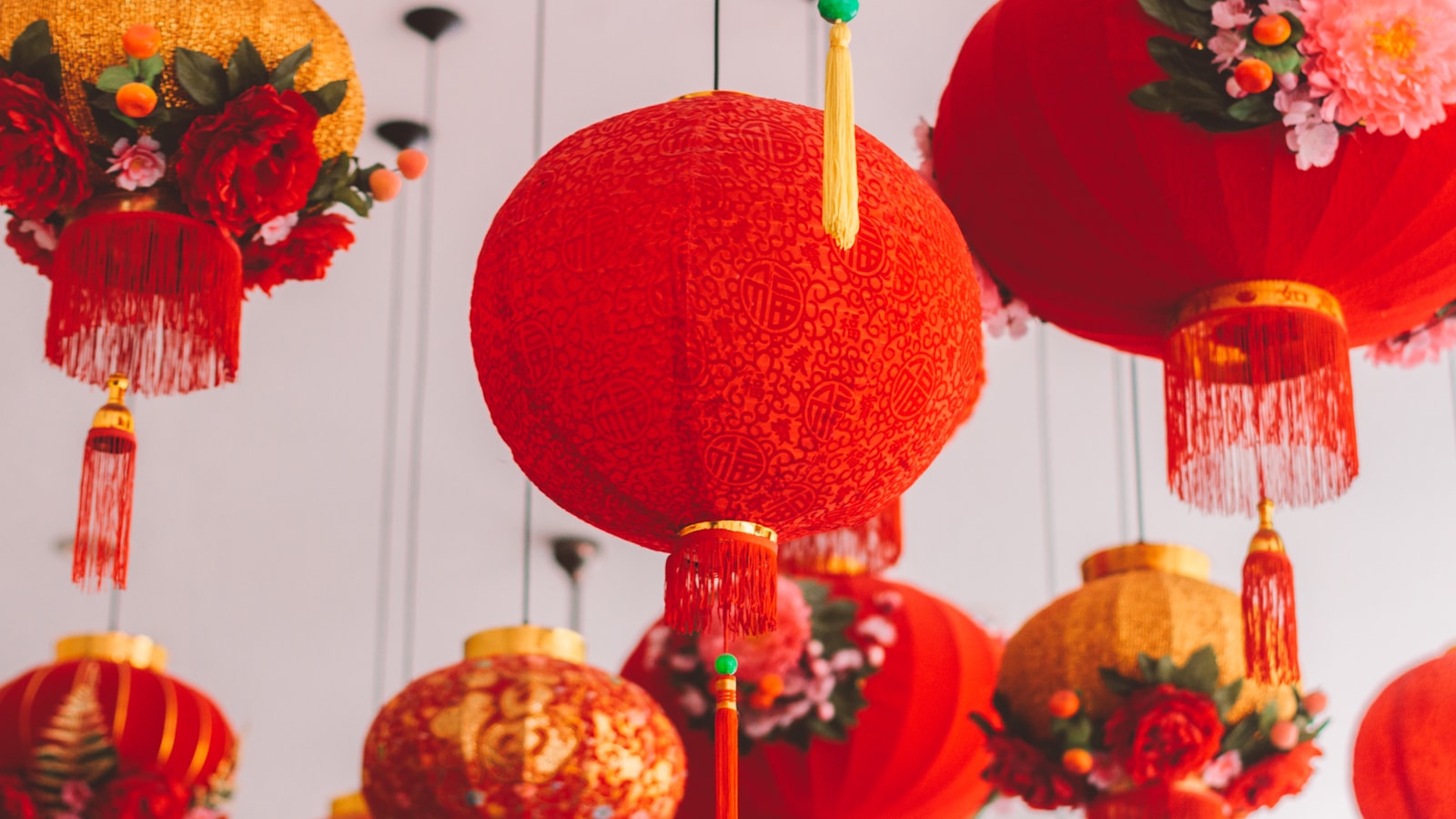
China Festival Calendar: Plan Your Trip Around the Holidays
The complete China festival calendar — Chinese New Year, Golden Week, Mid-Autumn and more — with travel impact and when to visit or avoid.
China’s festival calendar shapes the whole travel year — the big holidays to avoid, the cultural festivals to seek, and the sweet-spot seasons in between. Here’s the complete picture.
Understanding China’s festivals is the key to planning a good trip: the two big holidays are best avoided, the cultural festivals are worth seeking, and the seasons between them offer the best weather and crowds. This calendar lays out the whole year.
The two big travel holidays
These are the ones to plan around (or avoid):
- Chinese New Year (late January to mid-February) — the homecoming migration. Cities empty, transport is the worst of the year, and some shops close. See our CNY guide.
- National Day Golden Week (October 1–7) — everyone vacations. The famous sights fill and prices spike. See our Golden Week guide.
For most travelers, the shoulder weeks around these are far better.
The spring season (March–May)
- Cherry blossom season (late March to early April) — the seasonal highlight. Wuhan, Nanjing and Shanghai at their most beautiful. See our blossom guide.
- Qingming (April 4–5) — a short holiday, modest travel peak.
- Spring in general — mild weather, manageable crowds. See our spring guide.
Spring is one of the best seasons to visit.
The summer season (June–August)
- Dragon Boat Festival (May–June) — a three-day holiday, dragon boat races and zongzi. See our Dragon Boat guide.
- Summer in general — hot and humid in most of China, with the school-holiday crowds. The west (Yunnan, Qinghai) and the coast are the comfortable options.
Summer is hot but lively; the north and the coast handle it best.
The autumn season (September–November)
- Mid-Autumn Festival (September–October) — mooncakes, lanterns and the full moon. See our Mid-Autumn guide.
- Golden Week (October 1–7) — the big autumn holiday, best avoided.
- Post-Golden Week (mid-October to early November) — the autumn sweet spot: superb weather, few crowds, normal prices. See our post-holiday guide.
Autumn is the other great season to visit.
The winter season (November–February)
- Chinese New Year (January–February) — the big winter holiday, best planned around.
- Lantern Festival (mid-late February) — the bright close to CNY. See our Lantern Festival guide.
- Winter in general — cold in the north (Harbin’s ice festival is the highlight), mild in the south.
Winter is quiet and cheap except around Chinese New Year.
The practical planning rules
- The big two holidays — book months ahead or avoid; the shoulder weeks are better.
- The three-day holidays (Qingming, Dragon Boat, Mid-Autumn) — book a week or two ahead.
- The best seasons — spring and autumn for weather and crowds.
- The cultural highlights — blossoms, lanterns, mooncakes and dragon boats.
A note on the dates
Chinese festival dates follow the lunar calendar and shift yearly — the two fixed ones are Golden Week (always October 1–7) and Qingming (always April 4–5). For everything else, check the exact dates for your travel year before booking. Our guides link the details.
The bottom line
China’s festival calendar is the skeleton of its travel year: two big holidays to plan around, a set of cultural festivals worth seeking, and two golden seasons in between. Understand it, and you’ll know exactly when to go — and when to avoid.
A year at a glance
Winter (Nov–Feb): cold in the north (Harbin’s ice festival), mild in the south; Chinese New Year and the Lantern Festival are the events. Quiet and cheap except around CNY. Spring (Mar–May): cherry blossoms and mild weather; Qingming is a short holiday. One of the best seasons. Summer (Jun–Aug): hot and humid in most of China; Dragon Boat opens the season. The coast and the west are the comfortable options. Autumn (Sep–Nov): Mid-Autumn, then Golden Week (avoid), then the post-holiday sweet spot. The other great season.
The best times to book
- The big two holidays — book months ahead or avoid; the shoulder weeks are better.
- The three-day holidays (Qingming, Dragon Boat, Mid-Autumn) — book a week or two ahead.
- The cultural festivals (blossoms, lanterns, Mid-Autumn) — book blossom spots and hotels early.
- The shoulder seasons — normal lead times; the easiest booking.
A decision guide for your trip
- Want the best weather? Spring (April–May) or autumn (September–November).
- Want the fewest crowds? The shoulder weeks around the big holidays.
- Want a cultural festival? The blossoms, the Lantern Festival, or Mid-Autumn.
- Want to avoid the worst? Don’t travel the exact peak of CNY or Golden Week.
- Want the best value? Winter (except CNY) and the post-holiday shoulders.
Common planning mistakes
- Ignoring the lunar dates — they shift yearly; check before booking.
- Booking the big holidays late — they sell out months ahead.
- Treating the three-day holidays like the big ones — they’re moderate, not chaotic.
- Missing the seasonal highlights — blossoms and autumn colors are worth timing for.
- Not using the shoulder weeks — they’re the secret to a calm, affordable trip.
The bottom line
China’s festival calendar is the skeleton of its travel year: two big holidays to plan around, a set of cultural festivals worth seeking, and two golden seasons in between. Understand it, and you’ll know exactly when to go — and when to avoid. It’s the single most useful framework for planning any China trip. Use the calendar, pick your window, and China’s travel year becomes clear and manageable.
A decision guide
The calendar answers the core travel questions: best weather — spring (April–May) and autumn (September–November); fewest crowds — the shoulder weeks around the big holidays; cultural festivals — the blossoms, the Lantern Festival, Mid-Autumn; best value — winter (except CNY) and the post-holiday shoulders. Use it to pick your window, and the whole year becomes clear.
The bottom line
China’s festival calendar is the skeleton of its travel year: two big holidays to plan around, a set of cultural festivals worth seeking, and two golden seasons in between. Understand it, and you’ll know exactly when to go — and when to avoid. It’s the single most useful framework for planning any China trip.
A note on the dates
Chinese festival dates follow the lunar calendar and shift yearly — the two fixed ones are Golden Week (always October 1–7) and Qingming (always April 4–5). For everything else, check the exact dates for your travel year before booking. Our festival guides link the details, and the calendar above is the framework to plan around.
The takeaway
The calendar is your year-long planning tool: it tells you when the country is busy (the big holidays), when it’s beautiful (spring and autumn), and when it’s calm (the shoulders). Plan around the peaks, seek the seasons, and you’ll see China at its best. It’s the framework that makes the whole travel year legible. Plan with the calendar, and every season of China opens up to you. Enjoy! The whole country’s rhythm, in one page. Enjoy! Happy planning! Go!
Festival dates shift yearly with the lunar calendar. Confirm exact dates for your travel year before booking.
How to use the calendar
The dates of China’s traditional festivals move every year because they follow the lunar calendar, so use this as a planning aid rather than a fixed schedule. For any trip, confirm the current year’s dates, then check how each festival affects transport, hotel prices and opening hours before committing to a window.
Frequently Asked Questions
What are China's main holidays?
The two biggest are Chinese New Year (late January to mid-February) and National Day Golden Week (October 1–7). In between are shorter holidays — Qingming (early April), Dragon Boat (May–June), Mid-Autumn (September–October) — each a three-day break that creates a modest travel peak.
When is the worst time to travel China for crowds?
The two worst are Chinese New Year (the homecoming migration, transport chaos) and Golden Week (everyone vacations to the same sights). For most travelers, these are the ones to avoid or plan around very carefully. The shoulder weeks around them are dramatically calmer.
When is the best time to visit China?
Spring (April–May) and autumn (September–November) offer the best combination of weather and crowds — mild, comfortable, and outside the big holidays. The cherry blossoms (March–April) and the autumn colors (October) are the seasonal highlights.
How do festival dates affect my booking?
During the big holidays, book flights, hotels and trains months ahead — they sell out and spike. During the shorter three-day holidays, book a week or two ahead. Outside holidays, normal lead times apply. The exact dates shift yearly, so check the lunar calendar for your travel year.
Are there any festivals worth visiting FOR?
Yes — the cherry blossom season (March–April), the Lantern Festival (mid-late February), and the Mid-Autumn mooncakes and lanterns (September–October) are all worth experiencing. The big travel holidays are the ones to avoid; the cultural festivals are the ones to seek.