
New Year's Eve in China: Countdown, Parties & What to Expect
How China celebrates December 31 — countdowns, rooftop parties and fireworks in Shanghai, Beijing and Guangzhou, plus what to expect and how to plan NYE 2026.
If you’re picturing a Times Square-style street party with fireworks overhead, dial those expectations back — but do not skip December 31 in China, because Shanghai, Beijing, and Guangzhou each throw a genuinely memorable countdown. The catch is that this Gregorian New Year’s Eve is not the “real” New Year here. That honor belongs to the Spring Festival, the lunar holiday that empties the country in late January or February. December 31 is China’s warm-up act: a glittering, commercial, big-city night out of rooftop parties, light shows, late-night shopping, and countdown crowds — with almost none of the week-long shutdown that makes Spring Festival travel so punishing. For a foreign visitor, that makes it one of the easiest and most fun holidays to drop into the middle of a trip.
New Year’s Eve vs Spring Festival: the key distinction
Foreign visitors almost always confuse these two, so let’s separate them clearly. China runs on two calendars at once. The Gregorian (solar) New Year lands every January 1, with the celebration concentrated on the night of December 31. The Spring Festival — also called Chinese New Year or Lunar New Year — falls on a shifting date in late January or February and is the country’s biggest holiday, marked by a week of family reunions, feasting, and the world’s largest annual human migration.
In practical terms for your trip, the differences matter enormously. Spring Festival means half the country’s restaurants close, train tickets sell out in seconds, and hotels spike in price for days. Gregorian NYE is the opposite: it is a single night plus a one-day public holiday, the city stays fully open, and nothing shuts down. Locals do not travel home for it the way they do for Spring Festival. Instead, December 31 is a young, urban, out-on-the-town celebration — more like a Western New Year’s Eve in spirit, transplanted onto Chinese streets. If you want to understand the deeper, family-centered holiday it is often mistaken for, read our guide to the Spring Festival Gala and the Lunar New Year. And if you’re planning around holiday crowds in general, the China public holidays guide maps the whole calendar.
How China celebrates December 31
There is no single nationwide tradition for Gregorian New Year’s Eve, which is exactly what makes it flexible. The night typically unfolds in layers. Early evening, young couples and friend groups head to a big dinner — hotpot is a favorite — or a mall for late-night shopping, since many department stores and outlets run extended hours with “countdown sale” promotions. Then the real action moves to bars, clubs, and hotel ballrooms as midnight approaches.
In the major cities, the countdown itself happens at iconic landmarks. Shanghai’s Bund waterfront faces the illuminated Lujiazui skyline across the Huangpu River, and tens of thousands of people gather for the moment the clocks strike twelve. Beijing’s Wangfujing and Sanlitun districts buzz with crowds, outdoor screens, and parties. Guangzhou’s Canton Tower, one of the world’s tallest structures, becomes the centerpiece of a light-and-music countdown along the Pearl River. Expect big screens counting down, a burst of LED light rather than a wall of fireworks, and a cheerful, phone-filming crowd more than a chaotic crush.
One genuinely Chinese touch: many people send red envelopes (hongbao) over WeChat at midnight — the same digital red-envelope custom that peaks during Spring Festival — and social media fills with year-in-review posts. For visitors, the atmosphere is welcoming and photogenic rather than overwhelming, as long as you stay alert in dense crowds.
Where to celebrate: the big-city lineup
Shanghai is the default answer and, for most travelers, the right one. The Bund is the postcard view — colonial-era buildings on one side, the futuristic Lujiazui skyline with the Oriental Pearl Tower on the other, and the river glowing between them. Rooftop bars with a Bund or Pudong view are the most coveted seats in the city on December 31, and they book out weeks ahead. International hotels along the river and in the former French Concession run gala dinners and dance parties. The trade-off is crowd density: the Bund waterfront gets extremely packed, and taxis and DiDi rides vanish right after midnight.
Beijing offers a more varied night. Sanlitun, the embassy-area entertainment district, is the heart of the party scene, while Wangfujing’s pedestrian street and the area around the National Stadium draw countdown crowds. Beijing’s edge is variety — from rooftop bars overlooking the old city to hotel galas, nightclubs, and even ice-skating at outdoor rinks around the Olympic venues and Shichahai lakes, if the weather permits. The main thing to respect is the cold: Beijing sits right around freezing on December 31, and any outdoor countdown means real winter layering.
Guangzhou is the warm-weather pick. The countdown centers on the Canton Tower and the Pearl River waterfront in the Zhujiang New Town (Zhujiang Xincheng) district, where the skyline lights up for a riverside celebration that feels far less bone-chilling than anything up north. Cantonese dining culture means the night often starts with a long, sociable dinner. Shenzhen, just next door and even milder, throws big outdoor celebrations around its own landmarks and parks, with a younger, tech-heavy crowd. If you’re weighing a northern versus southern December trip, the weather alone pushes many visitors toward Guangzhou or Shenzhen for NYE.
The fireworks reality
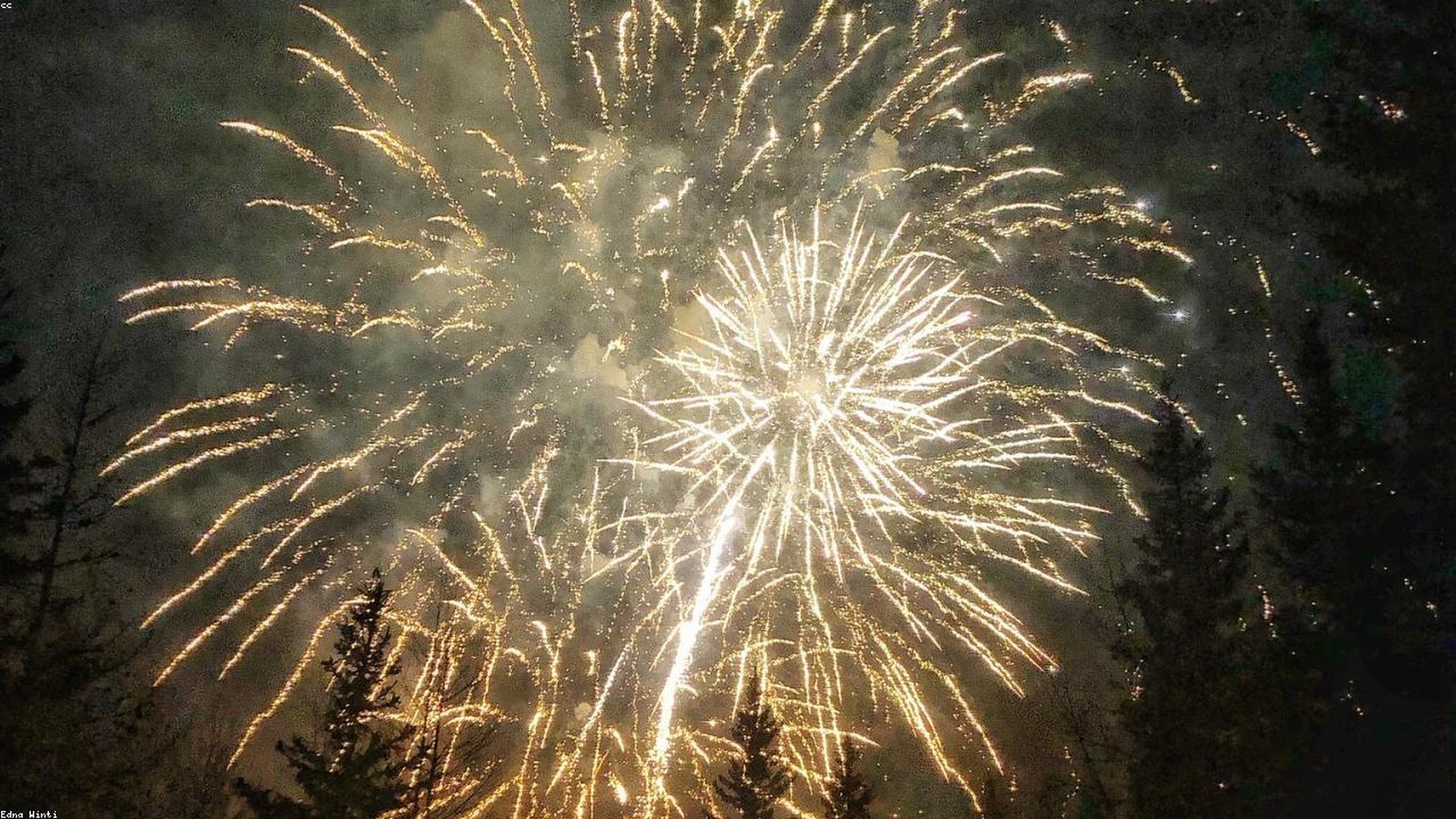
Let’s set this straight, because it is the single biggest misconception. Most big Chinese cities — including Beijing, Shanghai, and Guangzhou — have banned or tightly restricted consumer fireworks since the 2010s, for air-quality and safety reasons. On December 31, do not expect a citywide fireworks show over the Bund or Canton Tower.
What you get instead is arguably better for the photos: synchronized LED light shows on skylines, drone displays in some cities, laser and projection mapping, and the collective energy of a huge crowd. You may hear scattered firecrackers in the distance, and a few smaller cities or suburban districts still permit fireworks in designated zones, with rules that change year to year. If fireworks are make-or-break for your night, research the specific city and district rules for the current year before booking — and consider a smaller, less-regulated city rather than one of the three majors. Otherwise, treat NYE in China as a lights-and-parties experience, not a pyrotechnics one.
Rooftop bars, hotel galas, and the party scene
The single best advice for December 31 in a big Chinese city: secure a reservation, because walk-ins are rare and the best tables vanish early. Rooftop bars with skyline views are the top choice in Shanghai, where bars perched above the Bund or overlooking Lujiazui sell fixed-price NYE packages that typically include a set, drinks, and the countdown itself. Beijing’s rooftop and hotel bars are equally popular, and Guangzhou’s riverside venues near the Canton Tower offer open-air terraces with the mildest weather of the bunch.
Hotel NYE galas are the most reliable option if you want dinner, entertainment, and a countdown under one roof — most five-star and international-brand hotels run a themed gala dinner or buffet, and booking one sidesteps the outdoor crowd entirely. Clubs in Sanlitun (Beijing) and Shanghai’s nightlife districts host big-name DJ nights, but cover charges and table minimums climb steeply on December 31, and lines are long. Whichever route you pick, reserve days or weeks ahead, confirm what the package includes, and treat quoted prices as estimates that change with the venue and the year. Budget-minded travelers can simply join the free public countdown at the Bund, Canton Tower, or a central square — it costs nothing but your comfort in a crowd.
What’s open on January 1
Here’s the good news that surprises many visitors: January 1 is a public holiday in China, but it does not bring the shutdown that Spring Festival does. Shops, malls, restaurants, cafes, attractions, museums, and the metro all keep running, usually on weekend or near-normal hours. It is, in fact, one of the busiest shopping and outing days of the winter — many locals use the day off to eat out, browse sales, and visit parks or malls, so expect lively but manageable crowds.
The exceptions are the usual administrative ones: banks and some government offices may close or run reduced hours, and a few smaller independent shops might take the day off after a long December 31. For a tourist, January 1 is essentially a normal sightseeing day, which makes the whole December 31–January 1 window very low-friction — you can party on the 31st and still sightsee the next morning without fighting a holiday shutdown. Just note that attractions popular with domestic day-trippers can be busier than a typical weekday.
Weather and what to wear
Your December 31 wardrobe depends entirely on latitude. Northern China — Beijing and everything further north — sits around or below freezing on New Year’s Eve, with dry cold and the occasional biting wind. If you’re doing any outdoor countdown, you need a proper winter coat, hat, gloves, and warm footwear; hotel galas and rooftop venues with outdoor terraces still mean braving the cold for the midnight moment.
Shanghai is milder but damp, and the riverside wind on the Bund makes it feel colder than the thermometer suggests — bring layers and a scarf even if the daytime number looks tolerable. Guangzhou and Shenzhen sit at the opposite end of the spectrum, with December 31 evenings typically mild enough for a light jacket, making southern China the comfort pick for an outdoor countdown. Whatever the city, the practical rule is the same: the best views are outdoors or on terraces, and the midnight hour is always colder than the dinner hour.
Practical planning tips for NYE in China
A few logistics will make or break your night. First, book your venue or dinner table well ahead — NYE packages, rooftop tables, and hotel galas sell out in advance, and walk-ins are a gamble everywhere worth going. Second, solve your ride home before midnight. Taxis and DiDi are notoriously hard to hail in the 30–60 minutes after the countdown, when demand spikes citywide. Pre-book a ride, agree a pickup with your hotel, or — best of all — stay within walking distance of wherever you’re celebrating. The metro often runs extended hours on major holidays, but do not count on it past 1 a.m. in every city; confirm locally.
Third, keep your phone and payment apps ready. You’ll want WeChat Pay or Alipay working for bar tabs, ride-hailing, and any late-night food — set them up before you leave home. Fourth, carry your passport or a photo of it, since some venues and most hotels require ID. Fifth, manage the crowd: the Bund and Canton Tower areas get extremely dense, so keep valuables in front pockets and agree on a meeting point if you’re with a group in case phones die or signals jam. Finally, remember that December 31 in China is a genuine celebration but a compact one — a single glittering night with an easy, open January 1 after it. It pairs beautifully with the big city you’re already visiting, so fold it into your Shanghai or Beijing plans rather than treating it as a reason to fly somewhere new.
Last updated: August 2026. Events, venue lineups and local fireworks rules change — confirm for the current year.
Frequently Asked Questions
How do Chinese people celebrate New Year's Eve on December 31?
The Gregorian New Year (December 31 to January 1) is a relatively modest celebration compared to the Lunar Spring Festival — it's a night of countdown parties, dinners, shopping, and light shows rather than a deep family holiday. Young people go to bars and clubs, families may have a meal out, and big cities host countdown events. January 1 (New Year's Day) is an official public holiday, so the next day most people are off work.
Where is the best place to spend New Year's Eve in China?
Shanghai is the classic choice — the Bund and Lujiazui skyline light up, and rooftop bars offer the best countdown views. Beijing's Sanlitun and Wangfujing areas are lively, with hotel parties and ice-skating events. Guangzhou's Canton Tower district and Shenzhen have big outdoor celebrations with milder weather. For a festive, high-energy countdown, Shanghai's rooftop bars or a hotel NYE gala are the top picks.
Are there fireworks on New Year's Eve in China?
In most big cities, fireworks are banned or tightly restricted (they've been phased out for air-quality and safety reasons since the 2010s). Instead, expect light shows, drone displays, and indoor parties. Some smaller towns and rural areas still allow fireworks, and you may hear scattered firecrackers. If you specifically want fireworks, research local regulations or aim for a smaller city — but don't count on it in Beijing, Shanghai, or Guangzhou.
What should I do for New Year's Eve in Shanghai?
The classic Shanghai NYE: book a table at a rooftop bar (with a Bund or Lujiazui view) for the countdown, or join the crowds along the Bund waterfront for the atmosphere. Many international hotels run NYE galas and buffets — reserve well ahead. Dress warmly (it's winter-cold by the river). Be ready for big crowds and long taxi/DiDi waits after midnight — book a ride early or stay within walking distance of your hotel.
Is everything open on New Year's Day in China?
New Year's Day (January 1) is a public holiday, but unlike the Spring Festival shutdown, most things stay open — shops, malls, restaurants, attractions, and transport all run, often on weekend hours. It's a popular day for outings and shopping, so expect moderate crowds. Banks and some government offices may be closed or on reduced hours. For tourists, it's essentially a normal sightseeing day.