
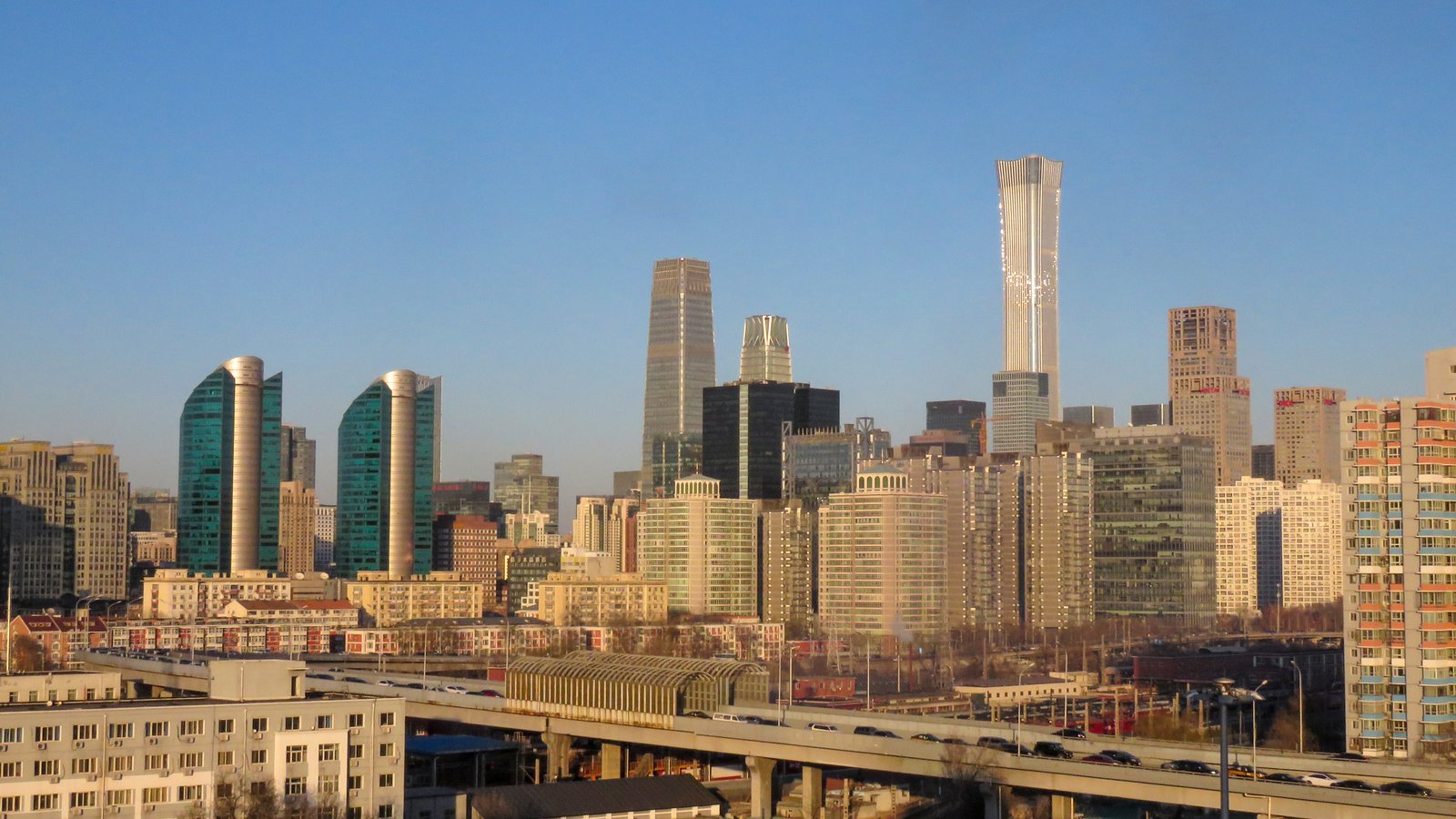
Beijing Travel Guide (2026): What to See & How Many Days
The essential Beijing guide — Forbidden City, Great Wall and Temple of Heaven, how many days you need, where to stay and getting around.
OpenStreetMap Google Maps (opens externally)
Beijing is the classic first stop in China — imperial palaces, the Great Wall, and more food than you can try in a week.
This guide covers the essentials: what to see, how many days you need, how to get here and around, where to stay, and the practical things international visitors always ask.
Overview
Beijing is China’s capital and its most history-dense city. Unlike the futuristic skylines of Shanghai, Beijing is about scale and age — the world’s largest palace complex, the longest man-made structure on Earth a short ride away, and hutong alleys that predate most Western cities’ old quarters.
How many days
3–4 days for the highlights. The single most common mistake is trying to do Beijing, Xi’an and Shanghai in a week — you’ll spend half your time on trains. Beijing alone deserves at least three, and four if you want the Summer Palace plus a relaxed hutong afternoon.
Suggested itinerary
A 3-day plan:
- Day 1 — Imperial Beijing: Forbidden City and Tiananmen Square in the morning; Temple of Heaven and the hutongs in the afternoon.
- Day 2 — Great Wall day trip: Mutianyu (book a timed slot in advance), then back to the city for a Peking duck dinner.
- Day 3 — Summer Palace & old quarters: Summer Palace in the morning; Nanluoguxiang, Houhai and the drum tower in the afternoon.
A 4-day plan adds the 798 art district or a second Great Wall section (Jinshanling for hikers, or the water-side Simatai) on the extra day. If you have five, consider a day trip to Tianjin by high-speed rail — a completely different, concession-era port city about 30 minutes away.
Have more time? Most first-timers combine Beijing with Xi’an and Shanghai — see our first-timer itinerary.
Best time to visit
- Spring (April–May): mild weather, flowers out — the best overall window.
- Autumn (September–October): crisp air, clear skies, perfect for the Great Wall.
- Summer (June–August): hot and humid, but workable if you start early and accept the crowds.
- Winter (November–March): cold but quiet; the Forbidden City in snow is stunning.
Note that the two biggest crowd spikes are Golden Week in early October and the run-up to Chinese New Year — book attractions and trains well ahead if your dates overlap.
Top sights, grouped by theme
Imperial & monumental
- Forbidden City — the imperial palace complex and the heart of old Beijing. Book your timed entry in advance; it’s one of the hardest tickets to get in peak season.
- Tiananmen Square — adjacent to the palace; arrive early to walk the vast square before the crowds and heat.
- Temple of Heaven — a stunning Ming-dynasty complex and, in the mornings, where locals practice tai chi and play cards.
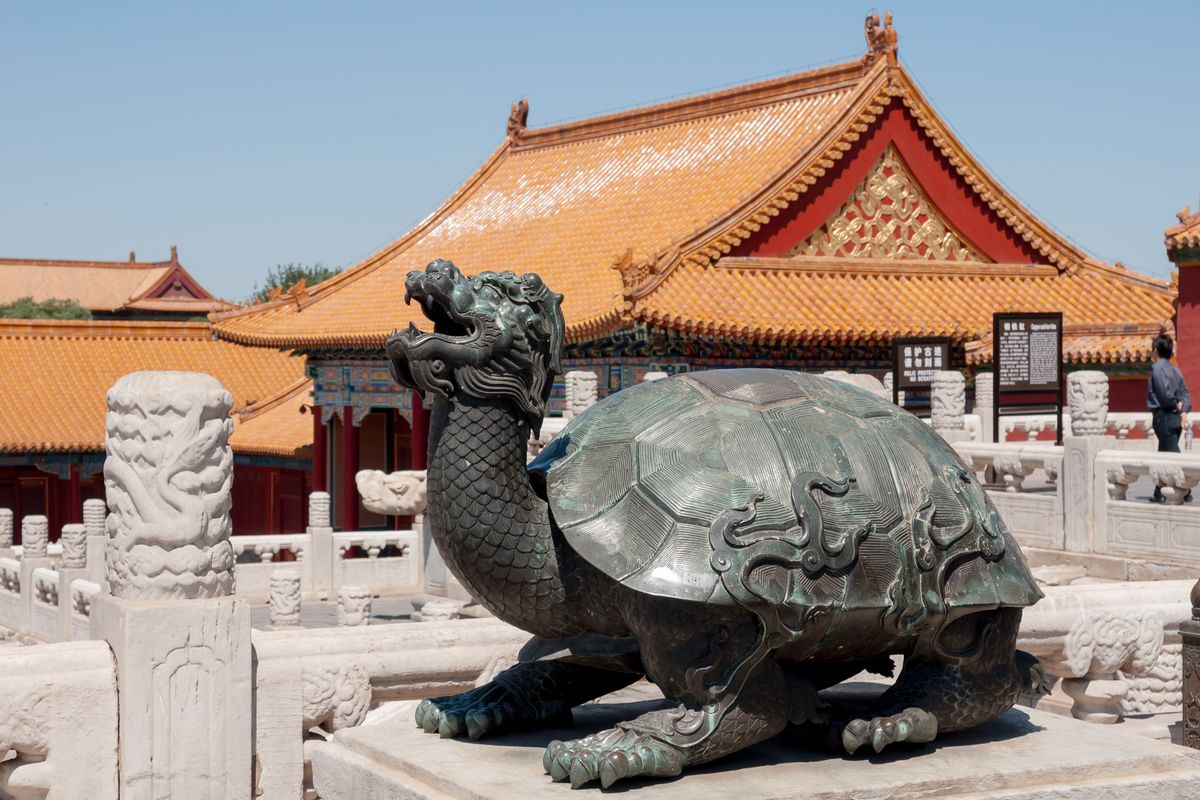
The Forbidden City — the world’s largest palace complex — is the heart of old Beijing and the city’s most-visited sight.
The Great Wall
- Mutianyu — the best first-timer choice: restored, cable car up and a toboggan down, noticeably fewer crowds than Badaling.
- Badaling — the most famous and most touristed; only worth it if you have no time to reach another section.
- Jinshanling / Simatai — the wild, unrenovated sections for hikers and photographers (best reached on a tour or with a driver).
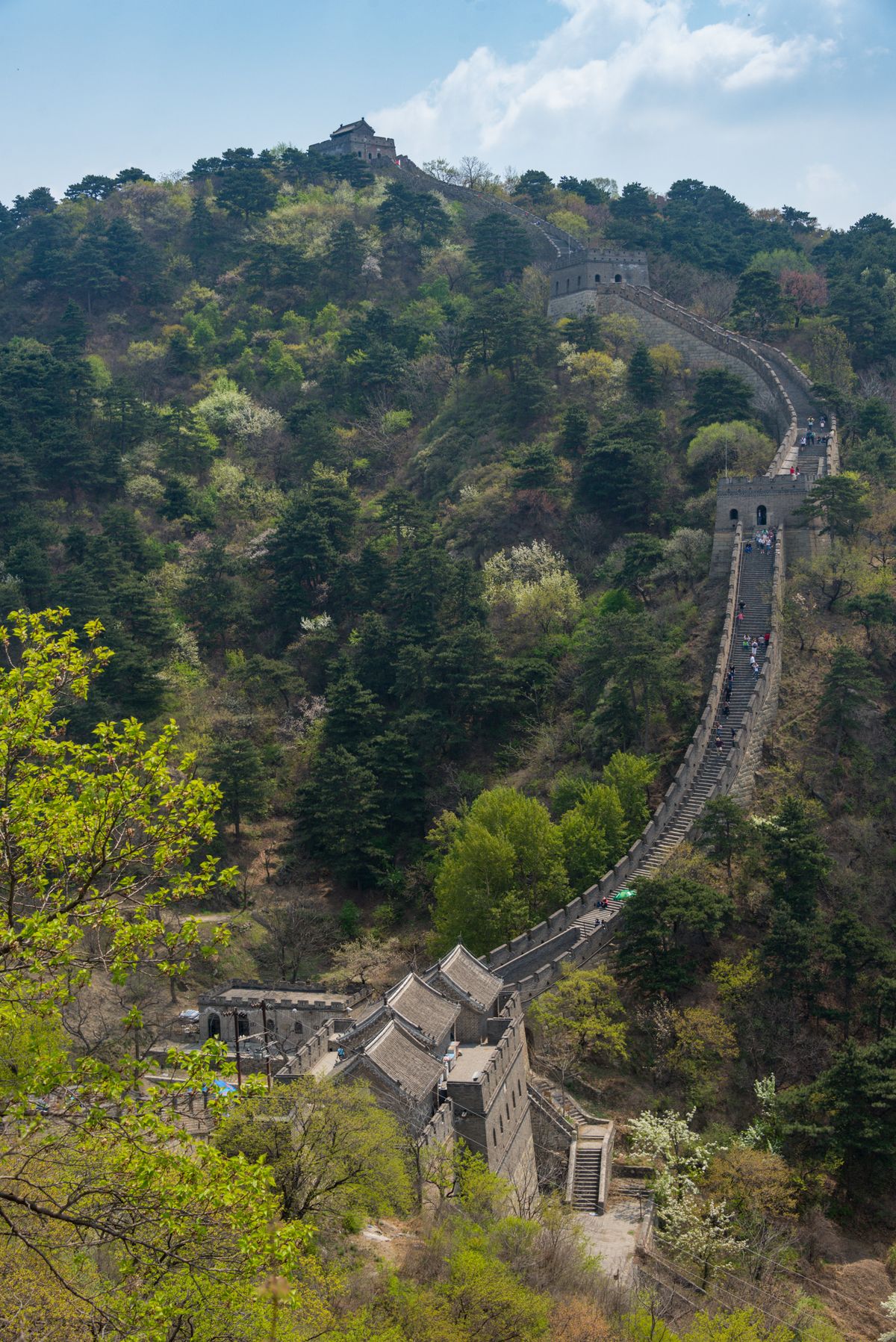
Mutianyu is the pick for most first-timers — restored, with cable car access and fewer crowds than Badaling.
Gardens & old quarters
- Summer Palace — an imperial garden with a huge lake, great for a half-day stroll.
- Hutongs — the old alley neighborhoods (Nanluoguxiang and the quieter lanes off it) for rickshaw rides and courtyard cafés.
Modern Beijing
- 798 Art District — a former factory complex turned galleries and studios; a half-day for contemporary art lovers.
- Olympic Park — the Bird’s Nest and Water Cube, dramatic at night.
Where to stay
- Wangfujing / Qianmen (imperial core): walkable to the Forbidden City and Tiananmen; the most touristic but also the most convenient. Best for short first visits.
- Sanlitun / CBD: international restaurants, nightlife and modern hotels. Best if you want a comfortable base with western amenities.
- Nanluoguxiang / Shichahai (hutong area): boutique guesthouses and courtyard stays with character. Charming, but expect smaller rooms and more walking to the subway.
- Near Beijing South station: practical if you arrive and leave by high-speed rail, so your first and last days are easy.
See our Beijing hotels guide for neighborhood-by-neighborhood picks.
Food & nightlife
- Peking duck is the must-try — book a well-known restaurant in advance, especially for dinner.
- Street level: jianbing (savoury breakfast crêpes), hutong noodle shops, and lamb skewers in the Muslim quarter near Niujie.
- Nightlife: Houhai’s lakeside bars for a relaxed evening, or the Sanlitun bar street if you want a livelier scene.
- Practical: most menus have photo boards; with Alipay linked, you can tap-to-pay anywhere.
Budget
Beijing is mid-range by Chinese standards — noticeably cheaper than Shanghai, slightly pricier than Chengdu. As a rough guide for planning (per person, in CNY):
- Accommodation: budget guesthouses from about ¥150–250/night, mid-range hotels ¥350–600, and international chains comfortably above that.
- Attractions: the Forbidden City, Temple of Heaven and Summer Palace each cost roughly ¥40–60; the Great Wall (Mutianyu) is around ¥40–60 entry plus transport and optional cable car.
- Food: street snacks and noodle shops from ¥15–30, a mid-range restaurant meal ¥60–150 per person, and Peking duck at a well-known restaurant ¥200+ for a full duck.
- Transport: the subway is cheap (a few yuan per ride); a Didi ride across the center is typically ¥20–50.
Carry a little cash as backup but plan to pay by Alipay almost everywhere.
Getting there
- Flights: two international airports — Beijing Capital (PEK) and the newer Beijing Daxing (PKX). Daxing is connected by high-speed rail into the city center.
- High-speed rail: Beijing South station connects to Shanghai (about 4.5h), Xi’an (about 4.5–5h), and dozens more cities. Book with your passport through Trip.com or 12306.
Getting around
- Subway: extensive, cheap, English signage. Tap with Alipay transit or a transport card.
- Taxis / ride-hailing: Didi (China’s Uber) works well; use it with Alipay or a linked card.
- Airport transfers: Daxing’s rail link is fastest; Capital is fine by taxi or metro.
Going deeper
If you have extra time or want more than the highlights, a few options reward the effort. The Forbidden City’s side wings — the treasure galleries and the gardens at the rear — are far quieter than the central axis and hold the real collections. The Temple of Heaven park, beyond the main hall, is where daily life happens: tai chi groups at dawn, people flying kites and playing traditional instruments.
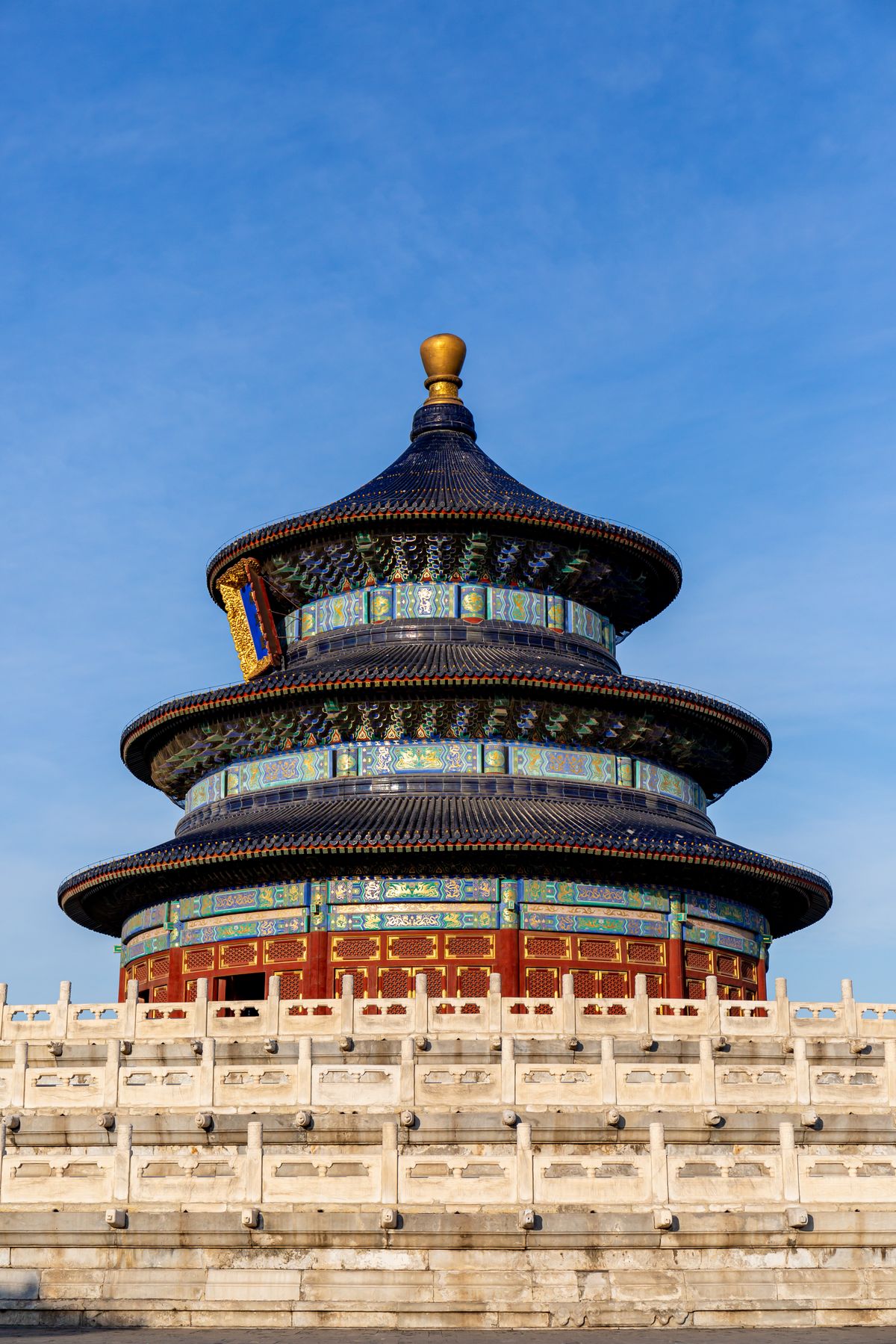
The Temple of Heaven’s circular hall is Beijing’s most elegant Ming-dynasty landmark — and its park fills with locals at dawn. And the Lama Temple and the Confucius Temple in the northeast are two of the most atmospheric temple complexes in the city, a world away from the crowds of the imperial sites.
Practical tips
- Book the Forbidden City online ahead of time — it sells out.
- Carry your passport for ticket purchases (many sights require real-name booking).
- Money: set up Alipay before you fly and keep a little cash as backup — see our payments guide.
- Connectivity: if you need Google, WhatsApp or Instagram, plan your VPN or eSIM strategy before landing.
Where to go next
Beijing is the natural start of the classic golden triangle — from here, high-speed rail takes you to Xi’an for the Terracotta Army, then on to Shanghai. That’s one of the most popular first-timer routes in China.
Beijing food beyond Peking duck
Peking duck is the headline, but Beijing’s food scene rewards a day of grazing. Start with jianbing — the savoury breakfast crêpe spread with egg, sauce and crisp wafer, folded to order at street carts. At lunch, join the queues at a noodle shop for hand-pulled noodles in a rich sauce, or a zhajiangmian (soybean-paste noodles), the city’s signature working-class dish. In the evening, the Muslim quarter around Niujie serves lamb skewers, lamb hotpot and flatbreads that are some of the best-value food in the city. Two more Beijing classics to track down: baodu (quick-boiled tripe, for the adventurous) and da zha xie — whole steamed crabs with ginger vinegar in autumn. Most restaurants have picture menus, so with a translation app you can order almost anything. For a proper sit-down, book a Peking duck restaurant in advance; the famous ones take reservations days ahead at dinner.
Common mistakes to avoid
A few Beijing mistakes come up again and again with first-time visitors. Not booking the Forbidden City in advance is the biggest — timed-entry tickets sell out, often days ahead in peak season. Underestimating the scale of the city is the second: the imperial sights are spread out, so a “quick look” between them rarely works without the subway. Showing up to a Great Wall section without a plan wastes a day — pick your section (Mutianyu for first-timers) and book a timed slot. Carrying only a phone with no offline map or eSIM leaves you stranded if the data drops. Forgetting the metro pass setup — set up Alipay’s transit function before you need it. And trying to fit Beijing, Xi’an and Shanghai into a week is the classic itinerary error; each city deserves its own time.
Last updated: August 2026. Attraction prices, hours and ticket rules change — confirm before you go.
Frequently Asked Questions
How many days should I spend in Beijing?
3–4 days covers the essentials comfortably: one day for the Forbidden City and Tiananmen area, one for the Great Wall, one for the Temple of Heaven and Hutongs, and a day for the Summer Palace or more Great Wall if you want to go deeper.
Which section of the Great Wall should I visit?
Mutianyu is the best balance of scenery, crowds and access for first-timers — it's restored, has a cable car and toboggan, and is less packed than Badaling. Badaling is the most famous but the busiest. Jinshanling is the wild, unrenovated option for hikers.
Do I need a visa to visit Beijing?
Citizens of 50 countries can enter China visa-free for up to 30 days. If you're from the UK, Canada or Australia you're covered; US citizens can use the 240-hour transit scheme for short trips. See our [visa guides](https://chinotrips.com/visa/visa-free-countries/) for details.
Is Beijing easy to get around with public transport?
Yes — the subway is extensive, cheap and has English signage. Use Alipay's transit function or buy a transport card. Note that a Chinese phone number or the right app setup is needed for most transit payments — set up [Alipay before you arrive](https://chinotrips.com/how-to/set-up-alipay/).
Can I use high-speed rail to reach Beijing from other cities?
Yes. Beijing South station serves high-speed lines from Shanghai (about 4.5 hours), Xi'an (about 4.5–5 hours), and many other cities. Book ahead with your passport — see our [train ticket guide](https://chinotrips.com/how-to/train-tickets/).
Where should I stay in Beijing?
Near the Forbidden City (Wangfujing, Qianmen) puts you in the imperial core, walkable to Tiananmen and the hutongs. Sanlitun and the CBD suit first-timers who want international restaurants and nightlife. For a quieter stay with character, the hutongs around Nanluoguxiang or Shichahai are charming but less convenient.
Is Beijing good for food?
Excellent — Peking duck is the headline (book a well-known restaurant in advance), but the city shines at street level: jianbing breakfast crêpes, hutong noodle shops, and the Muslim quarter near Niujie for lamb skewers. Most big menus have photo boards, so ordering is easy without Chinese.