
Payment Security in China: Safe Alipay & Card Use (2026)
How to keep your money safe in China — protecting Alipay and WeChat Pay accounts, avoiding QR scams and skimmers, and what to do if your phone is stolen.
China runs on phone payments, and with a few simple habits you can use Alipay, WeChat Pay and your cards all day without worry. This guide covers the real risks — and the quick fixes.
China is a remarkably safe place to manage money, but the payment culture is different from what most travelers know: almost everything is a QR scan on your phone, and the occasional scammer preys on the unfamiliar. The good news is that the protections are simple, and once you’ve set them up, paying in China is both convenient and secure. Here’s what to protect, how to protect it, and what to do if something goes wrong.
Why payment in China is actually safe
Before the warnings, the reassuring part: China’s mobile payment systems are built to a high security standard. Alipay and WeChat Pay use tokenization — the merchant never sees your actual card number, and each transaction is authorized with your biometric (face or fingerprint) or a PIN. Both apps give you instant freeze if your phone is lost, and both monitor for fraud and unusual activity. Cards, ATMs and bank branches follow the same basic security as anywhere else. The overwhelming majority of incidents are the result of behavioral mistakes, not system failures — which means they’re entirely avoidable.
Set the basics before you fly
The single most important security step happens before you land: lock your phone properly. A strong PIN or biometric lock is the barrier that stops a thief from spending a single yuan from your payment apps. On top of that:
- Set up Alipay with your foreign card before you travel, so you never fumble with setup on a strange network. Our Alipay setup guide walks through it.
- Enable transaction notifications so every payment pings your phone — you’ll notice a fraud attempt instantly.
- Set your payment limits in the app where available; lower daily caps for small spending.
- Test the freeze function — know exactly how to freeze Alipay and WeChat from another device before you need it.
Setting up WeChat Pay too gives you a backup if one app misbehaves, but Alipay is the primary for most tourists.
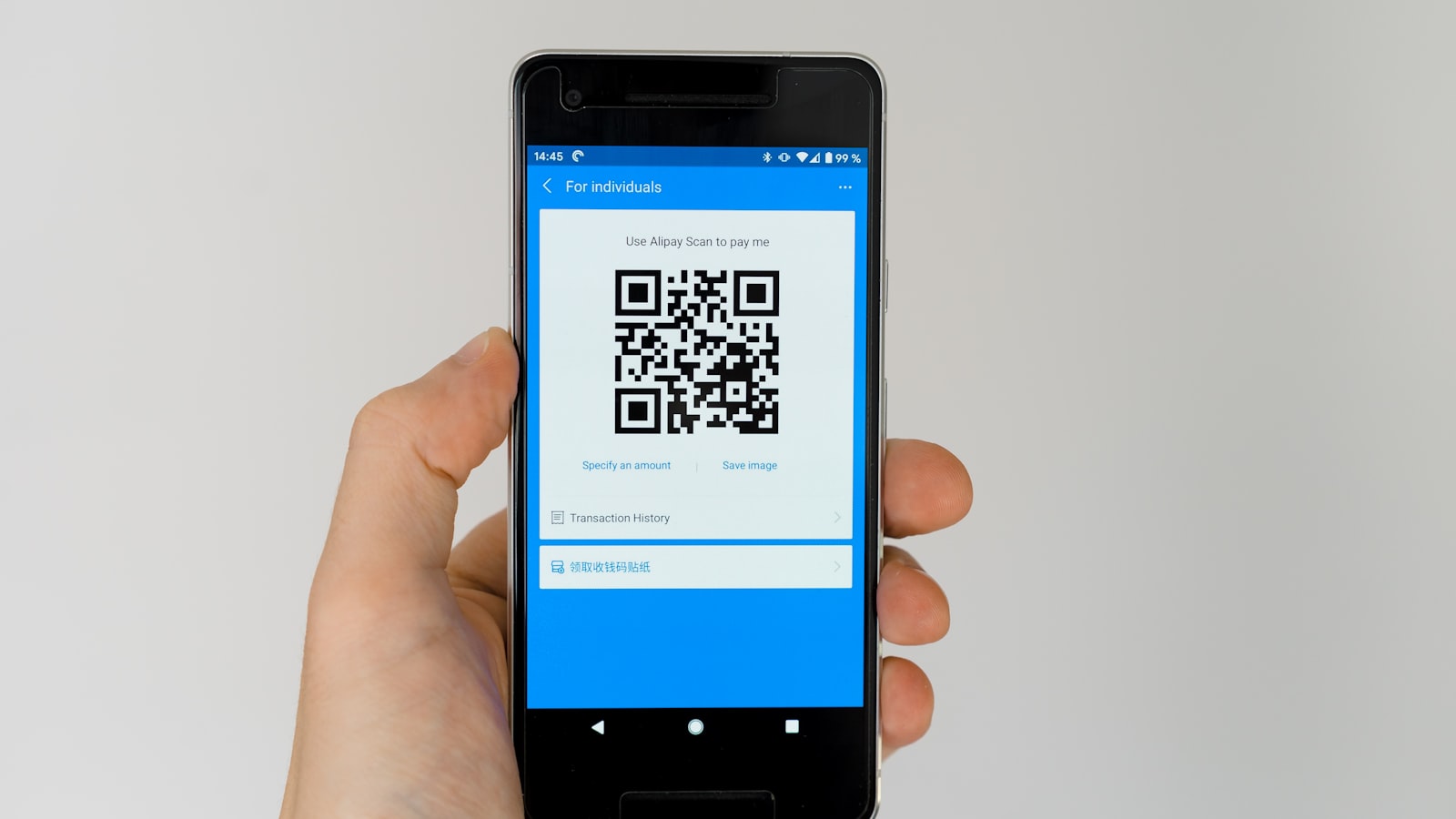
Your phone’s lock screen is your first line of defense — with a strong PIN or biometric lock, a lost phone is an inconvenience, not a disaster.
The QR payment habits that keep you safe
QR payments are China’s default, and the safe habits are simple:
- Scan the merchant’s code, don’t let a stranger’s code get scanned. Only scan the code on the counter, at the till, or handed to you by the actual merchant. QR codes are easy to fake, so a quick “is this yours?” moment saves a lot of trouble.
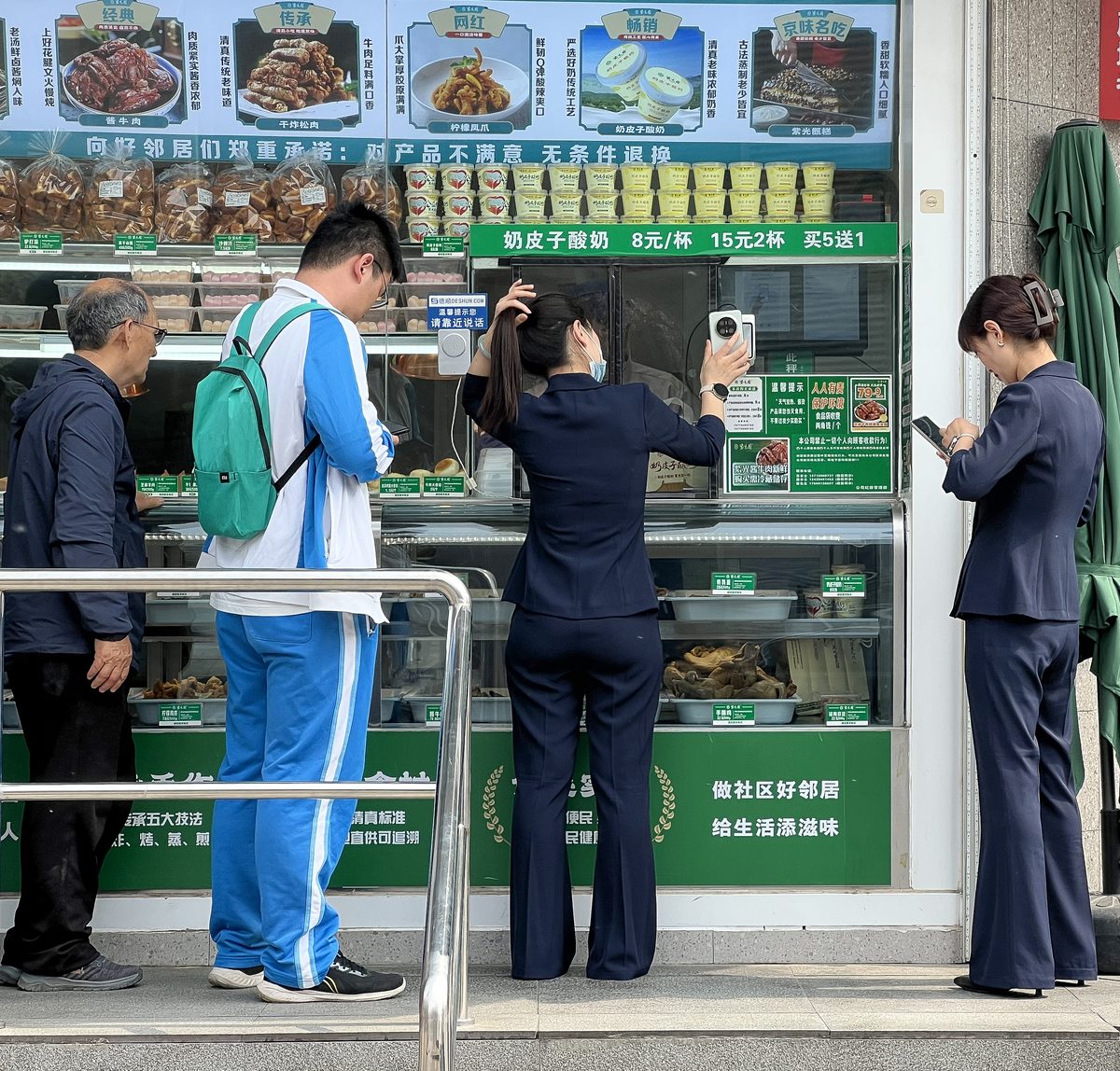
- Show your payment code only when you’re at the till. Your payment code is scanned by the merchant’s device to take money from you. If you walk around with it visible, someone can photograph it and drain your balance. Open the payment code as the scanner is ready, and cover the screen until then.
- Watch for swapped codes. A common scam is placing a personal QR code over a merchant’s — check that the code is attached to the counter, not stuck on top of something.
- Confirm the amount before you confirm the payment. The app shows the amount and the merchant name; a glance prevents a wrong payment and catches a “scenic” charge.
Cards, ATMs and skimming
Cards still matter in China — for hotels, big purchases and cash — and the safety rules are the standard ones:
- Use ATMs inside bank branches or busy locations. Quiet street machines are where skimmers are most likely to appear.
- Check the card slot for anything unusual — a loose or bulky attachment could be a skimming device.
- Cover the keypad when entering your PIN, every time.
- Take your card back and don’t leave it at the machine.
- Use contactless or mobile payment where you can — it’s harder to skim than a magnetic swipe.
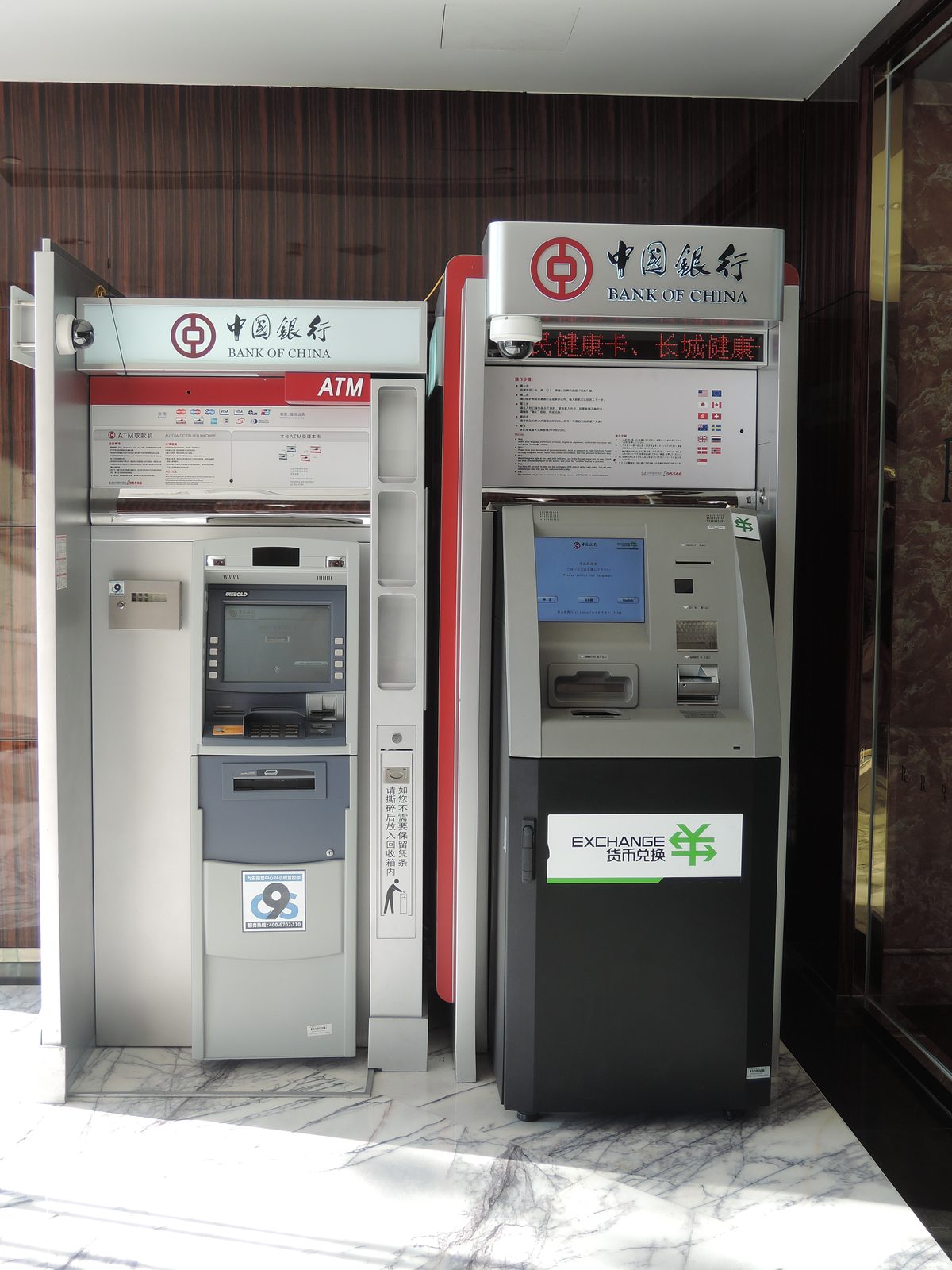
Use ATMs inside bank branches or busy locations, check the card slot for anything unusual, and cover the keypad when entering your PIN.
For getting cash in China, our ATM withdrawal guide covers the best banks, fees and practices.
The scams that target money
The scams you’re most likely to encounter in China are social-engineering plays, not technical hacks:
- “Your payment didn’t go through.” A vendor claims the scan failed and asks you to pay again. Check the app’s transaction history — the payment record will settle it in seconds.
- Fixed-price taxis. Drivers quoting a flat fee instead of using the meter, especially from airports and stations. The fix is the meter, or an official ride-hailing app.
- “My app is broken, can you transfer for me?” A stranger asks you to send money and they’ll pay you back in cash. Never send money to a stranger — it’s a straightforward scam.
- Fake refunds and “officials”. A call or message claiming a refund, a fine, or an account problem, asking for your payment code or a transfer. Legitimate authorities — banks, police, app support — never ask for your payment code or for a transfer over the phone.
- Over-friendly helpers. Someone insists on helping you at an ATM or payment terminal and guides you to reveal your PIN. Do your own transactions, politely but firmly.
Our scams to avoid guide goes through these in detail, and the paying in China guide covers the day-to-day payment setup.
If your phone is lost or stolen
Stay calm and move through these in order — every payment app and bank has a freeze path:
- Freeze Alipay — from another device, use the in-app freeze feature (or ask a trusted contact to help). This blocks payments immediately.
- Freeze WeChat Pay — the same instant freeze exists in WeChat.
- Lock your SIM — if you have a physical SIM, call the provider; if you use an eSIM, pause it from the provider’s app. This stops someone using the number for verification.
- Call your bank to freeze the linked cards.
- Lock or wipe the phone remotely via your account (Apple or Android).
- Report to the police — you’ll need the report for insurance claims.
The order matters: payment apps first, because that’s where the accessible money is, then the SIM, then the bank. Because your phone had a strong lock, the thief likely couldn’t open the apps anyway — the freeze is belt and braces.
A few extra habits that pay off
- Keep a backup card and some cash separate from your phone. If the phone dies or is stolen, you still have money. Our paying in China guide recommends exactly this three-part setup.
- Don’t screenshot your payment codes or save PINs in your phone notes — it defeats the whole purpose of the lock screen.
- Use your data, not open Wi-Fi, for banking and card details. A cheap eSIM makes this easy and is safer than hotel or café Wi-Fi.
- Check your statement as you go — the transaction notifications make this effortless, and a glance each evening catches anything odd early.
- Be discreet in crowds. A visible wallet, a phone handed casually around, an open payment code — these are the things opportunistic thieves look for, in China as anywhere.
The bottom line
Payment security in China comes down to a short list of habits: lock your phone, cover your payment code, scan only the merchant’s code, use bank ATMs, never send money to strangers, and know your freeze functions. Set these up before you fly and follow them on the ground, and you’ll find China’s payment system as safe as it is convenient — probably the easiest part of your trip. The setup guide gets you started, and the scams guide keeps you sharp.
Last updated: August 2026. Security features, limits and app functions change — confirm the current steps in your payment apps and with your bank before you go.
Frequently Asked Questions
Is mobile payment safe in China?
Yes — Alipay and WeChat Pay are extremely safe when set up properly. Payments are tokenized, transactions require your biometric or PIN, and you can freeze an account instantly from another device. The real risks are behavioral, not technical: showing your payment code in a crowd where someone can photograph it, scanning a malicious QR code, or falling for a social-engineering scam. The protections are simple and this guide walks through them.
How do QR payment scams work in China?
Mostly by substitution or confusion. A scammer might place their own QR code over a merchant's, or walk up to you claiming to be the seller so you scan their code instead. Or someone watches you type your payment PIN and later grabs your phone. The defenses: scan the code at the counter in front of the merchant, cover your screen when entering a PIN, and never scan a random code from a stranger — if a merchant asks you to scan an odd code, question it.
What should I do if my phone is stolen in China?
Act fast, in this order: (1) freeze or close your Alipay and WeChat Pay accounts from another device using the in-app freeze function; (2) lock your SIM — an eSIM can be paused from the provider's app; (3) call your bank to freeze linked cards; (4) if possible, remotely wipe or lock the phone. Your phone lock is the first defense, so set it before you travel, and keep the freeze options tested.
Are ATMs in China safe to use?
Generally yes. Use an ATM inside a bank branch or a busy location rather than a quiet street machine, check the card slot for anything unusual before inserting, cover the keypad when entering your PIN, and take your card back before leaving. Most big-bank ATMs accept foreign cards and some charge a fee; withdraw larger amounts to minimize per-withdrawal costs. See our [ATM guide](https://chinotrips.com/how-to/atm-withdrawal-china/) for the details.
How do I avoid common China travel scams involving money?
The most common are: taxi drivers quoting a fixed price instead of using the meter, someone claiming your payment 'didn't go through' and asking you to pay twice, strangers asking you to transfer money to them ('my app is broken'), and fake officials or 'refund' calls. The universal defenses: use official apps and official taxi ranks, confirm payment receipts in the app, never send money to a stranger, and remember that legitimate authorities never ask for your payment code or a transfer over the phone. Our [scams to avoid](https://chinotrips.com/how-to/scams-to-avoid/) guide covers these in depth.
Is it safe to use hotel Wi-Fi for payments?
Mostly, but treat public networks with care. Hotel Wi-Fi in China is generally fine for payments because the payment apps themselves are end-to-end encrypted, but avoid logging into banking apps or entering card details on public or shared networks. For sensitive transactions, use your phone's mobile data (a local eSIM is cheap and safer) rather than an open Wi-Fi network.