Photography Rules & Permits in China (2026)
Where you can and can't take photos in China — military zones, museums, airports, drones and Tibet, plus when you need a permit to shoot.
You can photograph almost everything in China as a tourist — but a few clear boundaries keep you out of trouble. Here’s what’s off-limits, when you need a permit, and how to shoot smart.
China is a dream for photographers, and the everyday reality is wonderfully simple: streets, landmarks, landscapes, food and people are all fair game, and no permit is needed for normal tourist photography. The exceptions are specific and clearly signed — military areas, some government buildings, airport security checkpoints, and a few restricted zones — and understanding them in advance means you’ll never have an awkward moment with a guard or a museum attendant.
The everyday reality: you can shoot almost everything
Let’s start with what’s fine, because it’s almost all of China:
- Streets, markets and neighborhoods — yes, freely.
- Landmarks and scenery — the Great Wall, the karst peaks, the skyline — yes.
- Food — everywhere, and it’s half the fun.
- People — generally yes, but ask before a close-up.
- Temples and monasteries — exterior photos almost always allowed; indoor photos vary (see below).
- Your own travel photos for personal use — never needs a permit.
Our complete China photography guide covers the iconic shots and the best light; this guide is about the rules and the rare restrictions.
The clear no-go zones
Photography is banned outright in a short list of places, all of them clearly signed (禁止拍照, jìnzhǐ pāizhào):
- Military installations and bases — no photos, full stop.
- Some government and party buildings — a minority, but signed when it applies.
- Border, customs and immigration areas — including the security checkpoints at airports and train stations.
- Some research facilities, power infrastructure and restricted industrial sites.
- Inside certain museums and temples, where specific exhibits or galleries are no-photo (see below).
You’re unlikely to wander into any of these as a tourist, but they exist, and the rule is universal: if there’s a no-photo sign, or a staff member asks you to stop, put the camera away. It’s never worth arguing over a photo.
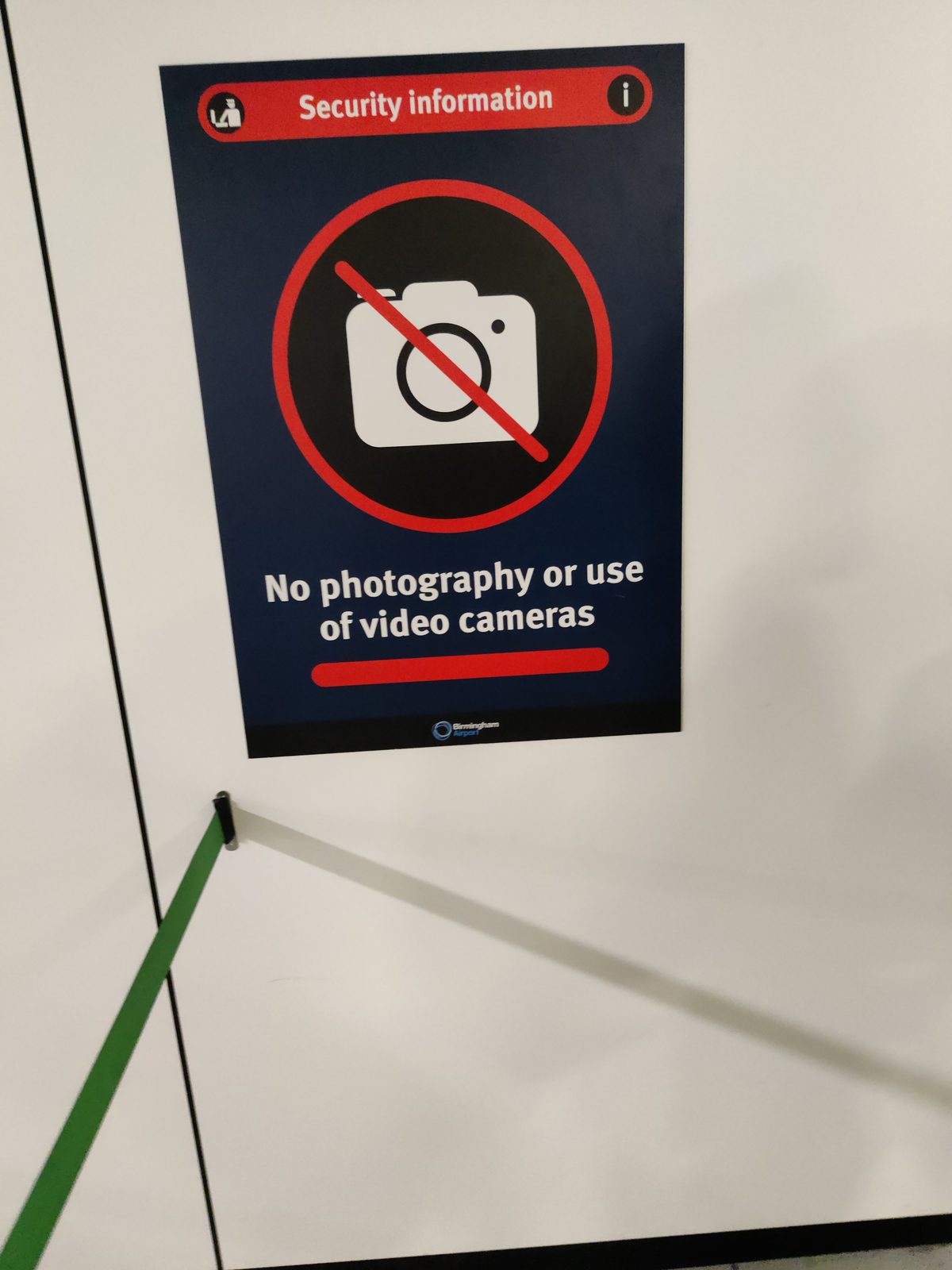
The universal rule in China: if a sign says 禁止拍照 (no photos), put the camera away — it’s never worth arguing over a picture.
Museums, temples and interiors
Indoor photography rules vary by venue and by exhibit, and they’re always signed:
- No flash is the most common restriction — flash damages artifacts and disturbs others. Turn it off by default in museums and temples.
- Some exhibits are no-photo entirely — historically the terracotta army’s pit area has restricted photography at points, and certain ancient artifacts in national museums are protected. Check for signs at each gallery entrance.
- Temples: interiors vary widely — some allow photos, some don’t, some allow no-flash only. The entrance always makes it clear.
- Live performances are usually no-photo or no-flash, partly to protect the performers.
The pattern to internalize: exteriors almost always fine, interiors check the sign, flash off everywhere indoors.
Drones: the rules that matter
Drones are the most regulated type of photography in China, and the rules have been tightening. The essentials for a tourist:
- Real-name registration is required — you can register with your passport before or after arriving.
- Restricted zones include airports (broad no-fly buffers), military sites, and many city centers and areas around government buildings. No-fly enforcement is real, and flying in a restricted zone can mean confiscation or a fine.
- Permission is needed for some controlled areas; in practice, most travelers fly only in rural and scenic areas that are clearly outside restricted zones.
- Tibet has stricter rules for drones — many areas disallow them entirely, and your guide will know where.
The safe approach: register your drone before you leave, use a no-fly-zone map app, and fly only where it’s clearly permitted. When in doubt, leave it grounded — the penalty isn’t worth the shot.
Tibet, border regions and sensitive areas
Tibet deserves its own mention because the photography question sits inside a bigger one: you can only be there with a Tibet Travel Permit arranged through a licensed agency, and your route follows an approved itinerary. Within that:
- Most photography is fine — the Potala Palace, monasteries, lakes and mountains are all shootable.
- Some monasteries restrict interior photos, and a few require you to remove your camera bag at the door.
- Certain border areas (near the Nepal border, for instance) and military zones are no-photo — your guide will tell you.
- Drones are largely disallowed in much of Tibet.
If you’re heading to Lhasa, our Tibet guide covers the destination itself. The rule in Tibet is the same as everywhere, just applied more strictly: follow the signs and the guide, and you’ll have a problem-free trip.
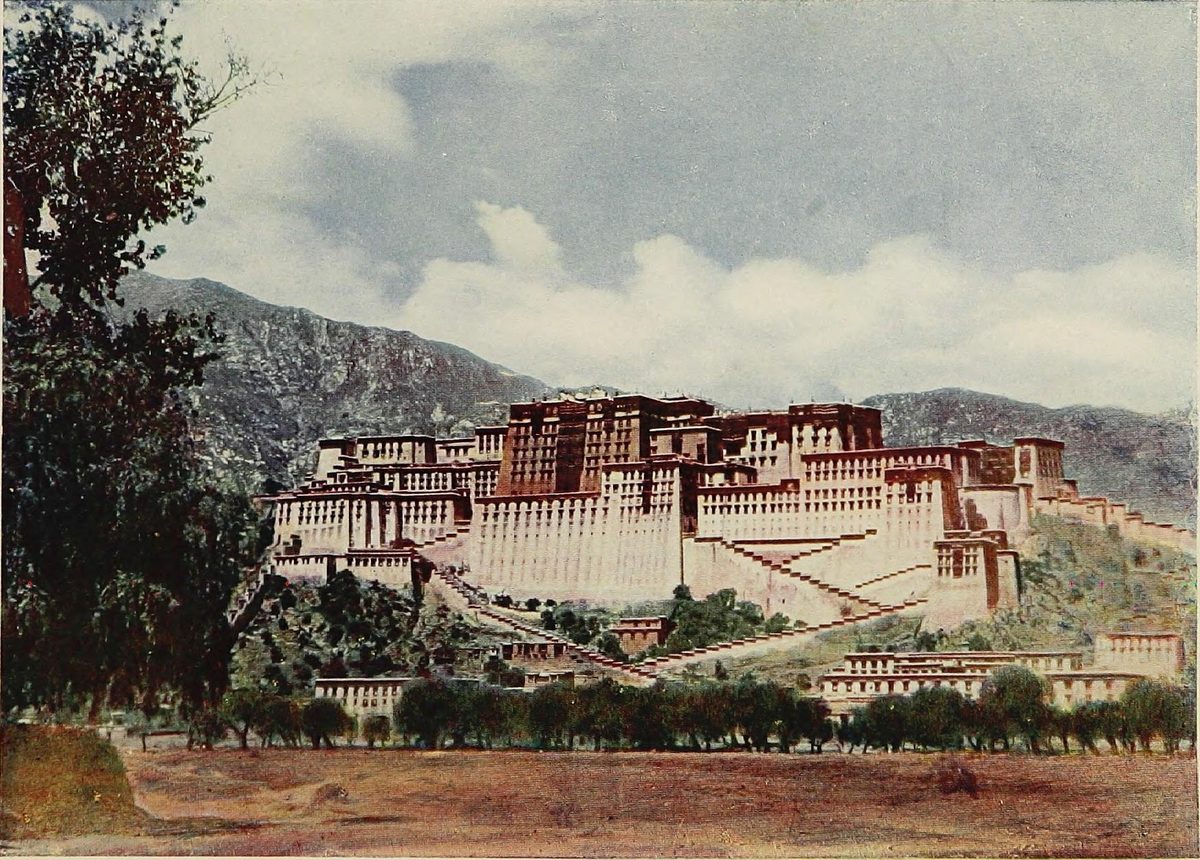
In Tibet most photography is fine — the Potala Palace, monasteries and lakes are all shootable — but some monasteries restrict interior photos and border areas are no-go for cameras.
People and portraiture
Photographing people in China is common and generally fine, but a little courtesy goes a long way:
- Street candids are tolerated and typical.
- Close-up portraits deserve a question first — many people agree happily, some wave you off.
- Military or police personnel: never photograph them, even in passing; it’s a genuine no-no.
- Performers and street vendors often welcome photos, and some expect a small tip or a purchase for a posed shot — a couple of yuan or buying something usually settles it.
- In ethnic minority regions (Yunnan, Xinjiang, parts of Tibet), some communities are sensitive about photography, especially of people in traditional dress; asking first is both respectful and practical.
Commercial shoots, tripods and big gear
For personal travel photography you’ll never need permission. Commercial and professional work is a different matter:
- Filming or shooting for a client requires permission from the venue — most major attractions and museums sell a photography or filming permit, and large productions need more.
- Tripods and large equipment at some attractions require a permit, mainly because they obstruct other visitors.
- A small travel tripod for personal photos is usually fine, but check at the gate — some museums ban tripods outright.
If your photos are going to be sold or used commercially, treat permission as mandatory and contact the venue in advance. If they’re for your album, you’re clear.
Practical habits for trouble-free shooting
- Look for the sign — 禁止拍照 (no photos) is the one phrase to learn; it’s everywhere it applies.
- Flash off by default indoors.
- Ask before portraits, and smile — it makes the photo better anyway.
- Never argue with staff — a polite apology and lowering the camera ends 99% of situations.
- Keep your camera visible and casual in sensitive spots rather than trying to hide it; discretion reads as good faith.
- Back up photos nightly — a phone or laptop backup means a full memory card never ends the trip.
The bottom line
China’s photography rules are easy to summarize: shoot freely in public, respect no-photo signs, flash off in museums, ask for portraits, register a drone, and remember Tibet needs its permit. Follow that and you’ll capture one of the world’s great travel destinations without a single awkward moment. For the places and the light, our photography guide has you covered; for the iconic shots specifically, see the Great Wall, the karst peaks, and the lakes that make China a photographer’s paradise.
Last updated: August 2026. Photography and drone rules in China are enforced locally and change — confirm current restrictions with your guide or the venue before relying on this.
Frequently Asked Questions
Do I need a permit to take photos in China as a tourist?
Almost never for normal tourist photography. You can photograph streets, landmarks, landscapes, food and people throughout China without a permit, and most attractions welcome cameras. Permits come into the picture only in specific situations: flying a drone, shooting commercially or with tripods at some attractions, and visiting a handful of restricted or military areas where photography is banned outright rather than permitted-with-permit.
Where is photography banned in China?
The main no-photo zones are military installations, some government and party buildings, border and customs areas, airports' security checkpoints, and some research or restricted facilities. Inside museums and temples, flash photography is often banned and certain exhibits are no-photo entirely. In practice, all of these are clearly signed — the Chinese for 'no photos' is 禁止拍照 (jìnzhǐ pāizhào) — and staff will remind you. For 99% of a tourist itinerary, you'll never hit a restriction.
Can I fly a drone in China?
Yes, but with real rules. Drones need to be **real-name registered** (your passport works for tourists), and flying is restricted near airports, military sites, and in many city centers and around government buildings. You need permission for some controlled areas, and enforcement has tightened. The practical advice: register before you travel, research no-fly zones in each city, and treat drone flying as the exception, not the default — especially in Tibet, where rules are stricter.
Do I need a permit to photograph in Tibet?
Entering Tibet itself already requires a [Tibet Travel Permit](https://chinotrips.com/visa/tibet-travel-permit/) arranged through a licensed agency, and your movement follows an approved itinerary. Within that, most photography is fine, but some monasteries restrict indoor photos and certain border or military areas are off-limits to cameras. Your guide will tell you where not to shoot. The practical advice is the same as everywhere: no photos where signs or guides say no.
Can I take photos of people in China?
Yes, street photography is common and tolerated, but it's polite to ask before a close-up portrait — many people will happily agree, some will wave you off. As anywhere, avoid photographing military personnel, police, or people in sensitive settings. In tourist areas, performers and vendors often welcome photos and some expect a small payment for a portrait; if money is mentioned, it's usually a couple of yuan or a purchase.
Do I need permission for commercial photography?
Yes — filming or shooting commercially (for a brand, a client, or a large production) generally requires permission from the attraction or venue and, for larger shoots, sometimes local authorities. Most museums and major sites require a paid permit for tripods and commercial equipment. A tourist photographing for personal use never needs this. If your photos will be sold or used commercially, plan ahead and contact the venue.