
Photographing the Great Wall: The Best Shots & Timing (2026)
How to photograph the Great Wall — the best sections for photos, the light and seasons that make the iconic shots, composition tips, and practical guidance.
The Great Wall is one of the world’s most photographed landmarks — and the iconic shots come from a few consistent ingredients: the wild sections, the morning light, and being there before the crowds. Here’s how to capture it.
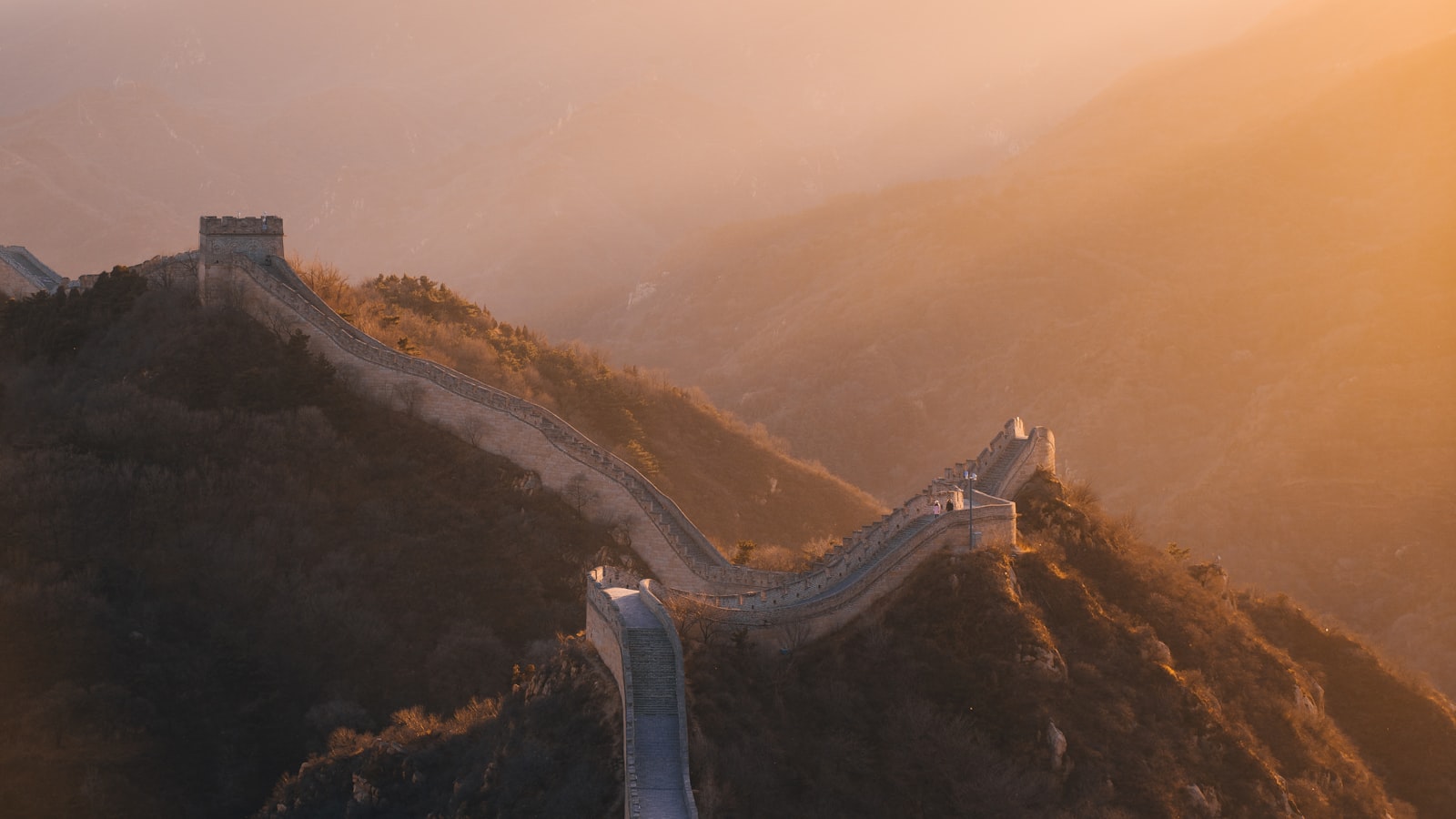
Every visitor photographs the Great Wall; only some get the iconic shot. The difference isn’t the camera — it’s the section, the timing and the light. The wall snaking golden over the ridges, empty of crowds, is taken at Jinshanling or Simatai, at sunrise, in clear autumn air. This guide explains how to photograph the wall the way the famous images do.
The best sections for photography
- Jinshanling — the wild, uncrowded wall with the most dramatic curves over the ridges. The definitive photography choice.
- Simatai West — connected to Jinshanling; the natural continuation of the classic photo walk. Simatai East is separately famous for night photos.
- Mutianyu — easier access and a good walk, but busier; still photogenic in the early morning.
- Badaling — the most convenient and the most crowded; the least likely to deliver an empty-wall shot.
The formula is simple: the wilder the section, the better the photo. Jinshanling and Simatai deliver what the postcards show.
The light and the timing
- Early morning (6–9am) — golden light on the stone, the clearest air, and the emptiest wall. The definitive window.
- Late afternoon — warm side-light that models the watchtowers and the ridge line.
- Midday — harsh and flat; the wall photographs poorly against the bright sky.
- Misty morning — atmospheric and moody, with the wall appearing through the cloud — the alternative iconic look.
The single best decision you can make is to start early. The morning shuttles run early for exactly this reason, and the light rewards it.
The seasons
- Autumn (September–November) — golden forests around the grey stone; the classic color shot. The wall turns the color of the mountains.
- Winter — snow on the wall and the watchtowers, and near-empty sections. Stark and dramatic.
- Spring — fresh green, and often clearer air than summer.
- Summer — hazy and crowded, but the early morning still delivers.
Autumn is the safest for the iconic images; winter is the one for the dramatic, empty ones. See our autumn colors guide for the color timing.
Composition: the iconic look
The famous Great Wall photographs share a formula:
- Get above the wall line — a higher viewpoint with the wall curving away below you.
- Let the wall lead the eye — compose with the wall snaking into the distance, the watchtowers punctuating the line.
- Compress with a telephoto — a 200 mm lens stacks the ridges and towers into the classic layered image.
- Include the sky — the drama comes from the scale; a slice of sky adds depth.
- Wait for the light — the same spot changes completely between 8am and 10am.
The magic is in the composition and the timing, not the equipment. A phone at the right moment beats a camera at the wrong one.
The classic spots, in order
If you have one morning at Jinshanling, the sequence that produces the iconic shots:
- Arrive at first light — the wall in the soft morning haze, the watchtowers catching the first sun.
- Climb to a high tower — get above the wall line for the shot of it snaking away below you.
- Walk the ridge into the sun — the classic direction, with the light raking across the stone.
- Find the curve — the places where the wall turns are where the composition comes alive; wait for a gap in the walkers.
- Shoot into the distance — the wall disappearing over the mountains, the towers punctuating the line.
At Simatai, add the evening and night option — the section is famous for its illuminated towers after dark, a genuinely different image from the daylight shots.
Common mistakes to avoid
- Going at midday — the harsh light flattens the stone and washes out the ridges; mornings and evenings are the windows.
- Stopping at the first view — the best shots come deeper in, where the wall curves over the ridges; keep walking.
- Shooting only wide — the compressed telephoto shots are what make the postcard look; mix wide and zoomed.
- Skipping the overnight — the empty-wall sunrise at Jinshanling or Simatai is the single best photographic decision available.
- Forgetting the weather — a clear day is worth waiting for; haze is the enemy of the classic shot.
What a photography trip costs
Rough guidance (per person, CNY, prices change): entry tickets at the hiking sections ¥60–140; day tours from Beijing ¥300–600 including transport; private drivers ¥800–1,200 for a full day (the flexible option for chasing the light); guesthouses at Jinshanling/Simatai ¥100–300 a night; transport to the remote sections via the tours or drivers. The photography itself is free — the budget goes to the transport and the overnight, which are exactly what make the shots possible.
Planning for the weather
The wall’s photography lives and dies on the atmosphere. A clear-weather day is worth waiting for — haze flattens the distant ridges and washes the color out of the stone, while a crisp morning gives the sharp layered views that make the classic images. The practical habit: check the forecast, and if the day is hazy, shift the wall to another morning or accept the softer, moodier look instead. The light at the hiking sections is most reliable in spring and autumn, and the early start is non-negotiable either way.
The autumn window
The wall’s most photographed season has its own rhythm. Mid-October to early November is when the surrounding forests turn gold and red, and the wall photographs against a backdrop of color. The peak shifts with the weather — a warm October delays it, an early frost speeds it. For photographers, the combination of the autumn colors and the morning light is the reward for a flexible date. See our autumn colors guide for the timing details.
Photography with the crowds
The wall’s busier sections (Mutianyu, and Badaling above all) still yield good images if you work around the people. The reliable techniques: go at opening, when the first shuttles deliver the emptiest window; use a long exposure to blur the passing crowds into streaks while the wall stays sharp (a small tripod or a steady rail); and shoot the details — a watchtower corner, a section of stone, the light on a crenellation — where the crowds don’t matter. The empty iconic shot needs the wild sections, but the busy ones still photograph well with a little technique.
Practical planning
- Stay overnight — guesthouses at Jinshanling and Simatai put you at the wall for sunrise, the empty-wall window. See our hiking guide for the sections and logistics.
- Book transport — a day tour or private driver handles the 2–3 hour drive; the remote sections need planning.
- Bring batteries — cold weather drains them fast; carry spares.
- Check the weather — a clear day is worth waiting for; haze ruins the classic shot.
- Get connected — Alipay and an eSIM for tickets and transport.
The bottom line
The iconic Great Wall photograph — golden stone snaking over empty ridges — comes from a few consistent choices: the wild sections of Jinshanling and Simatai, the early morning light, and preferably an overnight stay for sunrise. Add a zoom or telephoto to compress the ridges, and autumn or winter for the colors. The wall rewards photographers who treat it as a subject worth the effort — not a stop on a tour, but the destination of the day.
Last updated: August 2026. Section access and transport change — confirm current details before you go.
Frequently Asked Questions
What's the best section of the Great Wall for photography?
**Jinshanling and Simatai** — wild, less restored and far less crowded, with the wall curving dramatically over the ridges. The classic Jinshanling–Simatai walk gives the most photogenic stretch in the Beijing area. Mutianyu is easier but more crowded; Badaling is the most convenient and the least photographic. See our [Great Wall guide](https://chinotrips.com/destinations/great-wall-guide/) for the section comparison.
When is the best time to photograph the Great Wall?
**Early morning** is the definitive answer — the wall catches golden light, the air is clearest, and the crowds haven't arrived. **Late afternoon** works too, with warm side-light. **Avoid midday** — harsh light flattens the stone. **Autumn** (golden forests) and **winter** (snow, emptiness) are the standout seasons. A clear-weather day is worth waiting for; haze is the enemy of the classic shot, and the clarity makes the distant ridges sharp.
How do I get the iconic shot of the wall snaking over the ridges?
Walk the Jinshanling–Simatai stretch and look for a **high viewpoint where the wall curves ahead of you** — that's the classic composition. A **telephoto or zoom** compresses the ridges and stacks the watchtowers, which is the look of the famous photos. Use the morning light, get above the wall line if you can, and wait for the right moment on the curve.
What gear should I bring to photograph the Great Wall?
A **zoom lens** (24–120 mm or similar) covers the wide panoramas and the compressed ridge shots. A **telephoto** (200 mm+) gives the stacked-watchtower look that defines the iconic images. A phone is fine for casual shots, but the wall rewards a zoom. Bring **extra batteries** (the cold drains them) and a small tripod if you want sharp golden-hour captures.
Can I stay overnight at the wall for better photos?
Yes, and it's the secret to the best shots. **Jinshanling and Simatai have guesthouses within sight of the wall** — sunrise from the restored watchtowers, with the wall empty, is one of the great photography moments in China. Staying overnight also solves the 2–3 hour drive from Beijing in two shorter legs. Book ahead in the color season.
Is the Great Wall crowded for photos?
**Badaling and Mutianyu are busy** by mid-morning, with tour groups filling the restored sections. **Jinshanling and Simatai are far quieter**, especially early and in the shoulder seasons. The formula for empty-wall photos is consistent: pick the hiking sections, go early, and (if possible) stay overnight. The photos you see in magazines are almost all taken this way.
More in beijing
Beijing Travel Guide (2026): What to See & How Many Days — beijing travel guide