Lhasa & Tibet Guide (2026): Permits, Altitude & Key Sights
A conservative guide to visiting Lhasa, Tibet — entry permit rules, altitude acclimatization, the Potala Palace and Jokhang Temple, and how to plan it.
OpenStreetMap Google Maps (opens externally)
Lhasa, at roughly 3,650 meters above sea level, is the political and spiritual heart of the Tibet Autonomous Region — a city defined by the Potala Palace, the Jokhang Temple and the pilgrim crowds circling the Barkhor.
Visiting Tibet from abroad is different from visiting the rest of China: it requires more paperwork, more planning and a more careful approach to altitude. This guide keeps it conservative and practical, focusing on what you need to know before you go.
Overview
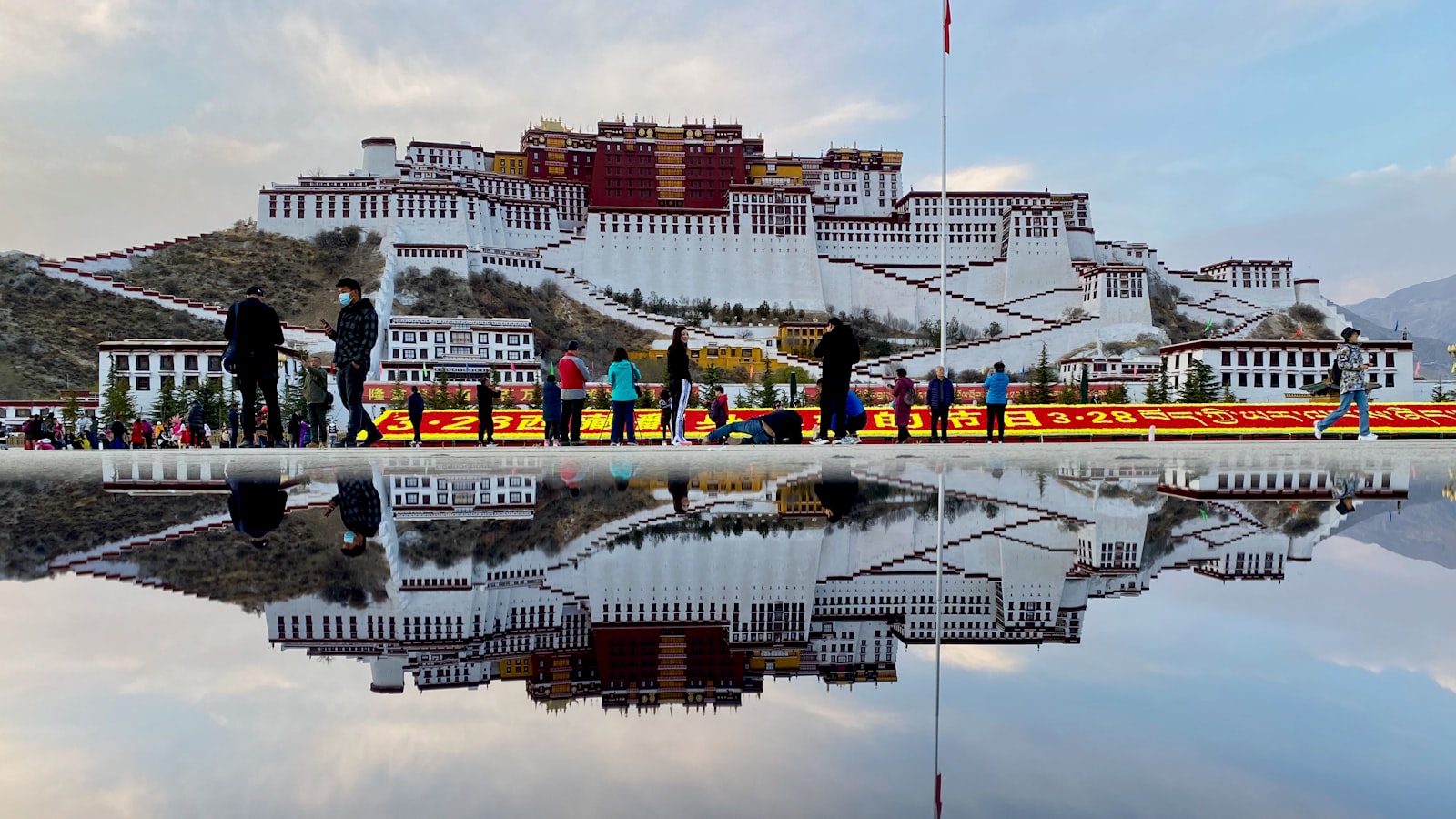
Lhasa sits in a high valley on the Lhasa River, ringed by bare mountains. The city has two faces: the ancient pilgrim quarter around the Jokhang Temple, where incense and butter lamps fill narrow lanes, and the wider, more modern city that has grown up around it. The Potala Palace, the former winter residence of the Dalai Lamas, rises from a hill above the city and is the single most recognizable sight in Tibet.
The Potala Palace, the former winter residence of the Dalai Lamas, is Lhasa’s defining landmark.
For international visitors, Tibet is managed differently from other parts of China. You cannot simply buy a train or flight ticket and show up. The official route for foreign tourists runs through licensed travel agencies, which arrange the permits, guides and, in most cases, the accommodation that foreign visitors need.
How many days
Three to five days in Lhasa is a comfortable first visit. A realistic shape:
- Day 1: arrive, rest and acclimatize — no big climbs.
- Day 2: Potala Palace (timed entry) and the surrounding area.
- Day 3: Jokhang Temple and the Barkhor circuit in the morning, one monastery (Sera or Drepung) in the afternoon.
- Day 4–5 (optional): the second monastery, Norbulingka, or a day trip into the surrounding valleys.
Entry requirements — read this first
- Tibet Travel Permit (入藏函): foreign visitors to Tibet generally need this permit, arranged through a licensed travel agency before arrival. It is checked at boarding points and at entry to the region.
- Valid Chinese visa or visa-free entry: the Tibet permit is in addition to your normal entry status for China, not instead of it.
- Organized travel: most foreign visitors travel with a guide and a fixed itinerary. You normally cannot change hotels or routes on the spot.
- Restricted areas: some parts of Tibet require additional permits. If you plan to go beyond Lhasa and the main tourist circuit, tell your agency your full route.
- Rules change: permit policy and access rules are adjusted from time to time. Confirm the current requirements with your agency and official Chinese tourism sources before you book anything.
Suggested itinerary
A 3-day plan in Lhasa:
- Day 1 — Acclimatise: go slow — the Jokhang Temple and the pilgrim circuit of Barkhor Street in the afternoon.
- Day 2 — Potala Palace: the Potala Palace in the morning (book ahead), then Sera Monastery’s debating monks in the afternoon.
- Day 3 — More monasteries: the Norbulingka summer palace or a day trip to Yamdrok Lake, easing off before heading to higher ground.
Have more time? Add days for a longer Tibet loop. Read the entry requirements carefully before you book — permits and tours apply.
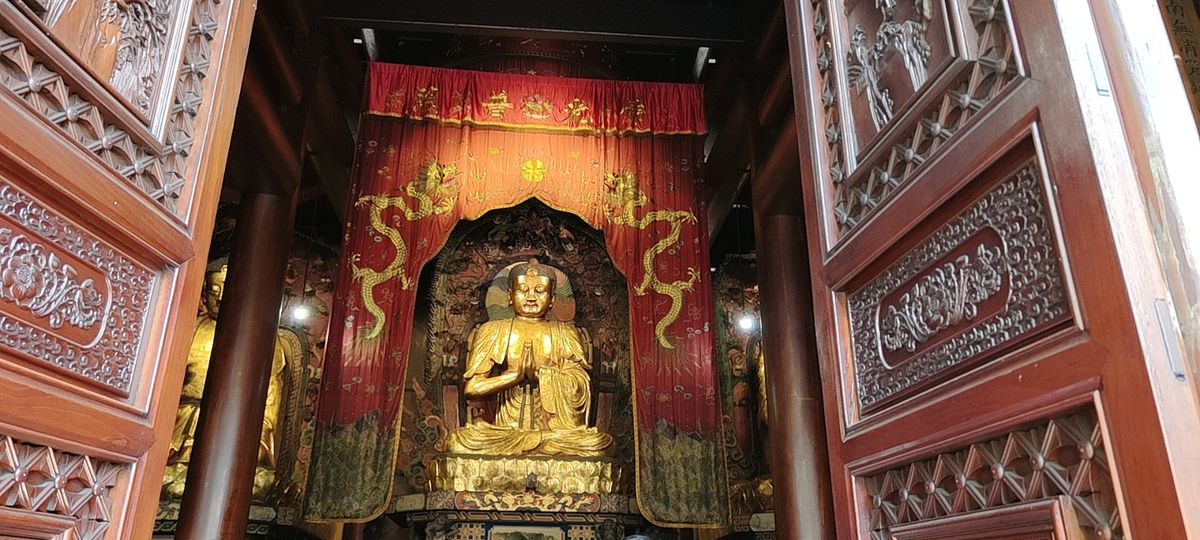
The Jokhang Temple is the holiest temple in Tibet, its golden roof rising above the pilgrim lanes of the old quarter.
Best time to visit
- May–June and September–October: the sweet spots — clearest skies, mild days and fewer crowds than midsummer.
- July–August: warm but rainier, with more cloud and the summer festival atmosphere; this is also when domestic tourists visit in numbers.
- November–April: cold, dry and quiet, with heavy snow possible at higher passes; some routes close for winter.
Top sights
- Potala Palace — the iconic white-and-red palace on the hill. Timed tickets are required and sell out, especially on holidays.
- Jokhang Temple — the holiest temple in Tibet, its golden roof and crowds of pilgrims circling the inner and outer kora paths.
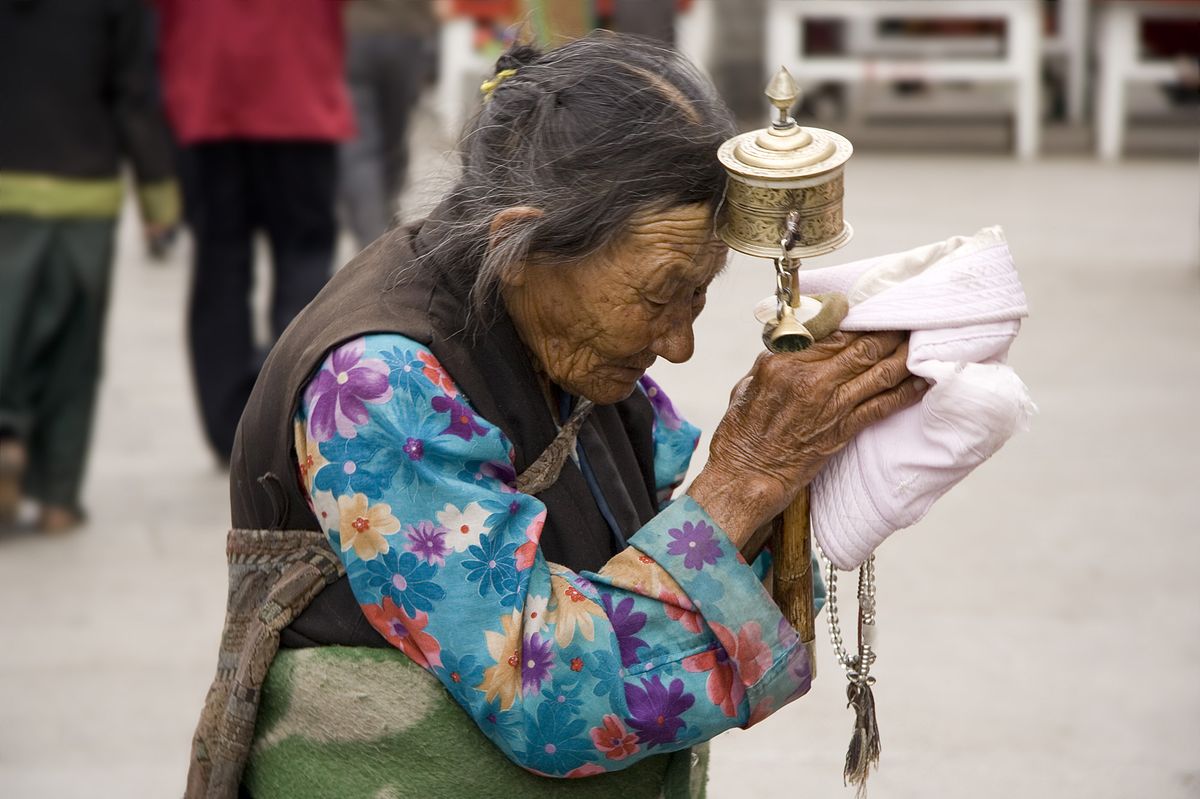
- Barkhor Street — the pilgrim circuit around the Jokhang, lined with prayer wheels, incense smoke and market stalls.
- Sera Monastery — famous for the monks’ debating in the courtyard on afternoons.
- Drepung Monastery — once the largest monastery in the world, sprawling up a hillside west of town.
Getting there
- By air: most visitors fly to Lhasa Gonggar Airport (LXA). The approach over the mountains is spectacular, and the airport is about an hour from the city.
- By rail: the Qinghai–Tibet Railway from Xining and other cities reaches Lhasa over the high Tanggula Pass — a memorable, gradual arrival with a gentler altitude curve.
- Permits first: both flights and trains to Lhasa require your Tibet Travel Permit at boarding. Book nothing until your agency confirms the permit. If rail is part of your plan, see our train ticket guide.
Getting around
- With a guide: for most foreign visitors, a guide and driver are part of the required arrangement, and they handle transport between sights.
- On foot: the old quarter around the Jokhang and Barkhor is walkable and best done slowly.
- In the city: taxis and ride-hailing operate in Lhasa, but stick with your agency’s arrangements where required.
Understanding altitude in depth
Lhasa’s altitude — about 3,650 meters — is the most important practical fact of the trip, and it deserves more than a warning. At this height, the air holds roughly 60% of the oxygen it holds at sea level, so your body works harder to stay oxygenated. The result is that most visitors feel something: a mild headache, breathlessness on stairs, poor sleep, or a reduced appetite in the first 24–48 hours.
The standard advice is simple and effective. Fly into Lhasa and treat the first day as a rest day — walk slowly, drink more water than usual, skip alcohol and heavy meals, and sleep lower than you explore. Many travelers find that by the second or third day symptoms fade as the body acclimatizes. The risks that get the headlines — pulmonary or cerebral edema — are rare and mostly affect people who ascend too fast or ignore symptoms, and are treated seriously by local clinics. The sensible version: descend if you feel seriously unwell, keep your first days gentle, and consult a doctor before traveling if you have any medical condition that altitude could affect. The gradual approach via the Qinghai–Tibet Railway, which climbs slowly from Xining, is genuinely easier for some travelers than the abrupt flight arrival.
A realistic budget for Lhasa
Tibet is more expensive to visit than the rest of China, largely because of the organized-tour requirement.
- The permit and tour: a Tibet Travel Permit arranged through a licensed agency typically adds a few hundred yuan, and the required guide-and-tour package is where the real cost sits — budget from roughly ¥800–1,500 per day for a small-group or private arrangement including hotels, guide, transport and permits, with prices varying by season and group size.
- Flights: flying into Lhasa Gonggar Airport from Chengdu or Xi’an costs roughly ¥1,000–2,000 each way; the railway from Xining is cheaper (soft sleeper from about ¥600–800) but takes around 20 hours.
- Inside Lhasa: the Potala Palace ticket is around ¥200 (prices change), the Jokhang about ¥85, and monasteries ¥50–100; meals run ¥40–80.
- Planning note: because the itinerary is usually locked in when the permit is issued, agree your full route and budget with your agency before you apply.
Common mistakes to avoid
- Flying in and sightseeing the same day. The single biggest altitude mistake; plan a gentle first day.
- Booking flights and trains before the permit is confirmed. Both require the Tibet Travel Permit at boarding — confirm your permit first.
- Trying to travel independently. Foreign visitors generally cannot arrange their own permits, hotels or transport on the spot; work through a licensed agency.
- Changing the itinerary once it is approved. The permit is tied to a fixed route; swapping hotels or destinations mid-trip is usually not possible.
- Skipping the Potala booking. Timed entry sells out on holidays; your agency should book it as part of the arrangement.
- Ignoring the cold. Even in summer, mornings at 3,650 meters are chilly and afternoons can be windy; pack a warm layer.
- Walking the Barkhor the wrong way. Pilgrims move clockwise; walk with the flow and photograph respectfully.
Customs and photography
Tibet’s religious sites are living places of worship, not museums, and the etiquette is easy to follow once you know it. Walk clockwise around the Jokhang and the Barkhor circuit, moving with the pilgrims. Do not point the soles of your feet at statues or altars, and keep your voice low inside temples. Photography rules vary: some temples allow photos in courtyards but not in the prayer halls, and the Potala’s interior is strictly no-photo. Ask before photographing people, especially pilgrims and monks — many will politely decline. And when a crowd is circling the kora, step aside rather than blocking the flow.
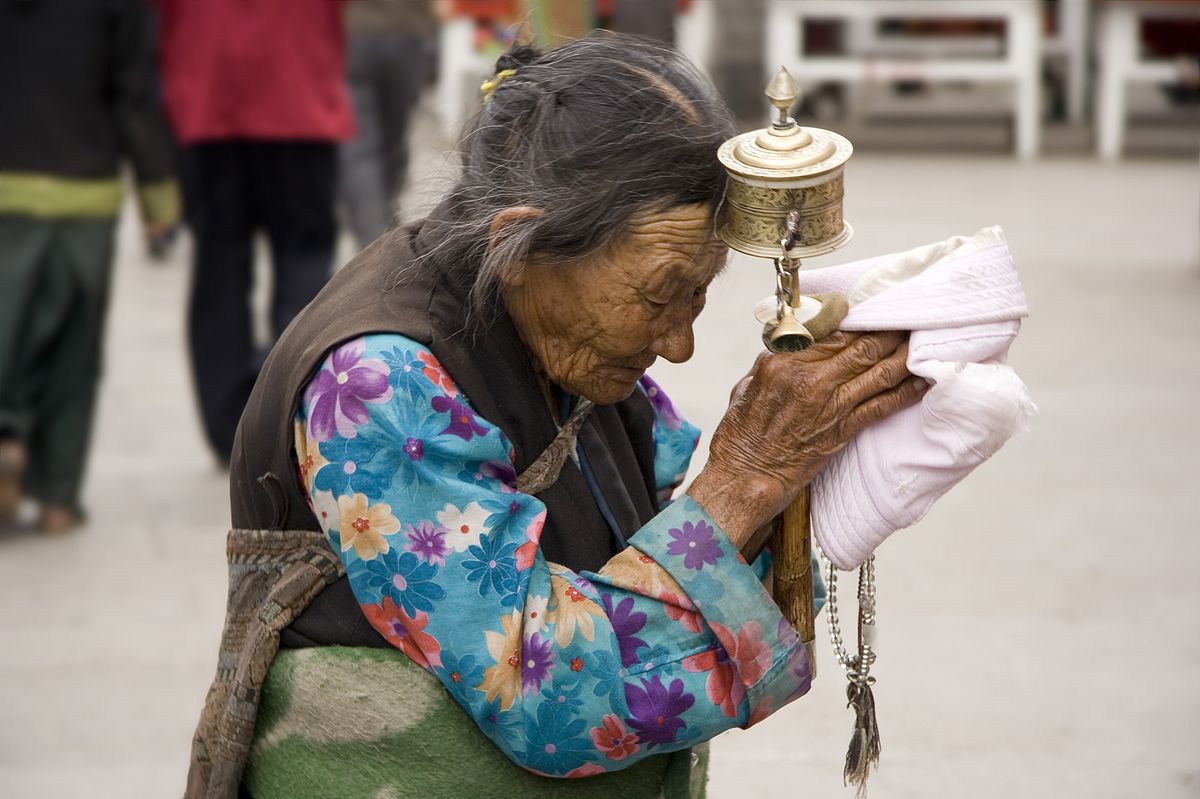
Barkhor Street is the pilgrim circuit around the Jokhang, lined with prayer wheels, incense smoke and market stalls.
Practical tips
- Acclimatize properly: sleep low on the first night, avoid alcohol, go easy on food and keep the first day gentle. Headache and breathlessness are common; severe symptoms need medical help.
- Book the Potala ahead: timed-entry tickets are limited and go quickly on holidays.
- Respect local customs: walk clockwise around temples and prayer wheels, ask before photographing people, and dress modestly in religious sites.
- Sort payments: set up Alipay before you arrive — mobile payment is the norm across China, including in Lhasa’s shops and hotels.
Where to go next
Many Tibet itineraries begin in Chengdu, the usual departure hub for flights west. After Lhasa, travelers typically fly back to Chengdu and continue on to Xi’an or Beijing — but plan a gentle day or two at lower altitude before rushing onward.
Last updated: August 2026. Permit rules, the Potala’s ticketing and access policy change frequently — confirm before you go.
Frequently Asked Questions
Can foreign tourists visit Tibet independently?
Generally no. Most foreign visitors must arrange a Tibet Travel Permit (入藏函) through a licensed travel agency and travel with an organized guide or tour. The permit is checked when boarding flights or trains and again at entry points, so independent walk-up travel is not normally possible. Rules change, so always confirm the current official requirements before booking.
How far in advance should I arrange the permit?
Weeks, not days — start at least 4–8 weeks ahead. Your travel agency handles the paperwork, and you'll need a valid passport plus your Chinese visa or visa-free entry status. The itinerary (dates, route, hotels) is usually locked in when the permit is issued, so plan the trip before you apply.
Will I get altitude sickness in Lhasa?
It's possible — Lhasa sits at about 3,650 meters. Take the first day or two gently, avoid alcohol and heavy exercise, and drink plenty of water. Many visitors feel a headache or breathlessness after arriving by air; if symptoms are severe, seek medical help. Consult a doctor before traveling to high altitude.
What should I see in Lhasa itself?
The Potala Palace, the Jokhang Temple and the surrounding Barkhor pilgrim circuit are the essential three. The Sera and Drepung monasteries round out a classic three-day visit. The Potala requires a timed entry ticket and sells out on holidays, so book well ahead through your agency.
Can I combine Lhasa with Everest Base Camp or Namtso?
Yes, many travelers extend beyond Lhasa — to Shigatse and Gyantse, Lake Namtso, or Everest Base Camp. These routes add several days and usually require a fuller itinerary and, in some cases, additional permits arranged by your agency. Tell your agency your whole route up front.
Do I still need a Chinese visa on top of the Tibet permit?
Yes. The Tibet Travel Permit is separate from (and in addition to) a valid Chinese visa or visa-free entry status. Make sure both are in place before you book flights and trains.
More in Tibet
Tibet Travel Guide (2026) — Tibet travel guide