
Star Gazing in China: Best Dark-Sky Places & When to Go
China's best stargazing spots — Tibet, Qinghai, Xinjiang and Inner Mongolia for the Milky Way, plus tips on timing, photography and planning an astro-tourism trip in 2026.
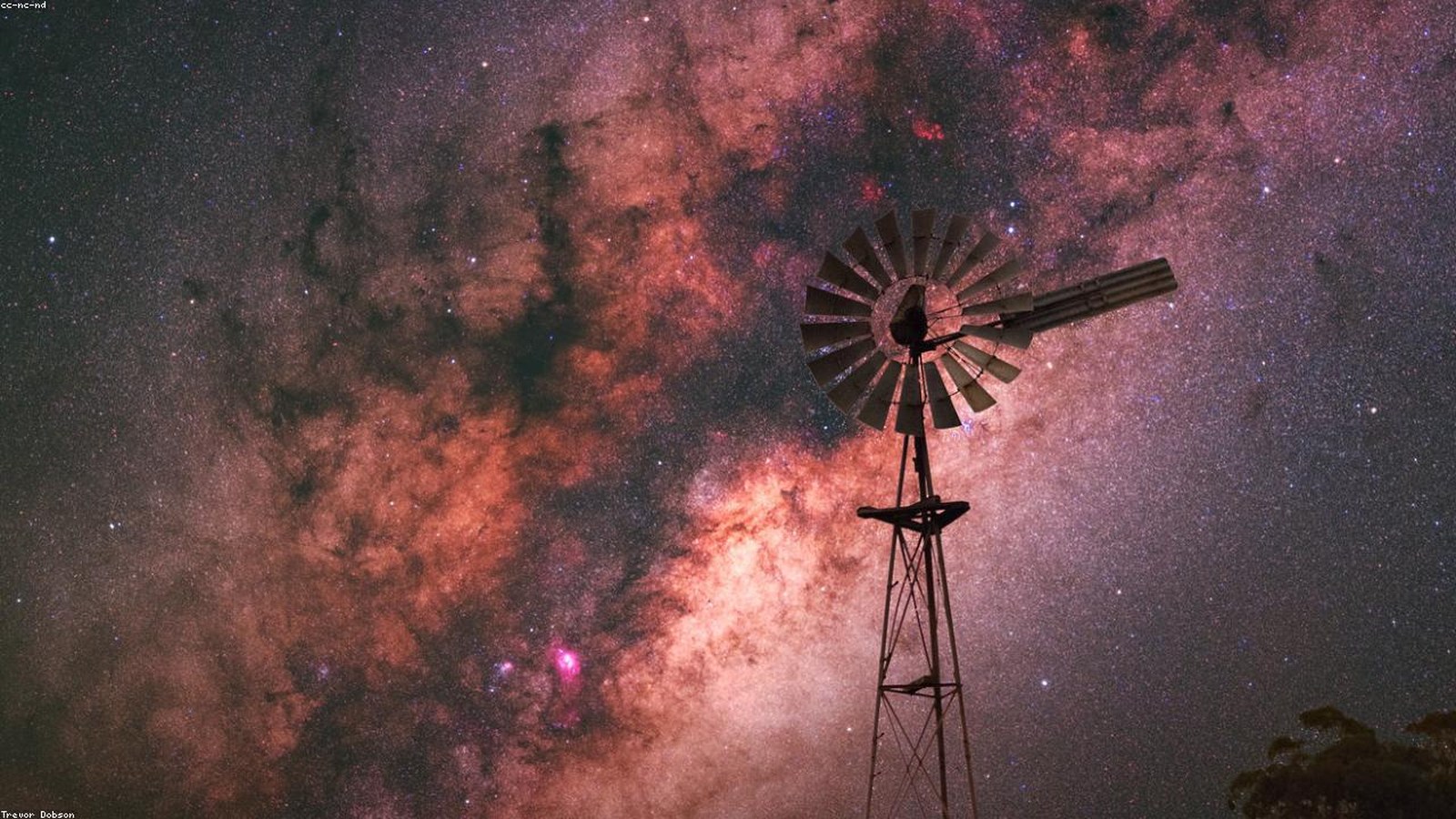
China’s far west is one of the best places on Earth to see the Milky Way — vast high-altitude deserts and plateaus, almost no light pollution, and some of the clearest, driest air in Asia. Here’s how to plan a stargazing trip that actually delivers.
Why China is a stargazer’s dream
Most travelers think of China’s big cities, but the country’s real night-sky treasure is its west. The Tibetan Plateau averages over 4,000 meters, pushing you above a huge share of the atmosphere’s haze and moisture. Xinjiang and Qinghai hold enormous deserts and salt flats where the nearest town can be a hundred kilometers away. Inner Mongolia’s grasslands roll to the horizon with barely a streetlight, and Yunnan’s high passes near the Myanmar and Sichuan borders sit under dark, stable skies.
What that adds up to is rare for a country this developed: genuinely dark skies within a few hours’ drive of a major city. From Xining, Lhasa, Urumqi or Hohhot you can reach Bortle-class dark sites — skies dark enough to show the Milky Way’s dust lanes, the zodiacal light, and thousands of stars with the naked eye. The trade-off is altitude and remoteness, which is exactly why the crowds haven’t arrived. Astro-tourism in China is still young, so you often get spectacular skies to yourself.
The best dark-sky regions
Tibet is the benchmark. The high plateau around Namtso Lake and the road toward the Everest Base Camp area offers thin, dry air and near-total darkness. At 4,500–5,200 meters, the Milky Way can look bright enough to cast a faint shadow. For most travelers, combining a trip to Lhasa and Tibet with one or two nights outside the city is the classic itinerary — acclimatize in the capital, then head out for the dark skies.
Qinghai is the most accessible serious option. The Qaidam Basin is an empty, high-altitude basin of salt flats and desert, and Chaka Salt Lake’s mirror-like surface doubles the stars when the wind is still. Xining is a short flight from most Chinese cities, and the drive into the basin is straightforward. Qinghai is also home to the Lenghu (Cold Lake) Mars Camp, a science-tourism base built specifically around dark skies and astronomy, with observatory facilities and organized programs.
Xinjiang pairs desert night skies with epic landscapes. The fringes of the Taklamakan Desert and the remote Kanas and Ili regions are dry, clear, and far from city glow. The distances are huge — Xinjiang is bigger than many European countries — so this suits travelers who want starry skies woven into a longer road trip. See our guide to the Kanas and Ili region for route planning.
Inner Mongolia is the best choice for wide-open grasslands and shooting stars. The Xilin Gol and Hulunbuir grasslands are vast and sparsely lit, with yurt camps that let you step out of your door into darkness. Summer here is warm enough to stargaze in a light jacket (though nights still cool down fast), making it the most comfortable high-yield option for families and beginners.
Yunnan is the southern wildcard. High passes around Lijiang and Shangri-La sit at 3,000–4,500 meters with dry winter skies and some of China’s clearest spring air. Yunnan has the added bonus of real tourism infrastructure — boutique hotels and guesthouses — so you can stargaze in comfort rather than camping on a salt flat. The trade-off is that summer is monsoon season here, so aim for autumn through spring.
When to go: season and moon phase
The Milky Way core — the bright, dusty center that everyone wants in photos — is visible from roughly March through September. It rises in the southeast in spring, stands overhead in mid-summer, and sinks into the west by autumn. For the classic arch across the sky, late spring through mid-summer is best in the northern hemisphere.
The single most important planning detail is the moon. A full moon washes out everything but the brightest stars, while a new moon leaves the sky truly dark. Plan your nights for a few days before to a few days after the new moon, and check moonrise and moonset times — a moon that rises at 2 a.m. still gives you a dark early night.
Region matters more than the calendar. Southern China — including much of Yunnan — has a June–August monsoon that turns the sky gray. The dry west (Tibet, Qinghai, Xinjiang) is clearest in the same months. Winter brings crisp, transparent skies across much of the west but bitter cold at altitude, often well below freezing at night.
What you’ll see
- The Milky Way, obviously — under the darkest western skies it appears as a bright river of cloud with visible dust lanes, not a faint smudge.
- Meteor showers. The Perseids peak around mid-August and are the easiest to catch, often with 50+ meteors an hour under dark skies. The Geminids in mid-December are the year’s most reliable, though freezing at altitude. The Quadrantids in early January are brief but intense.
- The zodiacal light, a faint triangular glow along the ecliptic, visible before dawn or after dusk in dark, moonless periods.
- Planets and satellites. Venus, Jupiter, and Saturn are naked-eye obvious in season, and a busy sky of satellites and occasional meteors keeps scanning rewarding.
- Airglow, a faint green or red shimmer caused by high-atmosphere chemistry, which long-exposure photos often reveal even when your eyes don’t.
Milky Way photography tips
You don’t need a telescope, but you do need the right basics: a camera with manual controls, a wide-angle lens with a fast aperture (f/2.8 or faster, ideally 14–24mm), a sturdy tripod, and a shutter remote or 2-second timer to avoid shake.
The classic starting point is the 500 Rule: divide 500 by your focal length to get the longest exposure before stars trail. At 20mm on a full-frame camera, that’s about 25 seconds. Use ISO 1600–6400 depending on your camera, shoot wide open, and focus manually on a bright star using live view zoomed in. Shoot RAW, and bring extra batteries — cold altitude drains them fast, and night is long.
Compose around a foreground: the salt-crust patterns of Chaka Lake, a yurt silhouette in Inner Mongolia, or a mountain ridge in Tibet. A red headlamp preserves your night vision while you work, and a star-map app downloaded for offline use helps you frame the core. If you want the full Milky Way arch, plan to shoot a panoramic series and stitch later.
Altitude and cold-weather prep
This is where stargazing trips go wrong. Most top sites are above 3,000 meters, and Tibet’s plateau is over 4,500. Acclimatize before sleeping high — spend a day or two in Lhasa or Xining, hydrate constantly, avoid alcohol, and ascend gradually. Mild headache and breathlessness are common; worsening symptoms mean descend, not “push through.”
Cold is the other surprise. Even a summer night at 4,000 meters can drop near freezing, and desert and grassland sites cool fast after sunset. Pack thermal base layers, a warm hat, gloves, and a down or insulated jacket, plus a windproof outer layer. A sleeping-bag liner or extra blanket helps if you stay in simple guesthouses or yurt camps, and a thermos of hot water is worth more than you’d expect at 3 a.m.
How to plan the trip
- Pick your region based on season, comfort, and how remote you’re willing to go. Qinghai and Inner Mongolia are the easiest first trips; Tibet is the most extreme; Yunnan suits those who want comfort with their dark skies.
- Fly to the gateway city — Xining (Qinghai), Lhasa (Tibet), Urumqi (Xinjiang), Hohhot (Inner Mongolia), or Lijiang (Yunnan).
- Arrange a car and driver or join an astro tour. Remote dark-sky sites are rarely reachable by public transport, and organized astro-photography tours in Qinghai and Tibet handle the logistics, gear, and timing for you. This is strongly recommended for first-timers.
- Time it around the new moon, and budget 2–3 nights at your dark-sky site so one cloudy night doesn’t waste the trip.
- Check forecasts the day before — a clear-sky astronomy forecast is more useful than a general weather app — and confirm access, since high-altitude roads can close in bad weather.
Safety and practical notes
Stargazing in China’s west is safe with normal precautions, but the risks are real and mostly practical. Altitude sickness is the top one; acclimatize, hydrate, and don’t sleep high on your first night. Remote roads mean little or no phone signal, so download maps and star charts offline, carry a power bank, and tell someone your plans. In grassland areas, keep a respectful distance from livestock and wildlife, and in bear or wolf country stay near your vehicle at night.
Most importantly, travel insurance is non-negotiable for these trips — high-altitude regions and remote roads are exactly where medical evacuation matters, and many standard policies exclude high-altitude travel. Read our guide to travel insurance for China before you book. Permits matter too: much of Tibet requires a travel permit arranged through a tour operator, so plan that well in advance.
The reward is worth it. Lie back under a sky so full of stars the Milky Way looks like a cloud bank, and you’ll understand why China’s far west is quietly becoming Asia’s best-kept astro-tourism secret.
Last updated: August 2026. Weather, moon phases and access conditions change — check forecasts and local guidance before planning.
Frequently Asked Questions
Where is the best stargazing in China?
The top regions are the high, dry, sparsely populated west: Tibet's plateau (near Namtso or the Mount Everest base camp), Qinghai around Chaka Salt Lake and the Qaidam Basin, Xinjiang's desert fringes, and Inner Mongolia's grasslands. Yunnan's high passes (like around Lijiang or Shangri-La) are also excellent. These combine high altitude, clear dry air, and minimal light pollution — ideal for seeing the Milky Way with the naked eye.
When is the best time to stargaze in China?
For the Milky Way core, March through September, with the peak around June–August in the northern hemisphere (though southern China's monsoon makes those months cloudy — the dry west is better). The single best nights are around the new moon. Avoid full-moon weeks and cloudy seasons. Altitude makes nights cold year-round, so pack warm layers even in summer. Winter offers clearer skies in many regions but bitter cold.
Do I need special equipment to stargaze in China?
For the naked-eye experience, no — just clear skies, darkness, and patience. To photograph the Milky Way you'll want a camera with manual controls, a wide-angle fast lens, and a tripod. A red headlamp (preserves night vision) and a star-map app (downloaded offline) help. Binoculars are a nice middle ground. You do not need a telescope for the classic Milky Way experience.
Is stargazing in China safe?
Yes, with normal precautions. The main risks are practical, not safety: high altitude (acclimatize before sleeping at 4,000m+), cold nights, remote roads with little phone signal, and wildlife in some grassland areas. Go with a driver or tour for remote spots, tell someone your plans, carry a power bank, and dress warmly. Popular organized astro-tours in Qinghai and Tibet are the easiest way for first-timers.
How do I plan a stargazing trip in China?
Pick a dry, high-altitude region in the west. Fly to the nearest city (Xining for Qinghai, Lhasa for Tibet, Urumqi for Xinjiang, Hohhot for Inner Mongolia), then arrange a car and driver or join an organized astro-photography tour — remote dark-sky sites are hard to reach independently. Time your trip around the new moon, check the moonrise and weather, and budget 2–3 nights so one cloudy night does not ruin the trip.