
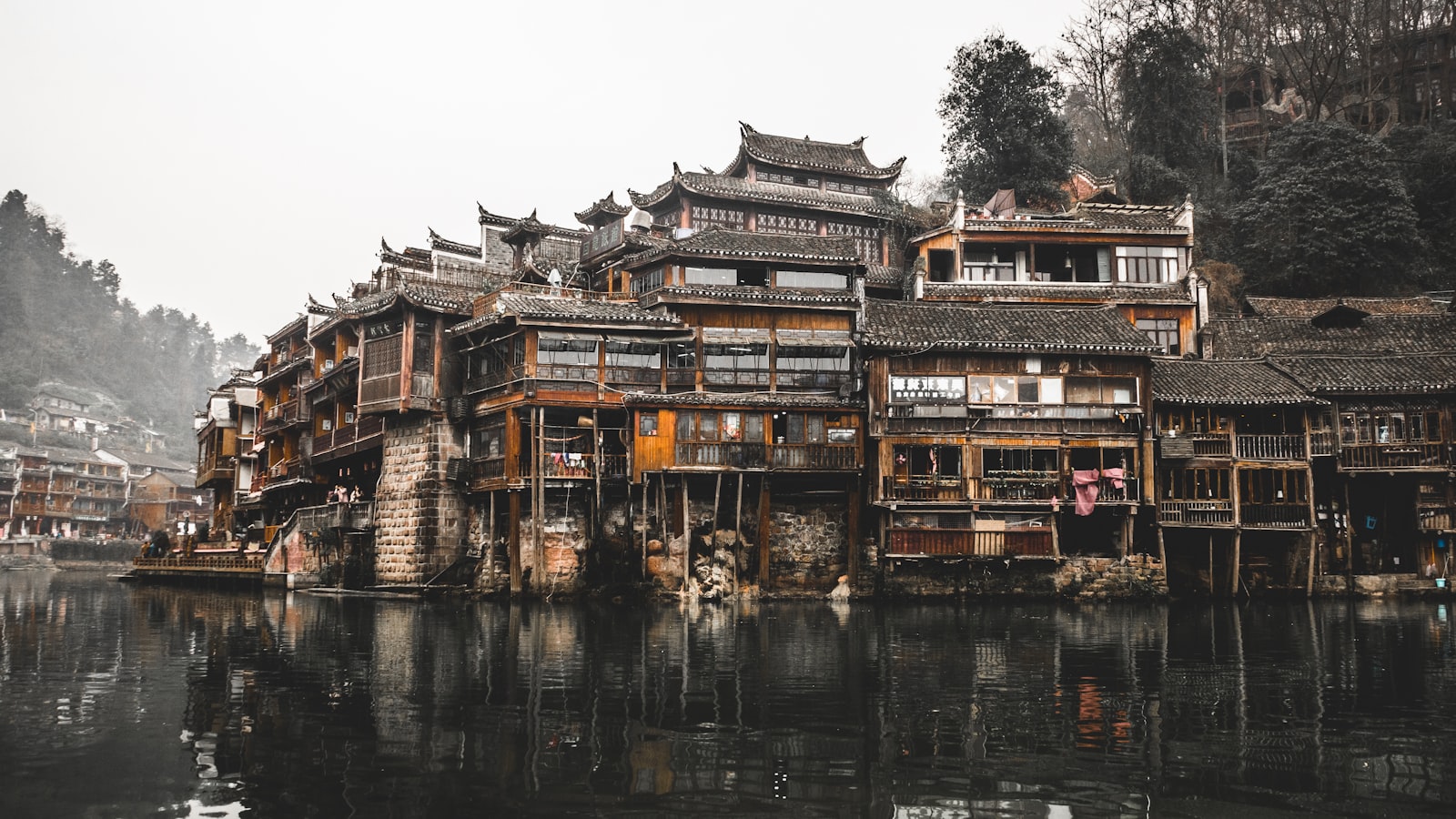
Lijiang Guide (2026): Old Town, Jade Dragon Snow Mountain
Lijiang guide — the UNESCO old town, Jade Dragon Snow Mountain cable car, Shuhe and Baisha villages, Naxi culture and altitude tips.
OpenStreetMap Google Maps (opens externally)
Lijiang is the UNESCO-listed old town most people picture when they think of China’s southwestern cobblestones — but its real headline is the glacier of Jade Dragon Snow Mountain rising behind it.
It’s the northern anchor of the classic Yunnan route, sitting at around 2,400 meters in a high valley ringed by mountains. Between the famous old town, a very tall snow mountain and a pair of quieter villages, it packs a lot into two or three days.
Overview
Lijiang is built around the old town of Dayan, a maze of cobbled lanes, canals and Naxi-style timber houses that became a UNESCO World Heritage Site in 1997. By day it’s full of tour groups and souvenir shops; in the early morning and late evening, it’s genuinely lovely, with water flowing through every street.
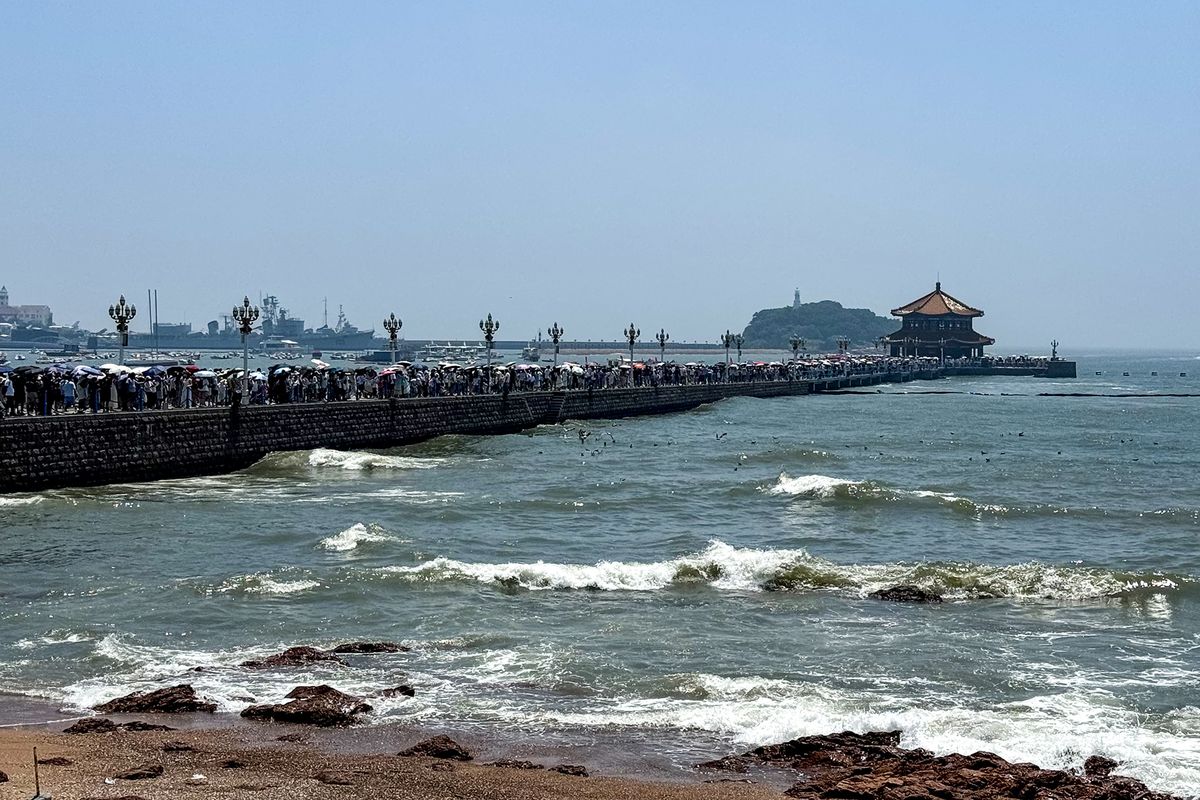
Dayan Old Town’s cobbled lanes, canals and Naxi timber houses earned Lijiang its UNESCO listing.
The wider area offers much more than the old town. Jade Dragon Snow Mountain dominates the skyline to the north, and the Naxi villages of Shuhe and Baisha give a quieter, more authentic taste of local life. The local Naxi people maintain their own script, religion and traditions, and their culture is visible throughout the region — in the old town’s timber architecture, the mountain pilgrimages, and the quiet villages that still follow the old rhythms.
How many days
Two to three days fits the classic route. A workable plan:
- Day 1: arrive, wander Dayan old town, and get an early night — the mountain deserves a fresh morning.
- Day 2: Jade Dragon Snow Mountain (glacier cable car and Blue Moon Valley), returning late afternoon. Depart early — the cable car queues build quickly after 9am.
- Day 3: Shuhe and Baisha in the morning, then continue to your next stop.
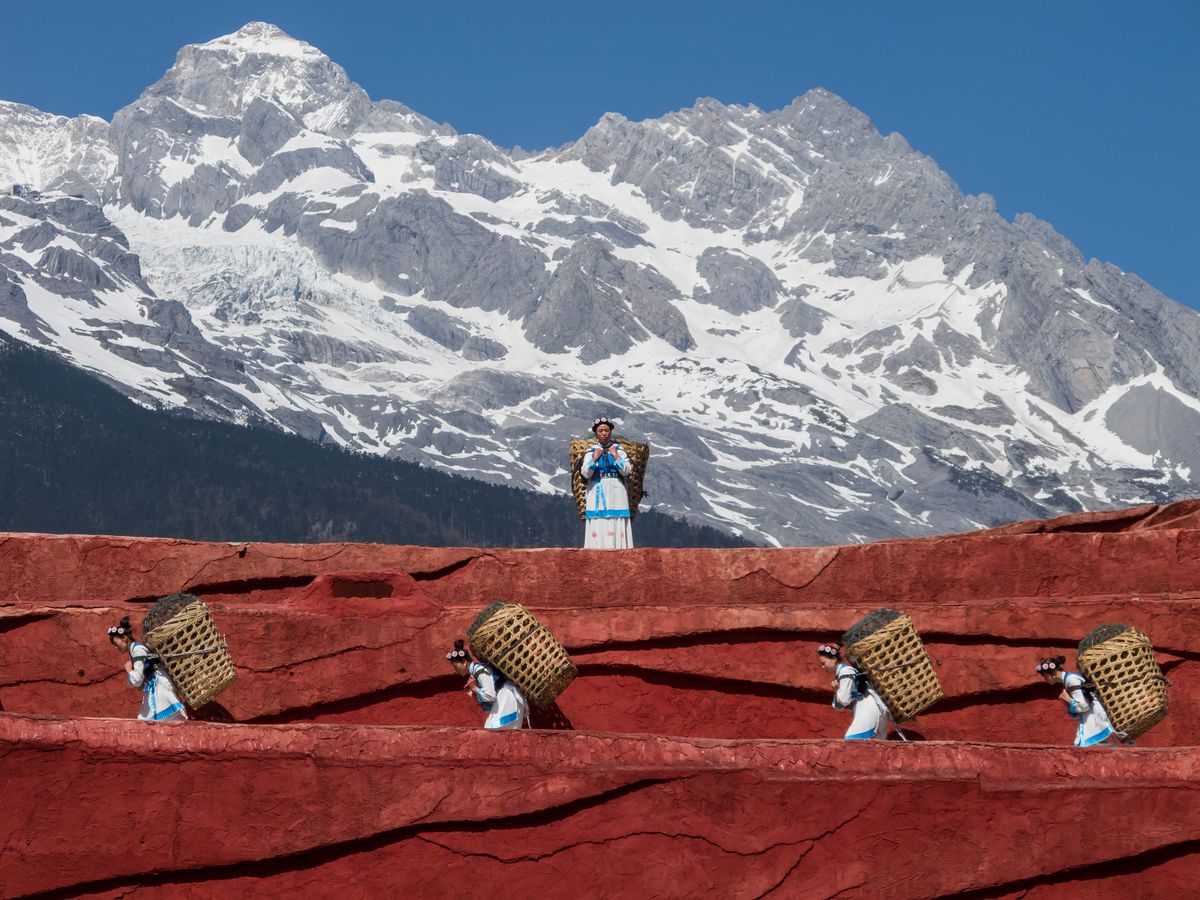
Jade Dragon Snow Mountain, the 13-peak glacier massif, dominates the skyline north of Lijiang.
Suggested itinerary
A 2-day plan:
- Day 1 — The old town: Dayan Old Town in the morning, then the quieter canals of Shuhe Old Town in the afternoon and a dinner in the old town’s lanes.
- Day 2 — Jade Dragon Snow Mountain: a full-day trip to Yulong Xueshan (cable car and the mountain views), or Baisha Village and its frescoes if the cable car is booked out.
Have more time? Add a day for Tiger Leaping Gorge or the Lashi Lake wetlands. Lijiang is a classic stop on a Yunnan route.
Best time to visit
- April–June: green valleys, clear air and the mountain’s snow still on the peaks.
- September–October: the sweet spot — dry, comfortable and golden light.
- Winter (December–February): coldest but clearest for snow-capped views of the mountain; the town itself stays mild in the sun.
- July–August: rainy season; showers most afternoons, but the old town at night is still enjoyable.
Top sights
- Jade Dragon Snow Mountain (Yulong Xueshan) — the 13-peak glacier massif north of town. The main cable car rises to a high platform near the glacier; Blue Moon Valley below is the classic photo stop.
- Dayan Old Town — the UNESCO-listed maze of lanes, canals and Naxi courtyards, best in the early morning.
- Shuhe Old Town — a quieter satellite old town about 15 minutes away, with the same architecture and a fraction of the crowds.
- Baisha Village — the oldest and smallest of the three, home to ancient Buddhist murals and the local painters’ scene.
- The Impression Lijiang show — a large outdoor performance with the mountain as its backdrop (book in advance if it appeals; it’s popular). It runs on a fixed schedule, so confirm the showtime and book your ticket a day ahead.
Budget
Lijiang is mid-priced with some pricey add-ons — the old town is free to enter, but the mountain excursions add up. Rough daily figures for planning (per person, CNY, and prices change):
- Accommodation: old-town guesthouses from about ¥120–250/night, mid-range ¥300–600; the best courtyard rooms cost more.
- Attractions: Dayan Old Town is free to wander; Shuhe and Baisha too; Jade Dragon Snow Mountain with its cable car is the big cost (often ¥250–350 all-in); the Impression Lijiang show is extra.
- Food: Naxi and Yunnan dishes are ¥40–80 per dish; snacks and noodles ¥15–40.
- Transport: within the old town it’s walking; taxis and buses reach the mountain and villages.
Carry a little cash as backup, but pay by Alipay almost everywhere.
Getting there
- By rail: high-speed trains run from Kunming (about 3 hours) and from Dali (about 1.5–2 hours). Book with your passport — see our train guide.
- By air: Lijiang Sanyi Airport (LJG) has flights from major Chinese cities; a short taxi ride connects the airport to the old town.
Getting around
- On foot: the old town is pedestrian-only and best walked slowly.
- Taxis and Didi: cover the old town, Shuhe, Baisha and the mountain ticket area.
- Tourist buses: run from the old town to the mountain and the outlying villages on main routes. Tickets for the mountain shuttle are easiest booked through your hotel the evening before.
Day trips & nearby
The Lijiang area rewards more than the old town. Tiger Leaping Gorge — one of Asia’s great hiking routes — is about 1.5–2 hours north, with trail options from a half-day viewpoint visit to a multi-day trek. Baisha and Shuhe old towns are within a 30-minute ride and far quieter than Dayan. The Lugu Lake region, shared with Sichuan, is a longer excursion (4–5 hours) known for its clear water and the Mosuo people’s culture. Many travelers pair Lijiang with Dali to the south on the classic Yunnan loop — see our Yunnan classic route.
Naxi culture, understood
The Naxi people are the heart of Lijiang, and their culture is worth understanding before you visit. They maintain one of the world’s last living pictographic scripts — the Dongba script, used by their priests — and a distinct religion, music and architecture. The Dongba Culture Museum in the old town is the best quick introduction. The quieter villages of Baisha and Shuhe show Naxi daily life better than the touristed old town, and Baisha’s ancient murals, painted over centuries, are a rare survival of local painting tradition.
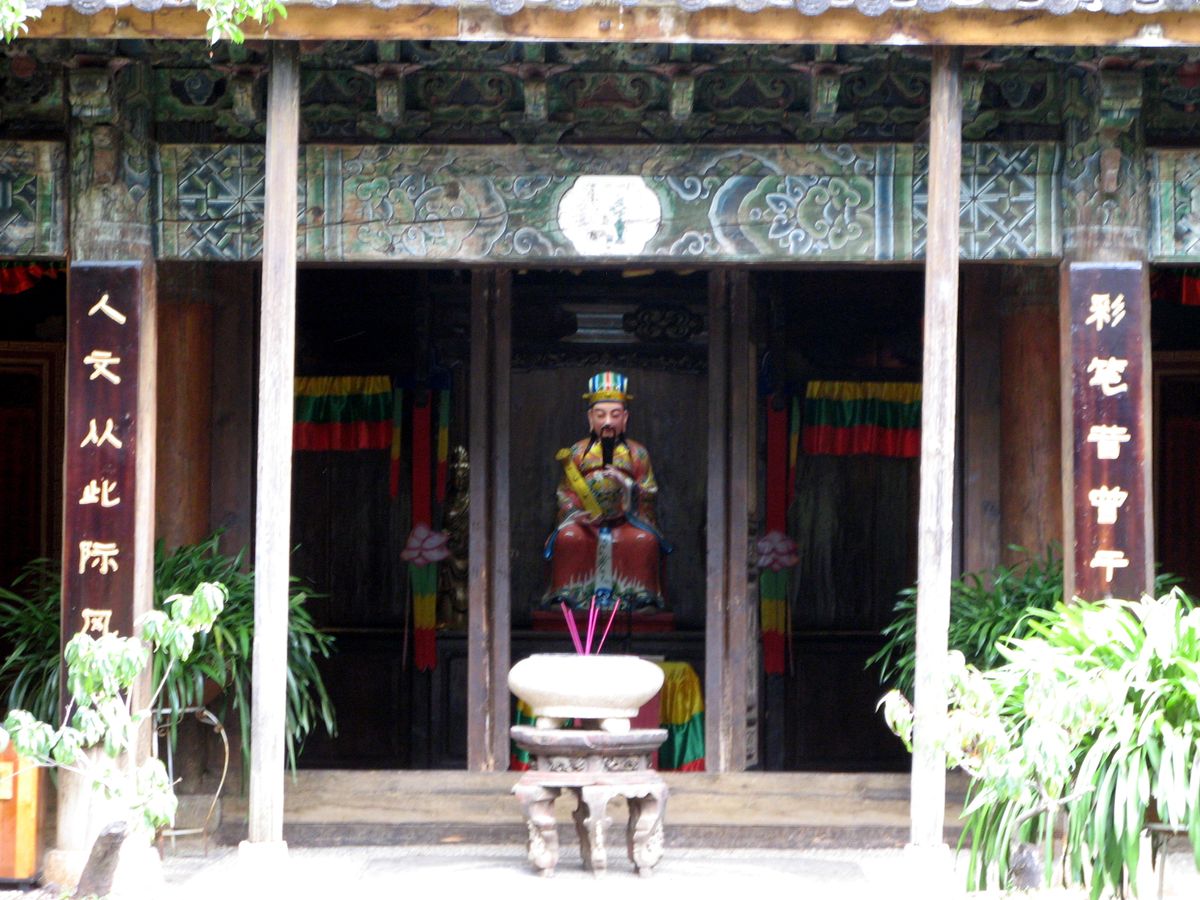
Quieter Naxi villages such as Shuhe and Baisha keep the traditional timber architecture and slow pace.
Practical tips
- Book the mountain cable car early — date-specific tickets sell out, and the whole trip works best with an 8am start.
- Dress for the mountain: it’s cold and windy near the glacier even when the town is warm; gloves and a warm layer earn their space.
- Pace yourself at altitude: the old town at 2,400 meters is manageable, but the summit cable car at roughly 4,500 meters is another world — go slowly and carry water.
- Cashless is the norm: set up Alipay before you arrive — tickets, taxis and shops all take mobile payments.
- Respect the local culture: Lijiang is Naxi country; the old town’s festival calendar and customs are worth reading about before you visit.
- Where to stay: inside Dayan is atmospheric but loud and busy; Shuhe is the quieter base if you want sleep and an easier walk to the mountain buses.
Where to go next
Lijiang is the northern end of the Yunnan loop — most travelers head back south through Dali to Kunming. From there, Chengdu is the natural gateway to Sichuan, or continue east for the history of Xi’an and Beijing on a classic first-timer route.
What to eat in Lijiang
Lijiang’s food is a Naxi and Yunnan mix with a few signature dishes worth seeking out. The local jidou liangfen (chickpea jelly) and rice-flour noodles appear at breakfast stalls in the old town. For a main meal, try Naxi hotpot, a mild, broth-based pot with mushrooms and local vegetables, and grilled fish from the lake country. The region’s mushroom dishes — including the prized but carefully prepared local fungi in season — are a highlight for many visitors. Also look for cured ham (yun tui), the sweet rice cakes, and the yogurt and fruit sold along the cobbled lanes. The old town’s snack streets are busy but reliable; for a quieter meal, walk to Shuhe or Baisha, where the same dishes are cheaper and the teahouses more relaxed. As with the rest of China, payment is by QR code — set up Alipay before you arrive — and a translation app helps with menus that have no English.
Common mistakes to avoid
The most common Lijiang mistakes are about expectations and timing. Book the Jade Dragon cable car before you arrive — date-specific tickets sell out, and showing up without one is the single biggest disappointment. Don’t try to do the mountain and the old town in one rushed day; the mountain deserves a full morning and an early start. Expect crowds in Dayan — the famous old town is busy by mid-morning, so save the photography for first light. Don’t skip the quieter villages on the assumption that Dayan is the whole story; Shuhe and Baisha are the calm, atmospheric heart of the region. Pack for the altitude — the town sits at 2,400 meters and the cable car climbs to around 4,500, so warm layers and water are not optional. And ignore the mountain if the weather is poor — heavy cloud can close the summit cable car entirely; have a village-and-valley backup plan ready.
Last updated: August 2026. Cable-car tickets and old-town fees change — confirm before you go.
Frequently Asked Questions
How many days should I spend in Lijiang?
Two to three days is right: a day for the Jade Dragon Snow Mountain, a day for the old town and a quieter village like Shuhe or Baisha, and time to simply wander. Most travelers spend two nights on the way through the Yunnan loop.
Do I need to book the Jade Dragon Snow Mountain cable car in advance?
Yes — the big glacier cable car to the high viewing platform uses real-name, date-specific tickets that sell out, especially on weekends and holidays. Book online or through your hotel well ahead, and plan an early departure. In high wind the cable car can pause, so have a backup plan.
Is there a fee to enter the old town?
Lijiang Old Town has at various times collected a maintenance fee from visitors. The policy and who pays have changed over the years, so confirm the current arrangement before you go rather than assuming either way. The fee applies to the old town area, not the whole city.
Which is better — Dayan, Shuhe or Baisha?
Dayan is the big, atmospheric, touristy old town you've seen in photos. Shuhe is a quieter satellite about 15 minutes away with a similar feel and far fewer crowds. Baisha, further north, is the smallest and most authentic, famous for its ancient murals and slow pace.
What about altitude sickness in Lijiang?
The town itself sits around 2,400 meters, which most visitors handle fine, though you may notice it after exertion. The Jade Dragon Snow Mountain cable car climbs to roughly 4,500 meters, where the air is noticeably thinner — go slowly, drink water, and carry bottled oxygen if you're prone to altitude issues.
Do I need a visa for Lijiang?
The same mainland China rules apply — many passports are visa-free for up to 30 days, and others can use the 240-hour transit scheme. Check your situation before booking.
More in Yunnan
Yunnan Travel Guide (2026) — Yunnan travel guide