
Tipping in China: The Complete Tourist Guide (2026)
Is tipping expected in China? When to tip and when not to, who appreciates a gratuity, and how to leave one politely as a tourist in 2026.
China is one of the world’s great no-tipping cultures — and the faster you understand that, the more comfortable your trip will be.
Travelers from tipping cultures often arrive in China unsure whether to add 15% to a restaurant bill, tip a taxi driver, or reward a hotel porter. The short answer: you almost never have to. Tipping in China is not expected at restaurants, in taxis, or at most services — the price you’re quoted is the price you pay. But there are a few genuinely appreciated exceptions, and knowing the difference makes you a gracious guest rather than a confused one.
The short answer
- Restaurants, cafés, street food: no tip. The service is included.
- Taxis and ride-hailing: no tip. Round up to the nearest yuan if you like.
- Hotels: porters and housekeeping appreciate a small tip; front desk doesn’t expect one.
- Tour guides and private drivers: a modest gratuity is a kind gesture, especially on multi-day trips.
- The golden rule: tipping is never required, and refusing a tip with a smile is normal behavior, not rudeness.
Why China is a no-tipping culture
Tipping customs grew out of cultures where service staff rely on gratuities to make a living wage. China’s service model is different: restaurants build the cost of service into the menu price, and staff salaries don’t depend on tips. The result is a system where nobody expects a gratuity and the bill is the bill. This isn’t rudeness or coldness — it’s a different social contract. When you pay exactly what the menu says, you’re following the local norm perfectly.
It also means the usual tipping awkwardness disappears. You don’t need to calculate percentages, carry a pile of small notes, or wonder whether the taxi driver is disappointed. The price on the meter is the price. For many travelers, this is genuinely refreshing.
Restaurants: no tip, no guilt
At everyday restaurants — from a dumpling shop to a busy hotpot place — a tip is not expected. Pay the bill as shown, and if you try to tip, staff may genuinely try to give the money back, assuming you’ve overpaid by mistake.
The one exception to watch for is upscale hotels and fine-dining restaurants, where a 10–15% service charge (服务费) is sometimes added to the bill automatically. Check your receipt before assuming the price is final. If the service charge is already there, no further tip is expected. If it isn’t and service was outstanding, a small cash tip of ¥10–30 handed to the server is a lovely gesture but never required.
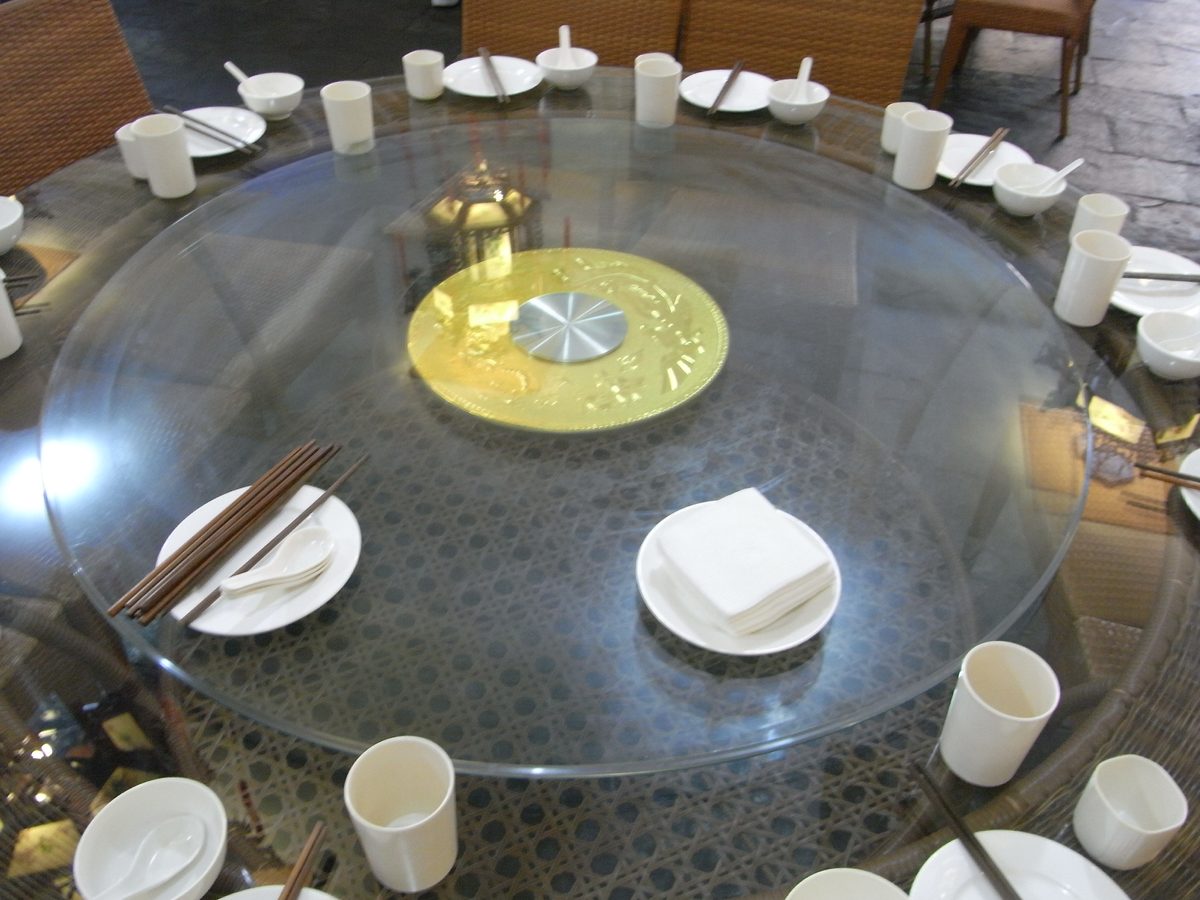
At most Chinese restaurants the bill already covers service — a tip is neither expected nor required, and staff may even try to hand it back.
Taxis, Didi and transport
Taxi drivers in China don’t expect a tip. The meter runs and you pay the exact fare. If you’d like to be generous, simply round up to the nearest yuan or five yuan and wave off the change — but even that isn’t expected.
Ride-hailing through Didi is even simpler: the fare is set in the app before you ride and charged automatically, with no in-app tipping option for most trips. There’s no need to tip the driver, and none is expected. If you’re using street taxis or a hotel car, the same rule applies. For more on getting around, see our guide to ride-hailing with Didi and taxis in China.
Hotels: the friendliest exception
Hotels are where tipping in China gets closest to Western expectations, especially at international chains. Porters who carry your luggage, housekeeping who look after your room, and concierge staff who arrange bookings all genuinely appreciate a small gratuity:
- Porter: ¥10–20 for helping with bags.
- Housekeeping: ¥10–20 per day, left in the room or handed over.
- Concierge: ¥10–20 for help with a booking or a hard-to-get reservation.
None of this is required, and no hotel worker will be upset if you don’t tip. But because Chinese hotel staff do encounter tipping guests regularly, a small cash gratuity is received warmly and without the awkwardness you might find at a restaurant.
Tour guides and drivers: where tips mean the most
The place where a tip genuinely matters in China is on private tours and multi-day trips with a guide and driver. Guides and drivers in the tourism industry are the closest thing China has to a tipping culture, and a modest gratuity at the end of a trip is a thoughtful acknowledgment of their work.
A common benchmark among travelers:
- Private guide: roughly ¥50–100 per day.
- Private driver: roughly ¥30–50 per day.
- Group tour: ¥20–50 per person for the guide at the end.
These are guidelines, not obligations — give what feels right for the experience you had. The best moment to tip is at the end of the trip, in cash, with a handshake or both hands, and a sincere thank you. If you’re on an organized tour, some operators include gratuities in the package price or suggest an amount, so ask your operator ahead of time.

On private tours, a modest cash gratuity for your guide and driver at the end of the trip is the most meaningful tip you can give in China.
How to tip: cash, directly, with both hands
If you decide to tip, the mechanics matter as much as the amount:
- Use cash. China runs on QR payments, but tipping by phone isn’t established — most workers aren’t set up to receive a tip through Alipay or WeChat and may not accept a transfer.
- Hand it over directly. Give the note to the person with both hands and a smile. Don’t leave cash on a table or a desk — staff often assume it’s lost money and may not touch it.
- Say thank you. A simple “xiè xie” (谢谢) with the gesture is warm and correct.
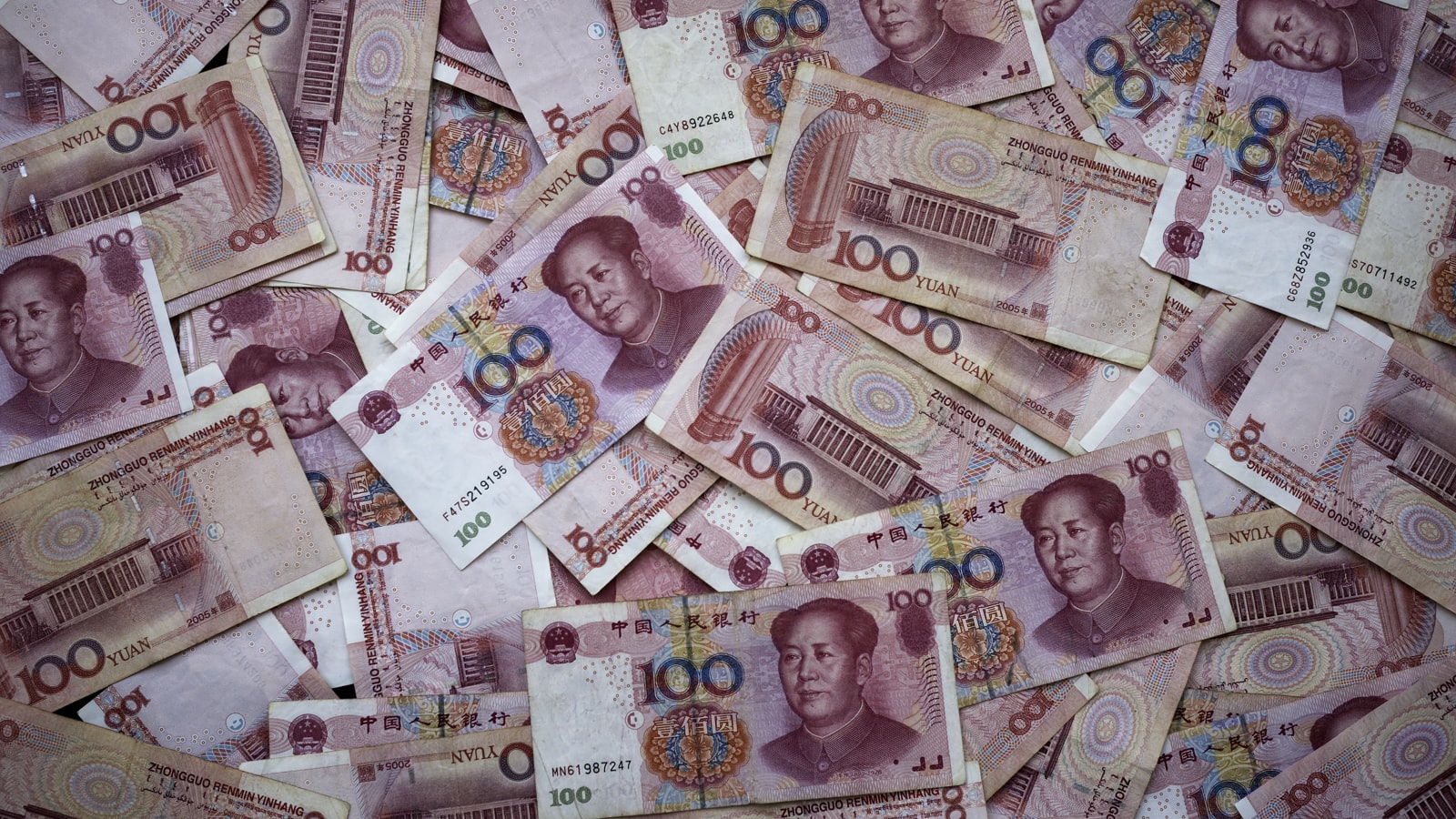
- Carry small bills. ¥10, ¥20 and ¥50 notes cover every tipping situation. ATMs and cash withdrawals are the easiest way to get them.
When tipping is actually a problem
There are a few situations where offering money can cause genuine confusion or discomfort:
- Everyday restaurants and street stalls. Staff may chase you to return the money, embarrassed that you overpaid.
- Government services, ticket windows, airports. Tips are not a thing here, and offering one can seem strange.
- Paying by QR code. Adding a few extra yuan on a mobile payment to tip is unusual and can be confusing; stick to cash if you want to tip.
- Low-cost transactions. Tipping 10% on a ¥15 noodle bowl is proportionally odd; keep tips small and situational.
Tipping and your payment setup
Because tipping is a cash activity in China, it’s one of the few times you’ll want actual banknotes on hand. This pairs well with the broader advice in our guide to paying in China: carry ¥200–500 in small notes as a backup to your phone, and you’ll have everything you need for both purchases and the occasional gratuity. Set up Alipay for the 95% of transactions and keep the cash for the rest.
A final word on service expectations
Chinese service culture is excellent — waiters, drivers and hotel staff are typically attentive and efficient — but they deliver that service because it’s their job, not because they’re angling for a tip. That’s a good thing. It means you can relax, pay exactly what’s asked, and reserve gratuities for the situations where they genuinely matter: a kind porter, a hardworking housekeeper, a great guide. Tipping a little where it counts — and not tipping where it isn’t expected — is exactly how a well-traveled guest behaves in China.
Last updated: August 2026. Tipping is never required in China and customs vary by region and venue — confirm local practice with your hotel or tour operator before you go.
Frequently Asked Questions
Is tipping expected in China?
No. China is broadly a no-tipping culture: restaurants, taxis, shops and most services don't expect a gratuity, and a service fee is already built into the bill at most places. That said, service-industry workers — especially hotel porters, housekeepers, and private tour guides and drivers — genuinely appreciate a small tip from tourists, since gratuities aren't part of their expected income.
Should I tip in Chinese restaurants?
Normally no. In everyday restaurants a tip isn't expected and staff may even try to give the money back. At upscale hotels and fine-dining restaurants, a 10–15% service charge is often added to the bill automatically, so check before adding anything. If service was exceptional and you want to show appreciation, a small cash tip — say ¥10–30 — is welcome but never required.
How much should I tip a tour guide or driver in China?
For a private guide and driver, a modest gratuity is a kind gesture: roughly ¥50–100 per day for a guide and ¥30–50 per day for a driver is a common benchmark among travelers, though it's entirely optional and amounts vary. For a group tour, ¥20–50 per person for the guide at the end is appreciated. Tipping isn't expected, so give what feels right.
How do I leave a tip if I want to?
The reliable way is to hand cash directly to the person with both hands and a smile, often saying thank you in Chinese — xiè xie (谢谢). Leaving money on a restaurant table often goes uncollected, because staff assume it's a mistake. In hotels, put the cash in a thank-you envelope or hand it to the porter directly. Avoid tipping through Alipay or WeChat unless the person is set up for it.
Do I need to tip hotel staff in China?
Not expected, but appreciated. Hotel porters who carry your bags, housekeeping who look after your room, and concierge staff who arrange bookings all welcome a small tip from international guests — roughly ¥10–20 per interaction or per day for housekeeping. It's genuinely optional; no one will be offended if you don't.
What about tipping in cash versus by phone?
Cash is the safest way to tip. China runs on QR payments, but tipping culture is thin, so most workers aren't set up to receive a 'tip' by phone and may not accept a transfer. If you want to tip, carry small bills — ¥10, ¥20 and ¥50 notes — and hand them over directly. Some luxury tour operators now allow tips to be added to the final bill or paid by Alipay, but cash remains the norm.