
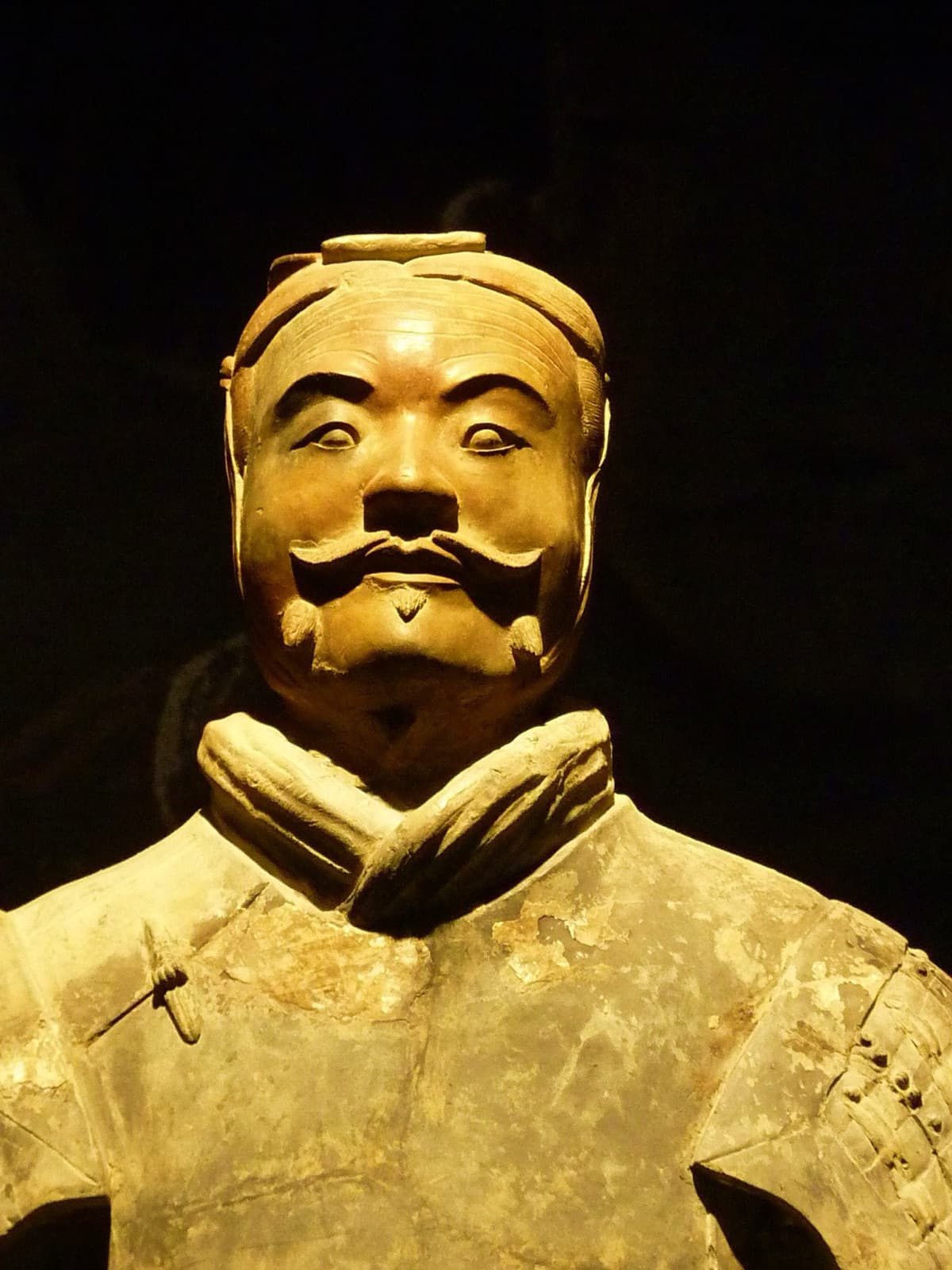
Xi'an Travel Guide (2026): The Terracotta Army & Top Sights
The essential Xi'an guide — the Terracotta Army, the City Wall and the Muslim Quarter, how many days you need and where to stay.
OpenStreetMap Google Maps (opens externally)
Xi’an is where China’s history gets dramatic — home of the Terracotta Army and the terminus of the ancient Silk Road.
It’s the second stop on the classic first-timer route after Beijing, and for many travelers the highlight of the whole trip. This guide covers what to see, how many days you need, and how to get here.
Overview
One of China’s four great ancient capitals, Xi’an was the empire’s heart for over a thousand years. Today it’s a lively, compact city built around its massive Ming-era City Wall, famous worldwide for the army of terracotta warriors buried with its first emperor.
How many days
2 days is the sweet spot: one for the Terracotta Army, one for the old city. Add a third if you love museums or food.
Suggested itinerary
A 2-day plan:
- Day 1 — Terracotta Army: the pits in the morning (go early), then back to the city for the City Wall — rent a bike and cycle it at sunset.
- Day 2 — Old Xi’an: the Muslim Quarter for breakfast and street food, the Bell & Drum Towers, then the Shaanxi History Museum if you want more depth.
A 3-day plan adds the Shaanxi History Museum in the morning and a relaxed second evening on the wall or in the Muslim Quarter, plus time to linger over food.
Have more time? Xi’an slots neatly into a Beijing–Xi’an–Shanghai route.
Best time to visit
- Spring (March–May) and autumn (September–October): comfortable and clear — best.
- Summer (June–August): hot, but the indoor museums and shaded wall walks help.
- Winter (November–February): cold and dry; fewer crowds, cheaper hotels.
Top sights, grouped by theme
The Terracotta Army
- Terracotta Army — the bucket-list site. Three pits of 8,000 life-size warriors, discovered in 1974. Book your entry time and go early. Budget at least half a day including travel.
The old city
- The City Wall — one of the best-preserved city walls in China. Rent a bike and cycle it at sunset — the views are superb.
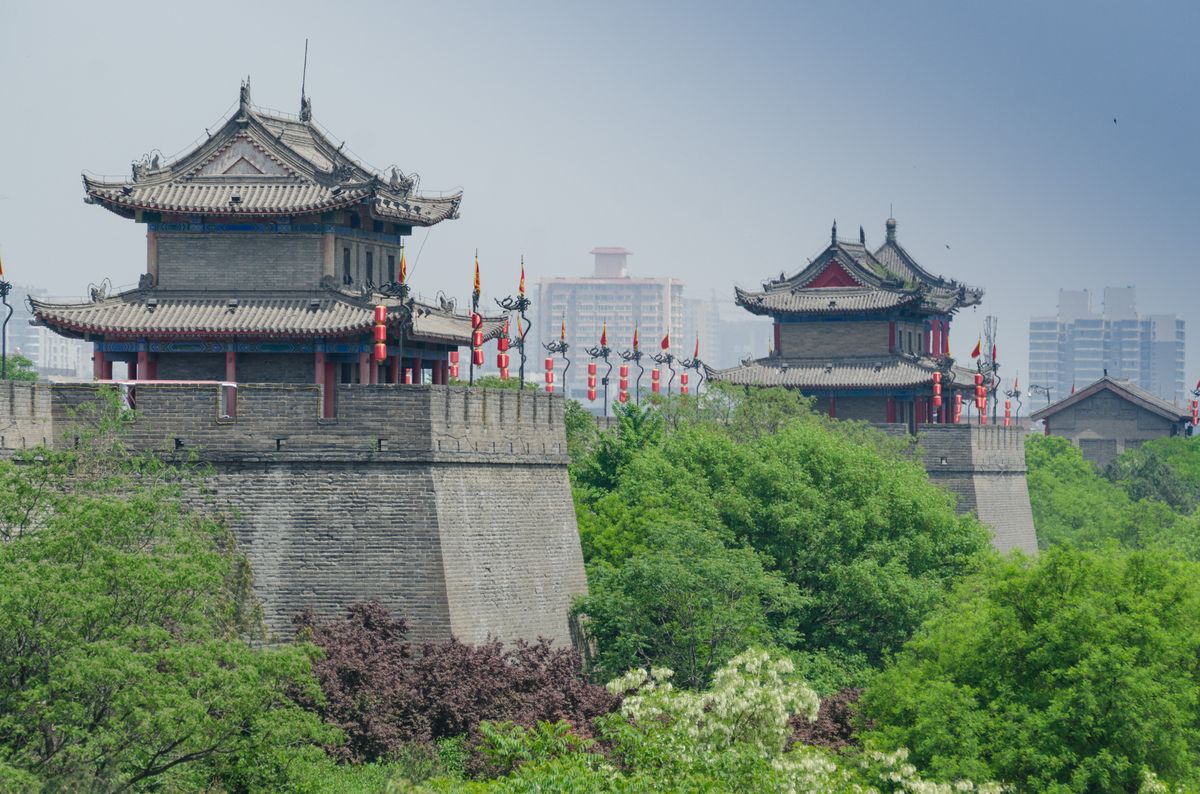
Xi’an’s Ming-era City Wall — cycle the 14 km circuit at sunset for the best views over the old town. 3. The Muslim Quarter — a foodie paradise of halal street food: lamb skewers, roujiamo (Chinese burgers) and biangbiang noodles.
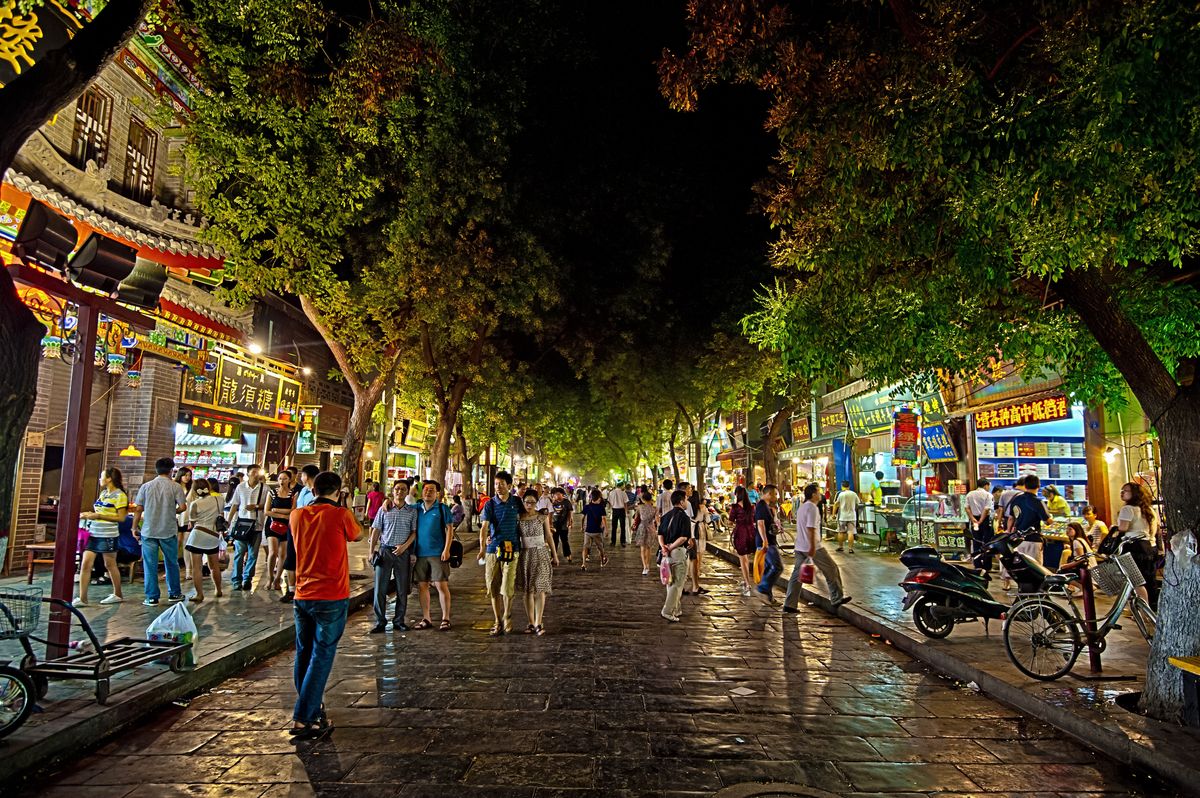
The Muslim Quarter’s food stalls — lamb skewers, roujiamo and biangbiang noodles — are one of China’s great street-food scenes. 4. Bell & Drum Towers — the historic heart of the city, with a great view from the Drum Tower’s terrace at dusk.
Tang-dynasty Xi’an
- Big Wild Goose Pagoda — a Tang-dynasty landmark with a beautiful evening fountain show.
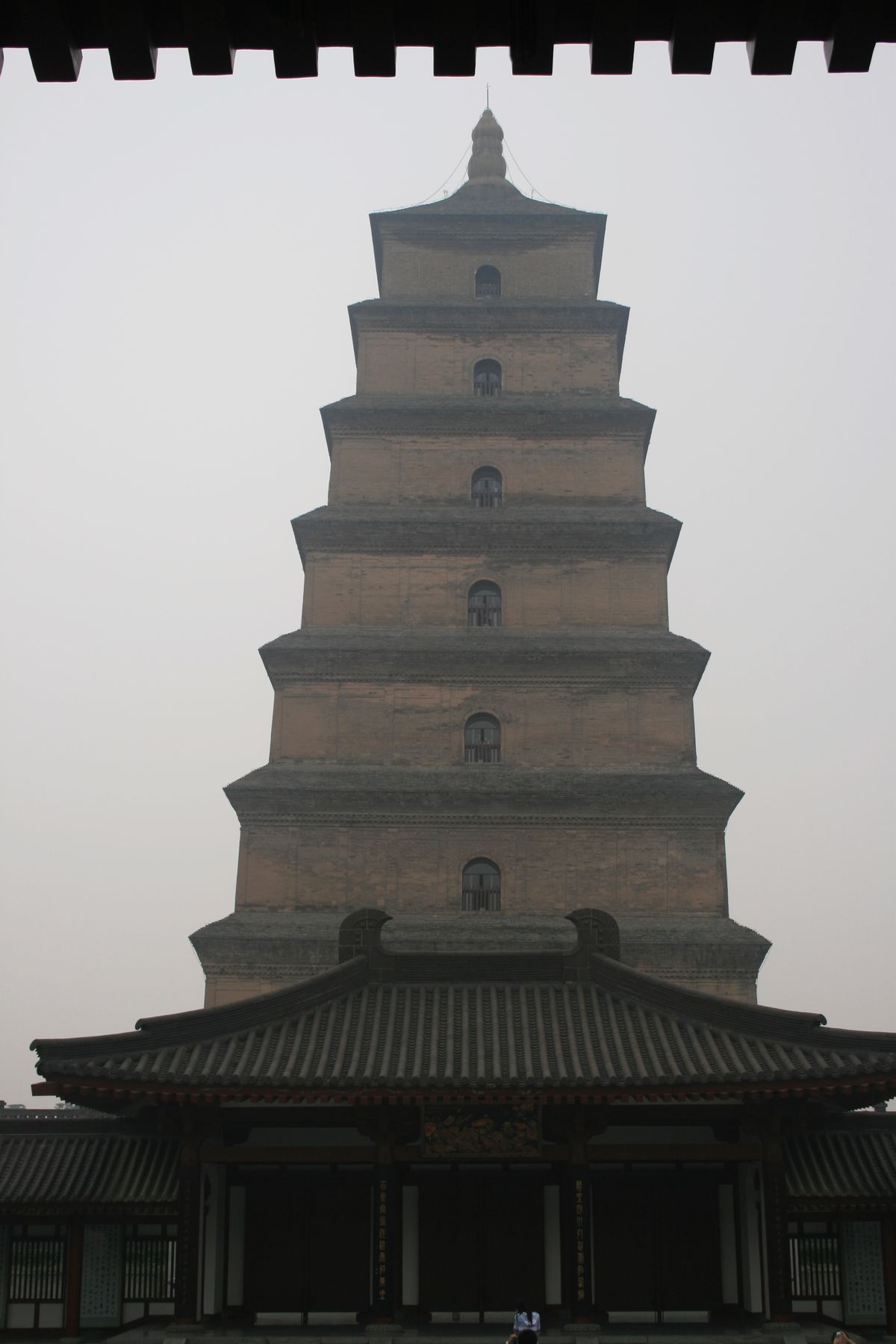
The Big Wild Goose Pagoda, the Tang-dynasty landmark at the heart of Xi’an’s modern south quarter. 6. Shaanxi History Museum — one of China’s best museums; reserve ahead (free but limited tickets).
Where to stay
- Inside the City Wall (Bell Tower / South Gate): the best base — walkable to the Muslim Quarter, the Drum Tower and the metro. Best for first-timers.
- Near the Big Wild Goose Pagoda: quieter, with its own restaurant and fountain-show area; a good pick if you want a calmer neighborhood.
- Near the high-speed rail station: convenient for arrival and departure days, though outside the old city.
Food & nightlife
- Roujiamo — the ‘Chinese hamburger’: shredded pork in a griddled bun. Try it from the famous stalls.
- Biangbiang noodles — wide hand-pulled noodles with chili oil; a Xi’an signature.
- Yangrou paomo — lamb stew into which you tear flatbread; a hearty local classic.
- The Muslim Quarter at night is the highlight — halal street food everywhere, so it’s a great stop for Muslim travelers.
- Beer & rooftop: a few bars line the wall and the Drum Tower area; the wall itself is lovely at night.
Budget
Xi’an is affordable by Chinese standards. Rough daily figures for planning (per person, CNY, and prices change):
- Accommodation: budget hotels and guesthouses from about ¥120–200/night inside the wall, mid-range ¥250–450.
- Attractions: the Terracotta Army is the big ticket (roughly ¥120–150); the City Wall bike hire is extra but modest; the Muslim Quarter is free to wander.
- Food: the Muslim Quarter’s street food is ¥10–30 a snack — a full day of grazing is cheap.
- Transport: the metro covers the old city; a taxi to the Terracotta Army is the main added cost.
Carry a little cash as backup, but pay by Alipay almost everywhere.
Getting there
- High-speed rail: from Beijing about 4.5–5h, from Chengdu about 3–4h, from Shanghai about 6h. Book with your passport — see our train guide.
- Flights: Xi’an Xianyang (XIY) serves major domestic routes and some international flights.
Getting around
- Within the wall: walk, cycle, or use the metro — it’s compact.
- To the Terracotta Army: tourist bus, Didi, or a hired driver for the day.
- Metro: covers the main sights and the rail station.
Day trips & nearby
The standout excursion from Xi’an is Mount Hua (Huashan), the dramatic five-peak mountain about 1.5 hours east by rail — famous for its plank walks and as a full-day challenge for hikers. Huashan aside, the city itself holds most of the region’s big draws. To the west, the Terracotta Army site sits about 40 minutes out and can be combined with a visit to the nearby Huaqing Pool hot springs on the same day. Xi’an also anchors the classic Silk Road route heading west toward Dunhuang.
The Terracotta Army, explained
The site’s three pits are worth knowing before you go. Pit 1 is the showpiece: ranks upon ranks of warriors in battle formation, the view that’s on every postcard. Pit 2 holds the mixed military units — archers, chariots and cavalry — and many of the site’s most detailed figures. Pit 3 is the command center, small but with the highest-ranking officers. The museum also displays the famous bronze chariots, exquisite 2,200-year-old models. Allow 2–3 hours on site: the pits are in huge sheds, and the walk between them plus the museum is longer than most visitors expect. Go straight to the pits in the morning and save the museum for when the tour groups move on.
A good rhythm for Xi’an
Xi’an works best with a clear plan. Book the Terracotta Army for the first morning slot and go straight there — by mid-morning the tour groups fill the pits. Spend the hottest hours in the shaded museums or the Muslim Quarter, and keep the City Wall for the late afternoon, when the light is golden and the bike ride is at its best. The old town is compact, so a 2-day rhythm of “site in the morning, wall at sunset, Muslim Quarter at night” fits together naturally.
Practical tips
- Terracotta Army timing: arrive at opening time on a weekday to beat the crowds.
- Food: the Muslim Quarter at night is a must; be ready to pay in small amounts — set up Alipay first.
- Comfort: flat shoes — you’ll walk a lot (the wall bike ride alone is ~14km).
- Connectivity: plan your VPN or eSIM before you land.
Where to go next
Xi’an connects perfectly to the classic triangle: after Beijing, take the rail here, then continue to Chengdu (for pandas) or Shanghai. It also pairs naturally with a Guilin stop for landscape contrasts.
Xi’an: capital for a thousand years
A little context makes the city dramatically richer. Xi’an — called Chang’an in the imperial era — served as the capital of China for more than a thousand years across thirteen dynasties, reaching its peak as the eastern terminus of the Silk Road during the Tang dynasty (618–907). At its height it was one of the largest cities in the world, a cosmopolitan crossroads where Chinese, Central Asian, Persian and Arab merchants, monks and envoys mixed. That history explains two things you’ll notice. First, the city’s grid layout, which the Ming-era City Wall still traces, descends directly from the Tang plan. Second, the Muslim Quarter — its community descends from the Arab and Persian traders who settled in the Tang capital over a thousand years ago, making it one of China’s oldest continuous Muslim communities. Walking the old city with the Silk Road in mind turns the sights from monuments into the story of the world’s great medieval trading network.
The Muslim Quarter and the food culture, in depth
The Muslim Quarter is the heart of Xi’an’s food scene, and it rewards going beyond the main tourist lane. The signature dishes are all halal and all local: roujiamo (slow-braised meat in a griddled bun, often called China’s hamburger), biangbiang noodles (thick hand-pulled belts of noodle in chili oil), yangrou paomo (a lamb stew into which you tear pieces of flatbread yourself — the tearing is part of the ritual), and lamb skewers grilled over charcoal. At night the quarter fills with stalls, smoke and queues; follow the crowds to the longest lines. One note for first-timers: the food is spicy, so ask for “bu la” (not spicy) if you need it, and bring napkins. If you want a sit-down version of the street food, the restaurants along the back streets of the quarter serve the same dishes with more comfort.
Practical details for the Terracotta Army
The bucket-list site is about 40 minutes east of central Xi’an, and a few practicalities make it smooth. Getting there: the direct tourist bus from near the Xi’an railway station is the cheap option (about 1–1.5 hours with stops); a Didi or taxi is faster and more comfortable; a private driver for a half day is another common choice. Timing: book the first entry slot and arrive at opening — by mid-morning the pits are packed with tour groups. On site: allow 2–3 hours; the three pits and the museum are in large sheds with a fair amount of walking between them. Tickets: entry is roughly ¥120–150, with timed slots booked in advance under your passport. For the full story on the pits and the site’s layout, see our Terracotta Army guide.
Last updated: August 2026. Attraction prices and hours change — confirm before you go.
Frequently Asked Questions
How many days should I spend in Xi'an?
Two days covers it well: one day for the Terracotta Army (half an hour outside town), and one for the City Wall, Muslim Quarter and Big Wild Goose Pagoda. With three days you can add the Shaanxi History Museum and take it slower.
How do I get to the Terracotta Army from central Xi'an?
Take a direct tourist bus from near the Xi'an railway station (about 1–1.5 hours each way), or use Didi/taxi (more comfortable, ~1 hour). Allow a full morning or afternoon. Go early on weekdays to beat the tour groups.
Is Xi'an safe and easy for a first-time China visitor?
Very. Xi'an is tourist-friendly, compact around the walled old city, and easy to navigate by taxi, bus or bike. English is common in the tourist core. It's also one of China's food capitals — the Muslim Quarter alone is worth the trip.
How far is Xi'an from Beijing or Chengdu?
By high-speed rail, about 4.5–5 hours from Beijing and 3–4 hours from Chengdu. Xi'an slots neatly into the classic Beijing–Xi'an–Shanghai or Chengdu–Xi'an loop. Book train tickets in advance with your passport — see our [train guide](https://chinotrips.com/how-to/train-tickets/).
Do I need a visa for Xi'an?
Same rules as the rest of mainland China: citizens of 50 countries are visa-free for 30 days, and the 240-hour transit scheme covers others including US citizens. Check the [visa-free list](https://chinotrips.com/visa/visa-free-countries/) for your passport.
Where should I stay in Xi'an?
Inside the City Wall is the best base — the area around the Bell Tower and the south gate puts you within walking distance of the Muslim Quarter, the Drum Tower and the metro. Near the North Square of the Big Wild Goose Pagoda is a good quieter alternative with restaurants and a night fountain show.
What should I eat in Xi'an?
Roujiamo (the 'Chinese hamburger' — shredded pork in a griddled bun), biangbiang noodles, yangrou paomo (lamb stew with torn bread) and lamb skewers. The Muslim Quarter at night is the place to try them all. Halal food is everywhere here, so it's a great stop for Muslim travelers.
More in Shaanxi
Shaanxi Travel Guide (2026) — Shaanxi travel guide