
Zhangjiajie Guide (2026): Avatar Mountains & Glass Bridge
Zhangjiajie guide — Avatar's Hallelujah Mountain, Yuanjiajie, Tianzi Mountain, Bailong Elevator and glass bridge, and how to get from Changsha or Guilin.
OpenStreetMap Google Maps (opens externally)
Zhangjiajie is where China’s landscape goes vertical — more than 3,000 sandstone pillars rising out of a misty valley, including the mountain that inspired Avatar.
This guide covers the essentials: the must-see sights in Zhangjiajie National Forest Park, a realistic 2–3 day plan, how to get here from Changsha or Guilin, and the practical questions international visitors always ask.
Overview
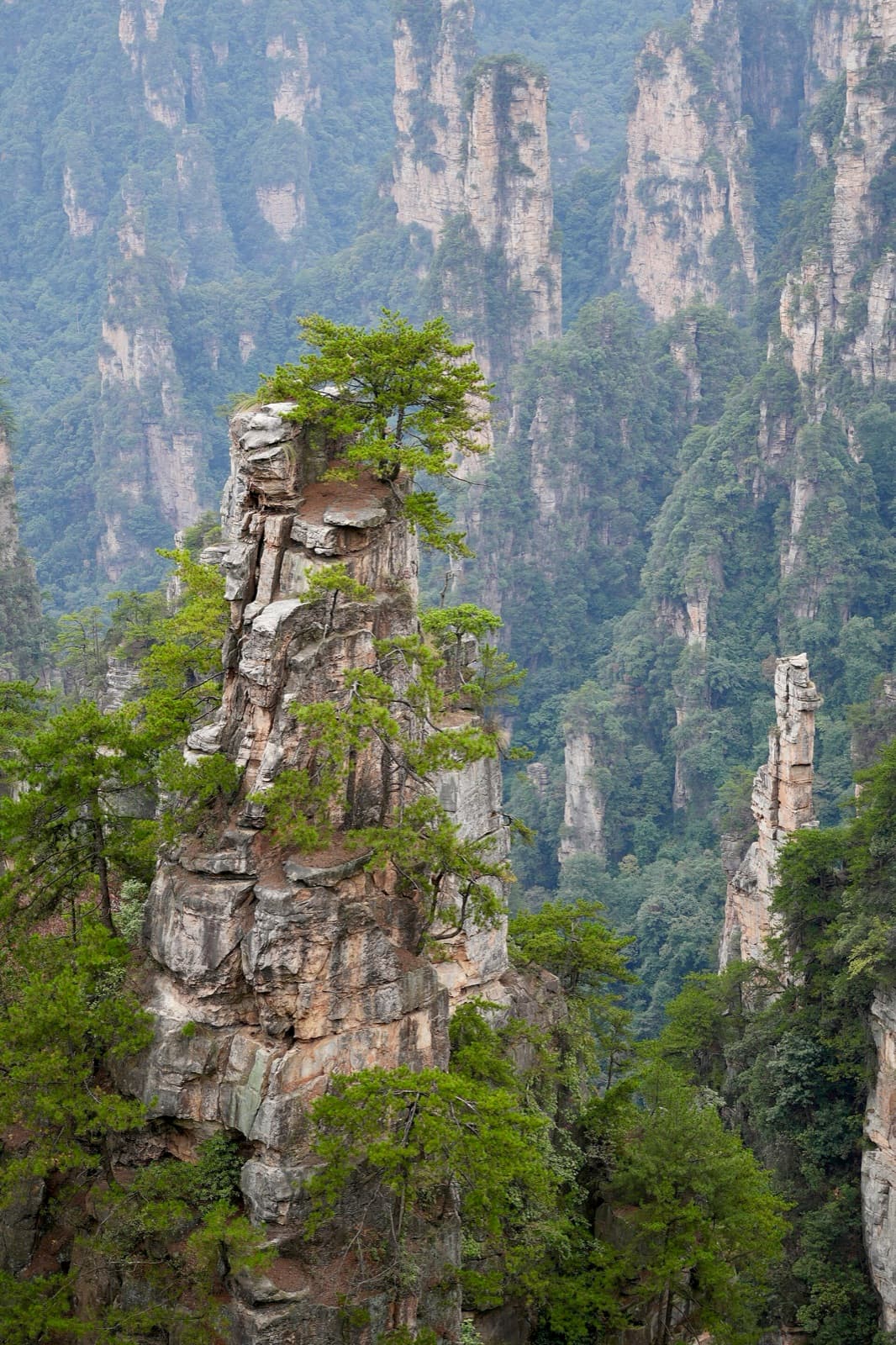
Zhangjiajie, in the northwest of Hunan province, is the heart of the Wulingyuan Scenic Area, a UNESCO World Heritage Site since 1992. The landscape is unlike anywhere else in China: hundreds of quartz-sandstone pillars rise up to a couple of hundred meters out of dense forest, their flat tops capped with pine trees and their flanks wrapped in cloud. The area became a global name after James Cameron’s Avatar, whose floating “Hallelujah Mountains” were visually inspired by the pillar locals call the Hallelujah Mountain (南天一柱, “Southern Sky Column”) in Yuanjiajie.
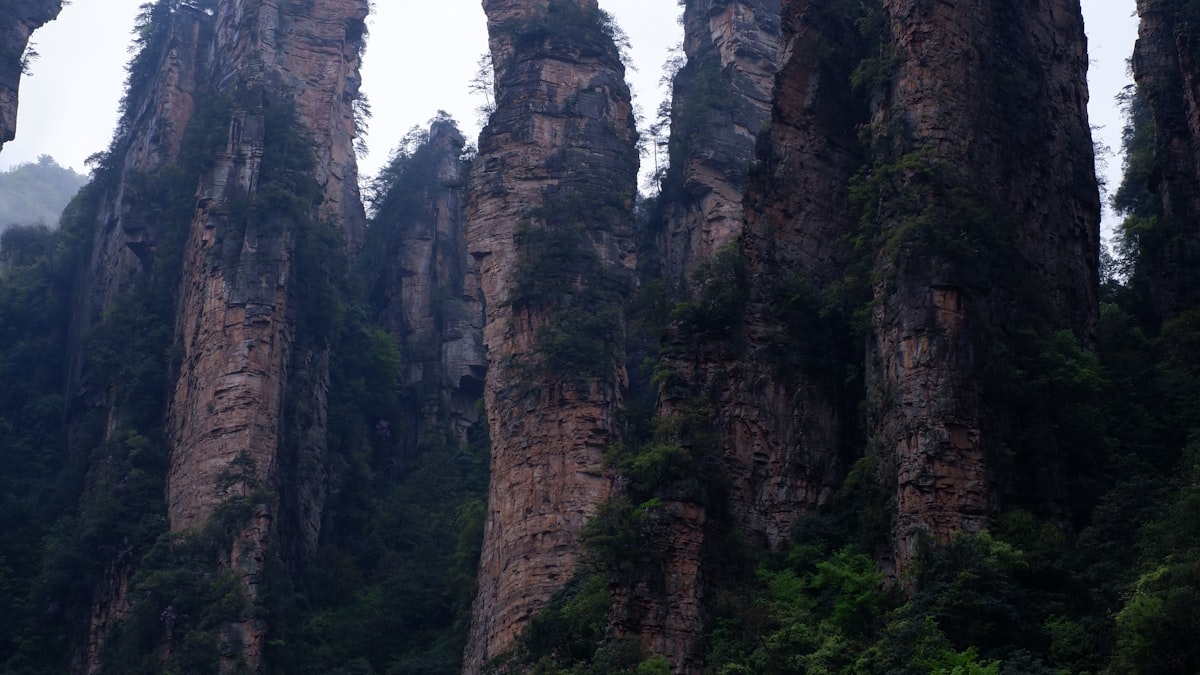
The towering sandstone pillars of Wulingyuan rise out of dense forest — the landscape that inspired the floating mountains of Avatar.
The park is a national forest park within a much larger protected area, so expect real nature: macaque monkeys, deep gorges, waterfalls and, on lucky days, a sea of clouds rolling at your feet.
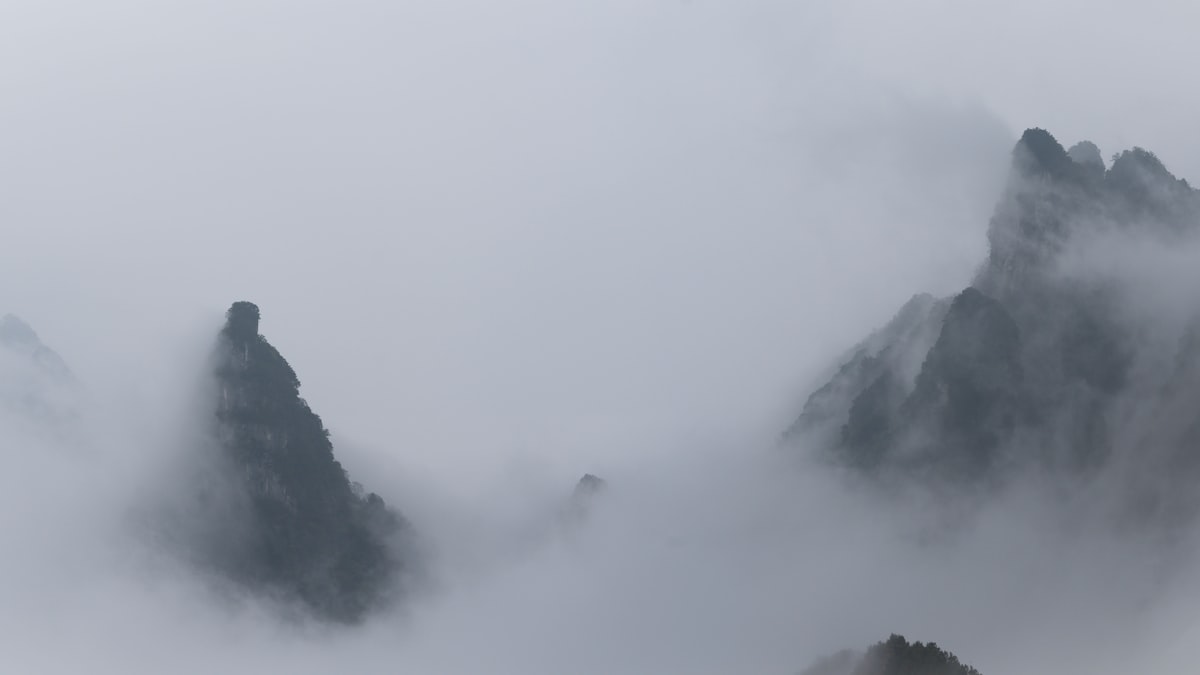
Tianzi Mountain’s viewpoints rise above the mist — the highest in the park and the classic spot for the rolling sea of clouds.
How many days
2–3 days in the Wulingyuan area is right. A workable plan:
- Day 1 — Yuanjiajie: take the Bailong Elevator up the cliff, walk the mountaintop loop to the Hallelujah Mountain viewpoint, then the short skywalk between platforms.
- Day 2 — Tianzi Mountain & Golden Whip Stream: cable car up Tianzi Mountain in the morning, then the flat, shady walk along Golden Whip Stream back to the base.
- Day 3 (optional): the Zhangjiajie Grand Canyon glass bridge early in the morning, then Tianmen Mountain — a separate area famous for its cable car and cliffside glass skywalk — if you still have energy.
Suggested itinerary
A 2-day plan:
- Day 1 — Yuanjiajie: the Bailong Elevator up the cliff, the mountaintop loop to the Hallelujah Mountain viewpoint, then the Tianzi Mountain cable car and its viewpoints.
- Day 2 — The valley & the glass bridge: Golden Whip Stream on foot in the morning, then the Zhangjiajie Grand Canyon glass bridge in the afternoon.
Have more time? Add Tianmen Mountain (the glass walkway and 99 bends) for a third day. If you’re deciding between here and Guilin, see our Guilin vs Zhangjiajie comparison.
Best time to visit
- Spring (April–June): lush and green, with the best chance of morning mist and cloud seas.
- Autumn (September–November): the sweet spot — clear skies, comfortable temperatures and fewer crowds outside the October holiday.
- Summer (July–August): hot, humid and often rainy; beautiful but packed, and national holidays are best avoided.
- Winter (December–February): cold and sometimes snowy; quiet, but some trails and the glass bridge may be closed.
Top sights
- Yuanjiajie & the Hallelujah Mountain — the Avatar view. From the main platform you look straight out at the pillar that helped inspire the film; come early for the lightest crowds.
- Bailong Elevator — a 326-meter outdoor glass elevator built onto the cliff face. It’s a spectacle in its own right and the fastest way up and down the canyon wall.
- Tianzi Mountain — the highest viewpoints in the park, reached by cable car; the Imperial Brush Peak terraces are the classic photo spot.
- Golden Whip Stream — the easiest and loveliest walk in the park, following the stream along the valley floor between the pillars.
- Zhangjiajie Grand Canyon glass bridge — a transparent bridge about 430 meters long, suspended roughly 300 meters above the canyon floor. Genuinely thrilling; go before 9am.
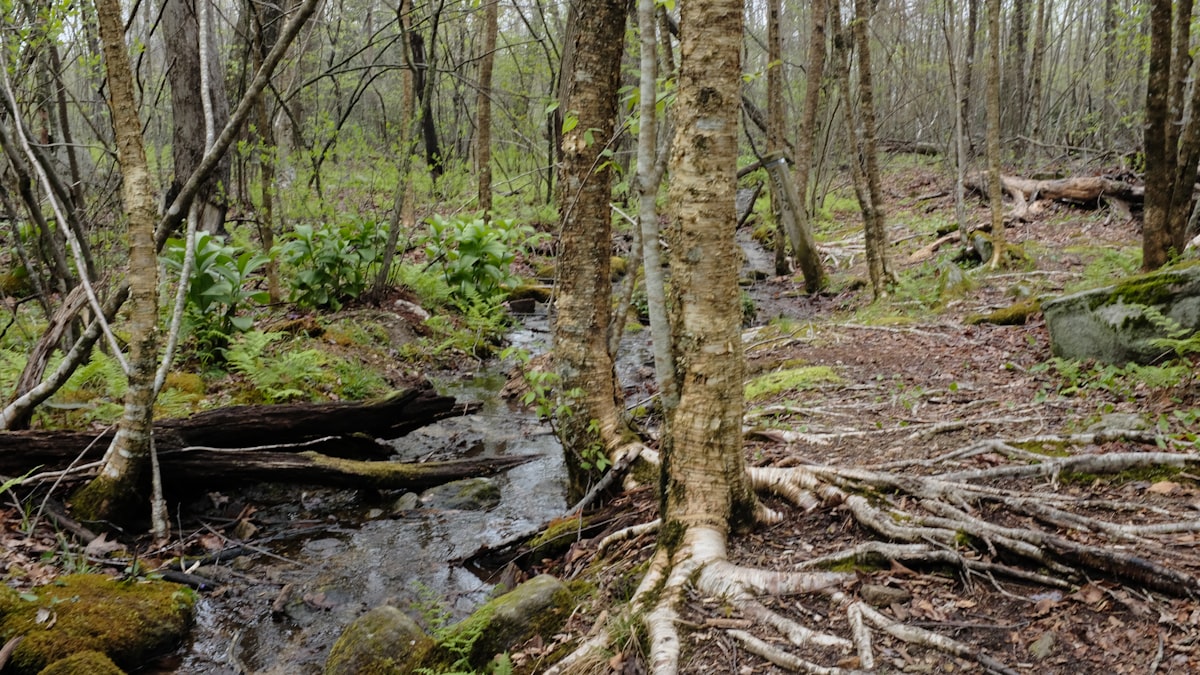
Golden Whip Stream follows the valley floor between the pillars — the park’s easiest and loveliest walk.
Getting there
- From Changsha: high-speed rail to Zhangjiajie West station in about 3 hours — the easiest route.
- From Guilin: there’s no quick direct train; fly (about 1.5 hours) or take a connecting train via Changsha.
- By air: Zhangjiajie Hehua International Airport (DYG) has domestic flights from Shanghai, Beijing, Guangzhou and other hubs.
- Book all trains with your passport — see our train ticket guide.
Getting around
- Park entrances: Wulingyuan has several gates; the main ones are at Wulingyuan town and the Forest Park gate. Free shuttle buses connect the main areas inside the park.
- Cable cars & the elevator: the Bailong Elevator, the Tianzi cable car and other lifts are separate tickets on top of park entry — book online or through your hotel.
- Local transport: taxis and Didi cover the hotels and gates around Wulingyuan town, and most hotels arrange early transfers to the park.
Why the pillars look the way they do
The landscape of Wulingyuan is the product of hundreds of millions of years of geology, and a little background makes the views far more striking. Around 300 million years ago, the area lay under a shallow sea, and layers of quartzite, sandstone and limestone accumulated on the seabed. Uplift later raised the region into a plateau, and then erosion went to work. The key to the strange towers is the rock itself: quartz sandstone is hard and resistant, so where softer surrounding rock wore away, the harder cores were left standing as isolated pillars.
Water is the sculptor. Joints and cracks in the rock were widened by rain and streams into deep gorges, separating the landscape into the columns you see today. Some pillars rise more than 200 meters from the valley floor, capped with pine trees that cling to the thin soil of their flat tops. The “sea of clouds” is a weather phenomenon rather than geology, but it completes the effect — moist air from the gorges condenses into clouds that pool around the pillars, which is why the area looks different on every visit.
A realistic budget
Zhangjiajie is a mid-range destination by Chinese standards; the biggest costs are transport and the stack of park tickets.
- Getting there: the high-speed train from Changsha runs roughly ¥150–250 in second class; flights from major hubs cost ¥500–1,200 depending on season and booking timing.
- Park entry: the Wulingyuan scenic area ticket is around ¥200–250 for a multi-day pass (prices change and are confirmed at the site); the Bailong Elevator, cable cars and the glass bridge are separate tickets of roughly ¥50–100 each.
- Hotels: ¥150–400 per night in Wulingyuan town or the nearby hotel district; budget guesthouses are cheaper.
- Food: ¥40–80 per day is realistic at local restaurants; the town is full of Hunan kitchens.
- Tours and extras: a private guide for a day runs about ¥400–800; a shared tour to Tianmen Mountain or the Grand Canyon is less.
Common mistakes to avoid
- Skipping advance booking for tickets. Park entry and the elevator/cable cars use real-name registration with your passport and sell out on holidays — book online or through your hotel.
- Trying to see everything in one day. The park is huge; two days at least lets you cover Yuanjiajie and Tianzi Mountain without rushing the Golden Whip Stream.
- Ignoring the weather forecast. Rain and mist can close the glass bridge and hide the views; if the summit is socked in, the valley walks are still lovely.
- Feeding the monkeys. The macaques are fearless thieves — keep snacks out of sight and hold your bag.
- Wearing the wrong shoes. Trails are steep, slippery stone and wood; trainers with grip beat any other choice.
- Relying on walk-up tickets at the gates. During Chinese holidays, the park’s daily quota fills before midday — this is the one place on the itinerary where “book first” is not optional.
Where to stay
Most visitors base themselves in Wulingyuan town at the park’s main gate, where hotels, restaurants and shuttle connections cluster; the newer hotel district a few minutes’ drive away is quieter and often cheaper. Choose a hotel that arranges early transfers to the gates — a dawn start is the difference between empty viewpoints and tour-bus crowds.
Getting from the station to the park
The high-speed rail station and the airport both sit a fair distance from Wulingyuan town, so plan the last leg. From Zhangjiajie West station, a taxi or hotel shuttle takes 30–60 minutes to the main gate area; the airport is closer to town but still needs a car. If you arrive late, base yourself in Wulingyuan town rather than trying to reach the park the same evening — the gates and shuttle buses run on a daytime schedule, and a dawn start the next morning is far better than a rushed dusk arrival.
Practical tips
- Book ahead: park tickets and elevator/cable-car tickets use real-name registration with your passport and sell out on holidays. Book online or via your hotel.
- Dress for two climates: the mountaintop runs noticeably cooler than the foothills, and rain arrives fast — pack a light rain jacket and shoes with grip.
- Money: set up Alipay before you arrive; it’s the easiest way to pay for tickets, shuttles and street food — see our payments guide.
- Watch the monkeys: macaques steal snacks, so keep food out of sight.
Where to go next
Zhangjiajie is a natural fit with Guilin and Yangshuo for a landscape-focused loop through southern China, or head west to Chengdu for pandas and Sichuan food. From Changsha, the classic route north to Xi’an and Beijing also makes sense.
Last updated: August 2026. Ticket prices, elevator and glass-bridge hours change — confirm before you go.
Frequently Asked Questions
How many days should I spend in Zhangjiajie?
Plan 2–3 days in the Wulingyuan Scenic Area itself: a day each for Yuanjiajie, Tianzi Mountain and the Golden Whip Stream, plus a separate morning for the glass bridge at the Grand Canyon. If you also want Tianmen Mountain, add another half or full day.
Is the glass bridge as scary as it looks?
The Zhangjiajie Grand Canyon glass bridge is about 430 meters long and suspended roughly 300 meters above the canyon floor — yes, it's a genuine adrenaline moment, and the floor is fully transparent. Go early in the morning to beat the queues, and note that it closes in bad weather and sometimes for maintenance.
How do I get from Changsha or Guilin to Zhangjiajie?
From Changsha, take the high-speed train — around 3 hours to Zhangjiajie West station. From Guilin, there's no quick direct train, so fly (about 1.5 hours) or take a connecting train via Changsha. Book rail tickets in advance with your passport — see our [train guide](https://chinotrips.com/how-to/train-tickets/).
Do I need a visa to visit Zhangjiajie?
Same rules as the rest of mainland China: citizens of 50 countries can enter visa-free for up to 30 days, and US citizens can use the 240-hour transit scheme for short trips. Check the [visa-free list](https://chinotrips.com/visa/visa-free-countries/) for your passport.
When is the best time to see the sea of clouds?
Early morning after rain, especially in spring and autumn, gives the best chance of misty peaks and the famous rolling cloud sea. It's weather luck — a rainy forecast isn't a reason to cancel, but do bring waterproofs.
More in Hunan
Hunan Travel Guide (2026) — Hunan travel guide