
Autumn Yunnan Itinerary: Kunming, Dali, Lijiang & Shangri-La
Autumn is Yunnan's golden season — rice terraces, clear highland skies and snow mountains, plus a 7-10 day Kunming-Dali-Lijiang-Shangri-La itinerary.
Yunnan’s rainy season ends around October, and the highlands turn clear, golden and crisp — the province’s best window. Here’s a 7-10 day autumn itinerary from Kunming to Shangri-La.
Yunnan is mild almost year-round, but autumn is the season that earns the clichés: 天高云淡 (high skies, thin clouds), golden rice terraces, snow mountains standing out against dry blue air, and dinner tables loaded with wild mushrooms. The summer rains have stopped, the National Day crowds have thinned, and the light is clear enough to photograph everything. This itinerary follows the classic highland line — Kunming, Dali, Lijiang, Shangri-La — timed for the autumn window.
Why autumn is Yunnan’s best season
- The rains stop. Yunnan’s wet season runs June to September. By October the highlands are dry and the skies open up — this is the single biggest difference from summer.
- The snow mountains appear. Clouded for much of the wet season, Jade Dragon and Meili Snow Mountain stand clear against the autumn sky from October on.
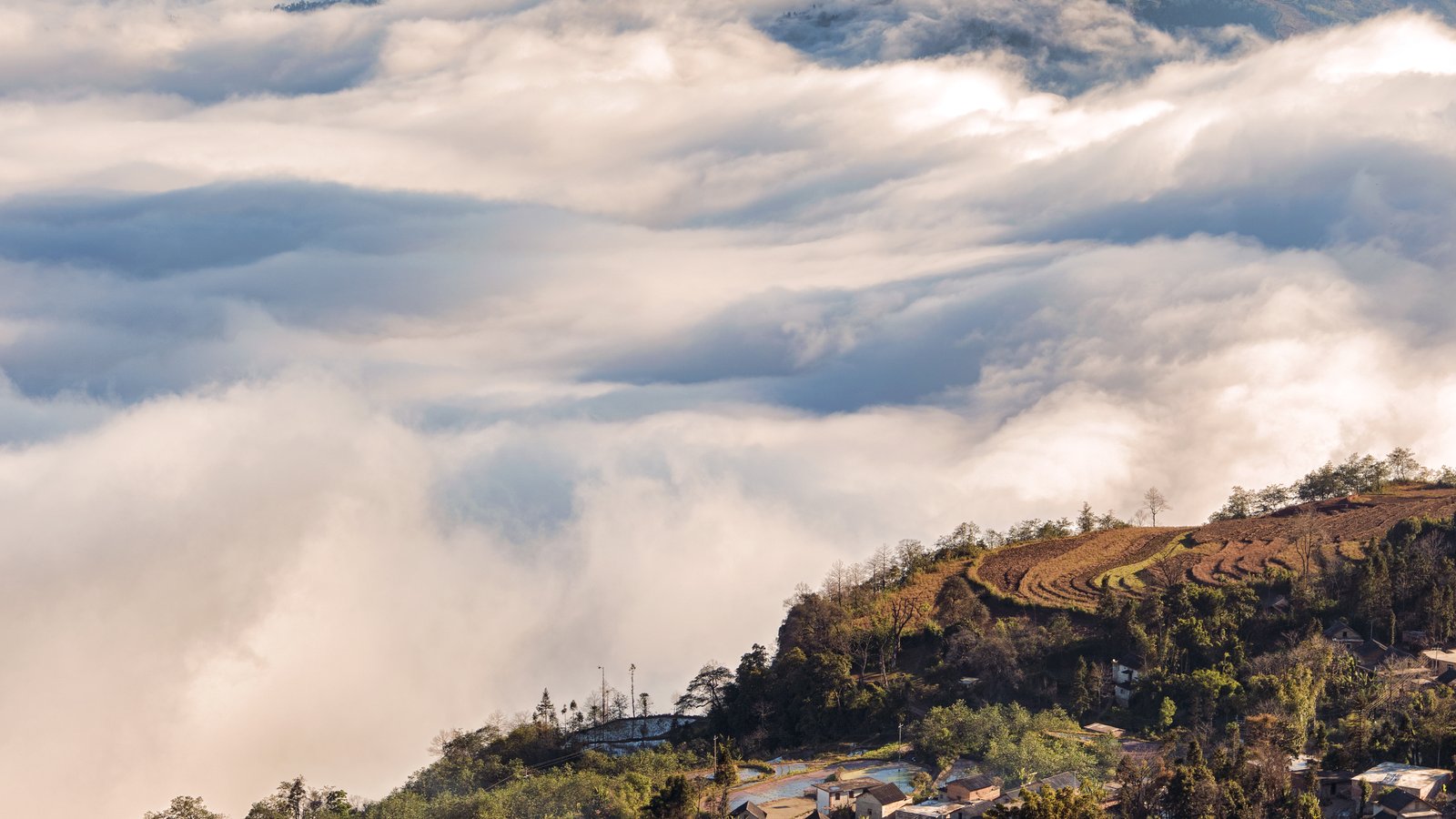
- The terraces turn. The Hani rice terraces at Yuanyang hit their golden, pre-harvest and post-harvest window from October to November, and the flooded terraces reflect the sky through the winter.
- Mushroom season. The famous Yunnan wild-mushroom season — matsutake, porcini and dozens more — peaks from August into October. You arrive right at its tail.
- Comfortable temperatures. Days are warm enough for outdoor exploring and nights are crisp. See our autumn travel in China guide for how this compares with the rest of the country.
The one crowd to dodge is National Day (October 1-7). Bookings spike and prices double that week. If your dates are flexible, aim for after October 7, or early in September, when the rains have mostly stopped and the color is building.
The route at a glance
| Stop | Days | The autumn draw |
|---|---|---|
| Kunming | 2 | Mild “spring city,” mushroom markets, Green Lake |
| Dali | 2 | Erhai Lake in clear light, Cangshan, Bai old town |
| Lijiang | 2-3 | UNESCO old town, Jade Dragon Snow Mountain |
| Shangri-La | 2-3 | Tibetan highlands, Songzanlin, Meili Snow Mountain |
The rail line and short flights tie it together, so the pacing is gentle. This is the same spine as the classic Yunnan route, but retimed for autumn and pushed all the way to Shangri-La. If you came in summer instead, see the summer Yunnan itinerary for how the two seasons differ.
Getting between the stops
- Kunming → Dali: high-speed rail, about 2 hours, frequent departures.
- Dali → Lijiang: high-speed rail, about 1.5-2 hours.
- Lijiang → Shangri-La: the railway opened in late 2023 — about 1.5-2 hours by train, or roughly an hour by flight from Lijiang Airport to Diqing Airport.
- Fly out: Lijiang and Shangri-La both have airports, so you can loop rather than backtrack to Kunming.
Book train tickets with your passport via Trip.com or the official 12306 app, and buy them a few days ahead in October. The trains are comfortable and the stations are close to the towns — the old towns themselves are pedestrian zones, so plan to walk or take a short taxi from the station.
Kunming (2 days)
Kunming sits at 1,900m and earns its nickname, the “spring city,” in autumn: expect days around 15-20°C and thin, clear air.
Autumn must-sees:
- Green Lake Park (Cuihu): the willow-lined lake at the center of the old town. The autumn plane trees turn gold, and the morning tai chi and singing crowds are a free show.
- The flower markets: the Dounan flower market outside the city is the biggest in Asia, but the central Flower and Bird Market is easier and still colorful.
- The mushroom restaurants: autumn is the moment to order a wild-mushroom hotpot or a mixed mushroom stir-fry. Ask the restaurant to cook the mushrooms fully — local chefs are strict about this for a reason.
- Dianchi Lake: the big lake south of the city, good for a sunset walk or the cable car up the Western Hills for the panorama.
Optional full-day trip: the Stone Forest (Shilin), about 90 minutes each way by bus or train. It’s a striking karst forest of limestone pillars, but it eats a whole day. If you’re heading to Guilin’s karst later, you can skip it — see the Yunnan travel guide for the trade-off.
Dali (2 days)
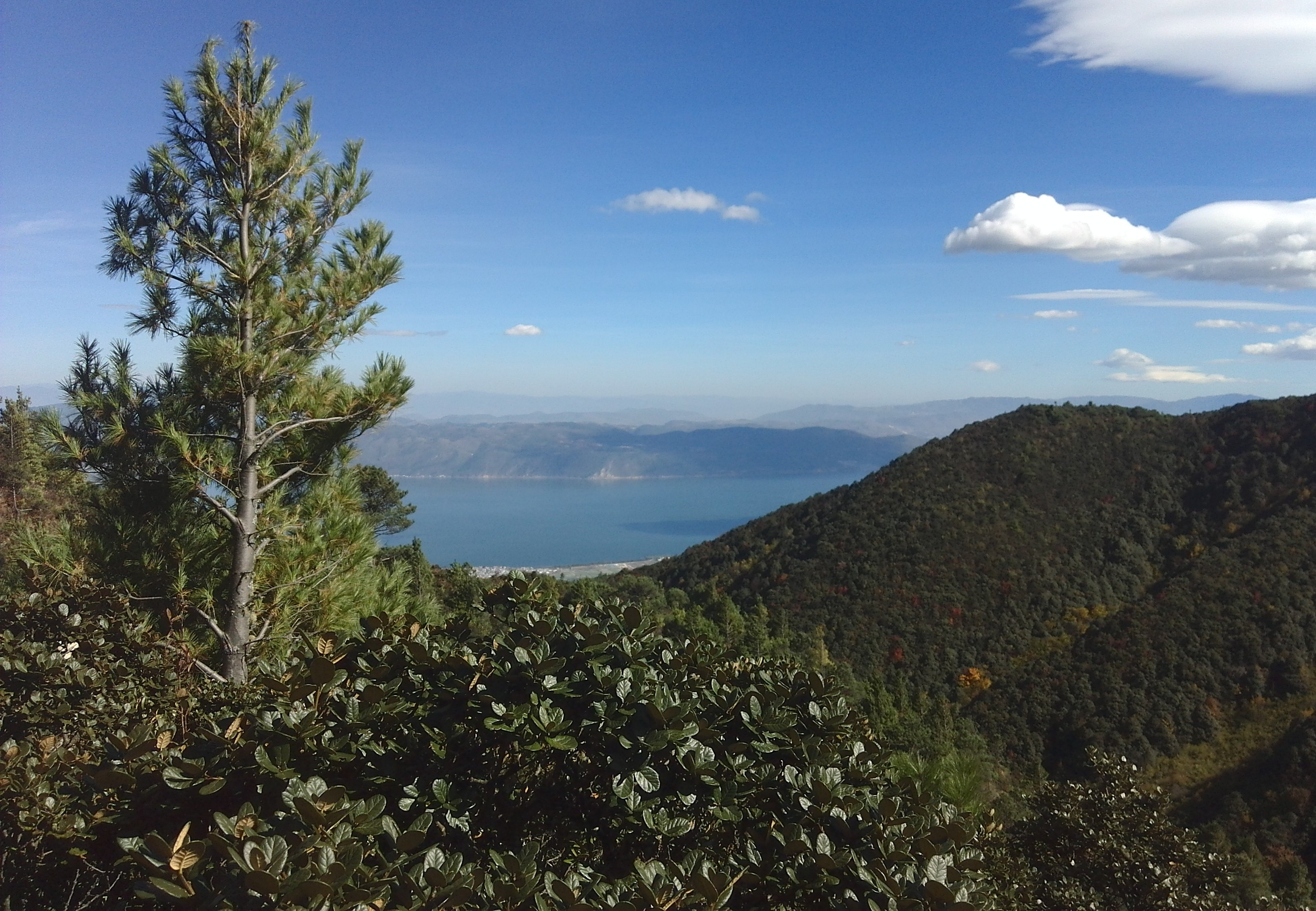
Dali, at about 2,000m, is the Bai people’s country: white-walled houses, the Cangshan range on one side and Erhai Lake on the other. Autumn gives the clearest views of the mountains over the lake.
Autumn must-sees:
- Erhai Lake by bike or e-bike: the west shore road from Dali old town up through Xizhou and the villages is the classic ride, about 40km of flat, easy riding. In autumn the water is calm and the light is clear — the whole lake feels bigger.
- Dali Old Town at dawn and dusk: the town is transformed by crowds from mid-morning, so walk the lanes and the gate towers early or late. The view up to Cangshan is at its sharpest in the dry autumn air.
- The Three Pagodas: the Tang-era pagodas of the Chongsheng Temple, framed by Cangshan — the classic Dali photograph.
- Cangshan cable car: the panorama over Erhai and the plain is one of the region’s best. Buy the ticket ahead on a clear day; if the mountain is clouded, do the lake instead.
The Dali travel guide has the full town-by-town detail. Two days covers the essentials; a third lets you explore the lake’s far shore or the nearby ancient towns.
Lijiang (2-3 days)
Lijiang, at 2,400m, is the Naxi people’s old town and a UNESCO World Heritage Site. The altitude starts to be noticeable here — go slow on day one.
Autumn must-sees:
- Dayan Old Town at first light: the canals, stone lanes and the sound of the jade water running through the town are at their best before the tour groups arrive. The plane trees along the water turn gold in November.
- Jade Dragon Snow Mountain (Yulong Xueshan): the massif towers over the town at about 5,600m. Take the glacier cable car early — it’s real-name, capped and sells out in autumn. If it’s booked, Blue Moon Valley and the lower meadows are still worth the trip.
- Shuhe and Baisha: the quieter satellite towns, ten to twenty minutes away. Baisha holds the famous Ming-dynasty frescoes and the village atmosphere Dayan has lost.
- Black Dragon Pool: the classic reflection shot of the snow mountain over the pool, ten minutes from the old town.
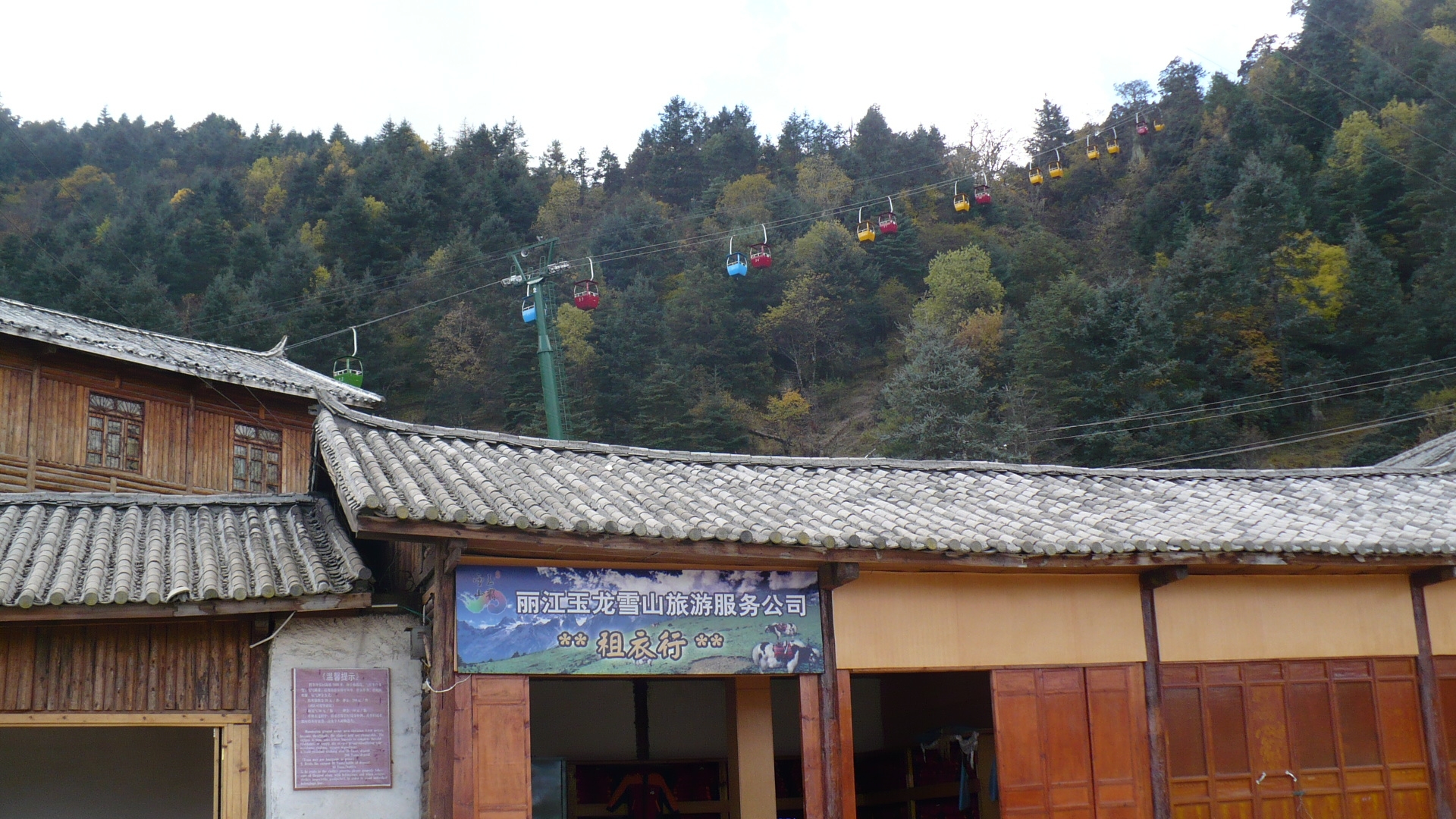
Book the glacier cable car as soon as your dates are fixed, and swap the mountain day if the summit is clouded — the Lijiang travel guide explains the alternatives. With three days, spend one on the mountain, one on the old towns, and one relaxed in the surrounding villages.
Shangri-La (2-3 days)
Shangri-La (Zhongdian) sits at about 3,300m, where Tibetan culture takes over: monasteries, prayer flags, yak herds and the highest air on the route. This is where the altitude deserves real respect — arrive early, drink water, and don’t plan a heavy first day.
Autumn must-sees:
- Dukezong Old Town: the Tibetan old town, with its giant prayer wheel on the hilltop — golden-hour light over the whitewashed houses is the shot.
- Songzanlin Monastery: the “little Potala,” a working Gelug monastery about 20 minutes from town. Morning visits catch the monks at study and the prayer halls at their most atmospheric.
- Pudacuo National Park: highland lakes, autumn-yellow meadows and grazing yaks, about an hour out of town. The boardwalk loop around Shudu Lake is gentle at altitude.
- Meili Snow Mountain (Kawakarpo): the sacred peak further north, about 4-5 hours by road to the Feilai Temple viewpoint. It’s a long day trip or an overnight, but on a clear October or November morning the golden light on the 6,740m summit is one of the great sights of western Yunnan — the closest thing the region has to a red-leaves season is the clear golden light on these peaks. See our red leaves itinerary for how the colors in China’s southwest differ from the northeast.
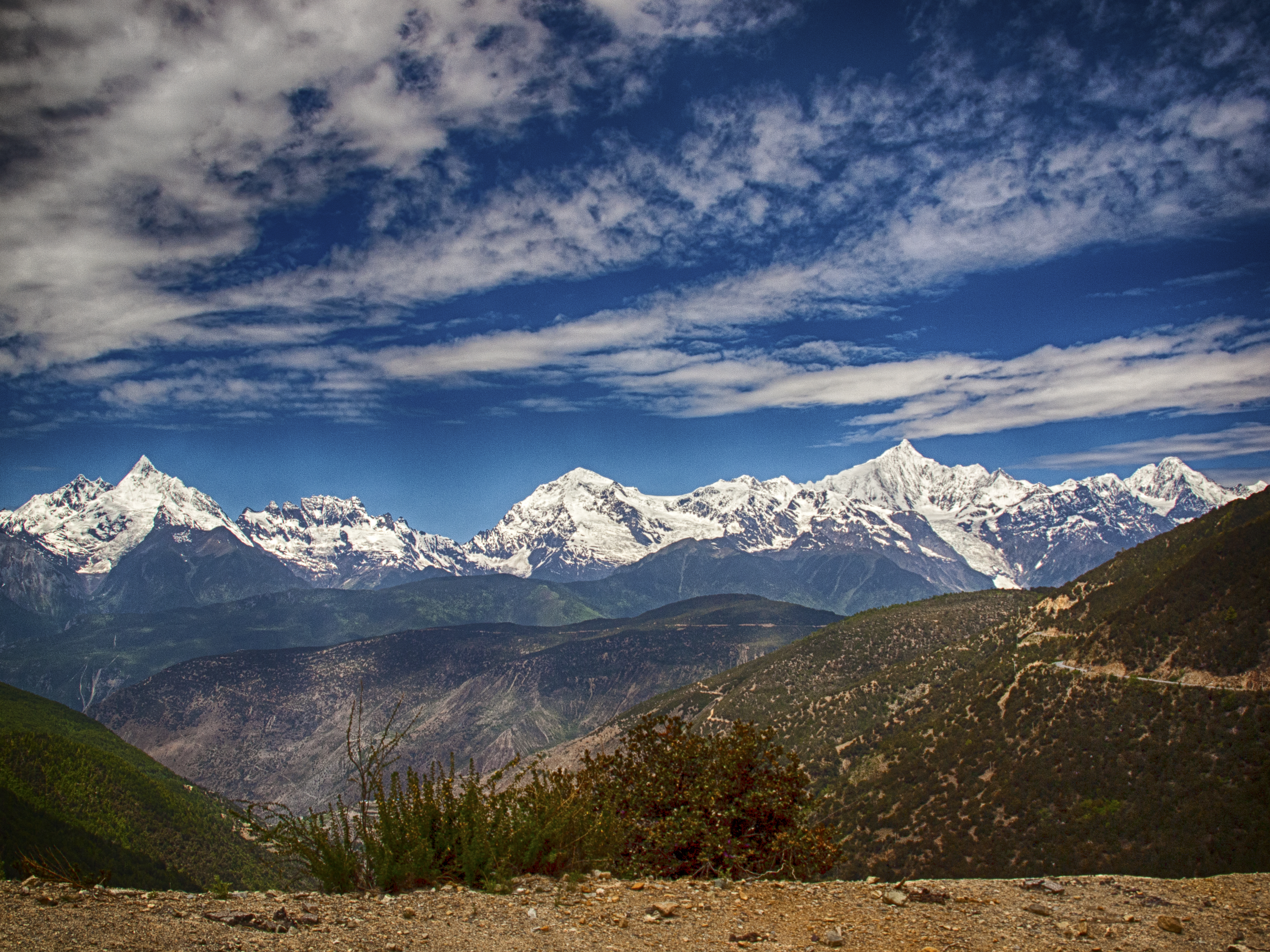
Two days covers Shangri-La town and one excursion; three lets you add the Meili trip. Note that roads can close for snow by late November, so the Meili drive is most reliable in October and early November.
Autumn weather and what to pack
- Kunming and Dali: days 15-20°C, nights 8-12°C.
- Lijiang: days 13-18°C, nights 5-10°C.
- Shangri-La: days 10-15°C, nights near or below freezing by November.
The pattern everywhere is the same: warm sun in the middle of the day, a sharp drop after sunset, and strong high-altitude UV even when it’s cool. Pack layers — a thermal base, a fleece, a proper jacket — plus sun protection, sunglasses and comfortable walking shoes. A daypack for the mountain excursions and a scarf or hat for Shangri-La’s cold evenings complete the list.
A realistic budget
Yunnan is good value, and autumn is moderate. Rough guidance per person (CNY, and prices change — treat these as planning ranges):
- Hotels: ¥150-350 per night in Kunming and Dali; ¥200-450 in Lijiang’s old town; ¥250-500 in Shangri-La. October prices run higher, especially National Day week.
- Trains: Kunming-Dali ¥100-150; Dali-Lijiang ¥100-150; Lijiang-Shangri-La ¥100-150 (second class).
- Flights: Lijiang or Shangri-La outbound to a hub, ¥400-900 depending on route and booking timing.
- Sights: Stone Forest about ¥130; Three Pagodas about ¥75; Cangshan cable car ¥100-170; Jade Dragon entry plus cable car ¥200-300; Songzanlin about ¥90; Pudacuo about ¥100 plus the shuttle.
- Food and local transport: ¥100-200 per day covers meals, e-bikes, taxis and the odd coffee.
A realistic 8-day mid-range total, excluding flights into and out of the region, is roughly ¥4,000-7,000 per person. All figures are estimates — confirm current cable-car, monastery and park prices before you book.
Common mistakes to avoid
- Booking the Jade Dragon cable car too late. It’s real-name, capped and sells out in autumn.
- Rushing to Shangri-La without acclimatizing. Give yourself a gentle first day at 3,300m.
- Walking the old towns at midday. Dali and Dayan are loveliest at dawn and dusk — plan around the crowds.
- Underdressing for the evenings. The highlands drop sharply after sunset; a warm jacket is not optional.
- Skipping mushroom season. October is the tail of the wild-mushroom window — order them while you can.
- Assuming the mountain weather matches the town. Jade Dragon makes its own microclimate; have a swap day ready.
- Dragging a suitcase over the stone lanes. The old towns are cobbled and pedestrian; a backpack or soft duffel is smarter.
Extending or shortening
- 5-6 days: drop Shangri-La and do Kunming-Dali-Lijiang. This is the classic Yunnan route, and autumn is its other peak season besides spring.
- 10-12 days: add Yuanyang’s Hani rice terraces in southeastern Yunnan — about 6-7 hours by road from Kunming, best done as a two-day trip with an overnight at the terraces. The flooded terraces reflect the sky from October into March, and the sunrise over the Duoyishu viewpoint is one of China’s most photographed scenes.
- Pace tweaks: add a day in Dali for the lake’s far shore, or a night at Meili Snow Mountain for the dawn.
The bottom line
Autumn is the reason many travelers visit Yunnan in the first place: the rains stop, the snow mountains step out of the clouds, the terraces turn gold and the mushroom restaurants are at their best. This 7-10 day itinerary follows the classic highland line through Kunming, Dali, Lijiang and Shangri-La, timed for that window. Book the cable cars and trains ahead, pack for cold evenings, respect the altitude at the northern stops — and give yourself time to watch the light on the mountains. For more seasonal ideas, see autumn travel in China or our red leaves itinerary.
Last updated: August 2026. Policies and prices change often — confirm before you go.
Frequently Asked Questions
Why is autumn the best time to visit Yunnan?
Yunnan's rainy season ends around October, leaving clear skies and dry air through November. That means open views of the snow mountains, crisp days around 15-20°C in Kunming and Dali, golden rice terraces at Yuanyang, and the tail of the wild-mushroom season. It is the province's most photogenic window.
What is the best 7-10 day autumn route?
The classic line works perfectly in autumn: 2 days in Kunming, 2 in Dali, 2-3 in Lijiang and 2-3 in Shangri-La. Trains and short flights connect all four stops, so the pacing is gentle and each stop is distinct. Drop Shangri-La for a 5-6 day trip, or add Yuanyang's terraces for a longer one.
How do I get between Kunming, Dali, Lijiang and Shangri-La?
High-speed rail covers Kunming-Dali (about 2 hours) and Dali-Lijiang (about 1.5-2 hours). The railway to Shangri-La opened in late 2023, so the final leg takes roughly 1.5-2 hours by train, or about an hour by flight. Lijiang and Shangri-La both have airports if you want to fly out at the end.
How cold does it get in autumn at altitude?
Days are comfortable — Kunming and Dali sit around 15-20°C in October, Lijiang a touch cooler, Shangri-La 10-15°C. The mornings, evenings and nights are genuinely cold, especially in Lijiang and Shangri-La, where nights can drop near freezing by November. Warm layers and a proper jacket are essential.
Is the altitude a problem?
The route climbs as it goes north — Kunming 1,900m, Dali 2,000m, Lijiang 2,400m, Shangri-La 3,300m. Most visitors adjust gradually because the pacing helps, but Shangri-La deserves respect: take day one there slowly, drink water, avoid alcohol, and know the symptoms of altitude sickness. The mountains nearby are higher still.
Where should I stay in each city?
In Kunming, near Green Lake Park. In Dali, inside the old town or by Erhai Lake's west shore. In Lijiang, Dayan Old Town for atmosphere or the quieter Shuhe. In Shangri-La, the old town near Dukezong, or closer to Songzanlin Monastery if you want calm. Book well ahead for October, when prices rise.
What should I eat in autumn?
Autumn is wild-mushroom season, so order mushroom hotpot and stir-fries in Kunming and Lijiang. Add Kunming's crossing-the-bridge noodles, Dali's Bai three-course tea and rose pastries, and Tibetan yak, butter tea and yogurt in Shangri-La. The seasonal produce — mushrooms, chestnuts and fresh fish — is the highlight.