
Where to Stay in Beijing: Best Areas & Hotels (2026)
Pick the right Beijing base — Wangfujing for convenience, Qianmen for old-Beijing charm, CBD for comfort. Area-by-area hotel guide for first-time visitors.
OpenStreetMap Google Maps (opens externally)
Choosing where to stay in Beijing is choosing which Beijing you want — and the right base can make or break a first visit. This guide breaks the city into four traveler-friendly areas, tells you who each suits, and names reliable hotels in each, with prices as of 2026.
The four areas at a glance
| Area | Best for | Price | Vibe |
|---|---|---|---|
| Wangfujing | First-timers, families | ¥800–1,500 | Central, convenient, touristy |
| Qianmen & Dashilan | Atmosphere, budget | ¥400–900 | Old-Beijing lanes |
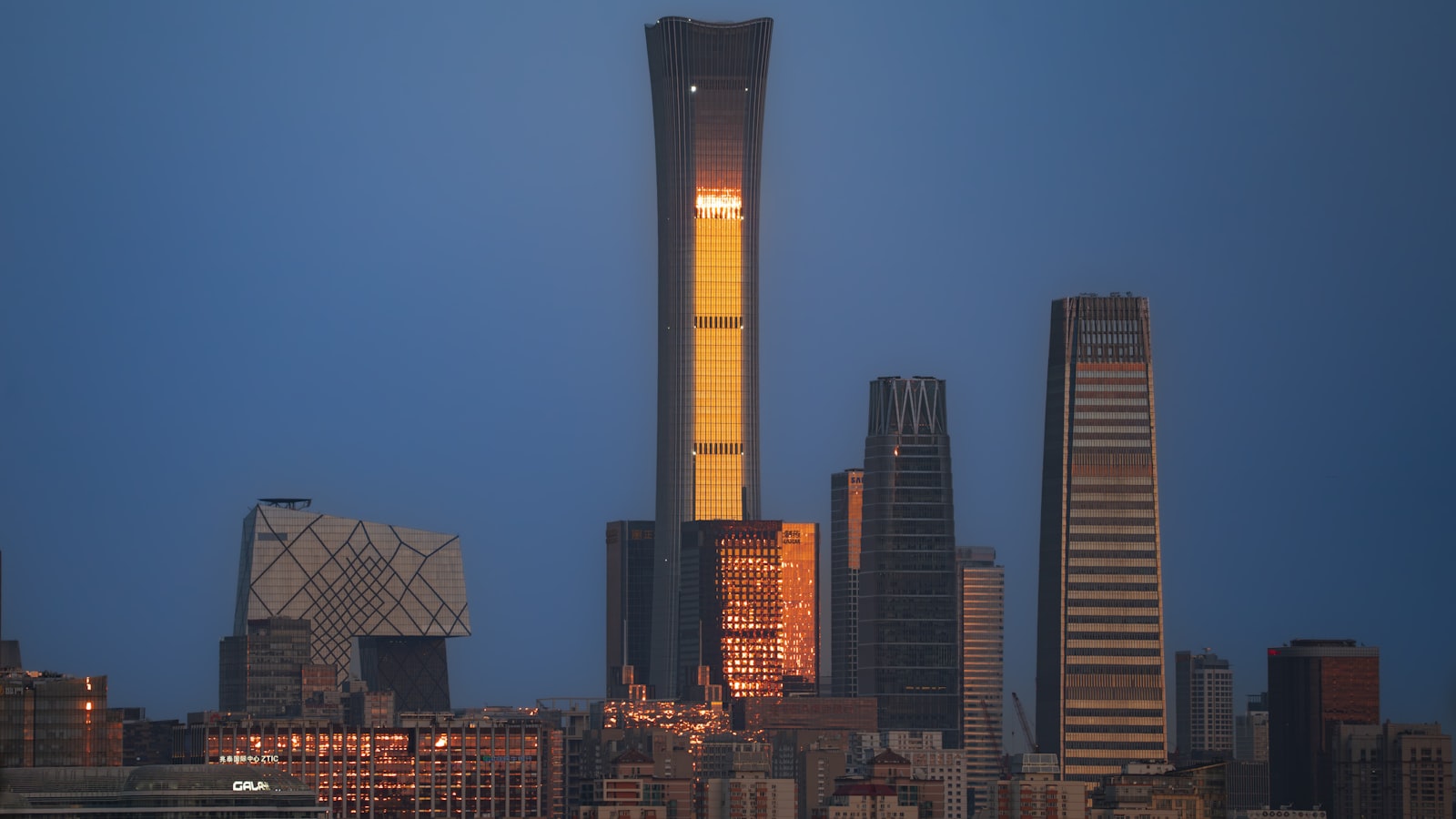
| CBD / Guomao | Comfort, business | ¥1,200–2,500 | Modern towers, quiet |
| Dongzhimen | Short stays, day trips | ¥600–1,200 | Transport hub |
Beijing is enormous, and its metro stations sit far apart — a hotel that looks “close” on a map can still be a 25-minute walk from anything you came to see. So the first decision is not which hotel but which area. The prices above are 2026 estimates and move with the season, so treat them as bands rather than quotes.
Wangfujing — the safe, central pick
Beijing’s most famous shopping street, in the middle of everything: walk to Tiananmen and the Forbidden City, metro on your doorstep, and the best English-speaking hotel staff in the city.
- The hotels: the Beijing Hotel (next to Tiananmen, good for the flag-raising), the Ritz-Carlton, and the Crowne Plaza Beijing (International Art Palace) on Wangfujing — the latter is a proven value with 9.4+ location scores and praise from Western travelers, though a little dated.
- Watch out: the priciest area in town and busy with crowds.
This is the area for a first visit done without friction. The big sights, the shopping street and the metro are all on foot, so you can drop your bags and start sightseeing. Families like it for the same reason: fewer transfers, more English, and restaurants that are used to international guests. If you only have two or three days and want to see the highlights, stay here and accept the premium.
Qianmen & Dashilan — old-Beijing atmosphere
South of Tiananmen, the restored Ming-Qing lanes of Qianmen and Dashilan: red lanterns, century-old shops, cheap local food, and a real sense of old Beijing.
- The stay: boutique hotels near Beijing Fang and Dashilan, minutes from Tiananmen and the Forbidden City.
- Watch out: the lanes are a maze and some very cheap guesthouses have old plumbing — read recent reviews, and don’t rely on GPS without a VPN. Our VPN guide helps.
This is where you stay for atmosphere rather than polish. The hutong lanes, the old shops and the street food give you a Beijing that the tower blocks don’t. You trade some modern comfort for character and a lower bill, and you are still only minutes on foot from Tiananmen. Budget travelers and repeat visitors gravitate here, and it pairs naturally with evening wanders through the lanes. The trade-off is the maze: navigation is genuinely harder, and the cheapest guesthouses are cheap for a reason.
CBD / Guomao — modern comfort
The business district: towers, clean quiet streets, nightlife near Sanlitun, and some of Beijing’s best hotels — but a taxi or metro ride from the historical sights.
- The hotels: the Fairmont Beijing (in the heart of the CBD, 340m from Yong’anli metro, explicitly welcomes all nationalities), the Ritz-Carlton (underground link to Guomao metro), the Westin, and Color & Light (2020, foreigner-friendly check-in).
This is the pick for comfort over convenience. The CBD’s hotels are modern, consistent and quiet, and the district is a short ride rather than a walk from the Forbidden City. Business travelers and anyone who wants a reliable international-standard bed after a long flight do well here, and Sanlitun’s bars are close by for the evening. The only real downside is location: you will spend a little more time on the metro or in a taxi to reach the main sights each morning.
Dongzhimen — the transport hub
Where the Airport Express meets the metro network, with direct buses to Mutianyu and close to Sanlitun’s nightlife. Ideal for short stays or if you’re planning day trips out of the city.
Dongzhimen is the pragmatic fourth option. It is not scenic in itself, but it is the fastest place to reach from the airport and the easiest launch pad for the Great Wall at Mutianyu or a connection onward. If Beijing is a two-night stop on a longer trip, or you are using it as a base for day trips, staying here saves you the extra transfer that the central areas require. The hotels are chain and mid-range by category rather than landmark properties — clean, functional and well positioned for transport.
Which area should you pick?
- First-timer with 2–4 days → Wangfujing. The sights, the shopping and the English are all on your doorstep, and it removes the most friction from a first visit.
- Old-Beijing atmosphere on a budget → Qianmen & Dashilan. Character and street food for less, in exchange for a little modern comfort.
- Comfort and a reliable bed → CBD / Guomao. Modern international hotels and quiet streets, a short ride from the sights.
- Transport and day trips → Dongzhimen. The airport express, the Great Wall buses and the rail connections all meet here.
- Families → Wangfujing or the CBD. Wangfujing for walking-distance sightseeing; the CBD for bigger, calmer rooms.
How to book and what to watch for
- Book 2–4 weeks ahead in peak. Spring (April–May), autumn (September–October) and the national holidays fill fast, and Wangfujing and the CBD go first.
- Choose free-cancellation rates. Beijing itineraries shift as you sort visas, train tickets and the Great Wall day; free cancellation lets you reshuffle without losing money.
- Confirm the hotel accepts foreign guests. Most of the hotels named here do, but budget guesthouses occasionally cannot register foreign passports — check the listing or message before you book.
- Ask for a quiet, high-floor room away from the street. The shopping streets stay loud late, and a rear-facing room fixes most of it.
- Carry your passport. Every hotel registers guests with the police at check-in.
- Set up payment first. Alipay and a translation app cover taxis, metros and menus.
Getting around from each area
- Wangfujing: metro Line 1 at Wangfujing station runs west to Xidan and east toward the CBD; Line 5 (Dengshikou) and Line 8 (Jinyu Hutong) are also nearby. The Forbidden City and Tiananmen are a straight walk south.
- Qianmen & Dashilan: Line 2 at Qianmen station loops the old city, and the area is one stop or a short walk from Tiananmen on Line 1.
- CBD / Guomao: Line 1 and Line 10 interchange at Guomao, and Yong’anli sits on Line 1 — a direct ride west to Wangfujing and the sights.
- Dongzhimen: Line 2, Line 13 and the Airport Express meet here, and the direct buses to Mutianyu leave from the area. See our Beijing metro guide for the full network, and our airport guide for getting in from the airport. Taxis and DiDi are the easy option at odd hours.
Practical tips
- Book ahead in peak seasons — spring (April–May), autumn (September–October) and holidays fill fast.
- Confirm foreign-guest policy when booking, and carry your passport for check-in.
- Set up payment first: Alipay and a translation app cover taxis, metros and menus. See our payments guide.
- Getting around: the metro is excellent — see our Beijing metro guide.
- Getting from the airport: the Airport Express to Dongzhimen then the metro is the fast, cheap route — see airport arrival.
- Check the season before you pack — see our weather and packing guide.
Where this fits
Where you stay pairs with your itinerary — most first-timers spend 3–4 days in Beijing on the 7-day, 10-day or two-week route. For the city itself, see the full Beijing guide.
Prices and ratings as of August 2026, compiled from Ctrip, Trip.com and Booking.com listings — they change with the season, so confirm on the booking platform before you go.
Frequently Asked Questions
Which area of Beijing is best for a first-time visitor?
Wangfujing is the safest choice — central, walking distance to Tiananmen and the Forbidden City, with the best English-speaking hotel staff in the city. Qianmen (south of Tiananmen) is the atmospheric old-Beijing pick, and the CBD suits travelers who want modern comfort. See [where this fits](#where-this-fits) below.
Is Wangfujing worth the price?
It's the most expensive area (about ¥800–1,500 a night in 2026), but the convenience is real: walk to the Forbidden City and Tiananmen, metro on your doorstep, and English everywhere. For a first Beijing trip it removes most friction. If you're on a budget, Qianmen or Xidan deliver more for less.
Do Beijing hotels accept foreign guests?
Yes — but confirm at booking. The hotels highlighted here (e.g. Fairmont, Color & Light, and the Wangfujing chains) explicitly note they welcome all nationalities. Smaller hotels occasionally list restrictions, so message before you book and carry your passport for check-in.
How important is proximity to a metro station?
Very. Beijing's metro stations are large and far apart — a hotel that looks 'close' on the map can be a 25-minute walk. Stay within a 5–7 minute walk of a station and you'll save hours. Buy a transit card or set up Alipay's transit code before you start — see our [payments guide](https://chinotrips.com/how-to/pay-in-china/).
Should I stay near the airport instead of downtown?
Only for a very short layover. Beijing is huge — downtown is where the sights are, and the airport rail line reaches Wangfujing/Guomao quickly. See our [airport guide](https://chinotrips.com/how-to/airport-arrival-guide/) for the options.