
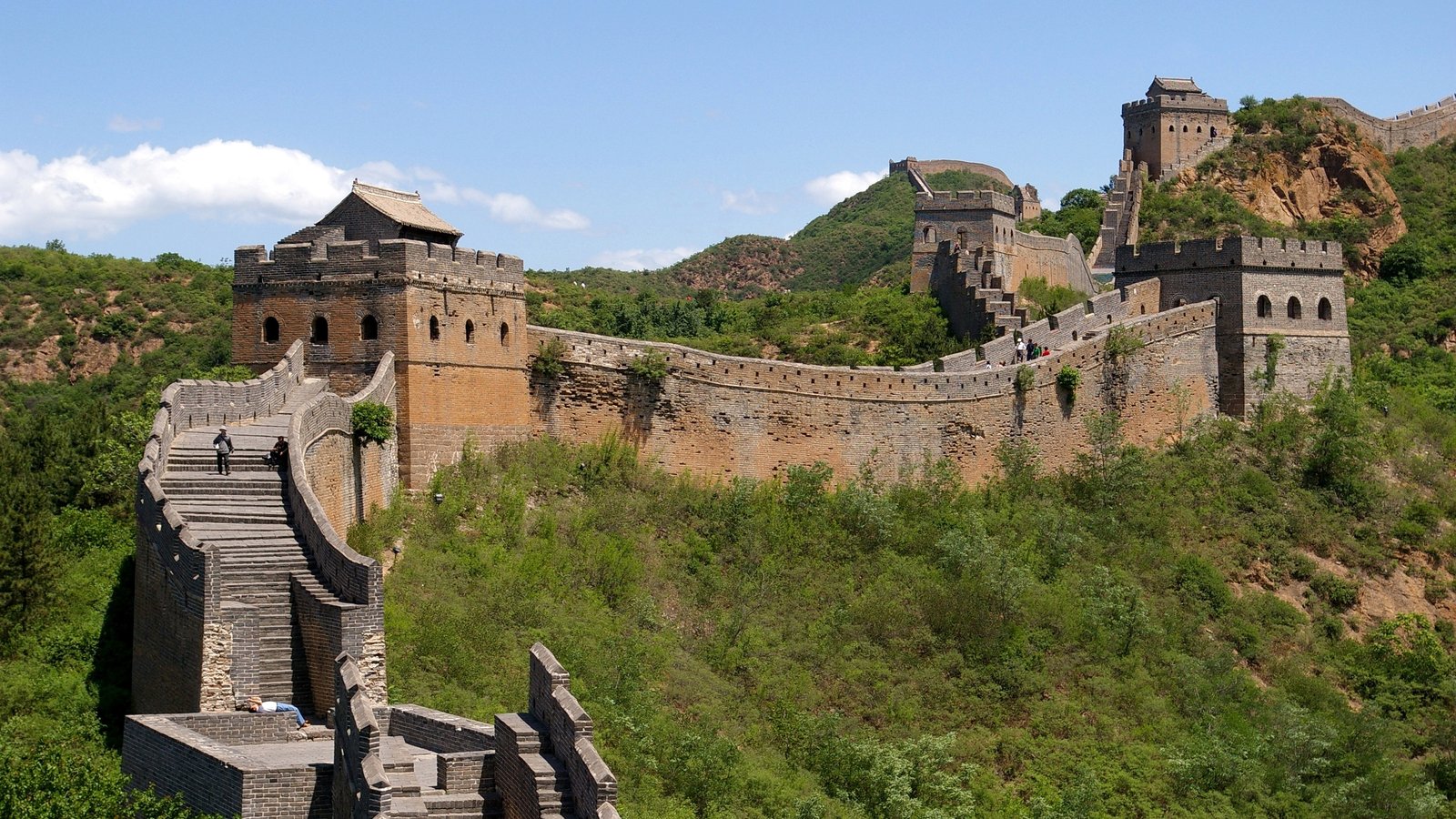
Great Wall in Autumn: Red Leaves & Best Sections
See the Great Wall in autumn at its best: when the red leaves peak, which sections to pick, how to get there and skip the crowds.
The Great Wall is a year-round icon, but autumn is the season it was made for — red leaves, blue skies and crisp air along the ridgeline.
Autumn is when Beijing’s Great Wall sections look their best. The summer haze lifts, the crowds thin, and the hills on both sides of the Wall turn gold, orange and red. This guide covers why autumn beats every other season, how each section compares in the fall, the exact timing of the red leaves, and the practical details — transport, tickets, itineraries, photo spots and how to beat the crowds.
Why autumn is the best season for the Great Wall
Three things come together in September, October and November.
Red leaves and gold. The forests around the Wall turn in autumn. Watchtowers that sit against grey-green hills in summer suddenly sit against a patchwork of red, orange and yellow. Mutianyu is the most reliable for color because its hillsides are dense with the trees that turn first, but every section gets a golden backdrop by late October.
Blue skies and clear air. Beijing’s air is at its cleanest in autumn, after the summer rains and before winter’s coal-season haze. Photos that come out hazy in other months turn out sharp, and you can see watchtowers receding into the distance — which is the whole point of the Wall.
Cool, comfortable walking. Daily highs in October sit in the mid-teens to low 20s Celsius (roughly 55–70°F). That’s the difference between hiking the Wall comfortably and doing it in 35°C summer heat. Mornings and evenings are cool, so layers matter, but the walking itself is pleasant.
The season also fixes the two problems of summer and winter: it’s not too hot to climb the long unrestored stretches, and not too cold or icy to enjoy the ridges. For the wider picture of how the season plays out across China, see our autumn travel in China guide.
The sections compared in autumn
The five sections travelers actually choose from — and how each behaves in fall.
Badaling: the famous one, the crowded one
The closest and most restored section, about 70 km from central Beijing, and the one on every tour-bus route. The Wall here is broad, paved and safe, with a cable car and a chairlift. In autumn the color is good, but the crowds are the problem: Badaling gets shoulder-to-shoulder at weekends and during Golden Week. If you want the easiest access to the most famous name, it works — go at opening time on a weekday. Otherwise, pick Mutianyu.
Mutianyu: the best autumn section
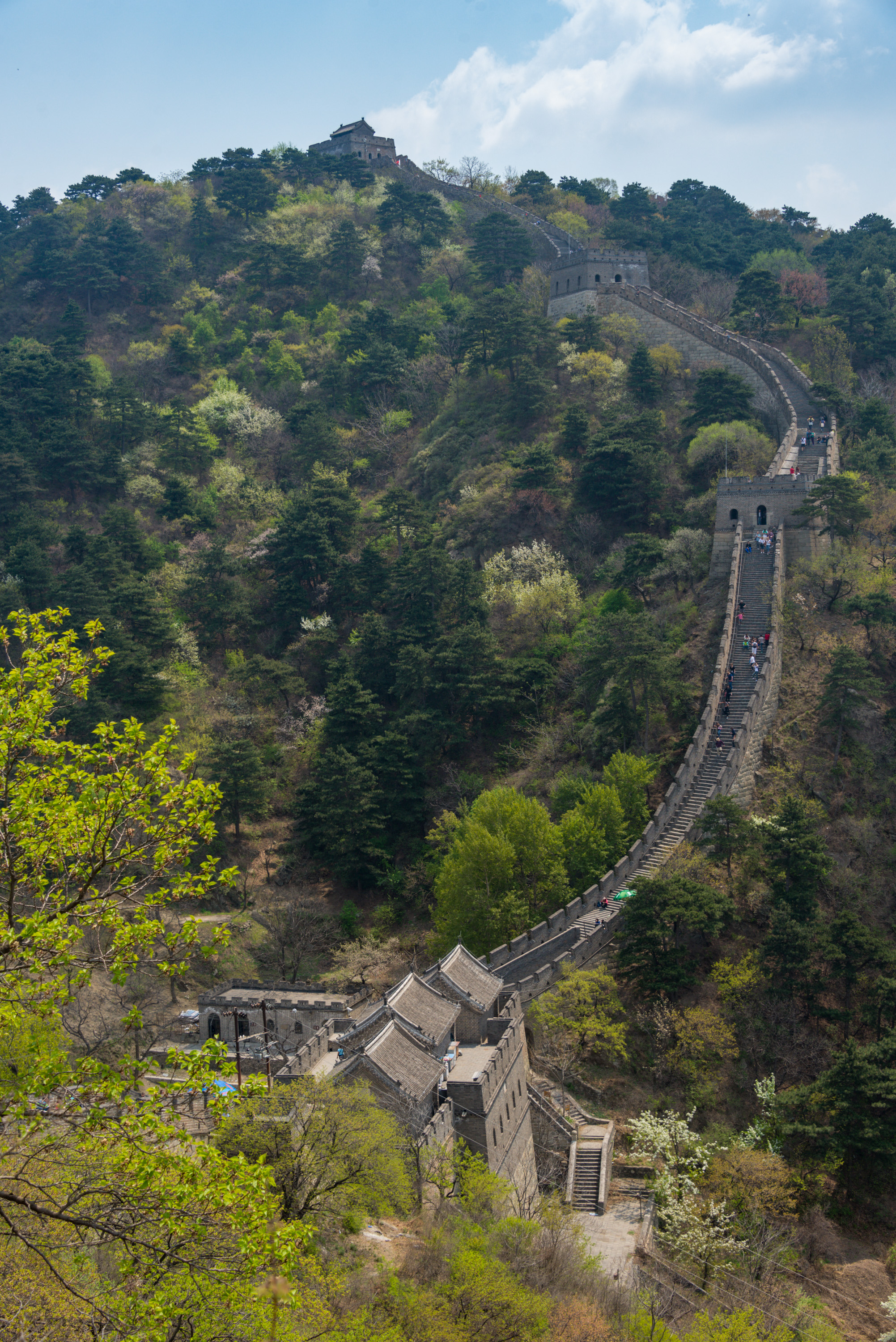
About 90 minutes from the city, Mutianyu is the section most photographers and repeat visitors choose for autumn. The restored Wall runs along a high ridge, and the valleys on both sides are dense with the trees that turn red and gold in late October. It has a cable car and a chairlift, the famous toboggan ride down, and — because it’s further out than Badaling — a fraction of the crowds. For first-timers and families this is the best autumn default. Our Great Wall guide compares it in detail.
Simatai and Gubei Water Town: the night option
Simatai is the restored-but-wilder section attached to Gubei Water Town, a reconstructed Ming-era village at its base. The special draw is the evening: the Wall is lit up after dark, and the town becomes a water-town-by-night. In autumn the days are pleasant and the crowds are moderate, but the real reason to come is to stay the night, watch the Wall light up, and photograph it from the town or the lakeside. It’s further out (about 2 hours), so it works best as an overnight or a long day.
Jinshanling: the photographer’s choice
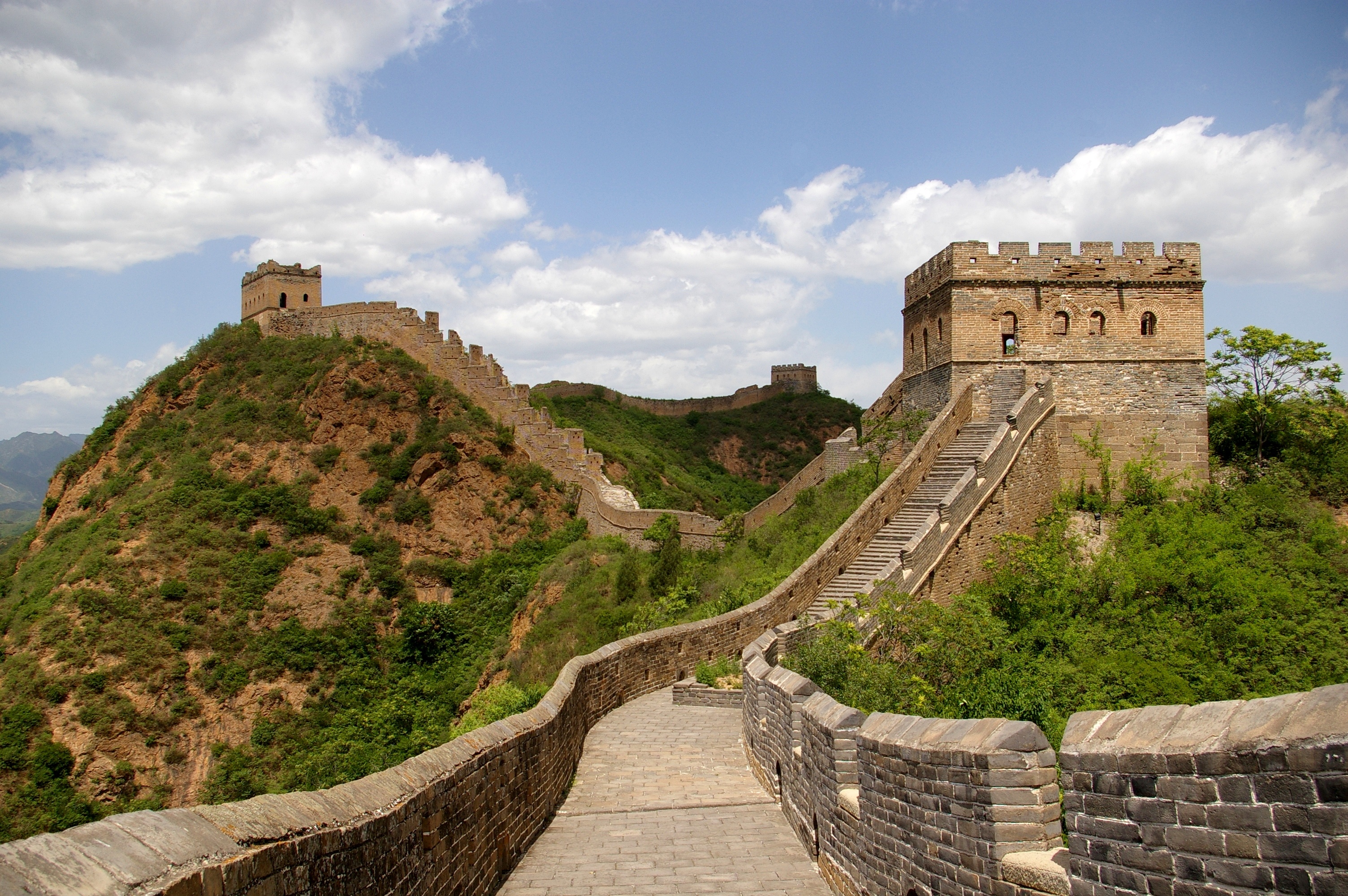
The classic restored-plus-wild section, about 2.5 hours from the city, and the one serious photographers and hikers travel for. The Wall here has long stretches of crumbling, unrestored masonry between intact watchtowers, and in autumn the golden trees against the broken wall make some of the most dramatic photos in China. Dawn light is superb. It’s the best section for a real hike, and it links on foot toward Simatai. See our hiking the Great Wall guide for the Jinshanling-to-Simatai trek.
Jiankou: spectacular, not for beginners
Jiankou is the wildest famous section — steep, broken, and in places requiring you to scramble over gaps with drops on both sides. The autumn views are stunning, and it’s a serious climb that should only be attempted with a guide, proper footwear and a head for heights. For almost every traveler, the honest advice is to skip it and see similar color from Mutianyu or Jinshanling. If you’re set on it, read the hiking the Great Wall guide first and treat it as a climb, not a stroll.
The red-leaf timeline
The colors arrive in stages, and timing is everything.
- Mid-September: the first leaves shift on the highest, coldest spots; the early sections get a first wash of gold.
- Early to mid-October: color builds steadily; good but not yet peak.
- Mid-October to early November: the peak window across most sections, when the hills around Badaling, Mutianyu and Jinshanling are fully red and gold. Mutianyu, with its denser, lower valley forests, tends to peak a little later and hold its color into early November.
- Mid-November: the leaves fall; the Wall returns to its grey-green winter look.
Two warnings on timing. First, Golden Week (October 1–7) falls right in the color season — the Wall gets packed and prices spike. If you can shift your trip to mid or late October, you get near-peak color with far fewer people. Second, the exact peak shifts year to year with the weather, so a flexible day or two helps. For the national picture of when and where China’s colors peak, see our red leaves itinerary.
How to get there
Each section needs different transport.
- Badaling and Mutianyu by tourist bus: regular tourist buses run from central Beijing to both; the trip takes about 1.5–2 hours each way. Buy a return ticket, and confirm the return time — the last buses leave earlier than you expect.
- By private car or ride-hailing: the flexible option. A private car for the day (driver, waiting, return) runs roughly ¥400–800 depending on distance and section — estimate, prices change — and lets you leave early and skip the bus queues.
- By day tour: a tour including transport, entry and sometimes the cable car runs roughly ¥200–400 per person (estimate, prices change). Good for first-timers who want everything handled; read the itinerary before booking so you’re not on the group that gets 30 minutes at the Wall.
- Jinshanling and Simatai: further out, so a driver or tour is the practical choice unless you enjoy long transfers. Gubei Water Town works best as an overnight.
Book transport and cable-car tickets ahead in the peak color weeks — the good buses and cable cars genuinely sell out. For the rest of the trip planning, our Beijing travel guide and autumn in Beijing guide cover the city side.
Tickets: book ahead in peak season
Entry tickets are modest — roughly ¥40 for Badaling, around ¥40 for Mutianyu, about ¥65 for Jinshanling, and ¥140–220 for the Simatai–Gubei Water Town combo (estimates, prices change). What adds up is the rides: cable cars and chairlifts are typically ¥100–140 round trip, and Mutianyu’s toboggan is extra.
The practical rule for autumn: book entry and cable-car tickets in advance during the peak color weeks, either on the official ticketing channels or through your hotel or tour. Many sections now require real-name booking with your passport, and walk-up queues at the peak are long. Avoid the worst of it by going on a weekday and at opening time — sections typically open around 07:30–08:30.
A workable half day and a full day
Half day (Mutianyu, about 6 hours door to door):
- Leave central Beijing by 06:30–07:00.
- Arrive before 09:00 and take the cable car or chairlift up before the tour groups arrive.
- Walk the ridge 2–3 towers out and back, photographing the color, and take the toboggan down if you want the fun of it.
- Back in the city by early afternoon, with time for a hutong or a park.
Full day (Jinshanling or Simatai, about 10–12 hours):
- Leave by 06:00 for the longer drive.
- For Jinshanling, hike the restored-to-wild stretch for 3–4 hours with a picnic at a watchtower. For Simatai, arrive early, walk the Wall in daylight, then stay for the evening lights and Gubei Water Town at night.
- Return to Beijing late.
If you have a longer Beijing trip, our Beijing autumn itinerary builds the Wall into a full multi-day plan.
Photo spots worth planning for
- Mutianyu, towers 14 to 20: the classic ridgeline sweep, with color in the valleys on both sides. Morning light before 10:00 is best.
- Jinshanling, near sunrise: the broken wall and watchtowers in low golden light, with a layer of mist in the valleys on clear mornings.
- The chairlift or toboggan descent at Mutianyu: a different angle — the Wall above you, the colored forest below.
- Gubei Water Town at dusk: the town in the foreground, the lit Wall on the ridge behind.
- Between towers on any section: the human-scale shot — a person on the Wall, color stretching to the horizon.
Bring a lens that handles the light and a polarizer if you have one; the autumn light is clear but can be bright at midday.
Beating the crowds
The color season is the most popular time of year for the Wall, so the crowds are real. Four rules fix most of it.
- Go early. The first buses and the opening hour at every section are dramatically quieter — and the light is better. Being at the Wall by 08:30 changes the whole day.
- Go on a weekday. Saturdays are the worst. A Tuesday or Wednesday at the same hour has a fraction of the people.
- Skip Golden Week. October 1–7 is a national holiday; the Wall is at its most crowded and prices at their highest. Mid-to-late October is the sweet spot.
- Pick the right section. Mutianyu beats Badaling for crowds and color; Jinshanling and the further sections are emptier still. The closer and more famous the section, the busier it is.
What to wear and pack for an autumn day at the Wall
The Wall sits at a higher elevation than Beijing, with more wind and cooler temperatures, so the city forecast is not the Wall forecast.
- Layers, not one coat. Start cool in the morning (a fleece or light jacket), shed it as you climb, put it back on at the exposed towers. A windproof shell is genuinely useful on the ridges.
- Good shoes. The stone steps are uneven and often steep. Trail runners or hiking shoes beat sneakers.
- Sun protection. The autumn sun sits low in the sky, and you’re on an exposed ridge for hours. Bring sunscreen, a hat and sunglasses even when the forecast is cool.
- Water and snacks. Sections have vendors, but prices are higher and the far stretches (especially at Jinshanling) have nothing. Carry more than you think you need.
- Gloves and a warm layer for early-morning starts — the wind at the watchtowers at 08:00 is colder than you expect.
- Charged phone and passport. Real-name tickets sometimes need the passport you booked with.
The bottom line
Autumn is the Great Wall’s best season: red leaves, blue skies and cool walking days, with the thinnest crowds on weekdays in mid-to-late October. Pick Mutianyu for the classic color and ease, Jinshanling for the wild photography, Simatai–Gubei for the night lights, and go early — the Wall rewards the people who arrive first.
Last updated: August 2026. Policies and prices change often — confirm before you go.
Frequently Asked Questions
Why is autumn the best season to visit the Great Wall?
The hills around the Wall turn red and gold, Beijing's air is at its cleanest (so the views are sharp, not hazy), and the temperatures are cool and comfortable for hiking — daytime highs around 15–20°C. Summer is hot and hazy; winter is cold and icy. Autumn gives the Wall its famous red-leaf backdrop with clear skies.
Which section of the Great Wall is best for autumn leaves?
Mutianyu is the most reliable: its valleys are dense with the trees that turn red and gold in late October, it's restored and easy to walk, and it has a cable car and chairlift. Jinshanling is the photographer's choice for wild wall against golden hills, and Simatai offers the lit Wall at night. Badaling has good color but far more crowds.
When do the leaves change on the Great Wall?
The color builds through October and peaks from mid-October to early November. Mutianyu, with its lower, denser valley forests, tends to peak a little later and hold into early November. Golden Week (October 1–7) falls in the season, so mid-to-late October is the sweet spot for color with fewer people.
How do I get to the Great Wall without a tour?
Tourist buses run from central Beijing to Badaling and Mutianyu (about 1.5–2 hours each way). A private car for the day — driver, waiting, return — costs roughly ¥400–800 (estimate, prices change) and lets you leave early. Jinshanling and Simatai are further out and work best with a driver or tour.
Do I need to book tickets in advance in autumn?
Yes. Entry and cable-car tickets at the popular sections sell out or queue heavily in the peak color weeks, and many sections require real-name booking with your passport. Book entry and rides ahead through official channels or your hotel, and go early — sections typically open around 07:30–08:30.
What should I wear for a day at the Great Wall in autumn?
Layers — it's colder and windier on the ridge than in the city, so carry a fleece or light jacket and a windproof shell. Wear sturdy shoes (the steps are uneven), and bring sunscreen, a hat and sunglasses: the low autumn sun on an exposed ridge burns quickly. Gloves help for early starts.