
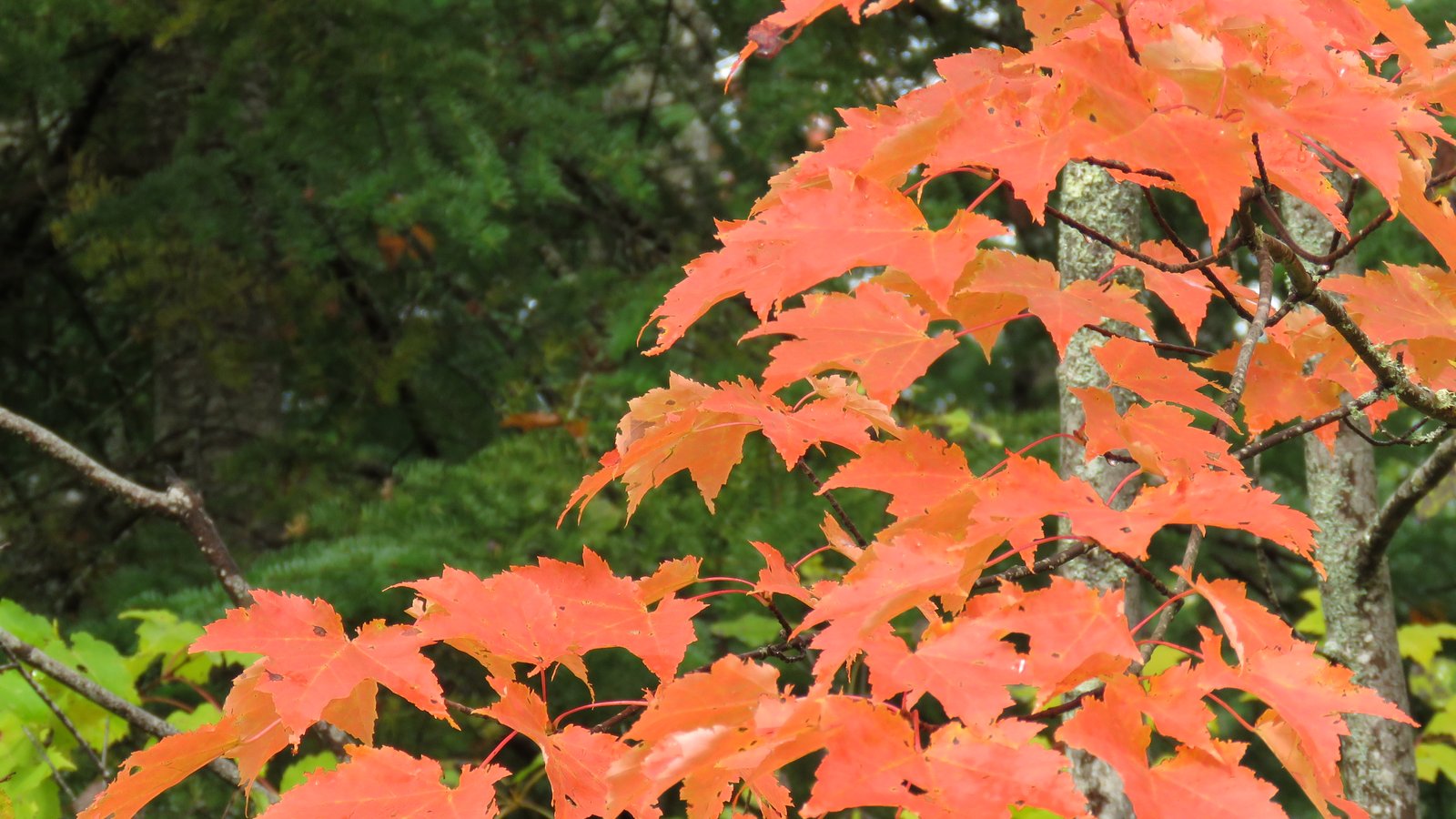
China Autumn Leaves Forecast: When and Where to Go (2026)
China autumn leaves forecast — when red leaves and ginkgo peak across Beijing, Jiuzhaigou, Jilin, Nanjing and more, with routes and packing.
China’s autumn leaves move from north to south over about seven weeks, and catching them at peak is a matter of matching your dates to the front line of color. Here is the forecast — where the red leaves and ginkgo turn, when, and how to plan around it.
Every autumn, a wave of color rolls down China — starting in the cool northeast in late September and finishing in Nanjing and the south in November. For a visitor the practical question is simple: where will the leaves be at their best when you are there? The answer depends on latitude, altitude and a bit of luck with the weather. This guide sets out the timeline region by region, the classic red-leaf and ginkgo combinations, how the weather shifts the dates, and how to dodge the crowds. Note that everything below is an as of August 2026 forecast: leaf dates shift every year with the weather, so treat the windows as planning guides and recheck the local forecasts before you go.
The short version: when to go where
- Late September to early October — the northeast turns first: Jilin’s Red Leaves Valley, Liaoning’s Benxi and Guanmenshan, Changbai Mountain. Best for early color with light crowds.
- October — Beijing and the north are at their peak. Fragrant Hills red leaves and the Great Wall at Mutianyu are superb from mid-October.
- Late October to early November — the classic mountain window: Jiuzhaigou, Huangshan, Daocheng Yading and the Qinling mountains all peak.
- November — the south turns last: Nanjing’s Qixia Mountain, Hangzhou, Suzhou and the Yangtze delta ginkgo, into early December.
If you only remember one thing: mid-to-late October is the sweet spot for most of China, and the weeks just after Golden Week (October 1–7) give you peak color with a fraction of the crowds. Our autumn in China guide covers the wider season; this page is about the leaves themselves.
How the forecast works: why the dates move every year
Autumn color is triggered by falling temperatures and shortening daylight, which is why the wave moves from north to south and from altitude down. The exact timing in any given year depends on the weather, so this is a forecast, not a guarantee:
- A fast, early cool-down gives bright, saturated color but a shorter peak.
- A warm, wet autumn delays the peak and can mute the colors.
- Wind and heavy rain strip leaves early — one storm can end a peak overnight.
- Sunny days and cool nights (big day-night temperature swings) produce the most vivid reds and golds.
As of August 2026, the windows below match typical years, but a single warm spell or cold snap can shift a local peak by a week or more. Recheck the leaves on Chinese social media (search Weibo or Xiaohongshu for the site name, e.g. 香山红叶) and the local forecast in the week before you go — and build one flexible day into your itinerary so you can chase the peak.
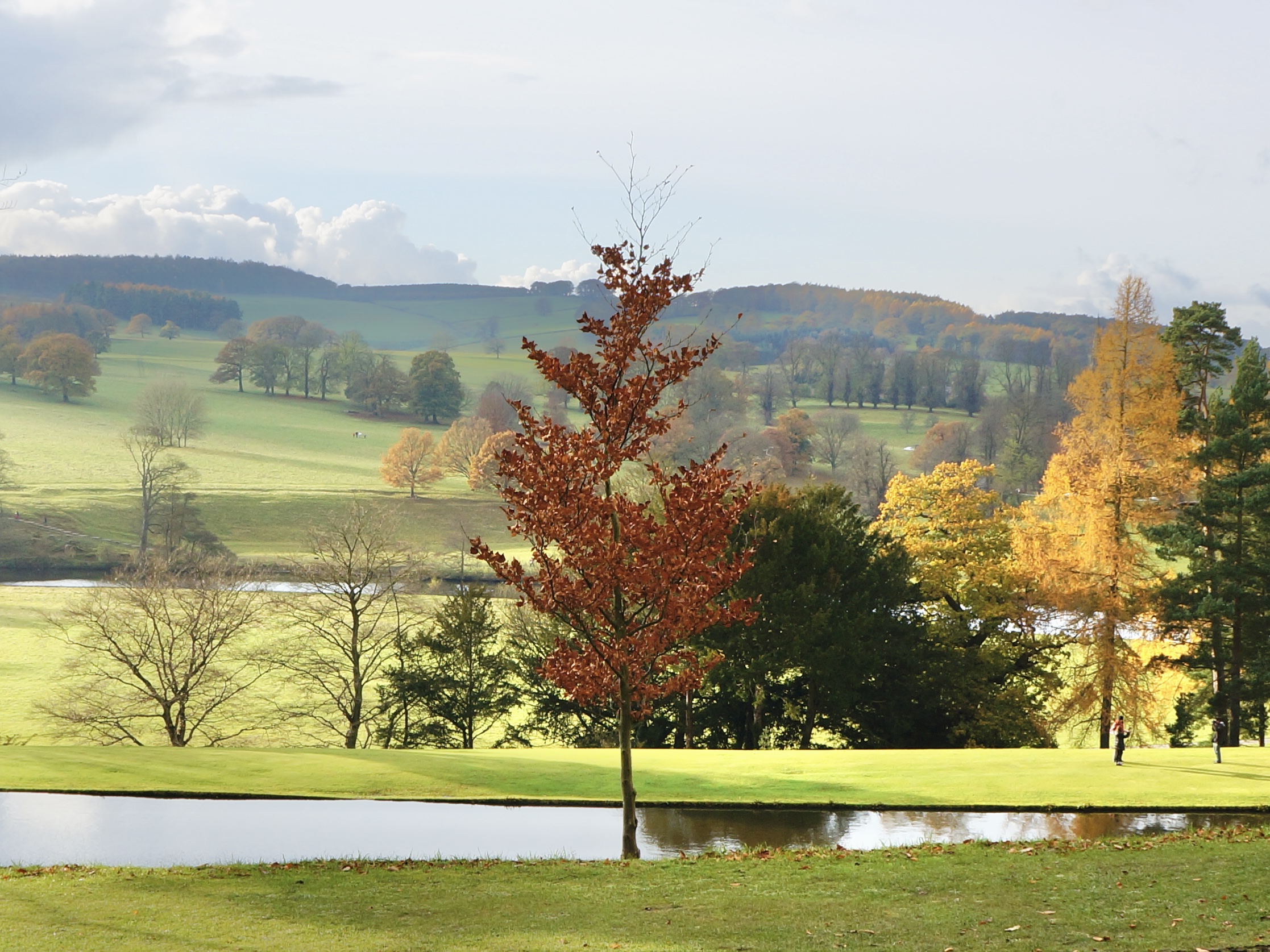
Late September to early October: the northeast turns first
The northeast cools earliest, so it gives the first real color of the season — and it is still quiet, because most international visitors aim for Beijing instead.
- Jilin — Red Leaves Valley (红叶谷), Jiaohe. A valley of maples, oaks and birch outside Jiaohe, about an hour’s drive from the city. Peak color typically runs early to mid-October. It is the classic northeast red-leaf destination, popular with domestic tourists and almost unknown internationally.
- Liaoning — Benxi and Guanmenshan (关门山). Around the Benxi Water Cave area, Guanmenshan is a maple-rich forest park that peaks in early October. Red leaves over streams and rocky hills — a more rugged, local version of the famous spots further south.
- Changbai Mountain (长白山). At the higher elevations the larch forests turn gold against the dark volcanic rock in late September. Pair it with the crater lake if the sky is clear.
The northeast is a good choice if your dates are fixed in late September, you want color without crowds, or you are already on a Harbin/Changchun/Dalian route. It is cold this early — expect frosty mornings.
October: Beijing and the north at their peak
Beijing is the most accessible color destination in China, and October is its month. The weather is crisp, the skies are clear, and the parks and hills blaze.
- Fragrant Hills (Xiangshan). Beijing’s classic red-leaf park. The maples and smoke trees peak from mid-October to early November. It is genuinely busy on fine weekends, so go on a weekday and arrive at opening time.
- Mutianyu Great Wall. The Wall winding over red-and-gold hills is one of China’s defining autumn images. Color builds through October and the golden light is superb at dawn and late afternoon. Our Beijing in autumn guide has the full city plan.
- The imperial parks. The Summer Palace, Beihai and the Temple of Heaven all turn gold and red in October, with ginkgo and cypress adding yellow. See our Beijing guide for the wider picture.
Late October to early November: the mountains and the west
This is the most photogenic stretch of the Chinese autumn — high mountains, turquoise lakes and dense forest color.
- Jiuzhaigou. The crown of the season. The turquoise lakes and waterfalls are set against forests that peak in late October to early November. It is the single most reliable, most spectacular color destination in China. See our autumn Jiuzhaigou route for timing and logistics.
- Daocheng Yading. At 3,000–4,700 m in western Sichuan, the golden larch forests and red meadows peak in mid-to-late October. Harder to reach than Jiuzhaigou, and higher, but unforgettable — the classic alternative if you are flying into Chengdu and have a week.
- Huangshan. The granite peaks rise above a sea of clouds, with the autumn trees framed against the rock. Color runs from mid-October into early November, and the summit is cold at dawn. See our Huangshan and Guilin autumn guide if you are combining mountains with the south.
- Qinling Mountains (秦岭). The range across southern Shaanxi — especially Taibai Mountain — turns in late October, with maples and oaks over the ridgelines. A good add-on to a Xi’an trip for travelers who want mountains without flying west.
November: the south and the ginkgo
The south turns last, and it brings the second great color of the season: ginkgo yellow.
- Nanjing — Qixia Mountain (栖霞山). The south’s classic red-leaf site, on the Yangtze’s edge. The maples peak in late November into early December — weeks after Beijing — which makes it the place to go if your trip runs into the end of autumn. Nanjing’s city avenues, with their ginkgo and plane trees, turn gold at the same time. It pairs well with Shanghai as a weekend trip by high-speed rail.
- Hangzhou and Suzhou. More subtle and slower: the ginkgo and sycamore avenues of Hangzhou and the gardens of Suzhou hold their gold through November.
- Yunnan and the far south. At the latitudes of Kunming and further south, autumn color is softer and later still. It is not the classic red-leaf destination, but the crisp dry-season weather and high plateau light make Yunnan an excellent late-autumn trip in its own right.
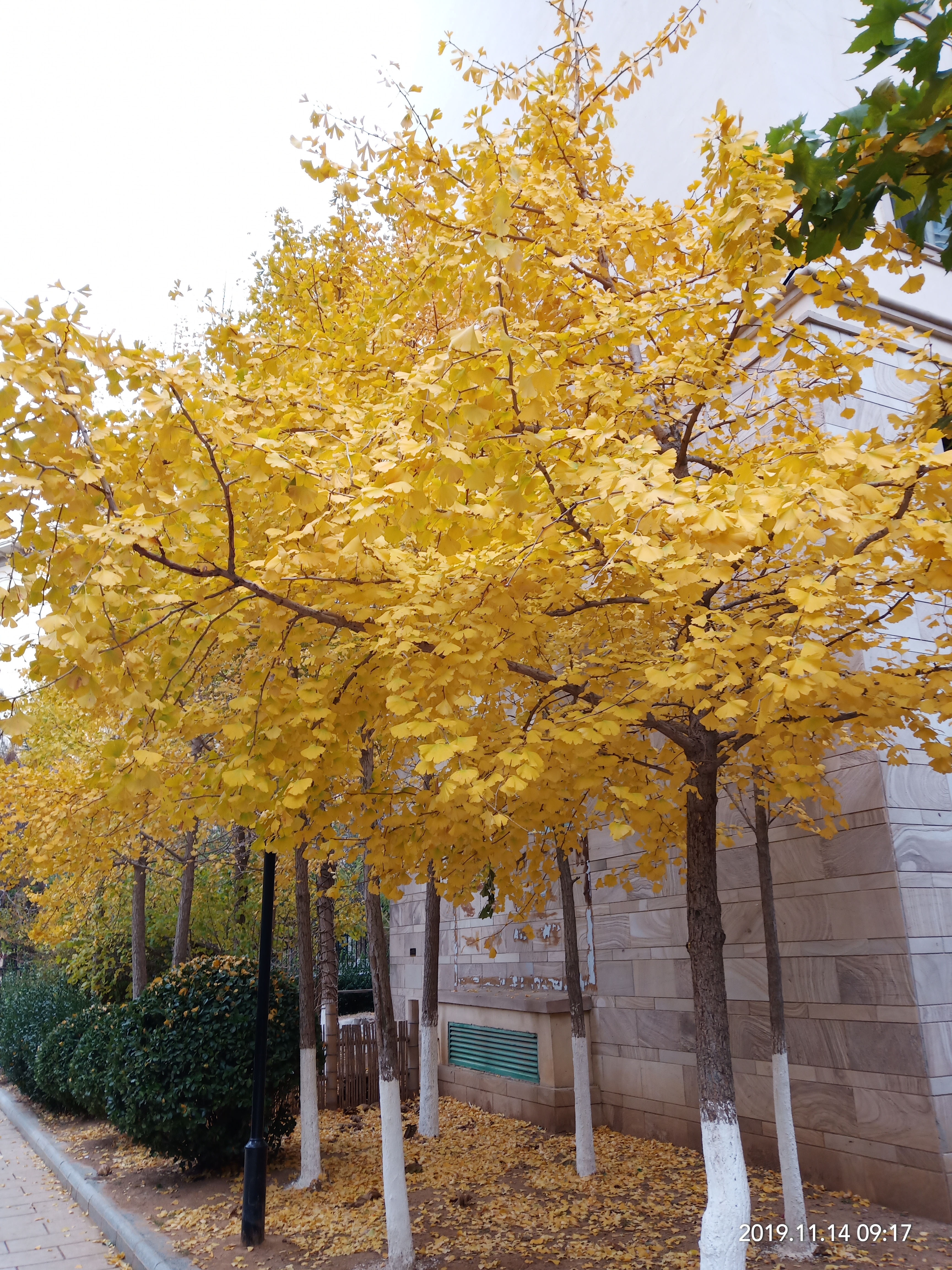
Red leaves plus ginkgo: the two-color combination
Maple red and ginkgo gold are the two signature colors of a Chinese autumn, and they peak on slightly different timings — which is the secret to seeing both in one trip.
- Beijing, early November. Fragrant Hills’ red leaves are fading as the Diaoyutai ginkgo avenue (钓鱼台银杏大道) comes into full gold. A two-day combination — maples on one day, ginkgo on the next — is easy by metro.
- Nanjing, late November. Qixia’s maples and the city’s ginkgo avenues peak in the same window, so you get both colors at once.
- Temple of Heaven, Beijing. One site, both colors: the cypress groves turn gold while the maples and smoke trees go red.
For a full two-color route that follows the peaks, our red leaves itinerary strings together Beijing, the mountains and the south without chasing your tail.
How the weather decides the color
The same two factors — temperature and wind — drive every good or bad autumn color season, and they are worth understanding because they explain why a forecast can be wrong.
- Day-night temperature swing. Big swings (warm days, cold nights) make the brightest color. This is why mountain and northern sites, with their sharp diurnal range, look more vivid than humid coastal cities.
- Rain and wind. One strong storm can strip an entire hillside. If heavy rain is forecast in the week you plan to visit a leaf site, shift your day if you can.
- Altitude as an accelerant. High places turn before low places, so in a warm year when the lowlands lag, the mountains still deliver. This is the practical value of a route that includes Jiuzhaigou or Huangshan: they are the most weather-proof options in the season.
Avoiding the crowds
The color season is popular with Chinese travelers too, and the crowd pattern is predictable. The two peaks are Golden Week (October 1–7) and fine weekends in October at the famous sites.
- Skip Golden Week if you can. Trains sell out, hotels spike and the Great Wall and Fragrant Hills are shoulder-to-shoulder. The weeks right after it — mid-to-late October — have peak color and normal crowds.
- Go on a weekday to Fragrant Hills, Qixia, Guanmenshan and the other leaf parks. The weekend difference is dramatic.
- Arrive at opening time. The morning light is also the best for photography — a double win.
- Choose the slightly-less-famous site. On a bad-weather-for-travel weekend, the second-tier sites (Diaoyutai versus Fragrant Hills, Guanmenshan versus Jiaohe) draw a fraction of the crowd with similar color.
Photography tips for the color season
- Shoot early and late. The low sun of the first and last hour of daylight makes red leaves glow and avoids the harsh midday glare. Golden light on the Great Wall or the Huangshan cloud sea is worth the early start.
- Chase backlight. Leaves photographed with the sun behind them are translucent and vivid — position yourself between the sun and the canopy.
- Include scale. A lone figure, a pagoda, a watchtower or a lake edge gives the color context and makes the shot feel like a place, not wallpaper.
- Protect against the elements. Cold mountain mornings fog lenses — keep the camera warm and let it acclimatize before shooting. Carry a lens cloth for drizzle.
- Pack a light tripod for the dawn and dusk shots at Jiuzhaigou and Huangshan; the light levels are low and the water surfaces reward long exposures.
Autumn temperatures and what to wear
Autumn color means cold mornings wherever you go. Rough day ranges for planning (as of August 2026, and they change):
- Beijing, October: 10–20°C — crisp days, cool evenings. Fleece or light jacket, walking shoes.
- Jiuzhaigou, late October: 2–15°C — cold mornings near freezing at the higher lakes. Down jacket or heavy fleece, gloves.
- Huangshan summit, late October: −2 to 12°C — genuinely cold at dawn. The summit rental jackets are an option, but a warm layer of your own is better.
- Nanjing, late November: 5–15°C — damp cold. Layers plus a warm coat.
The universal rule is layers: a thermal or fleece base, a mid-layer, and a waterproof shell in the daypack. Comfortable shoes matter more than fashion — most color sites involve real walking.
Planning notes
- Book transport and hotels in advance if your dates touch Golden Week or a fine October weekend — the color season fills the classics.
- Leave one flexible day in the itinerary for chasing the peak if the forecast moves.
- Set up Alipay and an eSIM before you fly — you will need them for train tickets, park entry and navigating. See our practical guides for the setup.
- Consider a domestic flight for the west — Jiuzhaigou and Daocheng Yading are long overland hauls, and the connecting flights from Chengdu save days.
- Check the leaves before you go — search the site name on Weibo or Xiaohongshu for the current state of the color.
The bottom line
China’s autumn color season runs about seven weeks, from the northeast in late September to Nanjing in November — and the forecast as of August 2026 points to the classic windows: Beijing in October, the mountains in late October to early November, and the south through November. Plan around Golden Week, leave a flexible day, pack layers, and you can catch the red leaves and the ginkgo at their best. The wave of color is one of the great seasonal spectacles in travel — and it moves on schedule, if you know the timetable.
Last updated: August 2026. Policies and prices change often — confirm before you go.
Frequently Asked Questions
When do the leaves change color in China?
The season runs from late September to mid-November, moving roughly north to south. The northeast and highest mountains turn first (late September to early October), Beijing and the central mountains peak in October, Jiuzhaigou and Huangshan peak in late October to early November, and Nanjing and the south turn last, into November and even early December. Exact dates shift with the weather every year — as of August 2026 the broad windows below are your planning guide, but recheck before you fly.
Where do the red leaves turn first in China?
The northeast, because it cools earliest. Jilin's Red Leaves Valley near Jiaohe and Liaoning's Benxi and Guanmenshan areas peak in early October, and Changbai Mountain's larch forests turn gold in late September. High-altitude spots also turn early — the first color in the west often appears at Daocheng Yading and the Qinling mountains before the lowlands.
Where should I go in late October for the best colors?
This is the classic peak window across much of China. Beijing's Fragrant Hills and the Mutianyu Great Wall are near their best, Jiuzhaigou's forests are turning around their late-October peak, Huangshan is in full autumn color, and Daocheng Yading hits its golden-larch moment. It is also the most popular stretch, so book ahead and go early.
Do the ginkgo trees turn yellow at the same time as the maples?
Roughly, but ginkgo usually peaks slightly later than maple, which lets you catch two colors in one trip. In Beijing, the Diaoyutai ginkgo avenue typically turns gold in early-to-mid November, after the Fragrant Hills red leaves have peaked. Nanjing's ginkgo and plane-tree avenues peak in late November, around the same time as Qixia Mountain's maples.
What should I pack for the autumn color season?
Layers are the rule. October days in Beijing run roughly 15–22°C with cool evenings; Jiuzhaigou (about 2,000–3,000 m altitude) and Huangshan are colder, with near-freezing mornings in late autumn. Bring a fleece or light down jacket, comfortable walking shoes, gloves for cold mountain mornings, and a warm layer for dawn at the viewpoints. See the packing section below for numbers.