
Chinese Drinks Guide: Baijiu, Beer, Tea & Milk Tea
What to drink in China — baijiu (the famous spirit), Tsingtao and local beers, the tea tradition, milk tea culture, and non-alcoholic staples.
China’s drinks are a world of their own — from the famous baijiu spirit to the milk-tea empire on every corner. Here’s what to try and how to handle it.
You can’t understand Chinese food without its drinks. The tea tradition is a thousand years deep, baijiu is a cultural institution, and the milk-tea shops of modern China are a phenomenon all their own. This guide sorts it out — what to order, what to expect, and how to drink like a local.
Baijiu: the national spirit
Baijiu (白酒) is China’s signature liquor — clear, potent (40–53% ABV), and distilled from sorghum or rice. It’s sharp, pungent and definitely an acquired taste, usually drunk at meals and toasts. At a table, the toast is ‘ganbei’ (bottoms up), and refilling others’ glasses is part of the ritual. For travelers: try a small sip for the experience, but sip slowly — it’s strong, and you’re never obliged to finish a full glass.
Beer: the everyday drink
Chinese beer is generally light and refreshing, and it’s the natural partner for spicy or grilled food. Tsingtao is the famous one — crisp and light, best in its home city of Qingdao, which even has a beer festival in August. Regional favorites include Harbin, Yanjing (Beijing) and Snow. Craft beer is booming in big cities if you want something with more character.
Tea: the thousand-year tradition
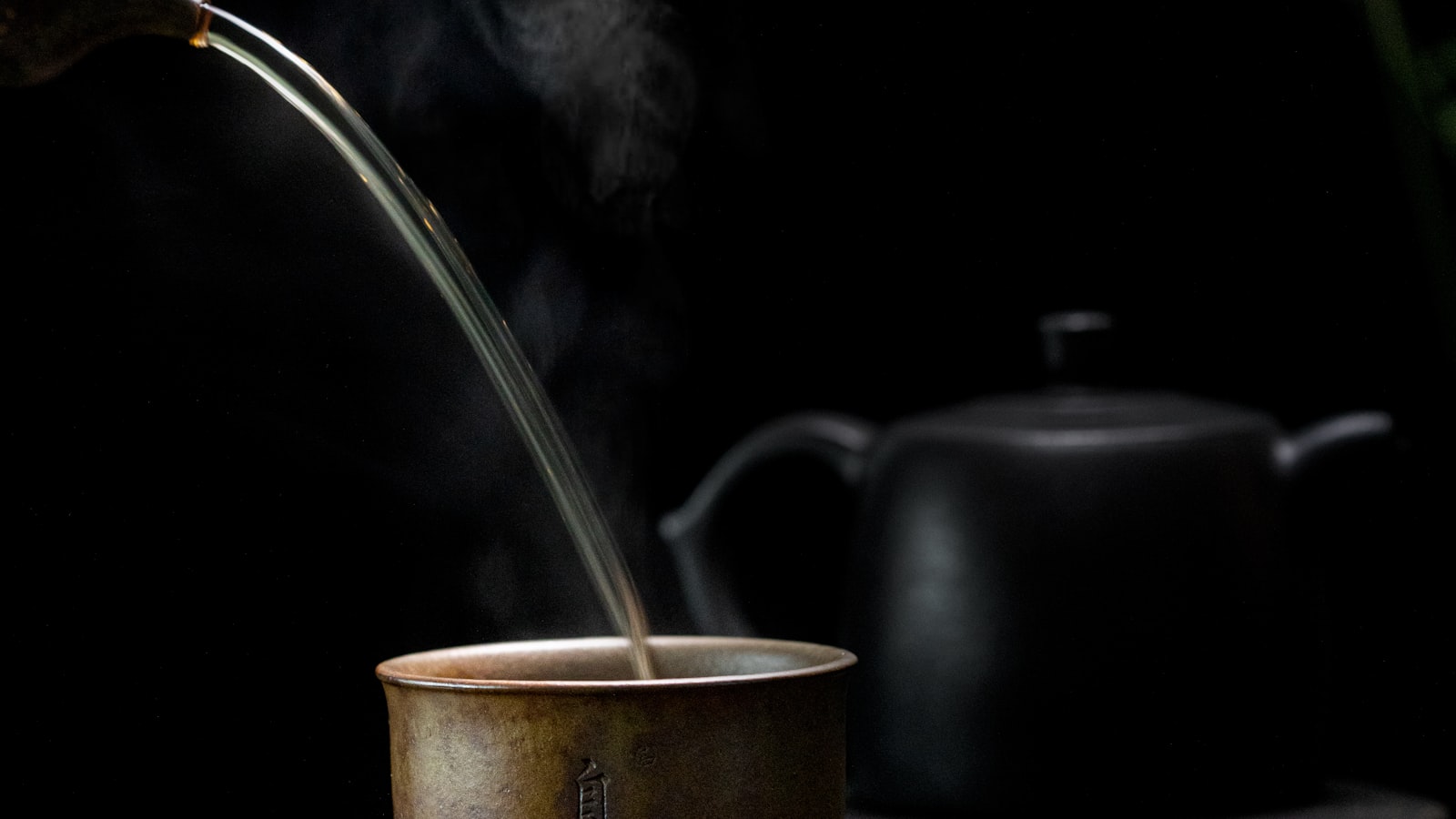
Tea is China’s great drink, and it deserves its own guide. The short version for drinkers: order a pot, not a cup — it arrives with a cup you keep refilling. Types vary by region: jasmine in the north, oolong in Fujian, pu-erh in Yunnan, green teas in Zhejiang and Sichuan. The two-finger tap on the table is the polite thanks when someone pours for you.
Milk tea: the modern empire
Milk tea (奶茶) shops are everywhere — a defining feature of modern Chinese cities. The classics: pearl/bubble milk tea, fruit teas, and cheese-foam teas. National chains like Heytea and Mixue sit alongside countless local shops, most with picture menus and QR payment. It’s cheap (¥10–30), endlessly customizable, and the perfect pick-me-up between sights.
Non-alcoholic staples
- Soy milk (doujiang) — hot or cold, a breakfast staple. See our breakfast guide.
- Plum juice (suanmeitang) — sweet-sour, refreshing, a summer favorite.
- Coconut water and fruit juices — fresh-pressed everywhere.
- Bottled water — the default; tap water isn’t for drinking.
Practical notes
- Toast etiquette: if someone raises a glass at a formal table, respond; ‘ganbei’ for full, ‘suiyi’ (as you like) for a sip.
- Payment: all cashless — Alipay is the norm.
- Coffee: big-city coffee culture is strong if you need a caffeine fix.
- Drink with food: most Chinese drinking happens at meals — a beer with hotpot, tea with dim sum.
Baijiu etiquette, politely
If you’re offered baijiu at a meal, a little etiquette goes far. The toast is ‘ganbei’ (bottoms up) for a full glass, or ‘suiyi’ (as you like) for a sip. It’s customary to refill others’ glasses before your own, and to receive a refill with both hands on your cup. If you don’t drink, it’s acceptable to sip very little and let your host know politely — no one will push hard. The ritual matters more than the volume; participating in the toasts, even symbolically, is what’s appreciated.
Beer, city by city
Chinese beer is a light lager culture, and each region has its champion: Tsingtao in the east (its home city Qingdao hosts the famous beer festival each August), Yanjing in Beijing, Harbin in the northeast, and Snow nationwide. Prices are low — a bottle in a restaurant is typically ¥10–30 (estimate). Craft beer is growing in the big cities if you want more character.
The milk tea phenomenon
Milk tea is one of modern China’s great food stories. Shops are everywhere, from national chains to tiny local stands, and the range is enormous: pearl milk tea, fruit teas, cheese-foam teas, and seasonal specials. Prices run ¥10–30 (estimate), ordering is by picture menu, and it’s the social lubricant of Chinese cities — the equivalent of the coffee shop. Try a pearl milk tea at least once; it’s a defining taste of contemporary China.
Drinking with food
Most Chinese drinking happens at meals. Beer with hotpot and grilled food, tea with dim sum and heavy meals, and baijiu at celebratory tables. The pairing logic is practical: cold beer cuts spice, tea cleanses the palate, baijiu is about the social ritual. Match your drink to the meal and you’ll be drinking like a local in no time.
The tea you’ll actually be served
Most restaurants serve a house tea automatically — usually jasmine in the north, oolong in the south, or a local green tea. It arrives in a pot, and your cup gets refilled as you drink. The polite gesture when someone pours for you is the two-finger tap. If you want to choose your tea, most places have a tea list; pu-erh, Longjing and tieguanyin (oolong) are the famous names. See our tea culture guide for the deeper tradition.
Drinking water, safely
Tap water isn’t for drinking in China — always drink bottled or boiled. Bottled water is cheap and everywhere (¥2–5 for a standard bottle), and restaurants serve it automatically. In hotels, the water in the kettle is boiled and safe. Ice in drinks is generally made from filtered water in cities, but if you’re cautious, ‘bu jia bing’ (no ice) sorts it out. It’s the one drink rule that matters for staying well.
The modern cafe scene
China’s coffee culture is young and booming. Luckin and Manner are the affordable domestic chains; Starbucks and local roasters fill the rest of the market. In Beijing, Shanghai and Chengdu, specialty coffee is genuinely good — worth a detour for coffee lovers. And the milk tea scene outshines it in volume. Between coffee, tea and milk tea, you’ll never lack for a drink in any Chinese city.
A note on hangovers and pacing
Baijiu is potent (40–53% ABV) and sneaky — it goes down warm and hits hard. Pace yourself: sip, eat between toasts, and match the room. A practical rule for toasting culture: you don’t have to finish a glass — ‘suiyi’ (as you like) is a legitimate response, and no one will judge a small sip. Drink water between glasses and eat plenty; that’s how locals survive a baijiu evening. And never drive after drinking — the rules and penalties are strict.
Drinks and your broader trip
Drinks round out the food experience in ways that matter. Tea is the thread — a pot at every meal, a teahouse for a slow afternoon, a culture worth a visit in itself. Milk tea is the modern energy of Chinese cities. Beer is the everyday companion to spicy food. And baijiu is the ritual you’ll remember. Drink like a local and you’ll understand China’s tables better — the food is only half the story. It’s a drink culture that rewards curiosity, and it makes every meal better.
Details as of August 2026 — confirm current prices before you go.
Frequently Asked Questions
What is baijiu and should I try it?
Baijiu is China's national spirit — a clear, potent liquor (often 40–53% ABV) distilled from sorghum or rice. It's usually drunk at meals and toasts, often with a 'ganbei' (bottoms up). It's an acquired taste — sharp and pungent. Try a sip for the experience, but sip slowly; it's strong. If you're at a business or celebratory table, don't feel obliged to down a full glass.
What beer should I drink in China?
Tsingtao is the best-known Chinese lager — crisp and light, and best in its home city of Qingdao. Regional beers worth trying include Harbin, Yanjing (Beijing) and Snow. Chinese beer is generally light and refreshing, perfect with spicy or grilled food. Craft beer is growing fast in big cities.
What's the milk tea (nai cha) situation?
Milk tea shops are everywhere in China — a huge part of urban culture. Classic options are pearl/bubble milk tea, fruit teas, and cheese-foam teas. Big national chains (like Heytea, Mixue) and countless local shops serve it. Ordering is easy with the picture menus and [Alipay](https://chinotrips.com/how-to/set-up-alipay/). It's the perfect pick-me-up between sights.
How do I drink tea like a local?
Order a pot, not a cup — most places bring a pot with a cup you keep refilling. The types vary by region: jasmine, oolong, pu-erh and green teas each have their home. The two-finger tap on the table is the polite thanks when someone refills your cup. See our [tea culture guide](https://chinotrips.com/culture/chinese-tea-culture/) for the full picture.
Is it safe to drink the water in China?
Tap water isn't for drinking — stick to bottled or boiled water, which is cheap and everywhere. Bottled water is the default at restaurants, hotels and shops. Ice in drinks is generally filtered in cities, but if you're cautious, ask for 'bu jia bing' (no ice).