
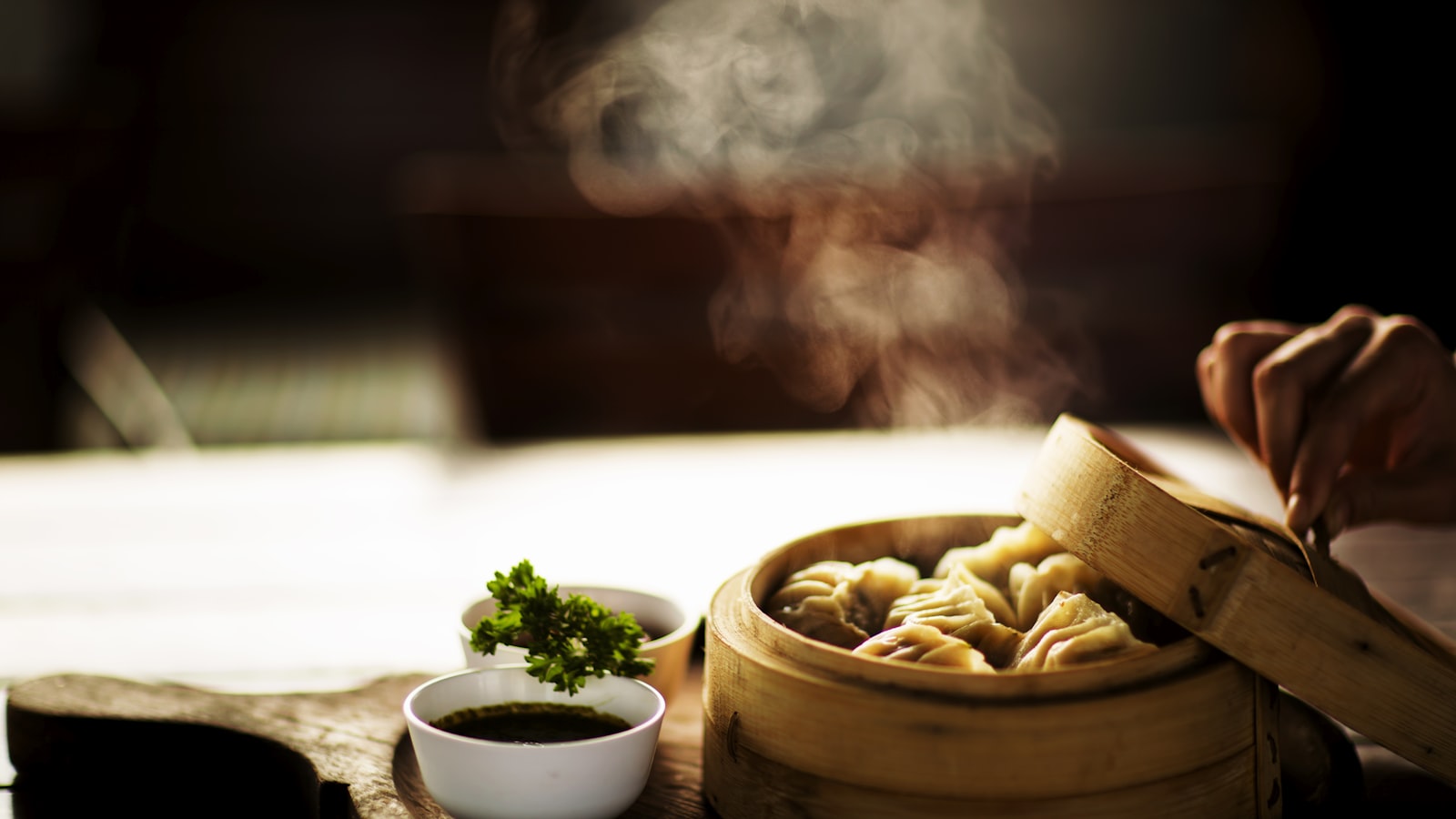
Dim Sum Guide for Beginners: What to Order & How to Eat It
How to do dim sum (yum cha) in China — the classic dishes, how ordering works, tea etiquette, and where the best is (Guangzhou).
Dim sum is China’s great morning ritual — small steamed baskets, endless variety, and a pot of tea at the center of the table. Here’s how to do it properly.
For first-time visitors, dim sum is one of the most accessible and rewarding food experiences in China. You don’t need to read a menu, you point at what looks good, and everything is small enough that trying five things is normal. This guide covers the classic dishes, the etiquette, and where to find the best of it.
The ritual, explained
Dim sum (点心, ‘touch the heart’) is the Cantonese tradition of small dishes served with tea. The meal is called yum cha — ‘drinking tea’ — because the tea is as much the point as the food. It’s a slow, social morning: baskets arrive, you share, you linger, the tea gets refreshed. The birthplace is Guangzhou, and the tradition spread from there to Hong Kong and across the Cantonese world.
The classic dishes
A first dim sum should cover the basics:
- Har gow (虾饺) — translucent shrimp dumplings; the benchmark of a good kitchen.
- Siu mai (烧卖) — open-topped pork and shrimp dumplings.
- Char siu bao (叉烧包) — fluffy buns filled with sweet barbecue pork.
- Cheung fun (肠粉) — silky rice rolls, usually with shrimp or beef, in a soy-sweet sauce.
- Egg tarts (蛋挞) — the classic sweet finish, best warm.
Beyond the core five, try what looks good: rice noodle rolls, spring rolls, spare ribs, chicken feet (authentic but not for everyone), and turnip cakes pan-fried crisp.
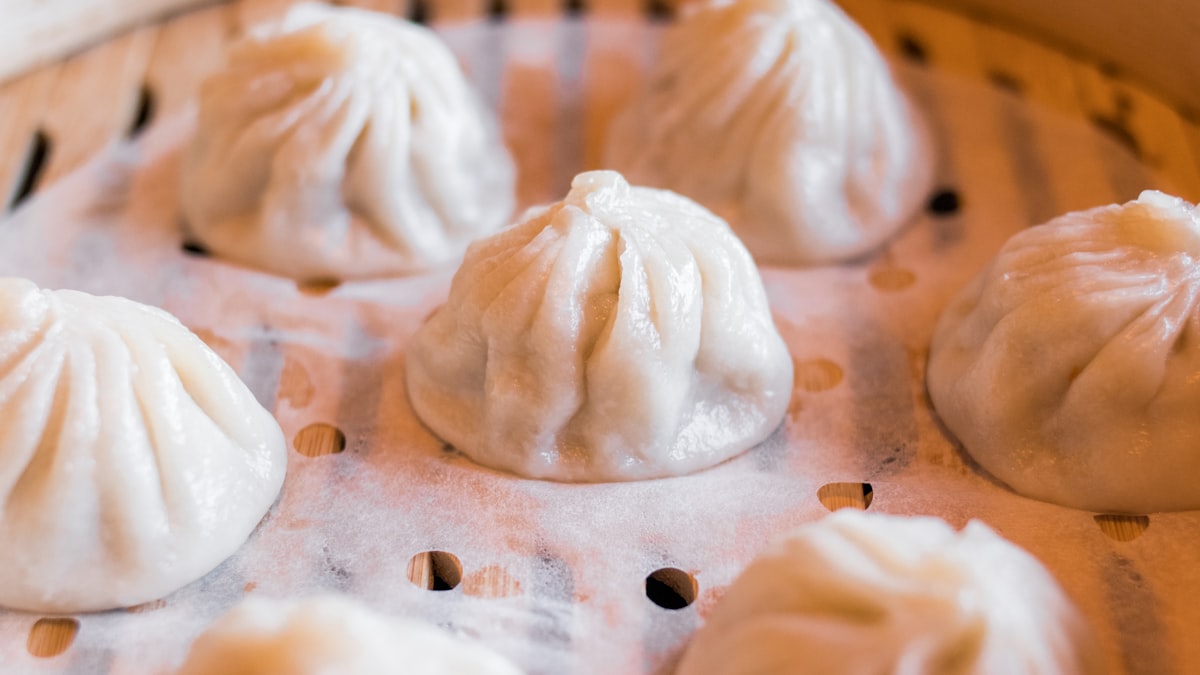
Har gow — translucent shrimp dumplings — are the benchmark dish of a good dim sum kitchen, and the safest place to start.
How ordering works
Two styles, both easy:
- The trolley (推车): in traditional tea houses, staff wheel stacked bamboo baskets past your table. Point at what you want; it’s added to your bill by the number of baskets.
- The card: many places give you a paper card or a menu with pictures. Tick or point, and staff bring it to your table.
Either way, saying ‘zhe ge’ (this one) while pointing is all you need. Portions are small, so two people ordering four or five dishes is normal.
Tea etiquette in one paragraph
A pot of tea arrives with your order — commonly pu-erh, jasmine or chrysanthemum. It’s free-flowing: your cup gets topped up as you drink. The two-finger tap on the table is the polite thank-you when someone refills your cup. Ordering more tea is as simple as pointing at the pot.
Where to find the best
Guangzhou is the home of dim sum — the old Liwan district’s busy tea houses are the classic scene. See our Guangzhou guide for neighborhoods and tips. The Pearl River Delta generally (including Hong Kong, if you’re crossing) is where the tradition is strongest. Elsewhere in China, look for a Cantonese restaurant — dim sum is proudly regional.
Practical notes
- Timing: the full trolley experience is a morning meal — roughly 8–11am. Later, selection thins.
- Cost: a good dim sum session runs roughly ¥50–120 per person (estimate), depending on how much you order.
- Payment: cashless — have Alipay ready.
- Not too adventurous? Stick to the core five above; everything is mild and cooked, so there’s little risk.
- Allergies: if you have a seafood or gluten allergy, say so explicitly — most dim sum contains shrimp or wheat. Carry a Chinese allergy card.
The dim sum experience, start to finish
Walk into a busy Cantonese tea house in the morning and the scene is immediate: trolleys of bamboo baskets gliding between tables, the hiss of steam, the clatter of small plates, and the murmur of a room full of people taking their time. You sit, a pot of tea arrives, and the flow of baskets begins. Some places use a card you tick; others the trolley directly. Either way, the rhythm is the same: a basket arrives, you share it, the tea gets topped up, and the next basket comes. It’s a meal that lasts as long as you want it to.
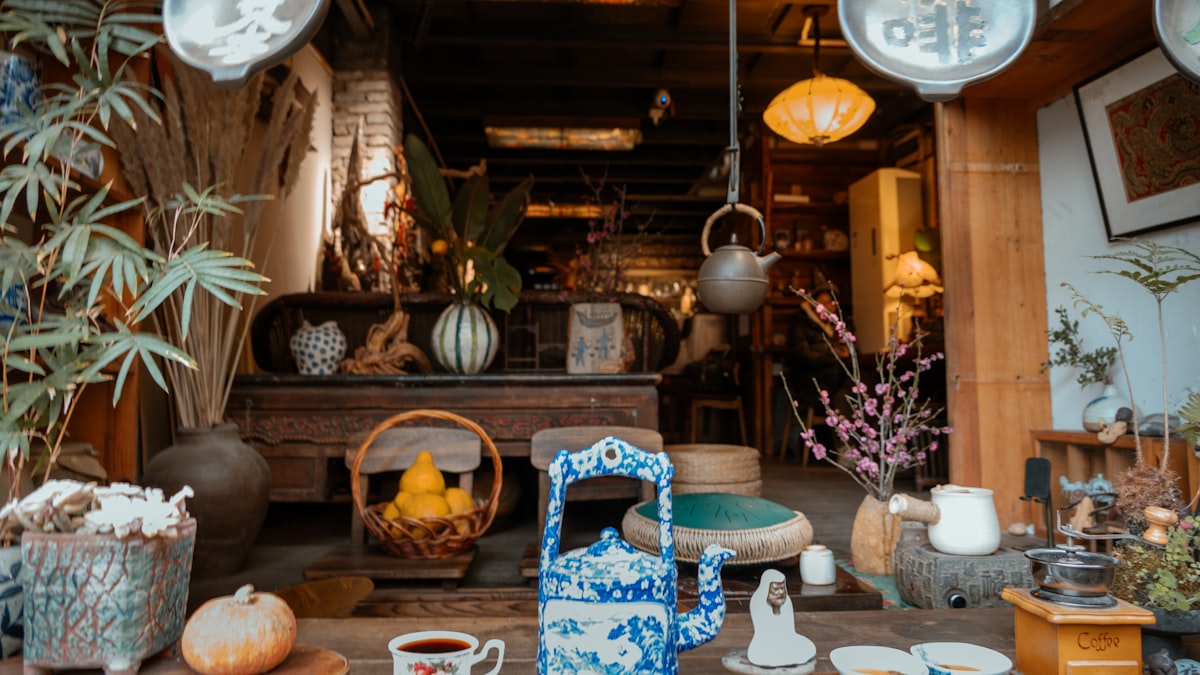
Stacked bamboo baskets circulating on trolleys are the visual signature of a traditional dim sum tea house.
Dim sum, region by region
Dim sum is Cantonese at its core — Guangzhou and the Pearl River Delta are its home, and Hong Kong across the border shares the tradition. Elsewhere in China, dim sum is a Cantonese specialty you find at Cantonese restaurants, often at lunch. The northern dumpling world — jiaozi, guotie, baozi — is a different family entirely; see our dumplings guide for that. If you’re visiting the south, dim sum is a must; if you’re in the north, jiaozi is the local ritual instead.
The difference between dim sum and jiaozi
It’s a common point of confusion. Dim sum is the Cantonese small-plate tradition — steamed dumplings, buns, rolls and sweets served with tea in the morning. Jiaozi are the northern boiled or pan-fried dumplings, usually filled with pork and cabbage, eaten as a meal any time. Both are delicious, both involve a wrapper and a filling — but they belong to different regions and different rituals. A dumpling guide sorts out the northern family.
A first-order cheat sheet
If the variety feels overwhelming, this covers the bases: har gow (shrimp), siu mai (pork), char siu bao (barbecue pork bun), cheung fun (rice roll), spring rolls, and egg tarts to finish. Six items, six textures, a complete picture of what dim sum can be. Add a pot of jasmine tea and you’ve done it properly.
- Timing: mornings are the classic window — the full selection is out.
- Cost: ¥50–120 per person for a good session (estimate).
- Payment: cashless — Alipay ready.
Reading a dim sum menu
Most dim sum places give you a laminated card or a menu with pictures. The dishes are grouped by type: steamed dumplings, baked and fried items, rice rolls, congee and sweets. A typical card has a column of small boxes — you tick the ones you want and how many portions. If you’re not sure, the safest approach is to let the trolley come to you: in traditional tea houses, staff wheel the baskets past and you point. Either way, you’re never more than a gesture away from a good meal.
The ritual of pouring tea
Tea is central to dim sum, and there’s a small etiquette around it. When someone pours tea for you, the polite thanks is a light tap of two fingers on the table — a custom that goes back centuries. Your cup is meant to be kept topped up, and the waiter will watch for it. Choosing the tea is part of the experience: pu-erh is earthy and aids digestion, jasmine is fragrant and gentle, oolong is in between. Ask the waiter for a recommendation if you’re unsure.
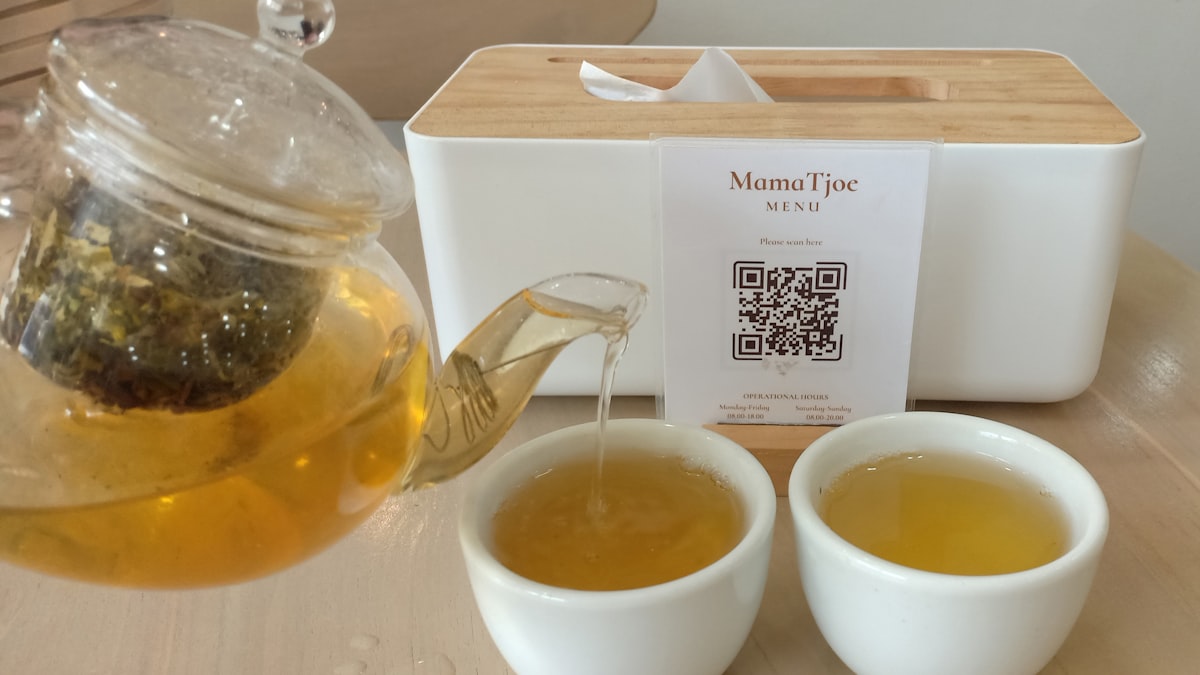
A pot of tea sits at the center of every dim sum table — pu-erh, jasmine or oolong — refilled as you drink.
Dim sum for the unadventurous
If you’re a cautious eater, dim sum is one of the safest meals in China — everything is cooked, small and identifiable. The mildest picks: char siu bao (sweet barbecue pork buns), cheung fun (plain rice rolls), egg tarts, and a simple congee. Skip the chicken feet and the offal until you’re braver. There’s nothing raw or unknown here; it’s gentle food served in generous portions.
Prices as of August 2026 — confirm current rates before you go.
Frequently Asked Questions
What is dim sum, exactly?
Dim sum (点心) is a Cantonese tradition of small, steam-cooked plates — dumplings, buns, rolls and sweets — served with tea. It's eaten as a leisurely morning or midday meal, usually shared. The phrase 'yum cha' literally means 'drink tea' and refers to the whole ritual.
Where is the best dim sum in China?
Guangzhou — the birthplace of Cantonese cuisine and dim sum. The classic experience is a busy morning tea house where trolleys of bamboo baskets circulate. Hong Kong and the surrounding Pearl River Delta are equally strong. See our [Guangzhou guide](https://chinotrips.com/guangzhou/) for where to start.
What are the must-try dim sum dishes?
Har gow (translucent shrimp dumplings), siu mai (pork and shrimp dumplings), char siu bao (barbecue-pork buns), cheung fun (rice rolls with shrimp or beef), and egg tarts for a sweet finish. These five give you the full dim sum range with almost no risk.
How do I order dim sum if I can't read Chinese?
Two ways. In a traditional tea house, staff wheel trolleys past your table and you point at what you want — the baskets are labeled or familiar by sight. In most places, you tick a card with pictures or point at the menu. Saying 'zhe ge' (this one) while pointing works everywhere.
Is dim sum only a breakfast thing?
It's a morning-to-early-afternoon meal in the traditional style. Many places now serve dim sum all day, but the full trolley experience with the best selection is in the morning (roughly 8–11am). Go early for the freshest baskets and the liveliest atmosphere.
How is the tea part done?
You'll be offered a pot of tea — commonly pu-erh, jasmine, oolong or chrysanthemum. Your cup is refilled as you drink. When someone pours tea for you, a light tap of two fingers on the table is the traditional thank-you. The tea is part of the meal, not a separate order.